- Company Articles
- Products and Technology
- Product knowledge
- 60 Steel Roller Track Green Lubrication: Eco-Friendly Oils for Smooth Operation

60 Steel Roller Track Green Lubrication: Eco-Friendly Oils for Smooth Operation
Related Product
60 Steel Roller Track Green
The roller track can be installed with multiple accessories to create different slopes and configurations of flow racks.All steel conveyor 60 roller track accessories are engineered to perfectly fit the sliding rail.It is enable the movement of SLC boxes.
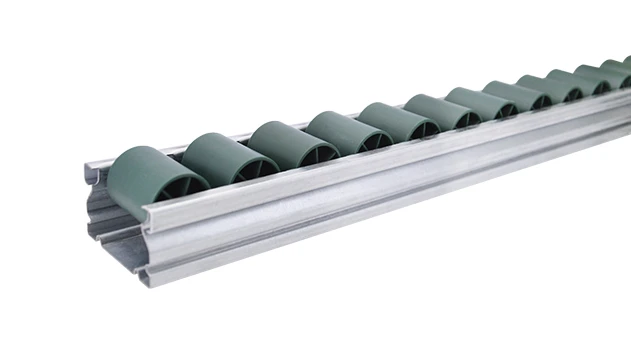
Walk into any modern manufacturing facility—whether it's a bustling 3C assembly line, a precision medical device workshop, or a high-volume warehouse—and you'll spot 60 steel roller track green weaving through the space. It's the silent workhorse behind flow racks that keep components moving to lean pipe workbenches , the steady force in conveyors that shuttle products from station to station, and a core element of lean systems designed to eliminate waste and boost productivity. But even the most durable roller tracks can lose their edge without the right care. Today, we're diving deep into the world of green lubrication: how eco-friendly oils can keep your 60 steel roller track green running smoothly, cut maintenance costs, and align your operations with sustainable lean principles.
What Is 60 Steel Roller Track Green, and Why Does It Matter?
Before we talk lubrication, let's get to know the star of the show: 60 steel roller track green. This robust component is a staple in flow racks and conveyors across industries like 3C assembly, automotive, and medical device manufacturing. Made from high-quality steel with a green coating, it's designed to resist corrosion, handle heavy loads, and stand up to the wear and tear of daily use.
But why green? The green coating isn't just for looks—it adds an extra layer of protection against rust and scratches, making the track last longer. More importantly, this type of roller track is a key part of lean systems because it enables smooth, continuous flow of materials, which is essential for reducing bottlenecks and improving efficiency. For example, in a 3C assembly line, 60 steel roller track green in flow racks ensures that phone components reach lean pipe workbenches exactly when workers need them, minimizing wait times and maximizing output.
However, even with its durable design, 60 steel roller track green relies on proper lubrication to maintain its performance. Without it, friction builds up, leading to noisy operation, slower movement, and eventually, premature wear. That's where green lubrication comes in—offering a way to keep your tracks running while being kind to the planet.
The Case for Green Lubrication: Beyond Just Efficiency
Traditional petroleum-based lubricants have been the go-to for decades, but they come with a host of downsides. First, they're non-renewable, meaning their supply is finite. Second, they're toxic—if they leak onto the floor, they can pose slip hazards and harm the environment if not disposed of properly. Third, they often leave sticky residues that attract dust and debris, leading to more frequent cleaning and maintenance.
Green lubricants, on the other hand, address these issues head-on. They're made from renewable resources (like vegetable oils) or synthetic materials designed to be biodegradable and non-toxic. For manufacturing facilities that follow lean principles, this isn't just a nice-to-have—it's a necessity. Lean systems emphasize sustainability and waste reduction, and switching to green lubricants aligns perfectly with those goals. It cuts down on waste from disposal, reduces the risk of environmental fines, and even improves workplace safety by eliminating slippery oil spills.
Did you know? Many industries—including medical device manufacturing and food processing—are now required by regulations to use eco-friendly lubricants to ensure product safety and environmental compliance.

Types of Eco-Friendly Oils for 60 Steel Roller Track Green
Not all green lubricants are created equal. The right choice depends on your operation's specific needs—like load size, temperature, and usage frequency. Let's break down the most common types and their best uses:
| Lubricant Type | Key Benefits | Best Use Cases | Compatibility with 60 Steel Roller Track Green |
|---|---|---|---|
| Vegetable-Based Oils | 100% renewable, fully biodegradable, low toxicity, gentle on surfaces | Light to medium load applications, low-temperature environments (e.g., 3C assembly workstations) | Excellent—won't damage the green coating or steel base |
| Synthetic Esters | High thermal stability, long-lasting (reduces lubrication frequency), resistant to oxidation | Heavy load areas, high-temperature zones (e.g., automotive part conveyors) | Very Good—handles extreme conditions without breaking down |
| Bio-Synthetic Blends | Balances renewable content with high performance, works in all load/temperature ranges | General-purpose use across flow racks, conveyors, and lean systems | Outstanding—ideal for mixed-operation facilities |
| Hydrotreated Mineral Oils | Lower environmental impact than traditional mineral oils, cost-effective | Low to medium load applications where budget is a priority | Good—safe for steel and green coating, but less sustainable than other options |
When choosing a lubricant for your 60 steel roller track green, always check the manufacturer's recommendations. For example, if your track is part of a flow rack in a medical device facility, you might opt for a vegetable-based oil to ensure compliance with strict safety standards. If it's in a high-temperature automotive conveyor, a synthetic ester would be a better fit.

How to Apply Green Lubrication Correctly to 60 Steel Roller Track Green
Applying lubricant isn't just about squirting oil on the tracks—it's a process that requires care to get the best results. Follow these steps to ensure your 60 steel roller track green stays smooth and efficient:
- Clean the Track First: Before applying any lubricant, remove dust, debris, and old oil residues from the roller track. Use a dry cloth or a mild, eco-friendly cleaner to wipe down the surface. This prevents dirt from mixing with the new lubricant and causing friction.
-
Choose the Right Application Method:
For 60 steel roller track green, the best methods are:
- Brush: Ideal for targeted application on roller bearings and joints.
- Spray: Good for covering large areas quickly (use a spray with a narrow nozzle to avoid overspray).
- Drip: Perfect for precise lubrication of hard-to-reach spots.
- Apply the Right Amount: Less is more! Over-lubrication can attract dust and create a mess. For roller tracks, a thin, even layer on the bearings and contact points is sufficient.
-
Set a Lubrication Schedule:
The frequency depends on usage:
- Heavy use (24/7 operation): Lubricate every 2 weeks.
- Medium use (8-12 hours/day): Lubricate once a month.
- Light use (occasional): Lubricate every 3 months.
- Inspect Regularly: After lubrication, check the track for smooth movement. If you notice any unusual noise or resistance, reapply or adjust the amount.
Pro tip: Keep a log of lubrication dates and results. This helps you refine your schedule and catch potential issues early—aligning with lean principles of continuous improvement.
Green Lubrication and Lean Systems: A Perfect Match
Lean systems are all about eliminating waste (muda) and optimizing processes. Green lubrication plays a crucial role in this by reducing several types of waste:
- Maintenance Waste: Eco-friendly lubricants last longer and require less frequent application, cutting down on maintenance time and costs.
- Disposal Waste: Biodegradable lubricants don't need special disposal methods, reducing waste from hazardous materials.
- Downtime Waste: Properly lubricated tracks run smoother and break down less often, minimizing production delays.
Let's take an example from the 3C assembly industry. A company using flow racks with 60 steel roller track green switched from traditional oil to a bio-synthetic blend. The result? Maintenance time for their tracks dropped by 40%, and they saved 25% on lubricant costs (since the blend lasted twice as long). Plus, the lack of sticky residues meant their lean pipe workbenches stayed cleaner, reducing the time workers spent cleaning and increasing their productivity.
Another example: A warehouse using conveyors with 60 steel roller track green switched to vegetable-based oil. They noticed a significant reduction in slip hazards, which improved workplace safety. This also helped them meet their sustainability goals, as they could now say their entire material handling system used eco-friendly products—a selling point for their clients who value green practices.
Common Mistakes to Avoid with 60 Steel Roller Track Green Lubrication
Even with the best intentions, it's easy to make mistakes when lubricating your roller tracks. Here are the top ones to watch out for:
- Using the Wrong Lubricant: Forgetting to check compatibility with 60 steel roller track green can lead to coating damage or poor performance. Always choose a lubricant that's safe for steel and green coatings.
- Over-Lubrication: As mentioned earlier, too much oil attracts dust and debris, which can cause more friction than no oil at all.
- Ignoring Cleaning: Applying new lubricant over old residues is like putting a band-aid on a wound—it won't fix the problem. Always clean the track first.
- Irregular Lubrication: Skipping lubrication or doing it too often can lead to premature wear or unnecessary costs. Stick to a schedule based on usage.
- Not Testing First: Before applying a new green lubricant to all your tracks, test it on a small, hidden area to ensure it doesn't damage the coating or affect performance.
Long-Term Maintenance Tips for 60 Steel Roller Track Green
Green lubrication is just one part of keeping your roller tracks in top shape. Here are some additional tips to ensure longevity:
- Regular Inspections: Check for loose bolts, worn rollers, or damaged coatings every week. Fixing small issues early prevents bigger problems later.
- Keep Tracks Clean: Wipe down tracks with a dry cloth every day to remove dust and debris. For deeper cleans, use an eco-friendly cleaner once a month.
- Adjust Loads: Don't overload your roller tracks—stick to the manufacturer's recommended weight limit. Overloading can cause bending or warping, which affects performance.
- Store Lubricants Properly: Keep green lubricants in a cool, dry place away from direct sunlight. This preserves their quality and extends their shelf life.
Remember: Lean systems are about continuous improvement. Take notes on how your lubrication routine works, and adjust it as needed. For example, if you notice your tracks are noisy in a certain area, you might need to increase the lubrication frequency there.
Final Thoughts: Green Lubrication as a Step Toward Sustainable Lean Operations
60 steel roller track green is more than just a component—it's a foundation of modern lean systems. By choosing eco-friendly lubricants for these tracks, you're not just keeping them running smoothly; you're taking a concrete step toward more sustainable, efficient operations. Whether you're in 3C assembly, medical device manufacturing, or warehouse logistics, green lubrication offers benefits that go beyond the bottom line: it improves workplace safety, reduces environmental impact, and aligns your business with the values of today's consumers.
So next time you think about maintaining your flow racks or conveyors, remember: the right lubricant isn't just about keeping things moving—it's about keeping things moving forward, for your business and the planet.