- Company Articles
- Products and Technology
- Installation And Maintenance
- 60 Steel Roller Track Green Maintenance Tips: Prolonging Lifespan & Sustaining Performance

60 Steel Roller Track Green Maintenance Tips: Prolonging Lifespan & Sustaining Performance
Related Product
60 Steel Roller Track Green
The roller track can be installed with multiple accessories to create different slopes and configurations of flow racks.All steel conveyor 60 roller track accessories are engineered to perfectly fit the sliding rail.It is enable the movement of SLC boxes.
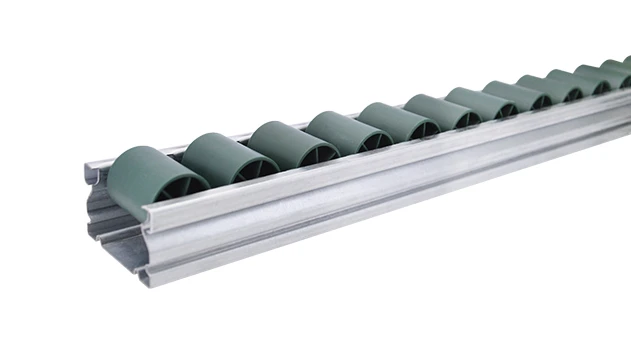
60 Steel Roller Track Green Maintenance Tips: Prolonging Lifespan & Sustaining Performance
If you work with lean systems, conveyor lines, or flow racks, you know how critical 60 Steel Roller Track Green is to keeping operations running smoothly. This durable, corrosion-resistant component is the backbone of many production and logistics setups—from assembly lines to warehouse picking stations. But like any hardworking tool, it needs regular care to stay in top shape. Neglecting maintenance can lead to jams, downtime, and premature replacement, which hits your bottom line hard. In this guide, we'll walk you through everything you need to know to keep your 60 Steel Roller Track Green performing at its best, from daily quick checks to long-term sustainability practices.
First, let's talk about why this track matters so much. Its green coating isn't just for looks—it's a protective layer that fights rust and wear, making it ideal for high-traffic areas. When paired with quality roller track accessories like end supports and guide rails, it becomes a reliable part of your lean system, helping you reduce waste and boost efficiency. But without proper care, that green coating can chip, rollers can stick, and connectors can loosen—all things that slow down your workflow. So let's dive into the maintenance routine that will keep your track going strong for years.
Pre-Maintenance Preparation: Tools & Safety
Before you start any maintenance task, you need the right tools and to prioritize safety. Skipping either can lead to mistakes or injuries, so don't cut corners here.
Essential Tools:
- Soft-bristle brush or microfiber cloth (to clean without scratching the green coating)
- Mild dish soap (diluted with water—harsh chemicals will damage the coating)
- Needle oiler (for precise lubrication of roller bearings)
- Torque wrench (to tighten roller track connectors to the right specs)
- Inspection mirror (to check hard-to-reach areas under the track)
- Replacement roller track accessories (end supports, guide rails, or rollers—keep a small stock handy)
- Gloves and safety glasses (to protect your hands and eyes from debris)
Safety First:
- If your roller track is part of a conveyor system, turn off the power before starting maintenance. Never work on a moving conveyor.
- Wear non-slip shoes if you're working on elevated tracks or ladders.
- Label any parts you remove so you know where they go back—this saves time and prevents mistakes.
Pro Tip: Keep a maintenance log to track tasks, issues, and replacements. This helps you spot patterns (like a certain section of track needing frequent repairs) and adjust your routine accordingly—perfect for lean system continuous improvement.
Daily Maintenance: Quick Checks to Prevent Problems
Daily maintenance takes just 10-15 minutes, but it's the most important step in keeping your track running smoothly. These quick checks catch small issues before they turn into big headaches.
| Task | How to Do It | Why It Matters |
|---|---|---|
| Clean the Track Surface | Use a soft brush or cloth to wipe away dust, dirt, and small debris from the track and between rollers. | Debris gets stuck between rollers, causing jams or uneven movement of products. |
| Inspect Rollers for Sticking | Roll each roller with your finger to see if it spins freely. If a roller is stuck, gently tap it with a rubber mallet (never metal) or apply a drop of lubricant with the needle oiler. | Stuck rollers slow down product flow and can damage the items moving on the track. |
| Check for Loose Connectors | Give each roller track connector a quick wiggle to see if it's loose. If it moves, mark it for a weekly tightening. | Loose connectors lead to misalignment, which causes products to fall off or get stuck. |
| Wipe the Green Coating | Use a damp cloth to wipe the track's green surface. Dry it immediately to prevent moisture buildup. | Moisture and dirt can chip the coating over time, exposing the steel to rust. |
Important: Never use abrasive scouring pads or strong cleaners (like bleach or ammonia) on the green coating. They will strip the protection and leave the steel vulnerable to rust.
Weekly Maintenance: Deep Clean & Detailed Inspection
Once a week, set aside 30-45 minutes for a deeper dive into your track's condition. This is when you fix small issues before they become major problems.
Step 1: Deep Clean the Track
Mix a small amount of mild dish soap with warm water. Dip your soft brush into the solution and gently scrub the track, paying extra attention to the gaps between rollers. Use an inspection mirror to clean under the track if needed. Rinse with clean water and dry the track completely—moisture is the biggest enemy of steel. For hard-to-reach areas, use a cotton swab dipped in the soapy solution.
Step 2: Tighten Roller Track Connectors
Grab your torque wrench and go through each connector on the track. Refer to the manufacturer's specs for the correct torque (usually between 8-12 Nm for most roller track connectors). Over-tightening can break the connector, while under-tightening leaves it loose—so get this right. If a connector is damaged (cracked or stripped), replace it immediately with a new one from your stock of roller track accessories.
Step 3: Inspect Rollers for Wear
Look closely at each roller. Are there any chips, cracks, or uneven surfaces? Is the roller's surface smooth, or does it have scratches that could damage products? If you find any damaged rollers, mark them with a piece of tape—you'll replace them during your monthly maintenance. Also, check if the rollers are aligned properly: they should all be at the same height and parallel to each other.
Step 4: Check Guide Rails & End Supports
If your track uses plastic roller track guide rails (yellow or grey), inspect them for cracks or breaks. Guide rails keep products moving straight, so a broken one can cause jams. Also, check the end supports—these hold the track in place, so if they're bent or loose, the track will wobble. replace any damaged guide rails or end supports with new roller track accessories.
Step 5: Inspect Caster Wheels (If Applicable)
If your roller track is part of a mobile unit (like a turnover trolley), check the caster wheels. Spin each wheel to see if it moves smoothly. Look for wear on the wheel surface—if it's uneven, the trolley will wobble. Tighten any loose caster connectors and apply a drop of lubricant to the axle if needed.
Monthly Maintenance: Lubrication & Replacement
Monthly maintenance is when you take care of tasks that don't need to be done every week but are crucial for long-term performance. This includes lubrication and replacing worn parts.
Step 1: Lubricate Moving Parts
Grab your needle oiler and apply a small drop of lubricant to each roller bearing. Use a lubricant that's appropriate for your industry—for example, food-grade lubricant if you're in the food and beverage sector. Don't over-lubricate: too much oil attracts dust and debris, which can cause rollers to stick. Wipe off any excess oil with a cloth. Also, lubricate the axles of caster wheels (if applicable) and any conveyor chains connected to the track.
Step 2: replace Worn Rollers & Accessories
Go back to the rollers you marked during your weekly inspection. Use a screwdriver or wrench to remove the damaged rollers and replace them with new ones. Make sure the new rollers are aligned properly—they should fit snugly and spin freely. Next, replace any damaged roller track accessories like guide rails or end supports. This is also a good time to check if any roller track connectors are worn out—if they're stripped, replace them to keep the track stable.
Step 3: Check Track Alignment
Take a straight edge (like a level or a long metal ruler) and place it along the track. Is the track straight, or is it bent in any spots? If it's slightly bent, you can gently adjust it with a rubber mallet (never use a metal hammer—you'll damage the green coating). If the bend is severe, replace that section of the track. Misaligned tracks cause products to move unevenly, leading to jams or damage.
Step 4: Touch Up the Green Coating
If you notice any chips or scratches in the green coating, touch them up with a matching anti-corrosion paint. This small step prevents rust from forming on the exposed steel. Make sure the area is clean and dry before applying the paint—this will help it adhere better. Let the paint dry completely before using the track again.
Seasonal Maintenance: Adapting to Weather
Weather can have a big impact on your 60 Steel Roller Track Green. Humidity, temperature changes, and even rain (if your track is in an outdoor or semi-outdoor area) can affect its performance. So adjust your maintenance routine based on the season.
Winter:
Cold temperatures can make lubricants thicken, so use a lubricant that's designed for low temperatures. Also, check for condensation on the track—wipe it off immediately to prevent rust. If your facility is heated, the dry air can cause the green coating to crack, so consider using a humidifier to keep the air moist (but not too moist).
Summer:
High humidity is the biggest issue in summer. Increase the frequency of your drying tasks—after cleaning, make sure the track is completely dry. Check for mold or mildew on the track (unlikely, but possible in very damp areas) and clean it off with a mild detergent. If your track is outdoors, consider covering it with a tarp during heavy rain to protect the green coating.
Rainy Season:
If you live in an area with a rainy season, add an extra weekly check for rust spots. Touch up any chips in the green coating immediately to prevent rust from spreading. Also, keep your replacement roller track accessories in a dry place—moisture can damage them before you even use them.
Troubleshooting Common Issues
Even with regular maintenance, you might run into issues. Here's how to fix the most common problems:
1. Stuck Rollers:
Cause:
Dust or debris in the bearing, or lack of lubrication.
Fix:
Clean the roller bearing with a soft brush and apply a drop of lubricant. If the roller still doesn't spin, replace it.
2. Misaligned Track:
Cause:
Loose connectors or bent track.
Fix:
Tighten the connectors. If the track is bent, gently adjust it or replace the section.
3. Green Coating Chipping:
Cause:
Harsh chemicals, scratches from sharp objects, or wear.
Fix:
Touch up the chipped area with anti-corrosion paint. Avoid using harsh cleaners in the future.
4. Product Jams:
Cause:
Misaligned track, stuck rollers, or debris.
Fix:
Stop the line (if applicable), remove the debris, and check for stuck rollers or misalignment. Fix the issue before restarting.
5. Wobbly Caster Wheels:
Cause:
Loose connectors or worn wheels.
Fix:
Tighten the connectors. If the wheel is worn, replace it with a new one.
Integrating Maintenance into Your Lean System
Maintenance isn't just a chore—it's part of your lean system. Lean principles focus on reducing waste and continuous improvement, and regular maintenance helps you do both. Here's how to integrate maintenance into your lean practices:
1. Reduce Downtime:
A well-maintained track means fewer unexpected breakdowns. This reduces downtime, which is a big source of waste in lean systems. By catching issues early, you avoid long stops in production.
2. Continuous Improvement:
Keep a log of all maintenance tasks and issues. Review this log monthly to see if you can improve your routine. For example, if you notice that rollers in a certain area wear out faster, you can increase the inspection frequency for that section.
3. Sustainable Use:
Lean systems emphasize reusing and recycling. When you replace a track section, salvage usable rollers or connectors for other projects. This reduces waste and saves money. Also, choose quality roller track accessories from a reliable supplier—they last longer, so you don't have to replace them as often.
4. Empower Your Team:
Train your team members to do basic maintenance tasks like daily cleaning and roller checks. This spreads the responsibility and ensures that issues are caught early. It also gives your team a sense of ownership over the equipment.
Long-Term Sustainability Tips
To get the most out of your 60 Steel Roller Track Green, follow these long-term sustainability tips:
- Invest in quality: Choose high-grade roller track and accessories from a trusted supplier. Cheap parts wear out faster, leading to more waste.
- Reuse parts: When replacing a track section, save usable rollers, connectors, and guide rails for future projects.
- Recycle: If a part is beyond repair, recycle it. Steel is highly recyclable, so you can reduce your environmental impact.
- Customize as needed: If your needs change, adjust your track using roller track accessories instead of buying a new one. This aligns with the lean principle of flexibility.
Conclusion
Taking care of your 60 Steel Roller Track Green isn't just about keeping it clean—it's about keeping your lean system running smoothly, reducing waste, and saving money. By following this maintenance routine (daily checks, weekly deep cleans, monthly replacements, and seasonal adjustments), you'll extend the lifespan of your track and ensure it performs at its best. Remember to use quality roller track accessories, keep a maintenance log, and integrate maintenance into your lean practices. With a little effort, your track will serve you well for years to come.
Finally, don't forget that a reliable supplier is your partner in maintenance. They can provide you with genuine replacement parts, maintenance advice, and custom solutions if needed. So choose a supplier that understands lean systems and is committed to quality—this will make your maintenance tasks easier and more effective.