- Company Articles
- Products and Technology
- Technology Sharing
- 60 Steel Roller Track Green Manufacturing Process: Eco-Friendly Production Techniques

60 Steel Roller Track Green Manufacturing Process: Eco-Friendly Production Techniques
Related Product
60 Steel Roller Track Green
The roller track can be installed with multiple accessories to create different slopes and configurations of flow racks.All steel conveyor 60 roller track accessories are engineered to perfectly fit the sliding rail.It is enable the movement of SLC boxes.
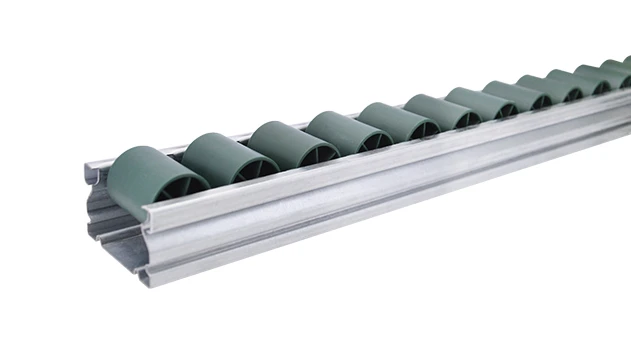
In today's fast-paced manufacturing world, sustainability isn't just a buzzword—it's a necessity. As industries strive to reduce their carbon footprint and adopt eco-friendly practices, every component in the production line plays a crucial role. One such component that's making waves in green manufacturing is the 60 Steel Roller Track. This versatile piece of equipment is not only integral to efficient material handling but also embodies the principles of eco-conscious production. Let's take a deep dive into the green manufacturing process behind 60 Steel Roller Track and how it's shaping a more sustainable future for industries worldwide.
What is 60 Steel Roller Track?
60 Steel Roller Track is a robust, high-performance component used in material handling systems across various industries. It's designed to facilitate smooth movement of goods, parts, and products along assembly lines, warehouses, and distribution centers. Made from durable steel, this roller track is known for its strength, longevity, and ability to handle heavy loads. But what sets it apart from traditional roller tracks is its commitment to sustainability—from the materials used to the way it's produced. Whether it's part of a flow rack in a 3C assembly plant or a conveyor system in a medical device factory, 60 Steel Roller Track is built to last, reducing the need for frequent replacements and minimizing waste.
Its design features precision-engineered rollers that glide effortlessly, reducing friction and energy consumption. The 60mm width makes it suitable for a wide range of applications, from small parts handling to heavy pallet movement. This adaptability means it can be integrated into almost any material handling system, making it a go-to choice for manufacturers looking to optimize their operations while staying green.
Green Material Selection: The Foundation of Sustainability
The journey to a green 60 Steel Roller Track starts with material selection. Instead of relying solely on virgin steel, manufacturers prioritize recycled steel with a high percentage of post-consumer content. This choice significantly reduces the environmental impact of mining raw materials and cuts down on carbon emissions. For instance, using recycled steel can lower CO2 emissions by up to 25% compared to virgin steel production. Additionally, the steel is sourced from suppliers who follow strict environmental standards, ensuring that every batch meets eco-friendly criteria.
But it's not just about recycled content. The steel is also tested for its environmental footprint, including water usage and waste generation during production. Suppliers are required to provide detailed reports on their sustainability practices, from energy efficiency in their mills to waste management protocols. This rigorous selection process ensures that the materials used in 60 Steel Roller Track are as green as possible, laying the foundation for a product that's not just functional but also kind to the planet.

Sustainable Production Process: From Raw Material to Finished Product
Once the materials are selected, the production process kicks off with precision cutting. Traditional cutting methods often result in high material waste and energy consumption, but green manufacturing uses advanced CNC laser cutters. These machines optimize the layout of steel sheets (a process called nesting) to minimize scrap, reducing waste by up to 40%. Moreover, laser cutters are more energy-efficient than older saws, saving around 15% of energy per unit produced. The precision of laser cutting also ensures that each piece is exactly the right size, reducing the need for post-production adjustments and further minimizing waste.
Next comes forming and shaping. Instead of using hot rolling, which requires high temperatures and emits harmful fumes, green manufacturing employs cold forming technology. Cold forming uses mechanical pressure to shape the steel without heating it, resulting in lower energy use (up to 30% less) and zero toxic emissions. This process not only saves energy but also preserves the integrity of the steel, making the roller track stronger and more durable. The absence of heat means no harmful fumes are released during production, improving air quality in the factory and reducing the carbon footprint of the product. Additionally, cold forming allows for more precise shapes, ensuring that each roller track meets exact specifications.
Surface treatment is another critical step in the green process. Traditional solvent-based paints release volatile organic compounds (VOCs) that harm the environment and human health. To avoid this, manufacturers use water-based green powder coating. This eco-friendly coating is applied electrostatically and then cured under heat, creating a hard, protective layer. Unlike solvent-based paints, which evaporate into the air as VOCs, powder coating doesn't release any toxic chemicals. Any excess powder that doesn't adhere to the roller track can be collected and reused, making the process almost zero-waste. The result is a finish that's not only eco-friendly but also more resistant to chipping, scratching, and corrosion, ensuring the roller track lasts longer and performs better over time.
The final assembly stage follows lean principles. Lean assembly lines are designed to minimize waste, optimize workflow, and reduce energy consumption. Reusable jigs and fixtures are used instead of disposable ones, and workers follow standardized processes to ensure efficiency. This lean approach not only speeds up production but also cuts down on unnecessary energy use and material waste, aligning perfectly with the sustainability goals of the 60 Steel Roller Track. Assembly workers are trained in green practices, from reducing energy use in their stations to properly recycling any waste generated during the process.
| Process Step | Traditional Manufacturing | Green Manufacturing Approach | Key Eco-Benefits |
|---|---|---|---|
| Material Sourcing | Virgin steel with high carbon footprint | Recycled steel (30% post-consumer content) | Reduces mining impact; cuts CO2 emissions by 25% |
| Precision Cutting | Older saws; 20% material waste | CNC laser cutters with nesting; 5% waste | Saves 15% energy; reduces waste by 40% |
| Forming & Shaping | Hot rolling; high energy/emissions | Cold forming; room-temperature processing | Cuts energy use by 30%; eliminates toxic fumes |
| Surface Treatment | Solvent-based paints; VOC emissions | Water-based powder coating; zero VOCs | Protects air quality; 95% powder reuse rate |
| Assembly | Manual assembly; disposable tools | Lean lines; reusable jigs | Reduces energy use by 10%; minimizes waste |

Quality Control: Ensuring Longevity for Sustainability
Quality control is a cornerstone of green manufacturing for 60 Steel Roller Track. Why? Because a product that lasts longer reduces the need for replacements, which in turn minimizes waste. Manufacturers conduct rigorous tests to ensure that every roller track meets high standards of strength, durability, and performance. These tests include load-bearing checks, corrosion resistance assessments, and wear tests under simulated real-world conditions.
For example, each roller track is subjected to a 10,000-cycle wear test to ensure it can handle continuous use without degradation. Corrosion resistance tests involve exposing the track to harsh environments (like high humidity or chemical exposure) to verify the durability of the powder coating. By ensuring that each unit is built to last, manufacturers help customers reduce their environmental footprint by avoiding frequent purchases and disposals. This focus on longevity is a key part of the sustainable ethos behind 60 Steel Roller Track.
Moreover, quality control extends beyond the product itself. Manufacturers monitor their production processes for energy efficiency and waste reduction, making continuous improvements to minimize their environmental impact. This commitment to quality and sustainability ensures that every 60 Steel Roller Track is not just a high-performing component but also a responsible choice for the planet.
Integration with Lean Systems: Boosting Efficiency and Reducing Waste
60 Steel Roller Track isn't just a standalone product—it's an integral part of lean systems. Lean manufacturing emphasizes waste reduction, efficiency, and continuous improvement, and this roller track fits right in. For example, it's often used in flow racks to create smooth, efficient material flow, reducing the time and energy spent on moving goods. It also works seamlessly with conveyors and aluminum profiles to build flexible production lines that adapt to changing needs.
This flexibility is a game-changer. Instead of tearing down and rebuilding entire lines when production needs change, manufacturers can adjust the layout using existing components. For instance, a 3C assembly plant might reconfigure their flow racks using 60 Steel Roller Track to accommodate a new product line, reducing waste and saving resources. This adaptability not only cuts costs but also reduces the environmental impact of production changes.
Another way 60 Steel Roller Track supports lean systems is through its role in just-in-time (JIT) production. JIT aims to produce goods only when needed, reducing inventory and waste. The smooth movement of parts along 60 Steel Roller Track ensures that materials arrive at the right place at the right time, supporting JIT principles and minimizing overproduction. This integration of lean systems and green manufacturing creates a powerful combination that benefits both businesses and the environment.
Applications in Eco-Conscious Industries
The eco-friendly 60 Steel Roller Track finds applications in a wide range of industries that prioritize sustainability. Let's look at a few key sectors:
3C Assembly Industry
In consumer electronics factories (like those producing smartphones, laptops, and tablets), 60 Steel Roller Track is used in flow racks and conveyors to move parts along assembly lines. Its durability and smooth operation help maintain efficient production while reducing waste. For example, a leading smartphone manufacturer switched to 60 Steel Roller Track and saw a 20% reduction in material handling waste, thanks to the track's long lifespan and minimal maintenance needs.
Medical Device Manufacturing
Medical facilities require sterile, reliable material handling systems. The corrosion-resistant powder coating of 60 Steel Roller Track ensures that the tracks remain sterile and free from contamination, which is critical in medical production. Moreover, the use of recycled steel aligns with the medical sector's focus on environmental responsibility. A medical device company reported a 15% reduction in their carbon footprint after integrating 60 Steel Roller Track into their conveyor systems.
Warehousing and Logistics
Warehouses use 60 Steel Roller Track in sorting systems and distribution lines to handle packages and goods. Its strength and longevity ensure that it can withstand the rigors of daily use, reducing the need for frequent maintenance and replacements. A large logistics company found that using 60 Steel Roller Track reduced their annual maintenance costs by 30% and cut waste from track replacements by 50%.
Automotive Industry
Car manufacturers rely on 60 Steel Roller Track in their assembly lines to move parts from one station to another. Its integration with lean systems helps optimize production, cut waste, and reduce energy consumption. An automotive plant reported a 10% reduction in energy use in their material handling department after switching to 60 Steel Roller Track.
In each of these industries, 60 Steel Roller Track plays a vital role in creating sustainable, efficient operations that contribute to a greener planet. Its versatility and eco-friendly design make it a top choice for companies looking to balance productivity with environmental responsibility.
Conclusion: Building a Greener Future with 60 Steel Roller Track
The green manufacturing process of 60 Steel Roller Track is a testament to how industries can balance functionality with sustainability. From using recycled materials to adopting energy-efficient production techniques, every step is designed to minimize environmental impact. This roller track isn't just a component—it's a symbol of the shift towards eco-friendly manufacturing practices.
As more industries embrace sustainability, products like 60 Steel Roller Track will continue to play a key role in building a better, greener future. Its durability, efficiency, and eco-friendly design make it a responsible choice for businesses looking to reduce their carbon footprint while maintaining high levels of productivity. Whether you're in 3C assembly, medical devices, or logistics, choosing 60 Steel Roller Track means choosing a product that's good for your business and good for the planet.
The journey towards sustainability is ongoing, and 60 Steel Roller Track is at the forefront of this movement. By prioritizing green materials, efficient production processes, and lean integration, manufacturers are setting a new standard for eco-conscious manufacturing. As we look to the future, it's clear that products like 60 Steel Roller Track will be essential in creating a more sustainable world for generations to come.