- Company Articles
- Products and Technology
- Product knowledge
- 60 Steel Roller Track Grey Coating vs. Powder-Coated Alternatives: Pros & Cons

60 Steel Roller Track Grey Coating vs. Powder-Coated Alternatives: Pros & Cons
Related Product
60 Steel Roller Track Grey
The roller track can be installed with multiple accessories to create different slopes and configurations of flow racks.All steel conveyor 60 roller track accessories are engineered to perfectly fit the sliding rail.
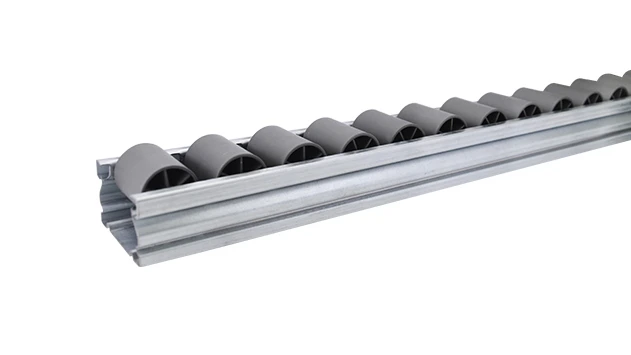
60 Steel Roller Track Grey Coating vs. Powder-Coated Alternatives: Pros & Cons
In the fast-paced world of manufacturing and logistics, every component in your workflow matters—right down to the roller tracks that keep materials moving smoothly. For businesses relying on lean systems to optimize operations, choosing the right coating for 60 steel roller tracks is a decision that affects everything from cost to productivity. Today, we're diving deep into two popular options: grey coating and powder-coated alternatives. We'll break down their pros, cons, ideal use cases, and real-world applications to help you make an informed choice for your team.
1. What Is 60 Steel Roller Track, Anyway?
Before we get into coatings, let's make sure we're on the same page about the product itself. 60 steel roller track is a common component used in material handling systems—think flow racks for picking items, conveyors for moving parts along assembly lines, and storage systems for organizing inventory. It's called "60" because of its width (usually 60mm, though specs can vary slightly), and it's made from steel for strength and durability. This track is a workhorse in industries like automotive, 3C assembly, and warehousing, where smooth material flow is key to keeping operations running efficiently.
2. Grey Coating for 60 Steel Roller Track: Pros, Cons, and Ideal Uses
2.1 What Exactly Is Grey Coating?
Grey coating for 60 steel roller tracks typically refers to a basic protective finish—often a galvanized layer with grey passivation treatment or a water-based grey paint. It's designed to provide a balance between cost and corrosion resistance, making it a popular choice for businesses looking for an affordable yet functional solution.
2.2 Pros of Grey Coating
Let's start with the positives. Grey coating has several advantages that make it a go-to option for many teams:
Cost-Effectiveness:
One of the biggest draws of grey coating is its low price tag. Compared to powder-coated alternatives, grey coated 60 steel roller tracks are usually 15-25% cheaper, which adds up quickly when you're buying large quantities for a warehouse or production line.
Easy Maintenance:
If a grey coated track gets chipped, fixing it is simple—just grab a can of grey touch-up paint and apply it to the affected area. No need for specialized equipment or professional help, which saves time and money.
Good Corrosion Resistance for General Environments:
For dry or slightly humid warehouses, grey coating does a solid job of preventing rust. It's perfect for storing non-sensitive items like office supplies, packaging materials, or light automotive parts.
Industrial Aesthetics:
Grey is a neutral color that fits seamlessly into most industrial settings. It doesn't stand out, which is ideal for businesses that want their workflow components to blend in rather than draw attention.
Suitable for Light to Medium Loads:
Grey coated tracks can handle loads up to 500kg per meter (depending on the track design), making them a good fit for light assembly lines or general storage areas.
2.3 Cons of Grey Coating
While grey coating is great for many uses, it's not perfect. Here are some of its drawbacks:
Limited Durability:
Grey coating isn't as tough as powder coating. It can scratch easily if exposed to heavy metal parts or sharp objects, and chips are common if the track is hit by a heavy pallet or cart.
Poor Resistance to Harsh Environments:
If your workflow involves wet areas, strong chemicals, or extreme temperatures, grey coating won't hold up well. It can rust quickly in damp conditions, and strong cleaning agents can strip the finish off entirely.
Shorter Lifespan:
In general use, grey coated tracks last about 2-3 years before needing replacement. In harsh environments, that lifespan can drop to just 1-2 years—meaning more frequent downtime for repairs and replacements.
Low UV Resistance:
If your tracks are exposed to direct sunlight (like in an outdoor storage area), grey coating can fade over time, losing its protective properties and aesthetic appeal.
2.4 Ideal Use Cases for Grey Coating
So when should you choose grey coating for your 60 steel roller tracks? Here are some scenarios where it's the best option:
- General warehouses storing non-sensitive items.
- Light assembly lines for products like toys or small electronics.
- Office supply storage areas.
- Environments with low humidity and no exposure to chemicals.
3. Powder-Coated Alternatives: A Closer Look at the Premium Option
3.1 What Is Powder Coating?
Powder coating is a high-quality finish that involves applying an electrostatically charged powder to the steel track and then curing it in an oven. The result is a hard, durable layer that's far more resistant to damage than traditional paint or grey coating.
3.2 Pros of Powder-Coated Alternatives
Powder coating is the premium choice for a reason—here are its key advantages:
Superior Durability:
Powder-coated tracks are scratch-resistant and chip-resistant, even when exposed to heavy impacts. They can handle being scraped by metal parts or hit by heavy carts without showing any signs of damage.
Excellent Corrosion Resistance:
This is one of the biggest benefits of powder coating. It provides a barrier against water, chemicals, and salt—making it ideal for wet warehouses, medical device areas, or automotive plants where salt is used for de-icing.
Longer Lifespan:
Powder-coated tracks can last 5-7 years (or longer) with proper maintenance. That means fewer replacements and less downtime for your business.
High UV Resistance:
Unlike grey coating, powder-coated tracks don't fade in direct sunlight. They're perfect for outdoor storage areas or production lines with large windows.
Wide Range of Finishes:
While we're comparing to grey coating, powder coating offers a variety of finishes—matte, glossy, or textured. You can even choose different colors to match your brand or workflow needs.
3.3 Cons of Powder-Coated Alternatives
Powder coating isn't without its downsides. Here are some things to consider:
Higher Initial Cost:
Powder-coated tracks are more expensive than grey coated ones—usually 20-30% higher. This can be a barrier for small businesses or teams working with tight budgets.
Harder Maintenance:
If a powder-coated track gets damaged, fixing it isn't as easy as touching up with paint. You need to sand the affected area, apply a new layer of powder, and cure it in an oven—something most businesses can't do in-house.
Longer Lead Time:
Powder coating takes longer to apply than grey coating. The curing process requires time in an oven, so you'll have to wait longer to get your tracks delivered.
3.4 Ideal Use Cases for Powder-Coated Alternatives
Powder coating is the best choice for businesses that need durability and performance. Here are some scenarios where it's worth the investment:
- Heavy production lines for automotive parts or medical devices.
- Wet or chemical-rich environments (like food processing plants or cleaning product factories).
- Outdoor storage areas exposed to sunlight or rain.
- Areas with high traffic or heavy loads (like conveyors moving large machinery parts).
4. Head-to-Head Comparison: Grey Coating vs. Powder-Coated Alternatives
Factor
Grey Coating
Powder-Coated Alternatives
Durability
Moderate (resists light scratches)
High (scratch and chip-resistant)
Corrosion Resistance
Good (dry/general environments)
Excellent (wet/chemical/harsh environments)
Initial Cost
Lower (15-25% cheaper)
Higher (20-30% more expensive)
Lifespan
2-3 years (general use)
5-7 years (or longer)
Maintenance
Easy (touch-up with paint)
Harder (needs re-powdering)
Impact Resistance
Low (chips easily)
High (handles heavy impacts)
Chemical Resistance
Low (not for strong chemicals)
High (resists most chemicals)
UV Resistance
Low (fades in sunlight)
High (no fading)
Ideal Use Cases
Light assembly lines, general warehouses
Heavy production lines, medical device areas
5. How to Choose the Right Coating for Your Business
Choosing between grey coating and powder coating isn't a one-size-fits-all decision. Here are some key factors to consider:
5.1 Assess Your Operational Environment
First, think about where your tracks will be used. Is the area dry or wet? Are there any chemicals involved? If you're working in a harsh environment, powder coating is the way to go. For general use, grey coating is sufficient.
5.2 Consider Load Requirements
How heavy are the items you're moving? If you're handling light to medium loads, grey coating works. For heavy loads or high traffic areas, powder coating is better.
5.3 Budget Constraints
If you're on a tight budget, grey coating is the more affordable option. But remember: powder coating may save you money in the long run because it lasts longer.
5.4 Maintenance Capacity
Do you have the resources to handle re-powdering repairs? If not, grey coating is easier to maintain. If you can afford professional repairs, powder coating is worth the investment.
5.5 Aesthetic Preferences
Do you need a specific color or finish? Powder coating offers more options, but grey coating is perfect if you want a neutral look.
6. Real-World Case Studies: Grey Coating vs. Powder Coating in Action
6.1 Case Study 1: Automotive Parts Warehouse Chooses Grey Coating
A mid-sized automotive parts warehouse in Guangdong needed to upgrade their flow racks to handle more parts. They had a tight budget and didn't need anything fancy—just a functional solution that would keep their parts moving smoothly. After researching, they chose grey coated 60 steel roller tracks.
Two years later, the tracks are still in good shape. The warehouse manager says: "We clean them once a month with a damp cloth, and there's no sign of rust or major chipping. The grey coating has been perfect for our needs—we didn't want to overspend, and these tracks have done exactly what we needed them to do."
6.2 Case Study 2: Medical Device Plant Opts for Powder Coating
A medical device manufacturer in Suzhou uses conveyors to move surgical instruments along their assembly line. The line requires daily cleaning with strong disinfectants, so corrosion resistance was a top priority. They chose powder-coated 60 steel roller tracks.
Five years later, the tracks are still going strong. The quality control manager notes: "We can't afford downtime from track repairs, so the durability of powder coating was non-negotiable. It's been five years, and we haven't had to replace any tracks yet. The powder coating resists our cleaning agents perfectly—no peeling or rust at all."
6.3 Case Study3: 3C Assembly Plant Mixes Both Coatings
A 3C assembly plant in Shenzhen wanted to balance cost and performance. They decided to test both grey coated and powder-coated tracks: grey coated on their flow racks for storing small components, and powder-coated on their main conveyors for moving finished products.
After a year of testing, the results were clear. The grey coated tracks on the flow racks showed minimal wear, while the powder-coated tracks on the conveyors had zero scratches or chips. The plant engineer says: "This mix is a lean solution that works for us. We don't need the extra durability on the flow racks, but the conveyors get so much use that powder coating is worth every penny. It's helped us reduce downtime and keep our assembly line running smoothly."
7. How Coating Choice Aligns with Lean System Principles
For businesses using lean systems to optimize operations, the right coating choice is more than just a technical decision—it's a strategic one. Lean manufacturing focuses on reducing waste and improving flow, and a track that breaks down frequently is a waste of time and resources.
Grey coating is a good fit for lean systems in general environments because it's affordable and easy to maintain. It helps keep costs low, which aligns with the lean goal of eliminating unnecessary expenses. However, in heavy-use areas, grey coating can lead to downtime—something that goes against lean principles.
Powder coating, on the other hand, is perfect for lean systems in harsh environments. Its long lifespan and durability mean fewer replacements and less downtime, which helps keep your workflow smooth and uninterrupted, aligning perfectly with the lean goal of continuous improvement.
For many businesses, a mix of both coatings is the ultimate lean solution. Using grey coating in low-use areas and powder coating in high-use areas balances cost and performance, helping you get the most out of your investment while staying true to lean principles.
8. Common Myths About Roller Track Coatings Debunked
Myth1: Grey Coating Is Always Cheaper Than Powder Coating
Truth: While grey coating is usually cheaper, some high-quality grey coatings (like galvanized with grey passivation) can be close in price to basic powder coatings. It's important to compare prices based on the specific type of coating you're considering.
Myth2: Powder Coating Is Only for Colorful Finishes
Truth: Powder coating can be applied in neutral colors like grey, black, or white. In fact, many businesses choose powder-coated grey tracks for their durability and aesthetic appeal.
Myth3: Grey Coating Can't Handle Heavy Loads
Truth: Grey coated tracks can handle medium loads (up to 500kg per meter) if they're properly designed. They're just not as durable as powder-coated tracks in heavy-wear areas.
Myth4: Powder Coating Repairs Are Impossible
Truth: While major repairs require re-powdering, small scratches can be fixed with touch-up paint. It's not ideal, but it's a temporary solution until you can get the track re-powdered.
9. Final Recommendations
At the end of the day, the right coating choice depends on your business's unique needs. Here are our final recommendations:
- If you're on a tight budget and working in a general environment: Choose grey coating.
- If you need durability and performance in harsh environments: Choose powder coating.
- If you want to balance cost and performance: Mix both coatings—grey for low-use areas, powder for high-use areas.
No matter which option you choose, remember that the right roller track coating is an investment in your business's productivity and efficiency. By making an informed decision, you can keep your workflow running smoothly and reduce unnecessary costs.
10. Conclusion
60 steel roller tracks are a critical component in modern manufacturing and logistics, and choosing the right coating is a decision that affects your bottom line. Grey coating is an affordable option for general use, while powder coating is a premium choice for harsh environments and heavy loads. By considering your operational environment, load requirements, budget, and maintenance capacity, you can choose the coating that's best for your business.
Whether you opt for grey coating or powder coating, the key is to align your choice with your lean system goals. A well-chosen coating will help you reduce waste, improve efficiency, and keep your workflow running smoothly—all essential for success in today's competitive market.