- Company Articles
- Products and Technology
- Product knowledge
- 60 Steel Roller Track Grey vs. Aluminum Tracks: Which Material Fits Your Needs?

60 Steel Roller Track Grey vs. Aluminum Tracks: Which Material Fits Your Needs?
Related Product
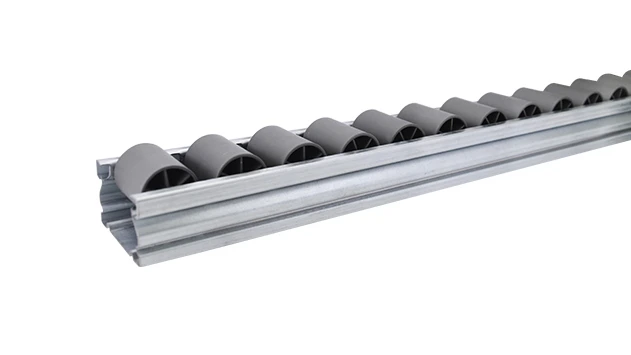
60 Steel Roller Track Grey
The roller track can be installed with multiple accessories to create different slopes and configurations of flow racks.All steel conveyor 60 roller track accessories are engineered to perfectly fit the sliding rail.
If you've ever walked through a busy factory floor or a bustling warehouse, you know how critical smooth material flow is to keeping operations on track. A stuck roller track can slow down an entire production line, leading to missed deadlines and wasted resources. That's where roller tracks come in—they're the unsung heroes of lean systems, ensuring parts and products move seamlessly from one station to the next. But with so many options available, choosing the right track material can feel overwhelming. Today, we're diving deep into two popular choices: the 60 Steel Roller Track Grey and aluminum tracks. By the end of this article, you'll have all the info you need to pick the perfect track for your unique needs.
What Are Roller Tracks & Their Role in Lean Systems?
Before we jump into the comparison, let's take a step back to understand why roller tracks matter in the context of lean systems. Lean manufacturing is all about eliminating waste and optimizing efficiency—and roller tracks are a core component of this philosophy. They enable just-in-time (JIT) delivery of materials, reduce the need for manual handling, and ensure that every part is exactly where it needs to be, when it needs to be there.
Roller tracks are used in a variety of applications, from flow racks that hold components for assembly lines to conveyors that transport finished products. They're versatile, durable, and designed to stand up to the rigors of daily use in manufacturing environments. Whether you're running a 3C assembly line or a medical equipment factory, the right roller track can make a world of difference in your operations.
60 Steel Roller Track Grey: The Heavy-Duty Workhorse
Let's start with the 60 Steel Roller Track Grey. As the name suggests, this track is made from steel and coated in a grey finish that adds an extra layer of protection against corrosion and wear. It's built to handle heavy loads—think pallets of automotive parts, bulky warehouse items, or large medical equipment components.
One of the biggest advantages of the 60 Steel Roller Track Grey is its durability. Steel is inherently strong, so this track can withstand constant use and heavy impacts without bending or breaking. The grey coating also makes it easy to clean—just wipe it down with a damp cloth to remove dust or debris, which is a big plus for environments where cleanliness is important (like food processing or medical supply warehouses).
Another key benefit is its cost-effectiveness. While the initial investment might be slightly higher than some aluminum options, the long-term value is hard to beat. This track requires minimal maintenance, and its lifespan is significantly longer than lighter materials. For businesses that deal with heavy loads on a daily basis, the 60 Steel Roller Track Grey is a smart choice that will pay off over time.
Where does this track shine? It's ideal for industries like automotive manufacturing, where parts are often heavy and bulky. It's also perfect for warehouses that store large pallets or containers, as it can handle the weight without compromising performance. Pair it with a sturdy material rack or a turnover trolley, and you've got a system that can keep your operations running smoothly for years to come.

Aluminum Tracks: The Lightweight & Flexible Option
Now, let's turn our attention to aluminum tracks. Unlike steel, aluminum is lightweight, making it easy to install and reconfigure—two traits that align perfectly with the flexibility of lean systems. Aluminum tracks come in a variety of sizes and finishes, including the 60 Aluminum Roller Track Grey and 40 Aluminum Roller Track Grey, so you can find the right fit for your needs.
One of the standout features of aluminum tracks is their corrosion resistance. Aluminum naturally forms a protective oxide layer that prevents rust, so it's a great choice for environments with high moisture or humidity (like food processing plants or coastal warehouses). Many aluminum tracks also have ESD (Electrostatic Discharge) properties, which are essential for ESD workstations. If you're in the 3C assembly industry, where static electricity can damage sensitive electronic components, an ESD-safe aluminum track is a must-have.
Another advantage is their versatility. Aluminum tracks are easy to cut and modify, so you can adjust them to fit your specific layout. This flexibility is key for lean manufacturing, where processes are constantly being optimized and improved. Whether you need to add a new section to your conveyor line or reconfigure a flow rack, aluminum tracks make it simple.
Where are aluminum tracks most useful? They're a top pick for industries like 3C assembly, where precision and ESD protection are critical. They're also great for medical equipment manufacturing, as they're easy to clean and resistant to corrosion. For businesses that value flexibility and need to adapt quickly to changing production needs, aluminum tracks are an excellent choice.
Popular Aluminum Track Options
- 60 Aluminum Roller Track Grey: Balances strength and lightweight design, suitable for medium to heavy loads in automotive and electronics factories.
- 40 Aluminum Roller Track Grey: Perfect for light to medium loads, often used in flow racks for small components or ESD workstations.
- 38 Aluminum Roller Track Black ESD: Specifically designed for ESD-sensitive environments, ideal for 3C assembly lines handling delicate electronics.

Head-to-Head Comparison: 60 Steel Roller Track Grey vs. Aluminum Tracks
| Aspect | 60 Steel Roller Track Grey | Aluminum Tracks |
|---|---|---|
| Load Capacity | High (handles up to 500kg per meter) | Medium to High (200-400kg per meter, varies by size) |
| Weight | Heavy (requires tools for installation/reconfiguration) | Lightweight (easy to handle manually) |
| Corrosion Resistance | Good (grey coating protects against rust) | Excellent (natural oxide layer prevents corrosion) |
| ESD Compatibility | Limited (most steel tracks lack ESD properties) | Yes (many options are ESD-safe for sensitive components) |
| Maintenance | Low (wipe clean, no rust to treat) | Very Low (no rust, easy to sanitize) |
| Cost | Higher initial cost; lower long-term cost (longer lifespan) | Lower initial cost; slightly higher long-term cost (if used for heavy loads) |
| Flexibility | Less flexible (fixed layout, hard to modify) | Highly flexible (easy to cut, reconfigure, and relocate) |
| Ideal Applications | Automotive, warehousing, construction (heavy loads) | 3C assembly, medical equipment, ESD workstations (light/medium loads) |
How to Choose the Right Track for Your Needs
By now, you have a clear picture of the strengths and weaknesses of both track materials. Here's a step-by-step guide to help you make the right choice:
- Assess Load Requirements: Calculate the average and peak weight of materials you'll be moving. For loads over 400kg per meter, go with 60 Steel Roller Track Grey. For lighter loads or ESD-sensitive items, aluminum is better.
- Check Environment Conditions: If your facility has high moisture or humidity, aluminum's corrosion resistance is non-negotiable. For dry, heavy-load environments, steel is more practical.
- ESD Needs: If you work with electronics (like 3C assembly), ESD-safe aluminum tracks are essential to protect components from static damage.
- Long-Term Cost Analysis: Steel tracks have a higher upfront cost but last longer. Aluminum tracks are cheaper initially but may need replacement sooner if used for heavy loads.
- Flexibility Needs: If your production line changes frequently (e.g., new product launches), aluminum's ease of reconfiguration will save time and money.
Real-World Applications
Let's look at how these tracks perform in real industry settings:
- Automotive Manufacturing: A leading car manufacturer uses 60 Steel Roller Track Grey in its warehouse to move engine blocks and transmission parts. The track's durability handles the heavy loads, and the grey coating keeps it clean in the factory environment.
- 3C Assembly: A smartphone factory uses 38 Aluminum Roller Track Black ESD in its ESD workstations. The ESD properties protect sensitive circuit boards, and the lightweight design allows quick reconfiguration for new phone models.
- Medical Equipment: A medical device company uses 60 Aluminum Roller Track Grey in its flow racks. The corrosion resistance ensures the tracks stay sterile, and the flexibility lets the company adjust layouts for new equipment production.
Conclusion
Choosing the right roller track is a critical decision that impacts your lean system's efficiency and productivity. The 60 Steel Roller Track Grey is a heavy-duty workhorse perfect for high-load environments like automotive manufacturing and warehousing. Aluminum tracks, on the other hand, offer lightweight flexibility and ESD protection, making them ideal for 3C assembly and medical equipment production.
Remember, the best choice depends on your unique needs—load capacity, environment, ESD requirements, and long-term goals. If you're still unsure, consider custom solutions tailored to your specific industry. Whether you need a track for a fixed warehouse layout or a flexible assembly line, the right material will help you optimize your operations and achieve lean manufacturing success.