- Company Articles
- Products and Technology
- Product knowledge
- 60 Steel Roller Track Grey vs. Stainless Steel Tracks: Application Scenarios Compared

60 Steel Roller Track Grey vs. Stainless Steel Tracks: Application Scenarios Compared
Related Product
60 Steel Roller Track Grey
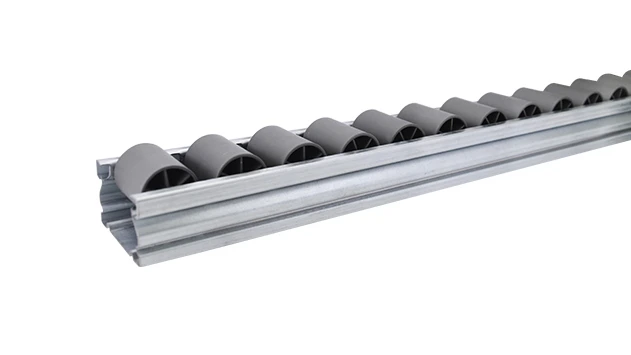
The roller track can be installed with multiple accessories to create different slopes and configurations of flow racks.All steel conveyor 60 roller track accessories are engineered to perfectly fit the sliding rail.
In the fast-paced world of manufacturing and logistics, every component in your workflow matters—especially the ones that keep materials moving smoothly. Roller tracks are the unsung heroes of efficient material handling, forming the backbone of flow racks, conveyors, and lean production lines. Today, we're diving deep into two popular options: the 60 Steel Roller Track Grey and Stainless Steel Tracks. By the end of this article, you'll know exactly which track fits your specific needs, whether you're setting up a new lean solution or upgrading an existing system.
Understanding the 60 Steel Roller Track Grey
The 60 Steel Roller Track Grey is a workhorse in many industrial settings, designed for reliability and cost-effectiveness. Let's break down its key features:
Material & Construction
Made from high-quality cold-rolled steel with a matte grey powder coating, this track is built to withstand regular use in busy environments. The grey finish isn't just aesthetic—it adds a layer of protection against minor scratches, scuffs, and oil stains, keeping the track looking clean even after months of heavy operation. Each roller is precision-machined from hardened steel, then polished to ensure a smooth, friction-free roll. The track's frame is engineered with standard mounting holes, making it easy to attach to flow racks or conveyors without custom modifications.
Key Benefits
- Cost-Effective: Compared to stainless steel alternatives, the 60 Steel Roller Track Grey is up to 30% more budget-friendly, making it ideal for small to medium businesses or projects where cost is a primary concern.
- Versatile Load Capacity: It handles light to medium loads (up to 150 kg per meter) with ease, perfect for boxes, bins, and small parts common in 3C assembly or light manufacturing.
- Lean Pipe Compatibility: It integrates seamlessly with lean pipe systems, working well with lean pipe clamps and joints to create custom flow racks or workstations—supporting the "reusable and sustainable" lean.
- Low Maintenance: The grey coating resists dirt buildup, so a quick wipe with a damp cloth is all it takes to keep it clean. No special cleaners or rust-prevention treatments are needed in dry environments.
- Fast Installation: Designed to fit standard T-slot aluminum profiles or wooden frames, it requires minimal tools and time to set up, getting your workflow up and running quickly.
Common Preliminary Uses
You'll often find this track in dry warehouses, assembly lines for consumer electronics, and storage areas where moisture isn't a major issue. It's a go-to choice for teams looking to implement lean principles without breaking the bank.
What Are Stainless Steel Tracks?
Stainless steel tracks are the premium option in roller track systems, known for their durability and resistance to harsh conditions. Let's explore what makes them stand out:
Material & Construction
Constructed from 304 or 316 stainless steel (part of the stainless steel pipe series), these tracks are made to resist corrosion, rust, and staining. 304 stainless steel is ideal for most food and medical applications, while 316 offers enhanced resistance to saltwater and harsh chemicals. The rollers are also stainless steel, with sealed bearings to prevent water or debris from entering—ensuring long-lasting performance even under heavy loads. The track's frame is welded for strength, with a polished finish that meets hygiene standards for food and pharmaceutical industries.
Key Benefits
- Superior Corrosion Resistance: Perfect for wet environments, food processing plants, or medical device manufacturing where exposure to water, chemicals, or sanitizers is frequent. It won't rust or degrade even after repeated washdowns.
- Heavy-Duty Load Capacity: Stainless steel tracks can handle up to 300 kg per meter, making them suitable for automotive parts, large bins, or industrial equipment.
- Hygienic: The non-porous surface prevents bacteria growth and is easy to sanitize with high-temperature water or chemical cleaners—critical for industries with strict hygiene standards.
- Long Lifespan: The robust material means these tracks last up to 10 years with minimal maintenance, reducing the need for frequent replacements and saving money in the long run.
- Compliance: Meets FDA, GMP, and ISO standards for food contact and medical device manufacturing, ensuring regulatory compliance.
Common Preliminary Uses
Stainless steel tracks are a staple in food and beverage processing, medical device assembly, pharmaceutical labs, and marine environments where corrosion is a constant threat. They're also used in heavy manufacturing lines where durability is non-negotiable.

Head-to-Head: 60 Steel Roller Track Grey vs. Stainless Steel Tracks
To help you make an informed decision, let's compare the two tracks side by side:
| Feature | 60 Steel Roller Track Grey | Stainless Steel Tracks |
|---|---|---|
| Material | Cold-rolled steel with grey powder coating | 304/316 stainless steel (stainless steel pipe series) |
| Corrosion Resistance | Moderate (good for dry environments) | Excellent (resists water, chemicals, rust) |
| Load Capacity | 150 kg/m (light to medium) | 300 kg/m (heavy-duty) |
| Cost | Lower (budget-friendly) | Higher (premium investment) |
| Maintenance | Minimal (wipe clean with damp cloth) | Easy (sanitize with chemicals; no rust removal) |
| Ideal Environment | Dry, low-moisture, low-corrosion | Wet, corrosive, hygienic (food/medical) |
| Compliance | General industrial standards | FDA, GMP, ISO (food/medical) |
| Lean System Integration | Works with lean pipe systems | Compatible with stainless steel lean systems |

Application Scenarios: Where Each Track Shines
60 Steel Roller Track Grey: Best For
Let's take a closer look at the environments where this track is the perfect fit:
1. Dry Warehouses & Storage Facilities
In warehouses where moisture is rare, the 60 Steel Roller Track Grey performs exceptionally well. It's often used in flow racks for storing parts like screws, bolts, or small electronic components. The grey coating keeps it looking neat, and the smooth rollers ensure easy access to items—key for efficient inventory management. For example, a electronics manufacturer might use this track in flow racks to store phone batteries, allowing workers to pick parts quickly without fumbling.
2. Light Manufacturing Assembly Lines
For industries like consumer electronics or 3C assembly, where products are lightweight, this track is ideal. It can be integrated into conveyors that move small parts from one station to another, supporting lean production principles by reducing waste and improving workflow. A smartphone assembly line might use this track in a conveyor system to move circuit boards from the soldering station to the testing station, ensuring parts arrive on time and in order.
3. Cost-Sensitive Lean Projects
When implementing a lean solution on a tight budget, this track is a smart choice. It offers the functionality needed for lean systems without the premium price tag of stainless steel. Small businesses or startups can benefit from its affordability while still optimizing their processes. For example, a small toy manufacturer might use this track to build flow racks for storing plastic parts, reducing pick time by 20% without overspending.
4. Retail Distribution Centers
In retail, where products like clothing, toys, or household items are handled, the 60 Steel Roller Track Grey is a reliable option. It's used in sorting conveyors and pick-and-pack stations, ensuring items move quickly and smoothly through the distribution process. A clothing retailer might use this track in a conveyor system to sort shirts by size, reducing the time it takes to prepare orders for shipping.
5. Educational Institutions & Makerspaces
Makerspaces and technical schools often use this track for teaching lean principles. It's affordable enough to be used in student projects, and its compatibility with lean pipe systems allows students to build custom workstations or flow racks. A technical college might use this track in a manufacturing class to teach students how to design and build a lean assembly line.
Stainless Steel Tracks: Best For
Now, let's explore the scenarios where stainless steel tracks are the superior choice:
1. Food & Beverage Processing
Food safety is paramount here, and stainless steel tracks deliver. They're resistant to bacteria growth and easy to sanitize, making them perfect for conveyors that move food products like baked goods, fruits, or packaged meals. The corrosion resistance also handles the frequent washing required in these environments. A bakery might use stainless steel tracks in a conveyor system to move dough from the mixing station to the oven, ensuring compliance with FDA standards.
2. Medical Device Manufacturing
Medical equipment needs to be produced in sterile conditions. Stainless steel tracks are used in assembly lines for devices like syringes, surgical tools, or diagnostic equipment. Their non-porous surface prevents contamination, and they can withstand the harsh chemicals used in cleaning processes. A medical device manufacturer might use stainless steel tracks in a conveyor system to move surgical instruments through the sterilization process.
3. Pharmaceutical Labs
Pharmaceutical labs require strict adherence to hygiene standards. Stainless steel tracks are used in conveyors for moving medication bottles, vials, or packaging materials. They're easy to clean and maintain, ensuring compliance with regulatory requirements. A pharmaceutical company might use stainless steel tracks in a conveyor system to move pill bottles from the filling station to the labeling station.
4. Marine & Coastal Environments
In areas with high humidity or saltwater exposure, stainless steel tracks resist rust and corrosion. They're used in ports, shipyards, or coastal warehouses for handling goods that need to withstand the harsh marine environment. A port might use stainless steel tracks in a conveyor system to move cargo containers from the ship to the storage area, ensuring durability even in salty air.
5. Heavy-Duty Manufacturing
For industries like automotive or heavy machinery, where parts are large and heavy, stainless steel tracks offer the load capacity needed. They're used in conveyors that move engine parts, metal components, or large assemblies, ensuring durability even under constant use. An automotive manufacturer might use stainless steel tracks in a conveyor system to move engine blocks from the casting station to the assembly line.
How to Choose Between Them: Factors to Consider
Deciding between the two tracks depends on several key factors. Let's walk through them:
1. Environment
First, consider the environment where the track will be used. If it's dry and low-moisture, go with the 60 Steel Roller Track Grey. If it's wet, corrosive, or requires hygiene, stainless steel is the way to go. For example, a warehouse in Arizona (dry climate) would benefit from the grey track, while a seafood processing plant in Maine (wet, salty) needs stainless steel.
2. Load Requirements
Assess the weight of the materials you'll be moving. For light to medium loads (under 150 kg/m), the grey steel track is sufficient. For heavy loads (over 150 kg/m), stainless steel tracks are more durable and can handle the weight without bending or breaking. A furniture manufacturer moving heavy wooden frames would need stainless steel, while a stationery company moving paper boxes could use the grey track.
3. Budget
Your budget plays a big role. If cost is a priority, the 60 Steel Roller Track Grey is more affordable. If you can invest in a long-term solution, stainless steel tracks offer better value over time due to their longer lifespan. A startup with limited funds might choose the grey track, while a large corporation with a long-term plan would invest in stainless steel.
4. Compliance & Standards
Check if your industry has specific standards. For example, food processing requires FDA-compliant materials, which stainless steel meets. Medical and pharmaceutical industries also have strict guidelines that stainless steel tracks adhere to. If your business is regulated by these standards, stainless steel is the only option.
5. Maintenance Needs
Consider how much time you can spend on maintenance. Both tracks are low-maintenance, but stainless steel requires less effort since it doesn't rust. If you don't have time for regular rust checks, stainless steel is the better option. A busy warehouse with limited maintenance staff might prefer stainless steel, while a small workshop with more time could use the grey track.
Integrating Roller Tracks into Lean Systems
Both tracks play a crucial role in lean production, helping businesses reduce waste and improve efficiency. Let's see how they fit into lean systems:
Flow Racks & Kanban Systems
Flow racks are a core component of lean systems, and both tracks can be used in them. The 60 Steel Roller Track Grey is great for light parts, while stainless steel tracks handle heavier items. Kanban systems rely on easy access to parts, and both tracks ensure that items move smoothly, supporting just-in-time production. A car manufacturer might use stainless steel tracks in flow racks for storing engine parts, while a electronics manufacturer uses the grey track for small components.
Conveyors for Continuous Flow
Conveyors using these tracks help create a continuous flow of materials, reducing bottlenecks in the production line. The 60 Steel Roller Track Grey is used in light conveyors, while stainless steel tracks are for heavy-duty conveyors. This integration supports lean principles by minimizing wait times and improving productivity. A toy manufacturer might use the grey track in a conveyor system for small toys, while a heavy machinery manufacturer uses stainless steel for large parts.
Custom Lean Solutions
Whether you're designing a custom lean solution for 3C assembly or medical manufacturing, these tracks can be tailored to your needs. The 60 Steel Roller Track Grey is flexible and easy to modify, while stainless steel tracks offer durability for long-term use. Both support the "reusable and sustainable" lean emphasized by many providers. A medical device company might design a custom conveyor system using stainless steel tracks, while a startup uses the grey track to build a modular workbench.
Final Thoughts: Making the Right Choice
Choosing between the 60 Steel Roller Track Grey and Stainless Steel Tracks boils down to your specific needs. The grey steel track is affordable, versatile, and ideal for dry, light-load environments. Stainless steel tracks are durable, corrosion-resistant, and perfect for wet, heavy-load, or hygienic settings.
Both tracks are valuable components in lean systems, supporting flow racks, conveyors, and custom lean solutions. By understanding their features and application scenarios, you can select the track that will optimize your workflow, reduce costs, and help you achieve your lean production goals.
Remember, the best choice isn't just about the track itself—it's about how it fits into your overall production strategy. Whether you're a small business or a large corporation, the right roller track can make a significant difference in your efficiency and bottom line. Take the time to assess your environment, load requirements, budget, and compliance needs, and you'll find the perfect track for your business.