- Company Articles
- Products and Technology
- Product knowledge
- 60 Steel Roller Track Small Wheel Axle Material: Steel vs. Stainless Steel Options

60 Steel Roller Track Small Wheel Axle Material: Steel vs. Stainless Steel Options
Related Product
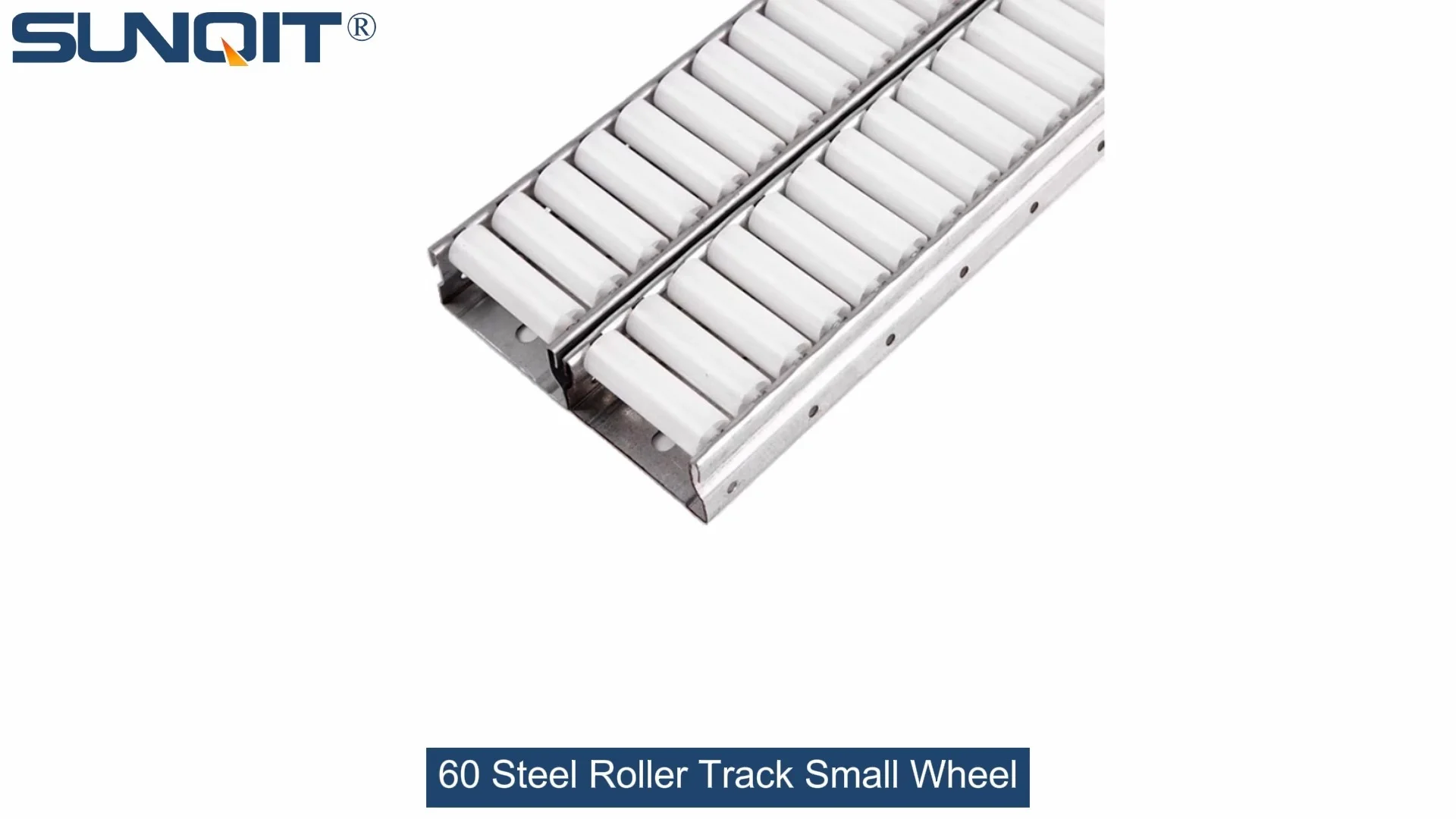
60 Steel Roller Track Small Wheel
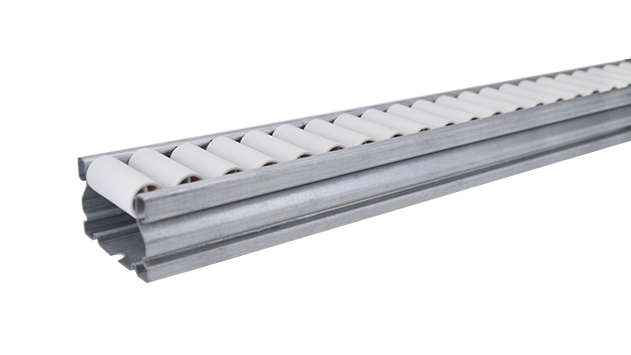
Modular system roller tracks aluminum gravity roller tracks are an excellent solution for transporting materials within industrial environments, warehouses and distribution centres.
Ever walked through a busy manufacturing plant and noticed those smooth-moving roller tracks that carry parts from one station to another? They're the unsung heroes of efficient production, keeping things flowing without a hitch. One key component of these tracks is the small wheel axle, and for the 60 Steel Roller Track, choosing between steel and stainless steel axles can make a huge difference in how well the track performs over time. Let's dive into the details of these two options, so you can pick the right one for your needs.
The axle might seem like a tiny part, but it's the backbone of the roller wheel. It holds the wheel in place, bears the weight of whatever's being transported, and ensures that the wheel spins smoothly. If the axle fails, the whole track can grind to a halt—costing time, money, and frustration. That's why getting the material right is so important.
Steel Axles: The Cost-Effective Workhorse
First up, let's talk about steel axles. These are the traditional choice for many roller tracks, and for good reason. Steel axles are made from carbon steel, which is known for its high strength and durability. Here's what you need to know:
Strength & Load Capacity
Steel axles can handle heavy loads without bending or breaking. If your production line moves bulky parts like automotive components or large parts, steel axles are a solid choice. They're built to take the pressure, so you don't have to worry about them giving out under weight. For example, a 1045 grade carbon steel axle has a tensile strength of around 600 MPa, which means it can withstand a lot of force before deforming.
Cost-Effectiveness
Steel is more affordable than stainless steel, which makes it a great option if you're working with a tight budget. For large-scale installations, using steel axles can save you a significant amount of money without compromising on performance—provided the environment is right. A typical steel axle for a 60 Steel Roller Track costs between $10 and $15, which is a fraction of the price of stainless steel.
Corrosion Considerations
The main downside of steel axles is that they're prone to rust if exposed to moisture or chemicals. If your facility is dry and doesn't have any corrosive substances around, steel axles will work just fine. But if you're in a damp area or dealing with liquids, you might need to add a protective coating (like zinc plating) to keep rust at bay. Zinc plating forms a barrier between the steel and the environment, preventing oxidation and extending the axle's lifespan.
Maintenance Needs
Steel axles require a bit more upkeep than stainless steel ones. You'll need to check for rust regularly and reapply coatings if necessary. But for many manufacturers, this extra step is worth it for the cost savings. Annual maintenance costs for steel axles are usually between $2 and $5 per axle, which includes cleaning, inspecting, and touching up coatings.
Ideal Applications
Steel axles shine in industries like automotive assembly,, and production. These environments are usually dry, and the heavy loads are perfect for steel's strength. For example, in an automotive parts plant, steel axles in roller tracks can easily carry engine components from one station to the next, keeping the line moving efficiently. They're also great for where the warehouse is dry and the loads are heavy but not exposed to moisture.
Stainless Steel Axles: Durability for Harsh Environments
Now let's look at stainless steel axles. These are the go-to choice for environments where corrosion is a concern, and they offer some unique benefits:
Corrosion Resistance
Stainless steel is designed to resist rust and corrosion, even in wet or chemical-heavy environments. This is due to the chromium content (at least 10.5%), which forms a passive oxide layer on the surface of the metal. The most common grades used for roller track axles are 304 and 316 stainless steel. 304 stainless steel offers excellent corrosion resistance in most environments, including moisture and mild chemicals. 316 stainless steel adds molybdenum, which enhances its resistance to saltwater and strong chemicals.
Durability & Longevity
Stainless steel axles are tough—they can handle heavy loads just like steel axles, but with the added bonus of being resistant to wear and tear from harsh conditions. A 304 stainless steel axle has a tensile strength of 505 MPa, which is slightly less than carbon steel but still more than enough for most applications. The real advantage is their lifespan: stainless steel axles can last 10-15 years, compared to 5-7 years for steel axles.
Low Maintenance
Since they don't rust easily, stainless steel axles require less maintenance. You won't have to worry about coating them or checking for rust regularly. All you need to do is clean them occasionally to remove dirt and debris. Annual maintenance costs are usually between $0 and $1 per axle, which is a huge saving compared to steel.
Cost Considerations
The main drawback here is cost—stainless steel axles are more expensive upfront than steel ones. A 304 stainless steel axle costs between $25 and $30, while a 316 grade costs $35-$40. But when you factor in the lower maintenance costs and longer lifespan, they might actually be more cost-effective over time. For example, a steel axle costs $12 and lasts 6 years, with annual maintenance of $3. The total cost is $12 + (6*$3) = $30. A 304 stainless steel axle costs $28 and lasts 10 years with $0 maintenance. The total cost is $28, which is cheaper.
Ideal Applications
Stainless steel axles are perfect for industries like medical device manufacturing, 3C assembly, and clean environments. For example, in a medical device plant, stainless steel axles ensure that parts are transported in a hygienic way, without the risk of rust contamination. In 3C assembly lines for smartphones, they resist corrosion from cleaning fluids and are easy to sanitize. They're also great for pharmaceutical production where harsh chemicals are used.
Comparison Table: Steel vs. Stainless Steel Axles
| Material | Corrosion Resistance | Tensile Strength | Upfront Cost (Per Axle) | Annual Maintenance Cost | Ideal Applications |
|---|---|---|---|---|---|
| Carbon Steel (1045 Grade) | Low (needs coating) | 600 MPa | $10-$15 | $2-$5 | Automotive assembly, production, |
| Stainless Steel (304 Grade) | High | 505 MPa | $25-$30 | $0-$1 | Medical device manufacturing, 3C assembly, clean environments |
| Stainless Steel (316 Grade) | Very High | 515 MPa | $35-$40 | $0-$1 | Harsh chemical environments, pharmaceutical production |

How to Choose the Right Axle Material
So, how do you decide between steel and stainless steel axles for your 60 Steel Roller Track? Let's break it down step by step:
1. Assess Your Environment
Is your facility dry, or does it have moisture, chemicals, or high humidity? If yes, stainless steel is the way to go. If it's dry, steel is a cost-effective option. For example, a warehouse with dry conditions is perfect for steel axles, while a medical device plant with cleaning fluids needs stainless steel.
2. Check Load Requirements
Both materials can handle heavy loads, but steel is slightly stronger. If you're moving extremely heavy parts (over 100kg per wheel), steel might be better—unless corrosion is an issue, in which case stainless steel is still viable but might cost more.
3. Consider Industry Standards
Some industries have strict regulations. For example, medical device manufacturing often requires stainless steel components to meet hygiene standards. Make sure to check if your industry has any specific material requirements.
4. Evaluate Long-Term Costs
Calculate the total cost of ownership over 5-10 years. Include upfront cost, maintenance, and replacement costs. Stainless steel is often cheaper in the long run due to lower maintenance and longer lifespan.
5. Think About Future Needs
If you plan to expand or modify your production line later, stainless steel's durability might make it a better choice. It can adapt to changing environments more easily than steel.
Integrating into Lean Solutions
The 60 Steel Roller Track with these axles is a key component of lean manufacturing systems. Lean systems are all about reducing waste, improving efficiency, and making processes more flexible. These roller tracks are part of flow racks, conveyors, and workstations that help create smooth, efficient production lines.
For example, in a 3C assembly line, using stainless steel axles in roller tracks ensures that the line runs smoothly without downtime due to maintenance. This aligns with the lean principle of minimizing waste. In, steel axles are cost-effective for heavy loads, helping to optimize warehouse space and improve material flow.
At szsunqit.com, we offer both steel and stainless steel axles for our 60 Steel Roller Track. Our lean solutions include flow racks, conveyors, and custom workstations that integrate these roller tracks seamlessly. Whether you need a cost-effective option for a dry warehouse or a corrosion-resistant solution for a medical plant, we have you covered.
We also provide wholesale options for all our products, including roller tracks, flow racks, and conveyors. This means you can get the components you need at a competitive price for large-scale installations. Our custom solutions are tailored to industries like 3C assembly, medical, and, ensuring that your lean system meets your specific needs.
Conclusion
Choosing between steel and stainless steel axles for your 60 Steel Roller Track comes down to your specific needs. Steel is great for dry, heavy-load environments where cost is a priority. Stainless steel is ideal for corrosive or clean environments where durability and low maintenance are key.
No matter which option you pick, the 60 Steel Roller Track is a reliable component that will help keep your production line running smoothly. And with the right axle material, you can ensure that it performs at its best for years to come.
Remember, the goal of lean manufacturing is to create efficient, flexible systems that adapt to change. By choosing the right axle material, you're taking a small but important step towards building a production line that's both effective and sustainable.
So next time you're setting up a roller track system, don't overlook the axle material. It might seem like a small detail, but it can make a huge difference in how well your entire operation runs.