- Company Articles
- Products and Technology
- Product knowledge
- 60 Steel Roller Track Small Wheel Load Capacity: How Much Weight Can It Handle?

60 Steel Roller Track Small Wheel Load Capacity: How Much Weight Can It Handle?
Related Product
60 Steel Roller Track Small Wheel
Modular system roller tracks aluminum gravity roller tracks are an excellent solution for transporting materials within industrial environments, warehouses and distribution centres.
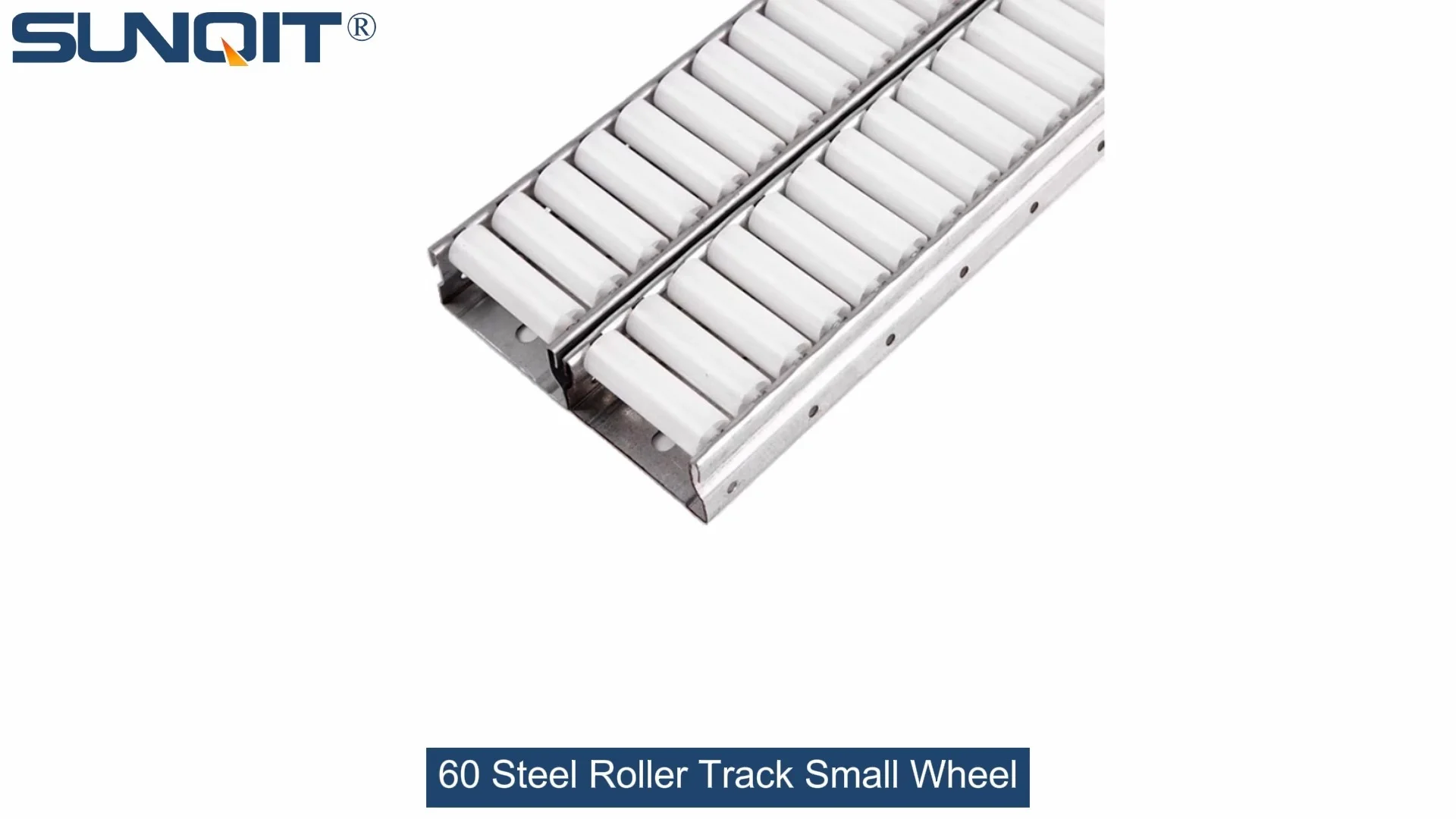
If you've ever stepped into a busy warehouse picking line or stood beside an assembly floor where parts glide seamlessly from station to station, you've seen the 60 steel roller track small wheel at work. It's one of those quiet workhorses of manufacturing and logistics—easy to overlook, but impossible to do without. But here's the thing: not all roller tracks are created equal, and knowing how much weight your 60 steel roller track small wheel can handle is critical to avoiding downtime, safety risks, and wasted resources. Today, we're going deep into this topic, covering everything from key factors that affect load capacity to real-world applications and maintenance tips.
What Exactly Is the 60 Steel Roller Track Small Wheel?
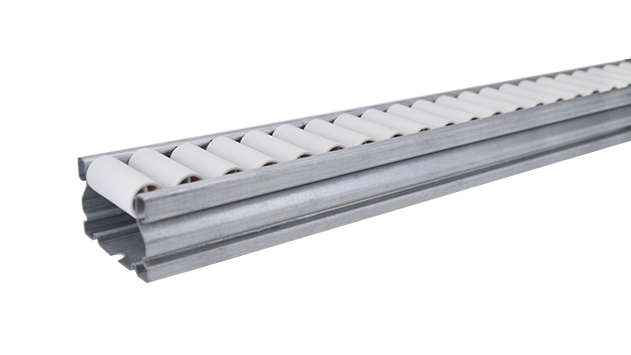
First, let's get clear on what we're talking about. The 60 steel roller track small wheel is a type of conveyor track made from high-quality steel, featuring small wheels (usually around 60mm in diameter, hence the name) spaced evenly along a metal frame. These wheels are designed to roll freely, allowing boxes, parts, or containers to slide along the track with minimal friction.
Unlike plastic or aluminum roller tracks, steel versions are built for durability and heavy loads. The small wheel design makes them ideal for applications where space is limited or where you need precise control over the movement of items—like in tight assembly lines or narrow warehouse aisles. They're also highly versatile: you can use them as standalone tracks, integrate them into conveyors, or attach them to lean pipe workbenches for added functionality.
Key Factors That Influence Load Capacity
The load capacity of a 60 steel roller track small wheel isn't a one-size-fits-all number. It depends on several factors, each of which plays a role in how much weight the track can safely support. Let's break down the most important ones:
1. Material Quality of Steel
The grade of steel used to make the roller wheels and track frame is the foundation of load capacity. High-carbon steel, for example, is stronger and more resistant to bending than low-carbon steel. This means a track made from high-carbon steel can handle heavier loads without deforming.
Another thing to consider is the surface treatment of the steel. Tracks with a galvanized or stainless steel finish are less prone to rust and corrosion, which can weaken the structure over time. Rust can eat away at the steel, reducing its load-bearing capacity and shortening the track's lifespan. So, if you're working in a humid environment (like a food processing plant or a warehouse near the coast), choosing a rust-resistant steel track is essential.
2. Wheel Size and Thickness
The size and thickness of the small wheels directly impact how much weight they can carry. A thicker wheel has more material to distribute the load, so it can handle heavier items without cracking or bending. For the 60 steel roller track small wheel, the wheel thickness typically ranges from 2mm to 5mm—thicker wheels are better for heavy-duty applications.
Wheel diameter also matters. While the 60mm diameter is standard for this type of track, some manufacturers offer slightly larger or smaller wheels. Larger wheels can roll over small debris more easily and distribute the load over a wider area, but they take up more space. Smaller wheels are better for tight spaces but may not handle as much weight. When choosing a track, make sure the wheel size matches your load requirements and available space.
3. Roller Spacing
Roller spacing refers to the distance between each small wheel on the track. This is a critical factor because it determines how many wheels are supporting the load at any given time. If the spacing is too wide, fewer wheels will be in contact with the item, putting more pressure on each wheel and increasing the risk of bending or breaking.
For example, a track with 50mm spacing between wheels will have twice as many wheels supporting a 100mm-wide box as a track with 100mm spacing. This means the 50mm spacing track can handle a heavier load. Common roller spacing options for 60 steel roller track small wheel include 50mm,75mm,100mm, and150mm. The right spacing depends on the size and weight of the items you're moving—smaller, heavier items need closer spacing, while larger, lighter items can get away with wider spacing.
4. Track Frame Structure
The frame of the roller track is just as important as the wheels. A sturdy frame made from thick steel angles or channels can support more weight than a flimsy frame made from thin metal. The frame's design also plays a role—tracks with reinforced sides or crossbars are better at handling heavy loads because they distribute the weight evenly across the entire structure.
Another thing to look at is the connection between the frame and the wheels. Wheels that are securely attached with strong axles (like steel axles instead of plastic ones) are less likely to come loose or break under heavy loads. Loose wheels can cause the load to shift, leading to accidents or damage to the items being moved.
5. Installation Method
Even the strongest roller track won't perform well if it's installed incorrectly. The track needs to be level and securely mounted to a stable surface (like a concrete floor or a heavy-duty rack). If the track is tilted or wobbly, the load will shift to one side, putting extra pressure on some wheels and reducing the overall load capacity.
For example, if you're installing the track on a flow rack, you need to make sure the rack is level and that the track is attached tightly to the rack's beams. Using the right fasteners (like bolts instead of screws) is also important—bolts provide a stronger, more secure connection than screws, which can loosen over time. If you're unsure about how to install the track correctly, it's best to consult a professional or follow the manufacturer's installation guide closely.
6. Environmental and Usage Factors
The environment where the track is used and how often it's used can also affect its load capacity. High temperatures, for example, can soften the steel, making it more prone to bending. Extreme cold can make the steel brittle, increasing the risk of cracking. If you're working in a high-temperature environment (like a foundry), you may need to choose a track made from heat-resistant steel.
Frequency of use is another factor. A track that's used 24/7 (like in a continuous production line) will wear out faster than one that's used only a few hours a day. This wear and tear can reduce the track's load capacity over time. Regular maintenance (which we'll talk about later) can help slow down this process, but it's important to factor in usage frequency when choosing a track.
Typical Load Capacity Range for 60 Steel Roller Track Small Wheel
Now that we've covered the key factors, let's talk about the actual load capacity numbers. Keep in mind that these are general estimates—your specific track's capacity may vary depending on the factors we discussed.
First, it's important to distinguish between static and dynamic load capacity. Static load capacity refers to the maximum weight the track can support when the items are not moving. Dynamic load capacity refers to the maximum weight the track can support when the items are sliding along the track. Dynamic capacity is usually lower than static capacity because the movement adds extra stress to the wheels and frame.
| Roller Spacing (mm) | Static Load Capacity per Meter (kg) | Dynamic Load Capacity per Meter (kg) | Common Application |
|---|---|---|---|
| 50 | 800-1000 | 600-800 | Heavy-duty flow racks for auto parts |
| 75 | 600-750 | 450-600 | Medium-weight conveyors for 3C assembly |
| 100 | 400-550 | 300-450 | Light-duty flow racks for small components |
| 150 | 250-350 | 180-280 | Lean pipe workbench side tracks |
Let's break down these numbers. For a track with 50mm roller spacing, the static capacity per meter is 800-1000 kg. This means if you have a 2-meter track, it can support up to 2000 kg of static load. The dynamic capacity is 600-800 kg per meter, so a 2-meter track can handle up to 1600 kg of moving load. This is ideal for heavy-duty applications like auto parts flow racks, where large, heavy boxes are stored and picked.
For a track with 150mm spacing, the static capacity is 250-350 kg per meter. This is perfect for light-duty applications like lean pipe workbench side tracks, where workers slide small parts onto the workbench. The dynamic capacity is lower, but since the items are light and moved infrequently, it's more than enough.

Real-World Applications of 60 Steel Roller Track Small Wheel
The 60 steel roller track small wheel is used in a wide range of industries, from manufacturing to logistics. Let's look at some common applications to see how load capacity plays a role:
1. Flow Racks in Warehouses
Flow racks are a staple in warehouses for order picking. They use gravity to slide boxes from the back of the rack to the front, making it easy for pickers to access items without reaching or bending. The 60 steel roller track small wheel is often used in these racks because it's durable and can handle the weight of boxes.
For example, in a warehouse that stores auto parts, flow racks with 50mm roller spacing are used to hold heavy boxes of engine parts. The static load capacity of 800-1000 kg per meter ensures that the rack can support the weight of multiple boxes stacked on top of each other. The dynamic capacity allows the boxes to slide smoothly to the front when a picker takes one from the end.
2. Conveyors in Assembly Lines
Conveyors are essential in assembly lines, where parts need to move from one station to another quickly and efficiently. The 60 steel roller track small wheel is used in many types of conveyors, including gravity conveyors and powered conveyors.
In a 3C assembly line (like a phone or laptop factory), conveyors with 75mm roller spacing are common. These conveyors move small components (like circuit boards or batteries) from one workstation to another. The dynamic capacity of 450-600 kg per meter is enough to handle the weight of these components, and the small wheels allow for precise movement—critical for assembly work where every part needs to be in the right place at the right time.
3. Lean Pipe Workbenches
Lean pipe workbenches are designed to be flexible and efficient, and adding a 60 steel roller track small wheel section to the side can make them even more useful. Workers can slide parts onto the workbench from the track without lifting heavy boxes, reducing strain and increasing productivity.
For example, in a medical device assembly plant, lean pipe workbenches with 150mm roller spacing are used. The track is attached to the side of the workbench, allowing workers to slide small medical components (like syringes or catheters) onto the bench. The static load capacity of 250-350 kg per meter is enough to hold a few boxes of components, and the dynamic capacity ensures that the parts slide smoothly onto the bench.
4. Integrated Lean Systems
Many manufacturers use the 60 steel roller track small wheel as part of their lean system setup. Lean systems focus on reducing waste and increasing efficiency, so these tracks are perfect because they can be easily integrated into existing lines or reconfigured when production needs change.
For instance, in a furniture manufacturing plant, a lean system might use these tracks on conveyors to move wooden parts from the cutting station to the assembly station. The tracks are adjustable, so if the plant starts producing a new type of furniture, the conveyor can be reconfigured to fit the new parts. The load capacity of the tracks ensures that even heavy wooden parts are moved safely and efficiently.
5. Packaging Lines
Packaging lines require precise movement of products to ensure that they are packaged correctly. The 60 steel roller track small wheel is used in these lines to move products from the assembly station to the packaging station.
In a food packaging plant, for example, these tracks are used to move boxes of snacks from the filling station to the sealing station. The rust-resistant steel finish ensures that the tracks don't contaminate the food, and the dynamic load capacity allows the boxes to slide smoothly through the packaging process. The small wheels also make it easy to adjust the track to fit different box sizes.
How to Pick the Right 60 Steel Roller Track Small Wheel for Your Needs
Choosing the right 60 steel roller track small wheel can be overwhelming, but it doesn't have to be. Here are some steps to help you make the right decision:
Step 1: Calculate Your Load Requirements
The first thing you need to do is figure out how much weight your track will need to handle. Start by calculating the weight of the heaviest item you'll be moving, then add a safety margin (usually 20-30%) to account for unexpected loads or wear and tear. For example, if the heaviest item is 500 kg, you should choose a track with a dynamic load capacity of at least 600-650 kg per meter.
Don't forget to consider whether you'll be using the track for static or dynamic loads. If you're storing items on the track (static), you'll need a higher static load capacity. If you're moving items (dynamic), focus on the dynamic load capacity.
Step 2: Consider Your Application
The application will determine the type of track you need. For example, if you're using the track in a flow rack, you'll need a track with close roller spacing (like 50mm) to handle heavy boxes. If you're using it on a lean pipe workbench, you can get away with wider spacing (like 150mm).
Also, think about the environment. If you're working in a humid area, choose a galvanized or stainless steel track. If you're working in a high-temperature area, choose a heat-resistant steel track.
Step 3: Check Compatibility with Other Components
The 60 steel roller track small wheel needs to be compatible with other components in your system. For example, if you're integrating it into a conveyor, make sure it fits with the conveyor's frame and motors. If you're attaching it to a lean pipe workbench, make sure it's compatible with the workbench's lean pipe joints.
Many manufacturers offer custom solutions, so if you can't find a track that fits your existing components, you can get one made to order. This is especially useful for unique applications where standard tracks won't work.
Step 4: Look for Quality Certifications
Quality certifications are a good indicator of a track's reliability. Look for tracks that have been certified by organizations like ISO (International Organization for Standardization) or CE (Conformité Européene). These certifications ensure that the track meets strict quality and safety standards.
Also, check the manufacturer's warranty. A longer warranty usually means the manufacturer is confident in the quality of their product. If a track comes with a 5-year warranty, you can be sure it's built to last.
Step 5: Consult with a Professional
If you're unsure about which track to choose, don't hesitate to consult with a professional. Many manufacturers have sales engineers who can help you assess your needs and recommend the right track. They can also provide you with samples or test reports to help you make an informed decision.
Another option is to talk to other businesses in your industry. Ask them what type of track they use and how it has performed. This can give you valuable insights into which tracks are reliable and which ones to avoid.
Maintenance Tips to Preserve Load Capacity
Proper maintenance is key to preserving the load capacity of your 60 steel roller track small wheel. Here are some tips to keep your track in top condition:
1. Regular Cleaning
Debris like dust, dirt, and small pieces of material can get stuck between the wheels, causing them to jam or roll unevenly. This can put extra stress on the wheels and frame, reducing the track's load capacity. To prevent this, clean the track regularly with a brush or a vacuum. For stubborn debris, use a damp cloth or a mild cleaning solution (avoid harsh chemicals that can damage the steel finish).
2. Lubrication
The wheels and axles of the track need to be lubricated regularly to keep them rolling smoothly. Use a light oil (like machine oil) to lubricate the axles every month or so. This will reduce friction between the wheels and axles, preventing wear and tear and preserving the track's load capacity.
Be careful not to over-lubricate—too much oil can attract dust and debris, which can cause more problems. A few drops per axle are usually enough.
3. Inspection for Wear and Tear
Inspect the track regularly for signs of wear and tear. Look for bent wheels, loose axles, or rust spots. If you notice any of these issues, repair or replace the affected parts immediately. Bent wheels can cause the load to shift, reducing the track's load capacity and increasing the risk of accidents. Loose axles can cause the wheels to fall off, which is a safety hazard.
It's a good idea to inspect the track every quarter. For tracks that are used 24/7, inspect them every month to catch any issues early.
4. Proper Loading
Always load the track correctly to avoid overloading. Don't exceed the track's dynamic or static load capacity. Also, distribute the load evenly across the track—don't place all the weight on one section. This will reduce the stress on the wheels and frame, preserving the track's load capacity.
For example, if you're loading boxes onto a flow rack, make sure the boxes are spread out evenly along the track. Don't stack too many boxes on one spot, as this can cause the track to bend or break.
5. Storage
If you're not using the track for an extended period, store it in a dry, cool place. Avoid storing it in a humid or damp area, as this can cause rust. Also, make sure the track is stored flat to prevent bending. If you need to stack tracks, place a piece of wood between them to distribute the weight evenly.
Final Thoughts
The 60 steel roller track small wheel is a versatile and durable tool that can handle a wide range of loads—from light components to heavy boxes. Its load capacity depends on several factors, including material quality, wheel size, roller spacing, installation method, and environmental conditions. By understanding these factors and choosing the right track for your needs, you can ensure that your operations run smoothly and safely.
Remember to maintain your track regularly to preserve its load capacity and extend its lifespan. Regular cleaning, lubrication, and inspection will help you catch issues early and avoid downtime. And if you're unsure about which track to choose, don't hesitate to consult with a professional—they can help you find the perfect track for your application.
Whether you're using it in a flow rack, conveyor, lean pipe workbench, or lean system, the 60 steel roller track small wheel is an essential tool for any manufacturing or logistics operation. With the right track and proper maintenance, you can increase efficiency, reduce waste, and keep your operations running at peak performance.