- Company Articles
- Products and Technology
- Installation And Maintenance
- 60 Steel Roller Track Small Wheel Lubrication: Best Practices & Product Recommendations

60 Steel Roller Track Small Wheel Lubrication: Best Practices & Product Recommendations
Related Product
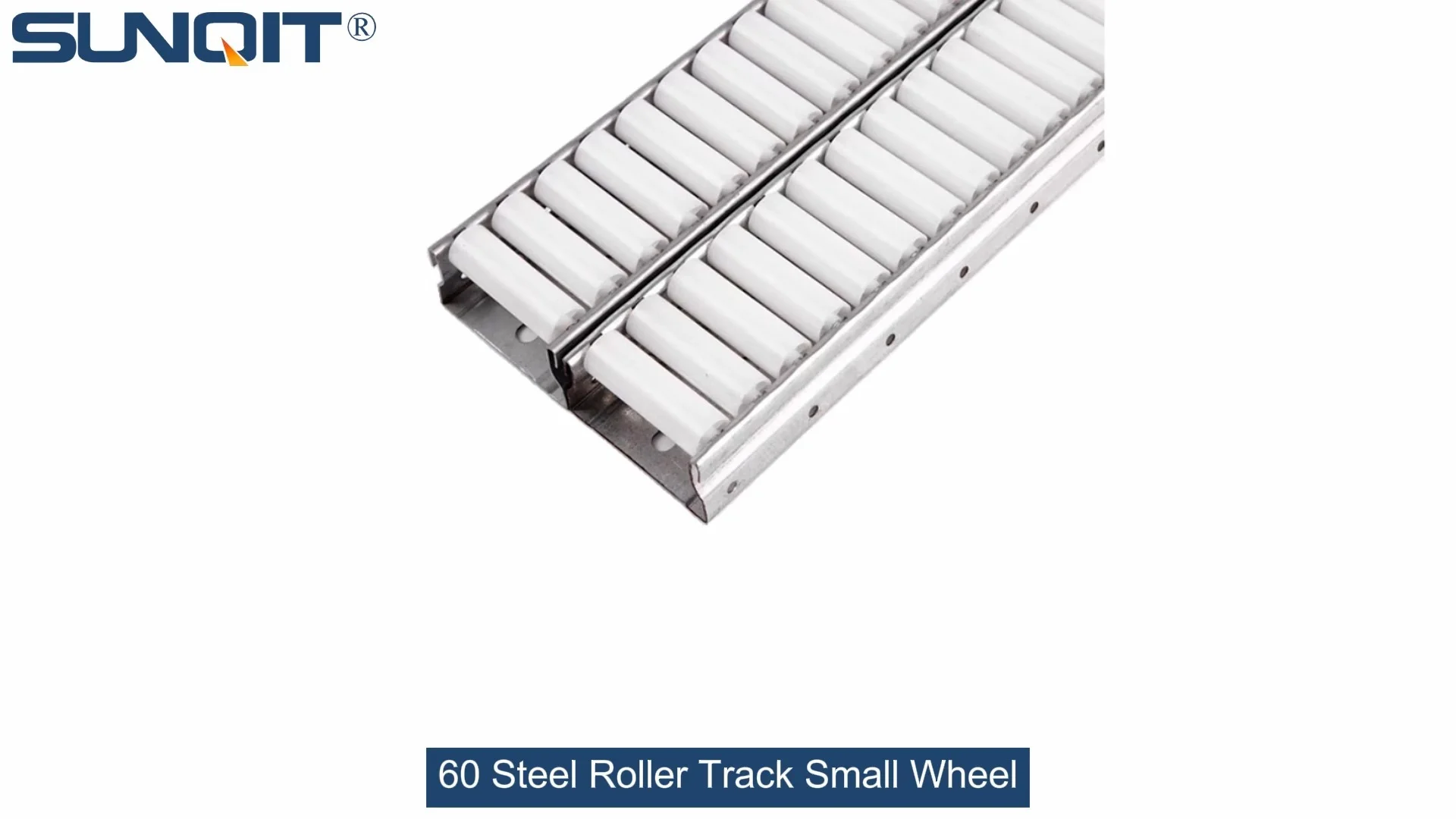
60 Steel Roller Track Small Wheel
Modular system roller tracks aluminum gravity roller tracks are an excellent solution for transporting materials within industrial environments, warehouses and distribution centres.
60 Steel Roller Track Small Wheel Lubrication: Best Practices & Product Recommendations
Why Lubrication Matters for Your Roller Tracks
Ever had a production line slow down because a roller track got stuck? Or heard that annoying squeak from your flow rack every time you slide a bin? If you work with industrial material handling systems—especially 60 steel roller track small wheels—you know how these tiny components can make or break your daily operations. Lubrication isn't just a quick fix; it's the backbone of keeping these wheels rolling smoothly, reducing downtime, and extending the life of your equipment.
In this guide, we'll dive deep into everything you need to know about lubricating 60 steel roller track small wheels: from when to do it and what products to use, to step-by-step best practices and top recommendations from Sunqit—a leading supplier of lean pipe systems, flow racks, and conveyor solutions. Whether you're a maintenance tech, a production manager, or someone who just wants their equipment to run without hiccups, this article has you covered.
Understanding 60 Steel Roller Track Small Wheels
These wheels are exactly what they sound like: small, steel-made rollers designed for 60mm roller tracks—common in flow racks, conveyors, and lean production lines. They're built to handle moderate to heavy loads, making them perfect for moving bins, parts, and products across assembly stations or warehouse shelves.
Where Do You Find Them? You'll spot these wheels in a variety of settings: Flow racks (used in warehouses to store and move parts efficiently), conveyors (in production lines to move products from one station to the next—like in 3C assembly lines for phones or tablets), and lean pipe systems (many lean workbenches and material racks use these tracks to keep parts within easy reach, aligning with the lean of reducing waste and improving efficiency).
Why Lubrication Matters? Without proper lubrication, these wheels start to show signs of wear quickly. Here's what can happen: Increased friction (wheels stick or move slowly, slowing down your entire line), noise pollution (high-pitched squeak from metal rubbing against metal), rust and corrosion (especially in humid environments), and shorter lifespan (worn-out wheels mean frequent replacements, adding to costs and downtime). So, taking the time to lubricate these wheels isn't just about convenience—it's an investment in your production's efficiency and bottom line.
For example, in the 3C assembly industry, these wheels are used in flow racks to move small parts like phone screens or battery packs. In the medical equipment industry, they're used in conveyors to transport sensitive devices without damage. In the automotive industry, they help move heavy parts like engine components across assembly lines. No matter the industry, these wheels are a workhorse—so keeping them lubricated is essential.
Best Practices for Lubricating 60 Steel Roller Track Small Wheels
When to Lubricate
There's no one-size-fits-all answer to how often you should lubricate, but here are some guidelines: Heavy Usage (if your tracks are in constant use—like 8+ hours a day, lubricate every 2-3 months), Moderate Usage (for lines that run 4-6 hours daily, every 4-6 months is enough), Light Usage (if your tracks are used occasionally—1-3 hours a day, once a year should suffice).
But don't just rely on a schedule—keep an eye out for these warning signs: Unusual noise (squeaking, grinding) when wheels move, wheels that stick or don't roll smoothly, visible rust or debris buildup on the wheels or tracks, and increased effort to push bins or products along the track.
Choosing the Right Lubricant
Picking the right lubricant is crucial. Here are the main types and when to use them: Grease (thick and long-lasting, ideal for heavy loads and high-friction areas; lithium-based grease is water-resistant, great for humid environments), Oil (thinner than grease, perfect for lighter loads and precision areas like ESD workstations; silicone-based oils are non-corrosive and compatible with steel and plastic parts).
Pro Tip: Always check if your lubricant is ESD-safe if you're using the tracks in 3C assembly or electronics manufacturing. ESD (electrostatic discharge) can damage sensitive components, so using an ESD-safe lubricant helps protect your products. Another thing to consider is compatibility with other materials—if your roller track has plastic guides (like Sunqit's plastic roller track guide rail yellow or grey), make sure your lubricant doesn't damage the plastic; silicone-based oils are usually safe, but test a small area first.
Step-by-Step Lubrication Process
Step 1: Prepare for Safety—Before you start, turn off any power to the conveyor or equipment using the tracks. If working on a flow rack, remove any bins or products to avoid accidents. Wear gloves to protect your hands from grease or oil.
Step 2: Clean the Wheels and Tracks—Dirt and debris are your worst enemies. Use a dry cloth or brush to wipe off dust, dirt, or old lubricant. For stubborn grime, use a mild cleaning solution (avoid harsh chemicals).
Step3: Apply the Lubricant—For Grease: Use a grease gun to apply a small amount to each wheel's axle (less is more). For Oil: Use a dropper or spray bottle to apply a few drops to the axle; let it seep in for a minute.
Step4: Test the Wheels—Roll a bin or test weight along the track to ensure smooth rolling. Listen for remaining noise; reapply if needed.
Step5: Clean Up—Wipe off excess lubricant, put back bins/products, and turn power on (if applicable).
Post-Lubrication Maintenance Tips
Lubrication isn't the end—here are tips to keep wheels in top shape: Regular Inspections (check monthly for wear/rust/damage), Keep Tracks Clean (sweep or wipe weekly), replace Worn Parts (if a wheel is bent/rusted beyond repair, replace immediately—Sunqit offers roller track accessories for quick replacements), Train Your Team (ensure staff knows proper procedures to catch issues early).
Top Product Recommendations from Sunqit
Sunqit offers a range of high-quality products designed to make lubrication and maintenance easy. Below is a curated list of products that will help keep your 60 steel roller track small wheels rolling smoothly:
| Product Name | Key Features | Ideal Use Case | Maintenance Benefit |
|---|---|---|---|
| 60 Steel Roller Track Small Wheel | High-carbon steel construction, corrosion-resistant coating, smooth rolling for 60mm tracks. | Flow racks, roller conveyors, lean production lines. | Minimal lubrication needed; compatible with most lubricants; built to resist wear and rust. |
| Roller Track Accessories (Connectors & Guides) | Durable aluminum/steel, easy installation, compatible with 60mm tracks. | Assembling/repairing roller tracks in flow racks or conveyors. | Proper alignment reduces friction; easy to replace worn parts. |
| Material Rack B (3 Row & 3 Floor) | Uses 60 steel roller wheels, adjustable shelves, heavy load capacity. | Warehouse storage, 3C assembly, medical equipment handling. | Flow rack design minimizes wheel stress; accessible wheels for quick lubrication. |
| Roller Conveyor | Integrates 60 steel wheels, adjustable speed, ESD-safe options. | 3C assembly lines, automotive production, warehouse sorting. | Easy disassembly for wheel access; ESD-safe version protects sensitive electronics. |
| Basic Aluminum Tube (Lean Pipe) | Lightweight, durable, compatible with lean system accessories. | Building lean workbenches or custom flow racks with roller tracks. | Flexible design allows easy track adjustments; corrosion-resistant for long-term use. |
Take the 60 Steel Roller Track Small Wheel from Sunqit: it's made with high-carbon steel, stronger than regular steel, and coated for corrosion resistance. This means it withstands humid environments without rusting, so you lubricate less often. Sunqit's Roller Track Accessories like the 40 fluent flat joint keep tracks aligned perfectly, reducing friction and lubrication needs. The Material Rack B uses these wheels in a flow rack design, so bins slide easily with minimal wheel stress.
How Sunqit's Lean Solutions Support Optimal Performance
Sunqit isn't just a parts supplier—they're a partner in building efficient, low-maintenance systems. Their lean solutions are designed with sustainability and ease of maintenance in mind:
Flexible Design: Sunqit's lean pipe systems and flow racks are adjustable. If your track needs repositioning, you can do it quickly without replacing the entire system—keeping tracks aligned and reducing friction.
High-Quality Materials: All products are made with top-notch materials, resistant to wear and corrosion—less maintenance, more production.
Custom Solutions: Sunqit designs custom lean solutions for industries like 3C assembly, medical equipment, and logistics. Their experts help choose the right tracks/wheels to minimize maintenance.
Wide Range of Parts: Sunqit's extensive inventory of roller track accessories and lean pipe parts means quick replacements, reducing downtime. For example, Workbench E (single deck without caster) integrates roller tracks with easy access for lubrication—taking minutes instead of hours.
Common Mistakes to Avoid
Even experienced teams make mistakes—here are the top ones: Over-Lubrication (excess attracts dust), Using Wrong Lubricant (water-sensitive grease in humid areas, non-ESD oil in electronics factories), Skipping Cleaning (lubricating over dirt traps debris), Ignoring Small Issues (bent/rusty wheels lead to big problems), Not Training Team (untrained staff may apply lubricant incorrectly).
For example, using non-water-resistant grease in a humid warehouse washes away lubricant, leading to rust. Skipping cleaning mixes dirt with lubricant, causing scratches and friction. Training your team ensures everyone follows best practices.
Conclusion
Lubricating 60 steel roller track small wheels is a critical part of maintaining production efficiency and reducing costs. By following best practices—choosing the right lubricant, cleaning before applying, regular inspections—you keep wheels rolling smoothly and avoid downtime.
Sunqit's products are designed to make maintenance easy. Their high-quality parts, flexible designs, and custom solutions help you build efficient systems that last. Whether you need replacement wheels, roller track accessories, or a complete lean system overhaul, Sunqit has the expertise and products to help.
Invest in proper lubrication and high-quality parts today—your production line will thank you tomorrow.