- Company Articles
- Products and Technology
- Installation And Maintenance
- 60 Steel Roller Track Small Wheel Maintenance Schedule: Daily, Weekly & Monthly Checks

60 Steel Roller Track Small Wheel Maintenance Schedule: Daily, Weekly & Monthly Checks
Related Product
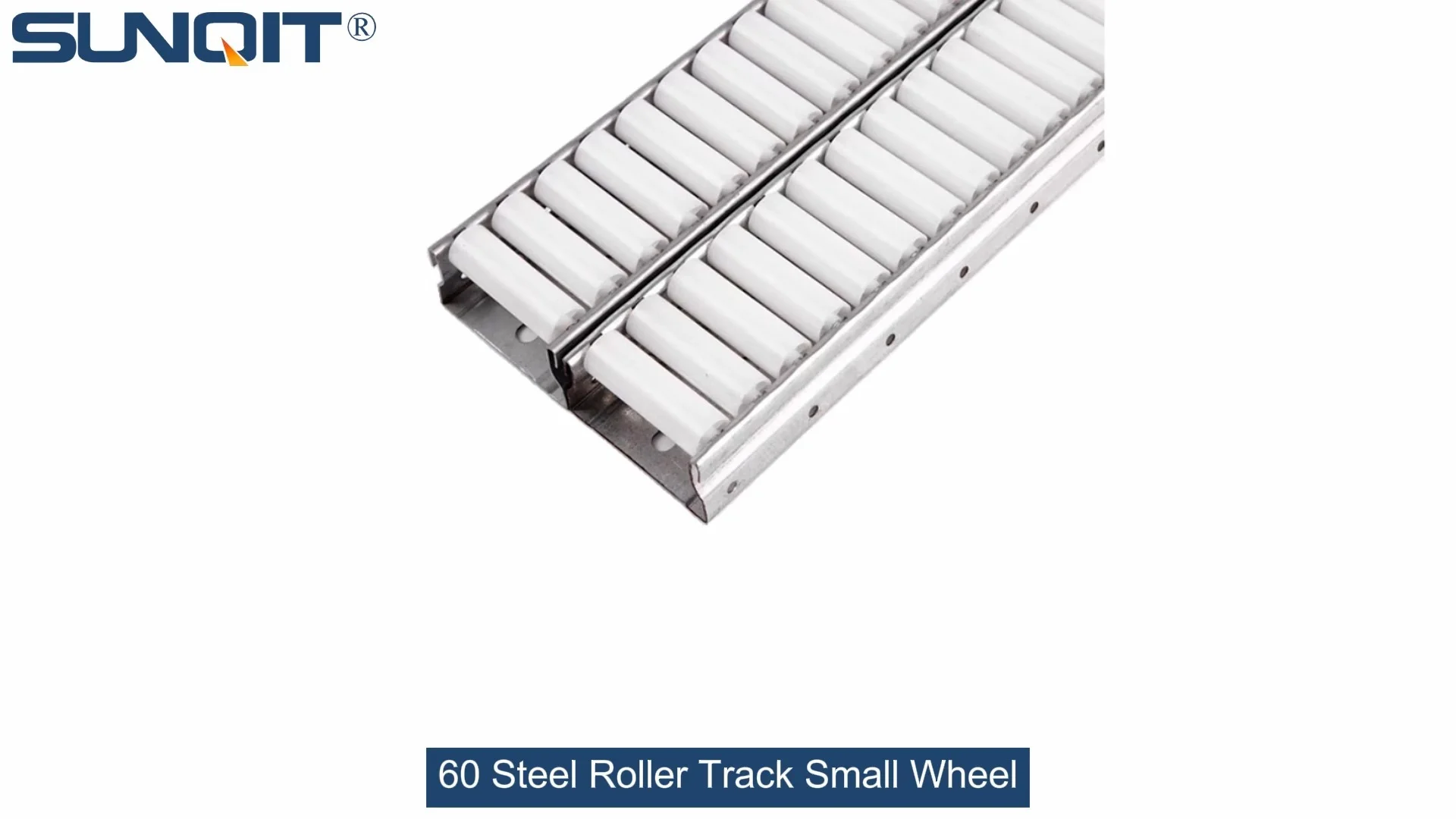
60 Steel Roller Track Small Wheel
Modular system roller tracks aluminum gravity roller tracks are an excellent solution for transporting materials within industrial environments, warehouses and distribution centres.
60 Steel Roller Track Small Wheel Maintenance Schedule: Daily, Weekly & Monthly Checks
If you're using Sunqit's 60 steel roller track small wheels in your flow racks or conveyors, you know how crucial they are to keeping your production line moving. These small but mighty parts are the backbone of material flow in many lean systems—from 3C assembly lines to warehouse logistics. But even the sturdiest components need regular care to avoid unexpected downtime. This maintenance schedule is your comprehensive guide to daily, weekly, and monthly checks—tailored to keep your operations running smoothly and align with Sunqit's lean principles of efficiency and sustainability.
Why Regular Maintenance Matters
Let's face it: Downtime is the enemy of any production line. A single stuck roller wheel can slow down an entire batch of products, leading to missed deadlines and frustrated teams. Regular maintenance isn't just about fixing problems—it's about preventing them. For example, if you're using these roller tracks in a medical device assembly line, a worn wheel could cause misalignment in the track, leading to faulty product placement. That's why investing a few minutes each day, week, and month in maintenance pays off in the long run—reducing waste, extending part life, and keeping your lean system at peak performance.
Maintenance Schedule Table
| Frequency | Task Description | How to Perform | Key Notes |
|---|---|---|---|
| Daily | Visual Check of Wheels | Walk along the entire length of the track. Look for surface dirt, debris, or visible damage (scratches, dents, or cracked edges). Use a dry microfiber cloth to wipe off any loose dirt from the wheels and track surface. | Small debris like dust or tiny plastic fragments can quickly cause wheels to stick. Don't skip this step—even a minute of checking can save hours of downtime later. |
| Daily | Check for Sticking or Jamming | Take a standard test box (similar in weight and size to your daily production materials) and push it along the track. Note any points where the box gets stuck or slows down unexpectedly. | If you find a stuck spot, stop production temporarily to clean the area. Use a soft brush to remove debris between the wheels, then wipe with a damp cloth. This prevents product damage and keeps your flow rack or conveyor moving smoothly. |
| Daily | Inspect Roller Track Connectors | Gently wiggle each roller track connector to check for looseness. For any loose connectors, use a 10mm wrench to tighten them (avoid over-tightening, as this can damage the connector). | Loose connectors are a common cause of track misalignment. Misaligned tracks put extra stress on the small wheels, leading to uneven wear and shorter lifespans. Sunqit's connectors are durable, but regular checks ensure they stay in place. |
| Weekly | Deep Clean Tracks & Wheels | Use a soft-bristle brush to remove debris from between the wheels and the track's gaps. Then, wipe the entire track and wheels with a damp cloth (use mild detergent if there's stubborn dirt). Dry thoroughly with a clean cloth to prevent rust. | Avoid using harsh chemicals like bleach or ammonia—they can damage the steel surface or the wheel's coating. For Sunqit's 60 steel roller tracks, mild soap and water work best. |
| Weekly | Lubricate Wheel Axles | Apply 1-2 drops of light machine oil (like 3-in-1 oil) to the axle of each small wheel. Spin the wheel by hand to distribute the oil evenly. Use a cloth to wipe off any excess oil (too much oil attracts dust). | Lubrication reduces friction between the wheel and axle, which extends the wheel's life. This step is especially important if your track is used in high-volume production lines where wheels are constantly moving. |
| Weekly | Check Rotation Smoothness | Spin each wheel by hand. If a wheel doesn't rotate freely (or makes a grinding noise), stop and inspect it. Look for debris around the axle or signs of damage (like a bent axle). | Smooth rotation is key to consistent material flow. If a wheel isn't spinning well, it can cause the product to get stuck or move unevenly—leading to quality issues in your assembly line. |
| Monthly | Thorough Wear Inspection | Examine each wheel closely for signs of wear: flattened surfaces, cracked steel, or rust spots. Use a caliper to measure the wheel's thickness—if it's reduced by more than 10% from the original size, replace it immediately. | Worn wheels are a ticking time bomb. They can cause misalignment, increase friction, and eventually lead to track failure. Sunqit offers replacement 60 steel roller track small wheels at wholesale prices, so keeping spares on hand is easy. |
| Monthly | Track Alignment Check | Place a spirit level along the length of the track. If the track is not level, adjust the support brackets or roller track connectors. For Sunqit's tracks, you can use the adjustment slots on the connectors to fine-tune the alignment. | Misaligned tracks put extra stress on the wheels, leading to faster wear. A level track ensures that materials move smoothly and evenly—whether you're using it in a conveyor or a flow rack. |
| Monthly | Tighten All Fasteners | Go through every bolt and nut in the track system—including connectors, support brackets, and end caps. Use the appropriate wrench to tighten any loose fasteners (don't over-tighten). | Over time, vibration from constant use can loosen fasteners. Tightening them monthly ensures that your track system remains stable and secure. This step is critical for maintaining the safety of your production line. |
Troubleshooting Common Issues
Even with regular maintenance, you might encounter some issues. Here's how to fix them quickly:
- Issue: Wheels are noisy. Solution: Check for loose connectors or lack of lubrication. Tighten connectors and apply oil to the axles. If the noise persists, inspect for worn wheels.
- Issue: Wheels are stuck. Solution: Clean the track and wheels thoroughly. If the wheel still doesn't move, check for a bent axle or debris trapped in the axle. replace the wheel if necessary.
- Issue: Track is misaligned. Solution: Adjust the roller track connectors or support brackets. Use a level to ensure the track is straight. If the problem continues, refer to Sunqit's technical documentation for further guidance.
- Issue: Wheels are wearing unevenly. Solution: Check track alignment and tighten loose connectors. replace any worn wheels to prevent further uneven wear.
- Issue: Wheels are rusting. Solution: Clean the rusted area with a wire brush and apply a thin coat of anti-rust oil. For severe rust, replace the wheel immediately to avoid track damage.
Best Practices for Long-Term Performance
To get the most out of your 60 steel roller track small wheels, consider these additional tips:
- Train your team: Ensure all operators know how to perform basic daily checks. This empowers them to spot issues early and take action.
- Keep spares handy: Stock up on replacement wheels and roller track connectors from Sunqit's wholesale program. This reduces downtime when parts need to be replaced.
- Follow weight limits: Don't overload the track beyond its recommended capacity. Sunqit's 60 steel roller tracks are designed for specific weights—check the product specifications to avoid damage.
- Regularly review your maintenance process: As your production line changes, adjust your maintenance schedule to fit new needs. This aligns with the lean principle of continuous improvement.
Final Thoughts
Maintaining your 60 steel roller track small wheels isn't just a chore—it's an investment in your production line's efficiency and longevity. By following this schedule, you're not only keeping your Sunqit lean system running smoothly but also upholding the principles of continuous improvement that lean manufacturing stands for. Remember: Small, regular checks can prevent big, costly problems down the line. Whether you're using these tracks in a 3C assembly line, a medical device factory, or a warehouse, this guide will help you keep your operations moving forward without unexpected hiccups.
If you need replacement parts or have questions about your Sunqit roller track system, visit their website for more information. They offer a wide range of wholesale options for roller tracks, connectors, and other lean system components—so you can keep your production line well-stocked and ready for anything.