- Company Articles
- Products and Technology
- Product knowledge
- 60 Steel Roller Track Small Wheel Specifications: Load Capacity, Speed & Tolerance

60 Steel Roller Track Small Wheel Specifications: Load Capacity, Speed & Tolerance
Related Product
60 Steel Roller Track Small Wheel
Modular system roller tracks aluminum gravity roller tracks are an excellent solution for transporting materials within industrial environments, warehouses and distribution centres.
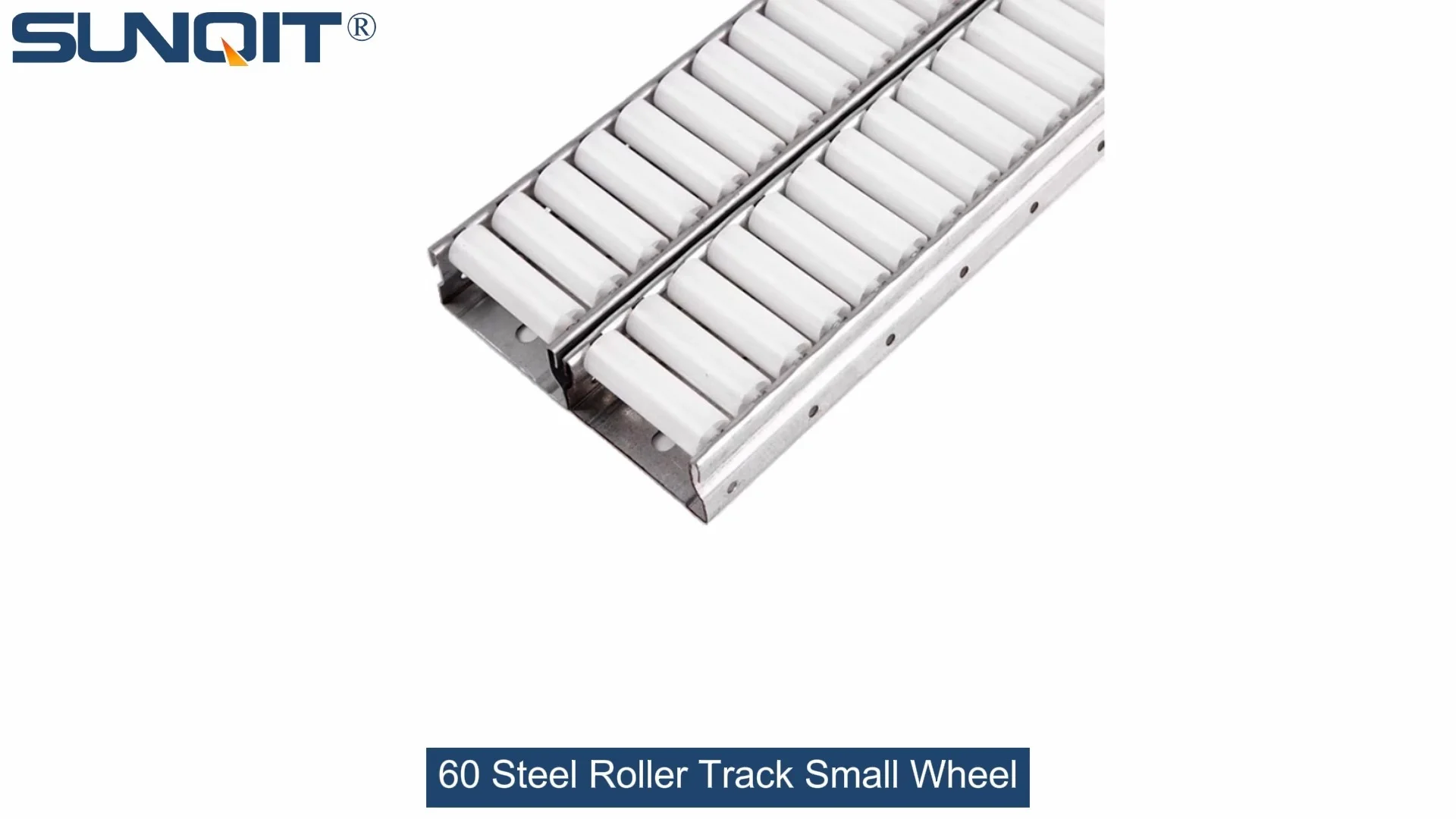
60 Steel Roller Track Small Wheel Specifications: Load Capacity, Speed & Tolerance
Ever wondered what makes a lean system tick? It's not just the big machines or the fancy software—it's the small, precise components that keep everything flowing. Take the 60 steel roller track small wheel, for instance. You might not notice it at first glance, but it's the backbone of many flow racks and conveyors in factories and warehouses around the world. Whether you're moving small parts in a 3C assembly line or picking items from a storage rack, this little wheel plays a huge role in keeping operations efficient and smooth.
In this article, we're going to dive deep into the specs of the 60 steel roller track small wheel—from how much weight it can carry to how fast it can go, and even the tiny tolerances that make all the difference. We'll also talk about where you can use it, how to choose the right one, and how to keep it running like new. By the end, you'll understand why this component is so important for any business looking to optimize their processes with lean principles.
What Is the 60 Steel Roller Track Small Wheel?
The 60 steel roller track small wheel is a specialized component designed for material handling systems. The "60" typically refers to the track's nominal width (60mm), and the "small wheel" describes the compact size of each roller—usually around 25mm in diameter, though exact dimensions can vary based on specific requirements. Made from high-quality carbon steel, these wheels are built to withstand repeated use and resist wear, making them ideal for high-traffic areas in manufacturing and warehousing.
Unlike larger roller tracks, the small wheel design of this product excels at handling small, lightweight items. The closely spaced wheels ensure that even tiny components (like screws, connectors, or microchips) stay stable during transport, reducing the risk of damage. Additionally, the steel construction provides excellent durability, so you don't have to worry about frequent replacements—even in busy lean workstations or automated conveyor lines.
Core Specifications Deep Dive
1. Load Capacity
Load capacity is one of the most critical specifications for any roller track. It determines how much weight the track can safely support, both when stationary (static load) and in motion (dynamic load). Several factors influence this: the number of wheels per meter, the thickness of the steel wheel, the type of bearing (if any), and the quality of the track's frame.
Static load refers to the maximum weight the track can hold without movement. Dynamic load, on the other hand, is the weight it can handle while items are sliding or rolling along the track. Dynamic load is usually lower than static load because moving items exert additional forces (like inertia) on the wheels.
| Number of Wheels per Meter | Static Load per Wheel (kg) | Dynamic Load per Wheel (kg) | Total Static Load per Meter (kg) | Total Dynamic Load per Meter (kg) |
|---|---|---|---|---|
| 10 | 5.0 | 3.0 | 50.0 | 30.0 |
| 12 | 4.5 | 2.8 | 54.0 | 33.6 |
| 15 | 4.0 | 2.5 | 60.0 | 37.5 |
| 20 | 3.5 | 2.2 | 70.0 | 44.0 |
For example, if you're setting up a flow rack in a 3C assembly warehouse to hold bins of small electronic components, you might choose a track with 20 wheels per meter. If each bin weighs 10kg and you have 4 bins per meter of track, the total dynamic load would be 40kg per meter—well within the 44kg limit. This ensures that the bins slide smoothly without putting too much stress on the wheels.
2. Speed Rating
The speed rating of the 60 steel roller track small wheel refers to the maximum velocity at which items can move along the track without causing damage or reducing performance. This depends on several factors: the type of bearing in the wheels (plain or ball), the surface of the items being transported, and the application context (manual vs automated).
Plain steel wheels (without bearings) are suitable for slow, manual operations—like workers sliding bins in a flow rack. Ball-bearing wheels, however, reduce friction significantly, allowing for higher speeds in automated systems.
| Application Type | Recommended Speed Range (m/min) | Key Considerations |
|---|---|---|
| Manual Flow Rack Picking | 0–5 | Plain steel wheels; ideal for human-led operations requiring precision. |
| Semi-Automated Assembly Conveyor | 5–15 | Ball-bearing wheels; suitable for moving parts between workstations. |
| Automated Packaging Line | 15–30 | High-quality ball bearings; designed for continuous, fast movement. |
| Heavy-Duty Storage | 0–3 | Plain steel wheels; for static or slow-moving heavy loads. |
In a medical device manufacturing plant, for example, an automated conveyor line using this track might run at 20 m/min to move small parts from the assembly station to the packaging area.The ball-bearing wheels ensure that the parts move smoothly and consistently, reducing the risk of jams or damage.
3. Tolerance Levels
Tolerances are the acceptable variations in a component's design and performance. For the 60 steel roller track small wheel, tight tolerances are essential to ensure consistent, reliable operation. Even minor deviations can lead to uneven movement, jams, or increased wear.
| Parameter | Tolerance Range | Unit |
|---|---|---|
| Roller Wheel Diameter | ±0.1 | mm |
| Track Width | ±0.2 | mm |
| Wheel Spacing Along Track | ±0.5 | mm |
| Friction Coefficient Variation | ≤5 | % |
| Load Deflection (Max Dynamic Load) | ≤1 | mm |
| Wheel Axle Alignment | ±0.3 | mm |
For instance, if the wheel diameter varies by more than 0.1mm, some wheels might not make contact with the item being transported. This can cause the item to tilt or slide unevenly, leading to damage or delays. Similarly, a load deflection of more than 1mm under maximum load can result in the track bending, which affects the smoothness of movement.
Application Scenarios
The 60 steel roller track small wheel is a versatile component that can be used in a wide range of industries and applications. Here are some of the most common uses:
1. Flow Racks in Warehouses
Flow racks are a staple in lean warehousing, and this roller track is perfect for them. In a 3C assembly warehouse, for example, flow racks with this track can hold bins of small components like capacitors or resistors. Workers can easily slide the bins to pick items, which saves time and reduces the risk of errors. The small wheels ensure that even the tiniest components stay stable during transport.
2. Light Conveyor Lines
In medical device manufacturing, this track is often used in light conveyor lines. For example, it can move small parts like syringe needles or catheter components from one workstation to another. The steel wheels are durable enough to handle repeated use, and the small size is ideal for tiny medical items that require gentle handling.
3. Lean Workstations
As part of a lean system, this track can be integrated into workstations to optimize material flow. In an automotive parts factory, for instance, workers might use a workstation with this track to slide small parts (like washers or bolts) into the assembly area. This reduces the time spent reaching for parts and makes the assembly process more efficient.
4. E-commerce Picking Lines
For e-commerce businesses selling small items like jewelry or electronics accessories, this track is perfect for sorting and picking operations. The smooth movement of the wheels ensures that items don't get damaged during transport, and the compact design saves space in the warehouse.
How to Choose the Right 60 Steel Roller Track Small Wheel
Choosing the right roller track can make a big difference in your operations. Here are some key factors to consider:
1. Calculate Your Load Requirements
First, determine the total weight of the items you'll be moving. Then, use the load capacity table to find the number of wheels per meter you need. For example, if you need to move 40kg per meter dynamically, choose a track with 20 wheels per meter (which offers 44kg/m dynamic load). This ensures that you have a safety margin to avoid overloading the track.
2. Determine the Speed Needs
If you're using the track in an automated line, opt for ball-bearing wheels to handle higher speeds. For manual operations, plain steel wheels are sufficient and more cost-effective.
3. Assess the Environment
Is the area wet or corrosive? If yes, you might need a stainless steel variant of this track (many lean pipe suppliers offer this option). For dry environments, the standard carbon steel version is fine.
4. Check Compatibility
Ensure that the track fits with your existing flow rack or conveyor system. For example, if your flow rack uses 60mm width rails, this track will fit perfectly. If you're building a new system, consult your supplier to ensure all components are compatible.
5. Consult a Lean Pipe Supplier
If you're unsure about any of these factors, reach out to a trusted lean pipe supplier. They can help you choose the right specs based on your specific needs and even provide custom solutions if required. A good supplier will also offer advice on installation and maintenance to ensure your track lasts as long as possible.
Maintenance Tips for Longevity
Proper maintenance is key to extending the lifespan of your 60 steel roller track small wheel. Here are some tips:
1. Regular Cleaning
Dust and debris can get stuck between the wheels, causing friction and jams. Clean the track every week with a non-abrasive brush or compressed air to remove any dirt. Avoid using water or harsh chemicals, as these can cause rust.
2. Lubrication
If your track uses ball-bearing wheels, lubricate them every month with a light oil. This reduces friction and extends the life of the bearings. For plain steel wheels, lubrication is not necessary, but you can apply a thin layer of oil to prevent rust.
3. Inspect for Wear
Every month, inspect the wheels for signs of wear—like flat spots or cracks. replace any damaged wheels immediately to avoid further issues. Also, check the track frame for bending or misalignment, as this can affect the movement of the wheels.
4. Avoid Overloading
Never exceed the maximum load capacity of the track. Overloading can cause the wheels to bend or break, leading to costly repairs and downtime.
Conclusion
The 60 steel roller track small wheel is a small but powerful component that plays a crucial role in lean material handling systems. Its compact design, durable construction, and precise specs make it ideal for a wide range of applications—from flow racks in warehouses to automated conveyor lines in factories. By understanding its load capacity, speed rating, and tolerance levels, you can choose the right track for your needs and optimize your operations.
Remember, proper maintenance and choosing the right supplier are key to getting the most out of this component. Whether you're in the 3C assembly, medical device, or e-commerce industry, this roller track can help you streamline your processes, reduce costs, and improve efficiency. So next time you're looking to upgrade your material handling system, don't overlook the importance of this tiny but essential component.