- Company Articles
- Products and Technology
- Procurement Guidelines
- 60 Steel Roller Track Small Wheel Suppliers: How to Choose a Reliable Partner

60 Steel Roller Track Small Wheel Suppliers: How to Choose a Reliable Partner
Related Product
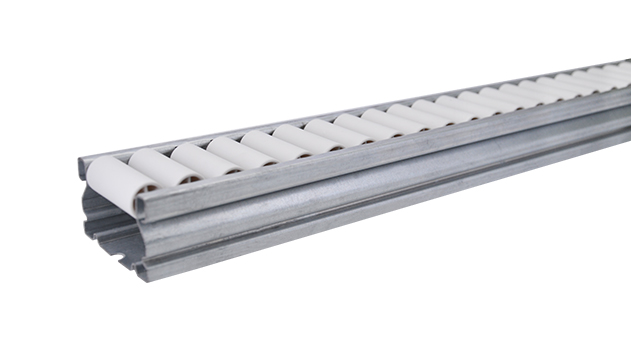
60 Steel Roller Track Small Wheel
Modular system roller tracks aluminum gravity roller tracks are an excellent solution for transporting materials within industrial environments, warehouses and distribution centres.
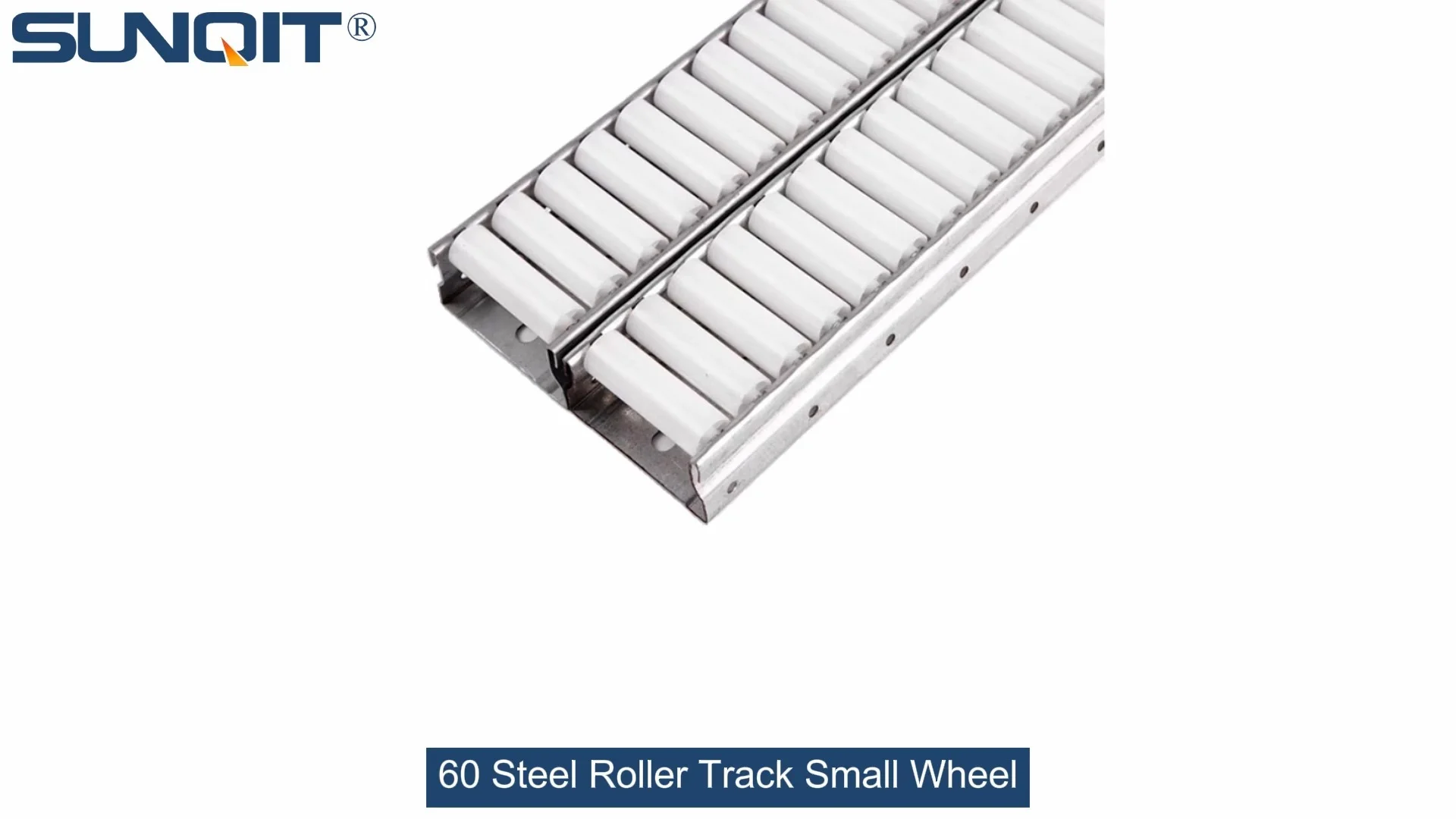
In the fast-paced world of manufacturing and logistics, every component plays a crucial role in keeping operations smooth and efficient. Among these components, 60 steel roller track small wheels are unsung heroes—they enable the seamless movement of materials on conveyor systems, flow racks, and other lean manufacturing setups. A single faulty wheel can disrupt an entire production line, leading to costly downtime and delays. But with so many suppliers out there, how do you pick one that you can trust for consistent quality, timely delivery, and long-term support? This article will guide you through the key factors to consider when choosing a reliable supplier for these essential parts, helping you make an informed decision that aligns with your business goals.
60 steel roller track small wheels are integral to many material handling systems. They are used in roller conveyors to move parts from one station to another, in flow racks to enable first-in-first-out inventory management, and in various lean solutions to streamline operations. Their small size belies their importance—they bear the weight of products, reduce friction, and ensure that materials move at the right speed. Choosing the right supplier for these wheels is critical because subpar products can lead to frequent replacements, increased maintenance costs, and unexpected production halts.
Key Factors to Consider When Selecting a Supplier
1. Uncompromising Quality Standards
The first thing to look for in a supplier is their commitment to quality. 60 steel roller track small wheels need to withstand heavy loads, constant use, and varying environmental conditions. A reliable supplier will use high-grade steel, ensure precise manufacturing tolerances, and conduct rigorous testing to guarantee durability and performance. For example, they should test their wheels for load-bearing capacity, rotational resistance, and corrosion resistance. They should be able to provide data on how many cycles the wheels can withstand before showing signs of wear, as well as certifications like ISO 9001 that validate their quality control processes.
Another aspect of quality is consistency. A good supplier will have strict quality control measures in place to ensure that every wheel they produce meets the same high standards. This means that you can expect the same level of performance from every batch, reducing the risk of unexpected failures. Ask about their inspection processes—do they check each wheel for defects before shipping? Do they have a system to track and resolve any quality issues that arise?
2. Customization Flexibility
Every business has unique needs. Maybe you require wheels with specific coatings for corrosion resistance in a humid environment, or wheels that fit a non-standard track size for a custom conveyor system. A good supplier should offer customization options to tailor their products to your exact requirements. This flexibility is especially important if you're implementing a lean solution that needs to adapt to your production line's unique workflow.
For example, if you're in the medical device industry, you might need wheels that are easy to clean and sanitize. A supplier who offers customization can provide wheels with smooth surfaces and non-porous coatings to meet these needs. Similarly, if you're in the automotive industry, you might need wheels that can handle heavy loads—up to several hundred kilograms per wheel. A reliable supplier will work with you to design wheels that meet these specific load requirements, ensuring that your material handling systems are safe and efficient.
3. Comprehensive Product Range
A supplier that offers a wide range of related products is a valuable partner. For example, if you need 60 steel roller track small wheels, you might also need flow racks, conveyors, or lean pipe workbenches. Working with a single supplier for multiple components simplifies procurement, ensures compatibility between parts, and often leads to better pricing. Look for suppliers who provide integrated solutions rather than just individual parts—this shows that they understand the bigger picture of your operations and can help you optimize your entire material handling system.
A comprehensive product range also means that the supplier has expertise in various aspects of material handling. They can offer advice on how to integrate different components to create a more efficient system. For example, if you're setting up a new flow rack system, they can recommend the right type of roller track wheels, as well as the appropriate flow rack design to maximize space and efficiency. This level of expertise is invaluable, especially if you're new to lean manufacturing or material handling optimization.
4. Responsive After-Sales Support
Even the best products can encounter issues. A reliable supplier will have a responsive after-sales team to address any problems quickly. This includes providing replacement parts, offering maintenance advice, and resolving warranty claims efficiently. After-sales support is a key indicator of a supplier's commitment to long-term partnerships—they should be invested in your success, not just in making a sale.
When evaluating after-sales support, ask about the supplier's warranty policy. How long is the warranty period? What does it cover? Do they offer on-site support for installation or maintenance? A good supplier will have a clear warranty policy and will honor it without hassle. They should also have a dedicated customer service team that is easy to reach and responsive to your inquiries. For example, if you have a problem with a batch of wheels, they should be able to send replacements within a few days, minimizing downtime for your operations.
5. Proven Reputation and Experience
Experience matters in manufacturing. Suppliers with years of expertise in producing roller track components understand the nuances of different industries and can offer valuable insights. Check their client testimonials, case studies, or references to see if they've successfully served businesses similar to yours. A supplier with a strong reputation is more likely to deliver on their promises and provide high-quality products.
For example, if you're in the 3C assembly industry, look for a supplier that has experience working with electronics manufacturers. They should understand the specific needs of this industry, such as ESD compliance to protect sensitive components. A supplier with industry-specific experience will be able to offer tailored solutions that meet your unique requirements. You can also check online reviews or industry forums to see what other customers have to say about the supplier—positive feedback from other businesses is a good sign that you can trust them.
How to Evaluate Supplier Credibility: A Quick Checklist
| Criteria | What to Look For |
|---|---|
| Quality Certifications | ISO 9001, industry-specific compliance (e.g., ESD for electronics), test data on load capacity and wear resistance |
| Customization Options | Ability to modify wheel size, coating, load capacity, and design to meet specific needs |
| Product Range | Offers related products like flow racks, conveyors, lean solutions, and lean pipe workbenches for integrated systems |
| After-Sales Support | Clear warranty policy, quick response time for issues, on-site support options, easy access to replacement parts |
| Reputation | Positive client reviews, case studies in your industry, years of experience in material handling components |
| Delivery Times | Consistent on-time delivery, ability to handle urgent orders, transparent lead time information |
Why a Reliable Supplier is More Than Just a Vendor
Choosing the right supplier for 60 steel roller track small wheels is about more than getting a good price. It's about finding a partner who understands your business goals and can support your growth. A reliable supplier will help you optimize your operations with high-quality components, reduce downtime with prompt support, and adapt to changing needs with flexible solutions.
For example, if you're in the 3C assembly industry, you might need ESD-compliant roller tracks to protect sensitive electronic components. A supplier who specializes in lean solutions for this sector will not only provide the right wheels but also offer expert advice on how to integrate them into your existing setup. They can help you design a conveyor system that minimizes static electricity, reducing the risk of damage to your products. This level of partnership can make a significant difference in your operational efficiency and bottom line.
Another benefit of working with a reliable supplier is scalability. As your business grows, your material handling needs will change. A good supplier will be able to scale their production to meet your increasing demand, ensuring that you have the components you need when you need them. They can also help you upgrade your systems as your processes evolve, providing new solutions that align with your latest operational goals.
In addition, a reliable supplier will keep you informed about new products and technologies in the material handling industry. They can introduce you to innovative components that can further optimize your operations, such as new roller track designs that reduce friction or improve load capacity. This proactive approach to partnership ensures that you stay ahead of the curve and continue to improve your processes over time.

Final Thoughts
Selecting a reliable supplier for 60 steel roller track small wheels requires careful consideration of quality, customization, product range, after-sales support, and reputation. By taking the time to evaluate these factors, you can find a partner that will help you build a more efficient, flexible, and sustainable production line. Remember, the best supplier is one that aligns with your long-term business objectives and works with you to achieve them.
Whether you're setting up a new conveyor system, upgrading your flow racks, or implementing a complete lean solution, the right supplier will be there every step of the way—providing the components you need, when you need them, and with the support to keep your operations running smoothly. Don't settle for a supplier that only offers low prices; invest in a partner that will help you grow and succeed in the long run.
In conclusion, the process of choosing a supplier for 60 steel roller track small wheels is a critical decision that can impact your business's efficiency, productivity, and profitability. By focusing on the key factors outlined in this article, you can make an informed choice that will benefit your business for years to come. Take the time to research potential suppliers, ask the right questions, and evaluate their capabilities—your operations will thank you for it.