- Company Articles
- Products and Technology
- Product knowledge
- 60 Steel Roller Track Small Wheel Surface Finish: Zinc-Plated vs. Chrome-Plated vs. Powder-Coated

60 Steel Roller Track Small Wheel Surface Finish: Zinc-Plated vs. Chrome-Plated vs. Powder-Coated
Related Product
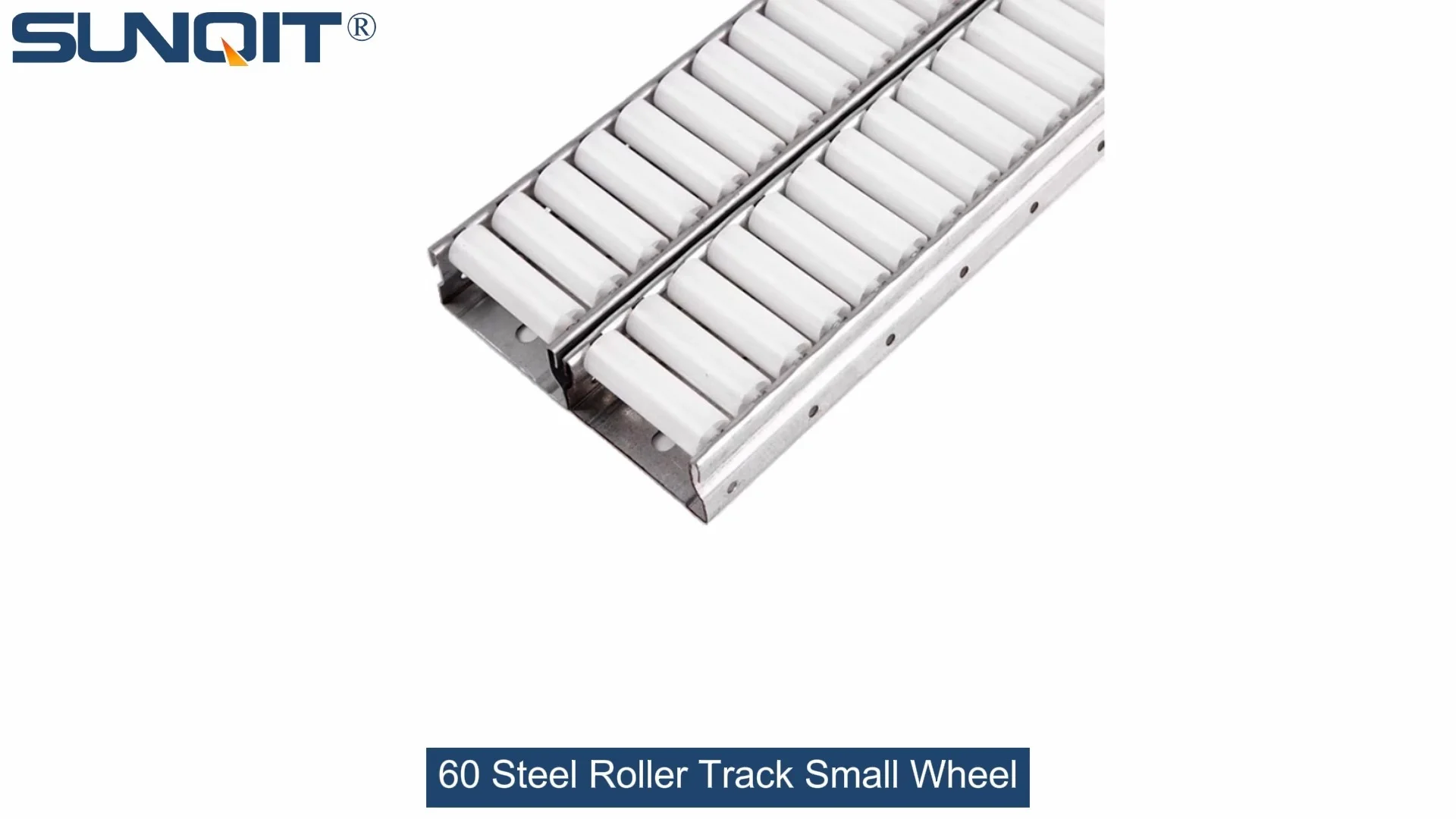
60 Steel Roller Track Small Wheel
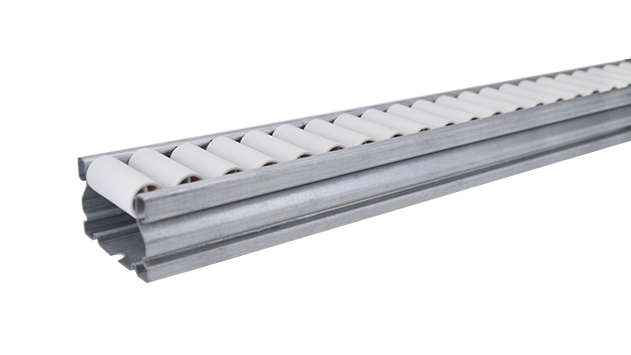
Modular system roller tracks aluminum gravity roller tracks are an excellent solution for transporting materials within industrial environments, warehouses and distribution centres.
Introduction
If you've ever walked through a busy manufacturing floor or a well-organized warehouse, you've probably seen roller tracks hard at work—moving parts from one station to the next, keeping workflows smooth and efficient. But have you ever stopped to think about the small wheels that make those tracks run? For anyone using lean systems to optimize their production lines, choosing the right surface finish for these wheels isn't just a minor detail—it's a decision that affects durability, cost, and even the overall performance of your setup. Today, we're diving deep into three common surface finishes for 60 steel roller track small wheels: zinc-plated, chrome-plated, and powder-coated. By the end, you'll know exactly which one fits your needs best.
What Are 60 Steel Roller Track Small Wheels?
60 steel roller track small wheels are the unsung heroes of flow racks, conveyors, and lean pipe workbenches. They're designed to handle light to medium loads, making them perfect for moving boxes, parts bins, or finished products across different workstations. Whether you're setting up a flexible production line for 3C assembly or a material rack for warehouse logistics, these wheels play a crucial role in keeping your operations running without hitches. But not all wheels are created equal—their surface finish can make a world of difference in how long they last and how well they perform.
Deep Dive into Each Surface Finish
1. Zinc-Plated Finish
Zinc-plated wheels are a popular choice for budget-conscious projects. The plating process involves dipping the steel wheel into a zinc bath, which creates a thin, protective layer that shields against rust. This finish is great for dry environments where corrosion isn't a major concern—like a lean pipe workbench used for assembling small electronic components. It's also easy to apply, so it's cost-effective for bulk orders (think wholesale flow rack purchases).
However, if you're using these wheels in a wet or humid area, you might notice tarnish over time—so they're not the best pick for outdoor or heavy-moisture settings. Pros include good corrosion resistance for dry areas, low cost, and strong adhesion to the steel surface. Cons are limited durability compared to chrome or powder coating, and potential tarnishing in humid conditions. Best use cases: light-duty applications, dry workshops, budget-friendly lean system setups.
2. Chrome-Plated Finish
Chrome-plated wheels are the heavyweights of the bunch. The process involves electroplating a layer of chrome over the steel wheel, resulting in a shiny, scratch-resistant surface that's tough to beat. These wheels are ideal for harsh environments—like a conveyor in a medical equipment factory, where frequent cleaning with chemicals is necessary. Chrome's smooth surface makes it easy to sanitize, which is a must for medical applications (a key industry for custom solutions).
The only downsides? Chrome plating is more expensive than zinc or powder coating, and the process can be harsh on the environment—so if sustainability is a top priority, you might want to look elsewhere. Pros: excellent corrosion resistance, scratch-proof, easy to clean, high shine. Cons: higher cost, environmental impact of plating. Best use cases: heavy-duty operations, wet/chemical-exposed areas, medical clean rooms.
3. Powder-Coated Finish
Powder-coated wheels are all about versatility and eco-friendliness. The finish is applied as a dry powder, then cured under heat to form a hard, uniform layer. Unlike liquid paints, powder coating doesn't produce volatile organic compounds (VOCs), making it a greener choice. Plus, you can get these wheels in almost any color—from bright yellow (perfect for color-coding your flow racks) to matte grey. This makes them a great option for custom solutions, where you want your setup to match your brand or workflow needs.
However, the powder coating layer is thicker than zinc or chrome, so it might affect the fit of the wheel in some track systems. Also, while it's durable, it's not as scratch-resistant as chrome—so it's better for medium-duty use, like a turnover trolley used in a car parts warehouse. Pros: eco-friendly, wide color options, uniform finish, good durability. Cons: thicker coating may impact fit, less scratch-resistant than chrome. Best use cases: customized lean systems, aesthetic-focused setups, medium-duty logistics applications.

Comparative Analysis of Surface Finishes
| Finish Type | Corrosion Resistance | Durability | Cost | Environmental Impact | Best Applications |
|---|---|---|---|---|---|
| Zinc-Plated | Good (dry environments) | Medium (tarnishes over time) | Low | Moderate (minimal VOCs) | Light-duty lean pipe workbenches, dry warehouses |
| Chrome-Plated | Excellent (all environments) | High (scratch-resistant) | High | High (toxic plating chemicals) | Medical conveyors, heavy-duty flow racks |
| Powder-Coated | Very Good (most environments) | High (chip-resistant) | Medium | Low (VOC-free) | Customized turnover trolleys, color-coded systems |
How to Choose the Right Finish for Your Needs
So, how do you pick the right finish? Let's break it down by your needs:
- Budget: If you're working with a tight budget, zinc-plated wheels are your best bet. They're affordable and get the job done for light-duty tasks.
- Environment: For wet or harsh areas (like a warehouse with frequent spills), chrome-plated wheels are the way to go. For dry, eco-friendly projects, powder-coated is ideal.
- Industry: Medical equipment manufacturers should opt for chrome-plated wheels (easy to sanitize). 3C assembly plants can use zinc-plated (budget-friendly) or powder-coated (custom colors). Warehouse logistics facilities might prefer powder-coated for color-coding or zinc-plated for bulk orders.
- Aesthetics: If you want your setup to look polished or match your brand, powder-coated wheels offer the most color options. Chrome-plated gives a shiny, professional look, while zinc-plated is more functional.
Remember, custom solutions are available to tailor your setup to your industry, budget, and workflow. If you're unsure which finish fits your project, expert teams can guide you to the perfect choice.
Real-World Applications
Let's look at some real-life scenarios to see how these finishes work in practice:
- 3C Assembly Line: A factory assembling smartphones uses zinc-plated 60 steel roller track wheels in their flow racks. The environment is dry, and the loads are light—so zinc-plated works perfectly, keeping costs low without sacrificing performance.
- Medical Equipment Factory: A company producing surgical tools uses chrome-plated wheels in their conveyors. The wheels need to resist corrosion from frequent cleaning with disinfectants, and chrome's smooth surface makes sanitizing a breeze.
- Warehouse Logistics: A large warehouse uses powder-coated wheels in their turnover trolleys. They color-code the wheels (red for fragile items, blue for electronics) to streamline their workflow—something that's easy to do with powder coating's wide color range.
These examples show how the right finish can make a big difference in day-to-day operations, boosting efficiency and extending the lifespan of your lean system components.
Maintenance Tips for Each Finish
Taking care of your wheels will extend their lifespan. Here's how to maintain each finish:
- Zinc-Plated: Wipe with a dry cloth regularly to remove dust. If you notice tarnish, use a mild vinegar solution (diluted with water) to clean it off—then dry thoroughly to prevent further rust.
- Chrome-Plated: Use a non-abrasive cleaner (like window cleaner) to keep the shine. Avoid using steel wool or harsh scrubbers, as they can scratch the surface.
- Powder-Coated: Clean with mild soap and water. For stubborn stains, use a soft brush—never abrasive materials.
By following these simple tips, your roller track wheels will last longer and perform better, keeping your lean system running smoothly for years to come.
Conclusion
Choosing the right surface finish for your 60 steel roller track small wheels is more than just a cosmetic decision—it's an investment in the longevity and efficiency of your lean system. Whether you opt for the budget-friendly zinc-plated, the durable chrome-plated, or the versatile powder-coated finish, each has its own strengths that fit different needs. If you're still unsure which one to pick, custom solutions teams can help you tailor your setup to your industry, budget, and workflow.
After all, the best lean system is one that's built to last—and the right wheel finish is a key part of that. So next time you're setting up a flow rack, conveyor, or lean pipe workbench, don't overlook the small wheels. They might be tiny, but they're the foundation of a smooth, efficient operation.