- Company Articles
- Products and Technology
- Application Cases
- 60 Steel Roller Track Small Wheels for Automotive Manufacturing: Case Studies

60 Steel Roller Track Small Wheels for Automotive Manufacturing: Case Studies
Related Product
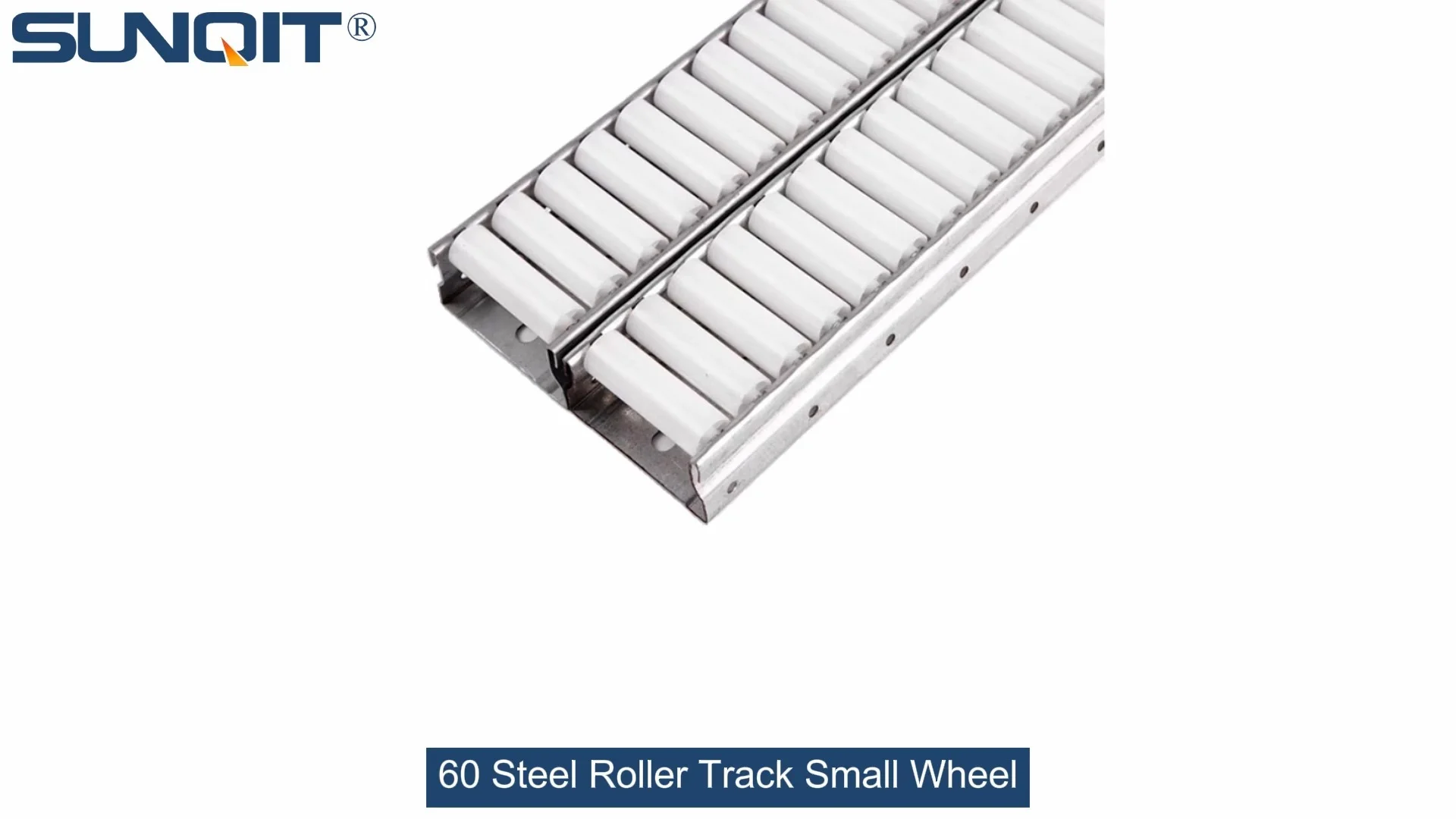
60 Steel Roller Track Small Wheel
Modular system roller tracks aluminum gravity roller tracks are an excellent solution for transporting materials within industrial environments, warehouses and distribution centres.
Automotive manufacturing is a symphony of precision, speed, and efficiency—every component, process step, and piece of equipment plays a critical role in keeping production lines moving. Among the unsung heroes of this ecosystem are roller tracks, especially the 60 steel roller track small wheels. These compact yet robust components form the backbone of material handling systems, ensuring parts and assemblies glide seamlessly from one station to the next. In this article, we'll explore real-world case studies that demonstrate how these roller tracks have transformed automotive operations, boosted productivity, and aligned with lean manufacturing principles.
What Are 60 Steel Roller Track Small Wheels?
Before diving into case studies, let's unpack what makes these roller tracks stand out. The 60 steel roller track small wheels are engineered for heavy-duty applications, perfect for automotive settings where parts can be bulky and heavy. Crafted from high-grade steel, they offer exceptional durability and resistance to wear, even under constant use. Their small wheel diameter (typically around 60mm) allows for tight turns and flexible layouts, making them ideal for both assembly lines and warehouse storage systems.
Key features include:
- High load capacity (up to 50kg per linear meter) to handle heavy automotive parts like engine components and body panels
- Smooth rolling action that reduces friction, minimizing effort in moving materials and extending system lifespan
- Corrosion-resistant zinc plating to withstand harsh manufacturing environments (oil, grease, and humidity)
- Easy installation with standard mounting brackets, fitting seamlessly into existing workflows without major overhauls
- Low maintenance requirements—just occasional cleaning and lubrication to keep them running smoothly
These features make them a reliable choice for automotive manufacturers looking to optimize material flow and reduce operational costs.
Case Study 1: Streamlining Chassis Assembly Line Material Flow
Let's start with a mid-sized automotive assembly plant in the Midwest. This plant specialized in compact SUVs and faced persistent bottlenecks in their chassis assembly line. The line was responsible for attaching suspension, brake, and steering components to vehicle frames—each component weighing between 20kg and 40kg. Before implementing roller tracks, these parts were delivered manually by three workers using carts. Each cart could carry only two components, forcing workers to make 15+ trips hourly. This led to frequent delays: if a worker was late with a part, the entire line halted. Additionally, manual lifting caused fatigue, leading to a 20% increase in lifting-related injuries over six months.
The plant's operations manager decided to invest in a roller conveyor system to address these issues. After evaluating several options, they chose 60 steel roller track small wheels for their high load capacity and flexibility. The supplier designed a custom conveyor layout that fit within the existing 100-foot line space, with tight 90-degree turns to navigate around equipment.
Installation took two weeks, completed during night shifts to avoid production downtime. Workers were trained to load parts onto pallets and monitor the conveyor's sensors. On launch day, the line ran without material delays for the first time in months. Workers reported less fatigue, and injury rates dropped to zero within a month.
Three months later, the results were striking:
| Metric | Before Implementation | After Implementation | Improvement |
|---|---|---|---|
| Material Handling Time per Part | 12 minutes (warehouse to workstation) | 4 minutes | 66.7% |
| Labor Cost for Material Handling | $15,000/month (3 workers) | $5,000/month (1 monitor) | 66.7% |
| Line Downtime Due to Material Delays | 8 hours/week | 1 hour/week | 87.5% |
| Lifting-Related Injuries | 2/month | 0/month | 100% |
The operations manager noted: "The roller conveyor didn't just fix our bottlenecks—it transformed our line. We now meet our 500-vehicle monthly target consistently, and workers are happier and safer. The 60 steel rollers are the backbone of this success; they handle heavy parts with ease and require almost no upkeep."
Case Study 2: Optimizing Warehouse Parts Storage with Flow Racks
Next, let's look at a large automotive parts distributor in Texas. This company stored over 10,000 components (from screws to engine blocks) and struggled with slow order picking times. Their static shelf system forced workers to walk 5+ miles daily to retrieve parts from the back of shelves. This wasted 2 hours per worker each day and led to order errors (workers often grabbed the wrong part from crowded shelves).
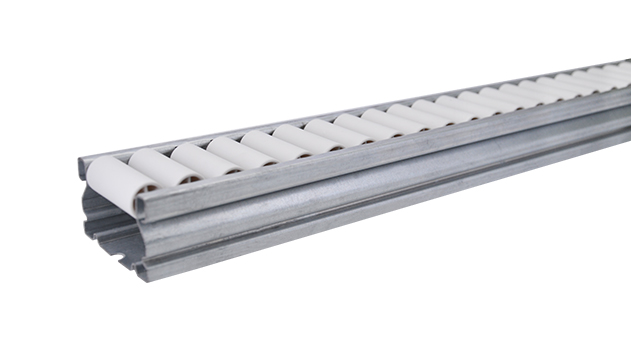
They partnered with a lean solution provider to implement flow racks equipped with 60 steel roller track small wheels. Flow racks use gravity to move parts from the back to the front, enabling FIFO inventory management and easy access. The small wheels ensured even heavy parts (like 40kg engine blocks) slid smoothly without jamming.
The implementation involved replacing 20 static shelves with 15 flow racks. Each rack was divided into sections for different part sizes, with clear labeling for quick identification. Workers were trained to restock parts from the back and pick from the front, reducing search time.
After six months, the distributor saw remarkable improvements:
- Order picking time reduced by 40%: Workers now spend 8 hours/day picking instead of 12, thanks to front-access parts.
- Inventory accuracy improved by 25%: FIFO reduced obsolete parts by 15%, and clear labeling cut errors by 30%.
- Warehouse space utilization increased by 15%: Flow racks allowed denser storage, freeing up 500 sq ft for new inventory.
- Worker satisfaction rose by 30%: Less walking and bending reduced fatigue, leading to fewer sick days.
A warehouse supervisor shared: "The flow racks changed everything. We used to have workers complaining about sore feet and backs; now they're focused on getting orders right. The 60 steel rollers are tough—we haven't had a single jam in six months, even with heavy engine blocks sliding down daily."

Case Study 3: Custom Lean Solution for Electric Vehicle Battery Manufacturing
Our third case involves a California-based electric vehicle (EV) battery manufacturer. They produced batteries for sedans and SUVs, with varying sizes (10kg to 50kg) and production cycles. Their existing system used fixed conveyors that couldn't adapt to changing battery designs, leading to 4-hour changeover times between models. This inefficiency made it hard to meet customer demand for multiple battery types.
The solution combined roller conveyors with aluminum profile frames. 60 steel roller track small wheels were used in conveyors to transport battery assemblies between production stages (mixing, coating, and assembly). Aluminum profiles provided a sturdy yet adjustable frame that could be reconfigured in minutes. This lean solution aligned with the manufacturer's sustainability goals, as aluminum profiles and roller tracks are reusable.
The implementation process included:
- Designing modular conveyor sections that could be connected or disconnected using quick-release brackets.
- Installing aluminum profile frames around the conveyors, with slots for easy adjustment of height and width.
- Training workers to reconfigure the system using basic tools, reducing reliance on maintenance teams.
After three months, the manufacturer achieved:
- 30% reduction in changeover time: Switching between battery models now takes 2.8 hours instead of 4.
- 20% increase in production capacity: The flexible system allows them to produce 120 batteries/day instead of 100.
- 15% reduction in waste: Reusable aluminum profiles and roller tracks eliminated the need for disposable fixtures.
- Improved quality control: The smooth conveyor movement reduced battery damage during transport by 25%.
The plant engineer explained: "Flexibility is key in EV manufacturing—battery designs change rapidly. Our new system lets us adapt quickly without costly overhauls. The 60 steel rollers are the unsung heroes; they handle heavy batteries with precision and keep our lines moving, no matter the model."
Why 60 Steel Roller Track Small Wheels Are Ideal for Automotive Manufacturing
Automotive manufacturing demands reliability, flexibility, and cost-effectiveness. Here's why these roller tracks stand out:
Durability for Heavy Loads
Automotive parts are often heavy—engine blocks, transmission systems, and battery assemblies can weigh 50kg or more. Steel rollers offer higher load capacity than plastic alternatives, ensuring they don't bend or break under pressure. This durability reduces replacement costs and downtime.
Flexibility for Changing Needs
Automotive production lines evolve with new models and technologies. The small wheel size of 60 steel rollers allows for tight turns and modular layouts, making it easy to reconfigure systems. This flexibility is critical for manufacturers adapting to EV trends or new regulations.
Cost-Effectiveness Over Time
While steel rollers have a higher initial cost than plastic, their lifespan is 3x longer (10+ years vs. 3-5 years). Low maintenance and reusability further reduce long-term costs. For example, the Midwest assembly plant saved $120,000 in labor and downtime in the first year alone.
Safety and Ergonomics
Manual material handling is a leading cause of workplace injuries in manufacturing. Roller tracks eliminate the need for lifting heavy parts, reducing fatigue and injuries. This improves worker morale and reduces workers' compensation costs.
Compatibility with Lean Principles
Lean manufacturing focuses on reducing waste and improving efficiency. Roller tracks support this by streamlining material flow, reducing inventory waste (via FIFO), and enabling modular systems that adapt to demand. This alignment makes them a core component of modern lean operations.
Conclusion
The 60 steel roller track small wheels are more than just components—they're catalysts for transformation in automotive manufacturing. The case studies above show how they streamline assembly lines, optimize warehouses, and enable flexible production for EVs. Their durability, flexibility, and cost-effectiveness make them an essential tool for manufacturers looking to stay competitive in a fast-changing industry.
Whether you're struggling with bottlenecks, slow order picking, or inflexible production lines, these roller tracks offer a proven solution. They align with lean principles, improve worker safety, and deliver measurable ROI over time. As automotive manufacturing shifts toward EVs and sustainability, the need for adaptable, reusable systems will only grow—and 60 steel roller track small wheels are ready to meet that demand.
For manufacturers looking to take their operations to the next level, investing in these roller tracks is a smart choice. The results—faster production, lower costs, and happier workers—speak for themselves.