When you're dealing with tiny electronic components—like microchips, circuit boards, sensors, or even the smallest resistors and capacitors—every single detail of their handling process can mean the difference between a functional product and a costly failure. Static electricity is one of the biggest hidden threats here. You might not feel it, you might not see it, but a single static discharge of just 50 volts can destroy a sensitive microchip. And when you're producing thousands of devices a day, those small failures add up quickly—wasting time, money, and resources. That's why choosing the right equipment for moving and handling these components is absolutely non-negotiable. Today, we're taking a deep dive into 60 Steel Roller Track Small Wheels: a tool that's commonly used in conveyor systems, flow racks, and workstations for electronic component handling. The big question we're answering is: do these wheels actually help with static control? Let's get into it.
What Exactly Are 60 Steel Roller Track Small Wheels?
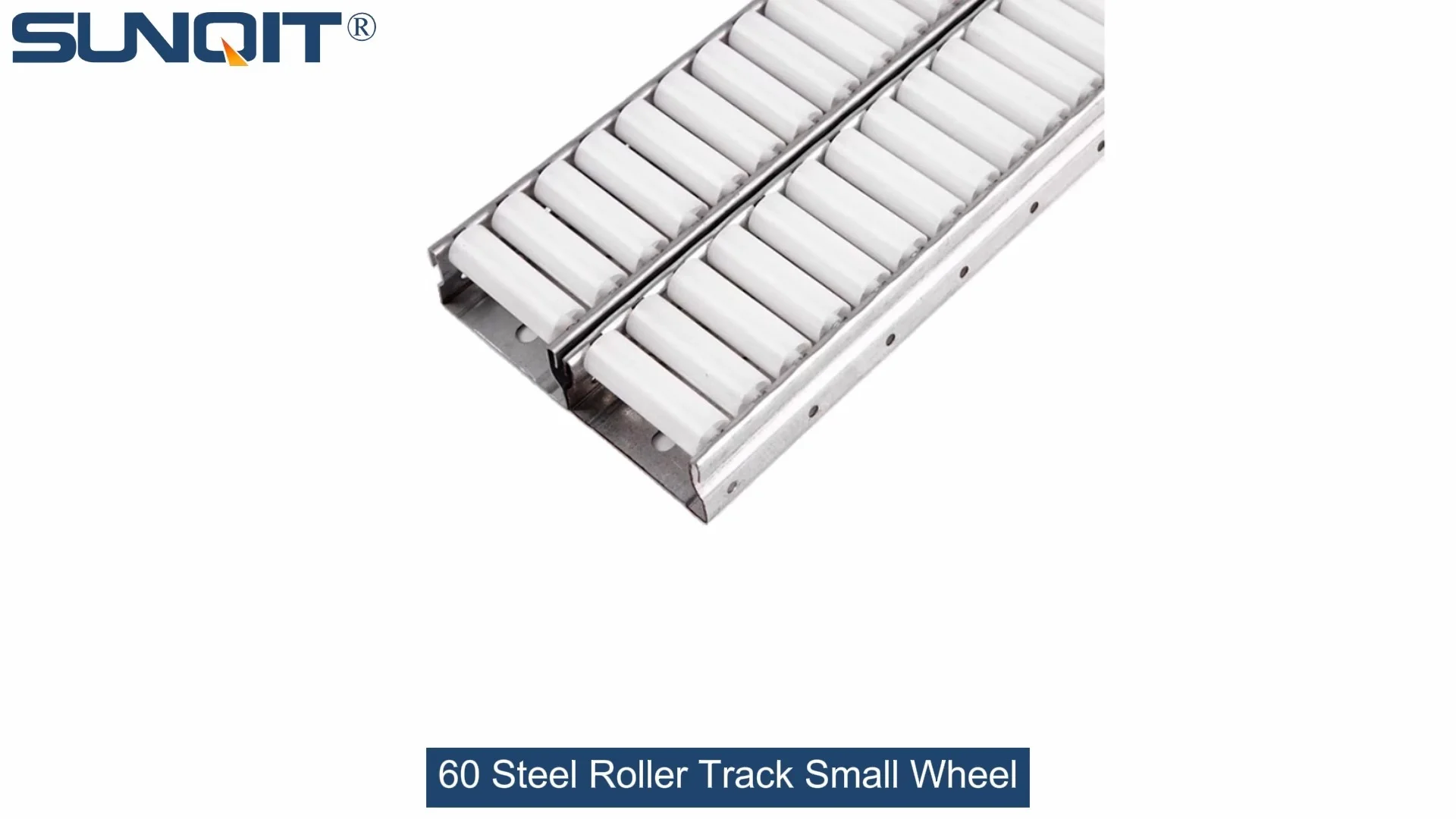
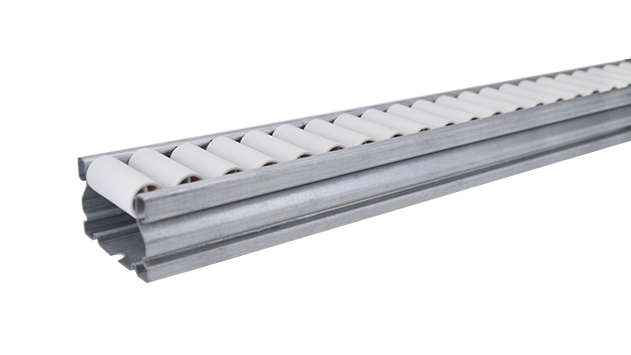
First things first—what exactly are 60 Steel Roller Track Small Wheels? Let's break down the name. The "60" typically refers to the diameter of the roller, measured in millimeters. These are small, cylindrical rollers made from high-quality steel, designed to fit into roller tracks (also known as flow rails) that are used in various industrial setups. Their small size makes them ideal for handling lighter to medium-weight items, which is perfect for electronic components that aren't overly heavy but are extremely sensitive.
But it's not just their size that matters. These steel rollers are built to last. Unlike plastic rollers that might crack or wear down over time, steel rollers can handle constant use in busy production lines. They're resistant to scratches, impacts, and general wear, which means you won't have to replace them as often—saving you money in the long run. Plus, their smooth surface ensures that components glide over them without getting stuck or damaged.
Another key feature is their compatibility with various track systems. Whether you're using them in a gravity-fed flow rack, a powered conveyor, or an ESD workbench, these 60 steel rollers can be easily integrated. They're designed to fit standard track sizes, so you don't have to worry about custom modifications unless you have very specific needs. Most models also come with easy-to-install connectors, making setup quick and straightforward for your team.
Load capacity is another important factor. These small steel rollers can typically handle loads ranging from a few kilograms up to 50 kilograms per meter of track, depending on the specific model. That's more than enough for most electronic components, which are lightweight but need stable support to prevent damage during movement.
Static Control: Why It Matters for Electronic Components
To understand why static control is crucial for electronic components, let's start with the basics of electrostatic discharge (ESD). Static electricity builds up when two materials rub against each other—like when a component is moved across a surface, or when a worker's hand touches a plastic part. This buildup creates an electric field, and when that field comes into contact with a conductive material (like a microchip), it discharges quickly. Even a discharge of 50 volts can damage a sensitive component, and some microchips are vulnerable to discharges as low as 10 volts.
The problem with ESD damage is that it's often "latent." That means the component might not fail immediately; instead, it could fail weeks or months later when the device is already in the hands of a customer. This leads to product returns, warranty claims, and a damaged reputation for your brand. According to some industry estimates, ESD damage costs the electronics industry billions of dollars every year. That's a huge amount of money that could be saved with proper static control measures.
So what are the common static control measures? They include ESD workbenches with conductive surfaces, anti-static flooring, wrist straps for workers, and ESD-safe packaging. But one area that's often overlooked is the equipment used to move components around—like conveyor systems and flow racks. If these systems aren't static-safe, they can generate static electricity as components move over them, leading to unexpected damage.
Do 60 Steel Roller Track Small Wheels Address Static Control?
The short answer: it depends on the specific product. But many 60 Steel Roller Track Small Wheels are designed with static control in mind. Let's look at why and how:
-
Conductive Steel Materials:
Some models of these rollers are made from conductive steel, which means they can dissipate static electricity instead of letting it build up. Conductive steel has a low electrical resistance, allowing static charges to flow through the roller to the track and then to the ground. This prevents any buildup that could damage components.
-
Anti-Static Coatings:
Even if the roller isn't made from conductive steel, it might have an anti-static coating. These coatings are designed to reduce the friction between the roller and the component, which minimizes static generation. They also help dissipate any static that does build up, keeping components safe.
-
Grounding Integration:
Most roller track systems that use these steel wheels can be grounded. This means the entire track is connected to an earth ground, so any static charges on the rollers or components are immediately drained away. For example, if the track is part of a conveyor system that's connected to an ESD workbench, the grounding path is already in place, making the rollers part of a comprehensive static control solution.
-
Smooth Movement Reduces Friction:
Friction is one of the main causes of static electricity. The small size and smooth design of these steel rollers ensure that components move across them with minimal friction. This reduces the amount of static generated in the first place, which is the best way to prevent damage.
It's important to note that not all 60 Steel Roller Track Small Wheels are ESD-compliant. Some are designed for general use and don't have any static control features. So when you're choosing these rollers for electronic component handling, you need to check the product specifications to make sure they're rated for ESD protection. Look for terms like "conductive," "anti-static," or "ESD-safe" in the product description.

Where Do These Rollers Fit in Electronic Component Handling?
60 Steel Roller Track Small Wheels are versatile and can be used in a variety of setups within the electronics industry. Let's look at some common applications:
Conveyor Systems:
In assembly lines, conveyor systems are used to move components from one station to another. For example, a circuit board might start at a soldering station, then move to a testing station, then to a packaging station. If the conveyor uses ESD-compliant 60 steel rollers, it ensures that the circuit board isn't damaged by static during this journey. Powered conveyors with these rollers are especially useful for high-volume production lines where components need to move quickly and smoothly.
Flow Racks:
Flow racks are a key part of lean manufacturing systems. They use gravity to move components from the back of the rack (where they're stored) to the front (where workers pick them). This reduces the time workers spend reaching for components and keeps the production line moving efficiently. 60 steel rollers are perfect for flow racks because they're smooth and durable, and if they're ESD-compliant, they protect sensitive components from static damage. For example, a flow rack in a 3C assembly line might hold small electronic parts like phone screens or batteries, and the steel rollers ensure these parts slide down safely.
Workstations:
ESD workbenches are essential for any area where components are assembled or tested. These workbenches often have roller tracks attached to them, allowing workers to move components easily without touching them directly. 60 steel rollers on these tracks keep the components static-free, so workers can focus on assembly without worrying about damaging the parts. Some workstations also use these rollers to create a "buffer zone" where components are placed before being assembled, ensuring they're not exposed to static until they're ready to be used.
Storage and Distribution:
Even in storage areas, static control is important. 60 steel roller track small wheels can be used in storage racks to move boxes of components around. If the racks are grounded, the rollers prevent static buildup on the boxes, keeping the components inside safe until they're needed for production.
How Do They Stack Up Against Other Rollers?
To help you decide if 60 Steel Roller Track Small Wheels are the right choice for your needs, let's compare them with other common roller options used in electronic component handling:
|
Roller Type
|
Static Control Performance
|
Durability
|
Load Capacity
|
Cost
|
Best For
|
|
60 Steel Roller Track Small Wheels (ESD-compliant)
|
Excellent (conductive/anti-static)
|
High (resistant to wear and impact)
|
Medium to High (5-50 kg/m)
|
Medium
|
Heavy components, high-volume production, ESD-sensitive items
|
|
Plastic Roller Track (Yellow/Grey)
|
Variable (some ESD, some not)
|
Medium (can crack under heavy load)
|
Low to Medium (2-20 kg/m)
|
Low
|
Light components, non-sensitive items, low-volume production
|
|
Aluminum Roller Track
|
Excellent (naturally conductive)
|
High (lightweight but strong)
|
High (10-60 kg/m)
|
High
|
Precision handling, high-end electronics, cleanroom environments
|
|
Stainless Steel Roller Track
|
Good (conductive)
|
Very High (corrosion-resistant)
|
High (15-70 kg/m)
|
Very High
|
Harsh environments, food processing (but also used for electronics)
|
As you can see, 60 Steel Roller Track Small Wheels strike a balance between static control, durability, and cost. They're not the cheapest option, but they offer excellent value for money, especially if you're handling ESD-sensitive components in a high-volume production environment. Aluminum rollers are a close competitor, but they're more expensive, so steel rollers are a better choice if you're working within a budget.
Integrating with Lean Solutions
Lean manufacturing is all about maximizing efficiency, reducing waste, and continuous improvement. 60 Steel Roller Track Small Wheels fit perfectly into this philosophy because they're designed to make processes smoother and more efficient. Let's look at how they integrate with common lean solutions:
Flow Racks and Kanban Systems:
Kanban is a lean method that uses visual signals to trigger production or replenishment. Flow racks are a key part of Kanban systems because they make it easy to see when components are running low. 60 steel rollers in these racks ensure components move smoothly to the pick area, so workers can quickly grab what they need without wasting time. This reduces wait times and keeps the production line moving, which is essential for lean manufacturing.
Conveyor Systems and Just-In-Time (JIT) Production:
JIT production is about producing items exactly when they're needed, reducing inventory costs. Conveyor systems with 60 steel rollers help implement JIT by moving components to the assembly line just in time for use. The smooth movement of these rollers ensures components arrive quickly and safely, so production doesn't have to stop waiting for parts.
Lean Pipe Workstations:
Lean pipe systems (also known as flexpipe systems) are used to build custom workstations, racks, and conveyors. 60 steel roller tracks can be easily attached to lean pipe frames, creating flexible workstations that adapt to your changing needs. For example, if you need to adjust the height of a conveyor, you can modify the lean pipe frame without replacing the rollers. This aligns with the "sustainable improvement" aspect of lean systems, as you can reuse the rollers and frames for different setups.
Custom Lean Solutions:
Many manufacturers offer custom lean solutions for specific industries, like 3C assembly or medical device production. 60 steel roller track small wheels are often a key component of these solutions. For example, a custom lean solution for a phone assembly line might include a conveyor system with these steel rollers, connected to ESD workstations where workers assemble the phones. The entire setup is designed to minimize waste, speed up production, and protect sensitive components from static damage.
Final Thoughts: Are 60 Steel Roller Track Small Wheels Right for You?
If you're handling electronic components and need to keep static in check, 60 Steel Roller Track Small Wheels are definitely worth considering. They offer excellent static control (especially if you choose an ESD-compliant model), are durable enough for heavy use, and integrate seamlessly with lean manufacturing systems like flow racks and conveyors.
Here are a few key points to remember when choosing these rollers:
-
Always check if the model is ESD-compliant. Look for terms like "conductive" or "anti-static" in the product specs.
-
Consider your load capacity needs. Make sure the rollers can handle the weight of your components.
-
Think about integration with existing systems. These rollers should fit easily into your current conveyors, flow racks, or workstations.
-
Don't forget about grounding. Even if the rollers are ESD-compliant, you need to ground the track system to ensure static is properly drained away.
Overall, 60 Steel Roller Track Small Wheels are a reliable, cost-effective solution for electronic component handling. They help protect your components from static damage, improve efficiency in your production line, and align with lean manufacturing principles. Whether you're running a small workshop or a large factory, these rollers can make a big difference in your operations.
So next time you're looking for equipment to move your electronic components, give 60 Steel Roller Track Small Wheels a closer look. They might just be the static control solution you've been missing.
