- Company Articles
- Products and Technology
- Product knowledge
- 60 Steel Roller Track Small Wheels for Heavy-Duty Applications: What to Consider

60 Steel Roller Track Small Wheels for Heavy-Duty Applications: What to Consider
Related Product
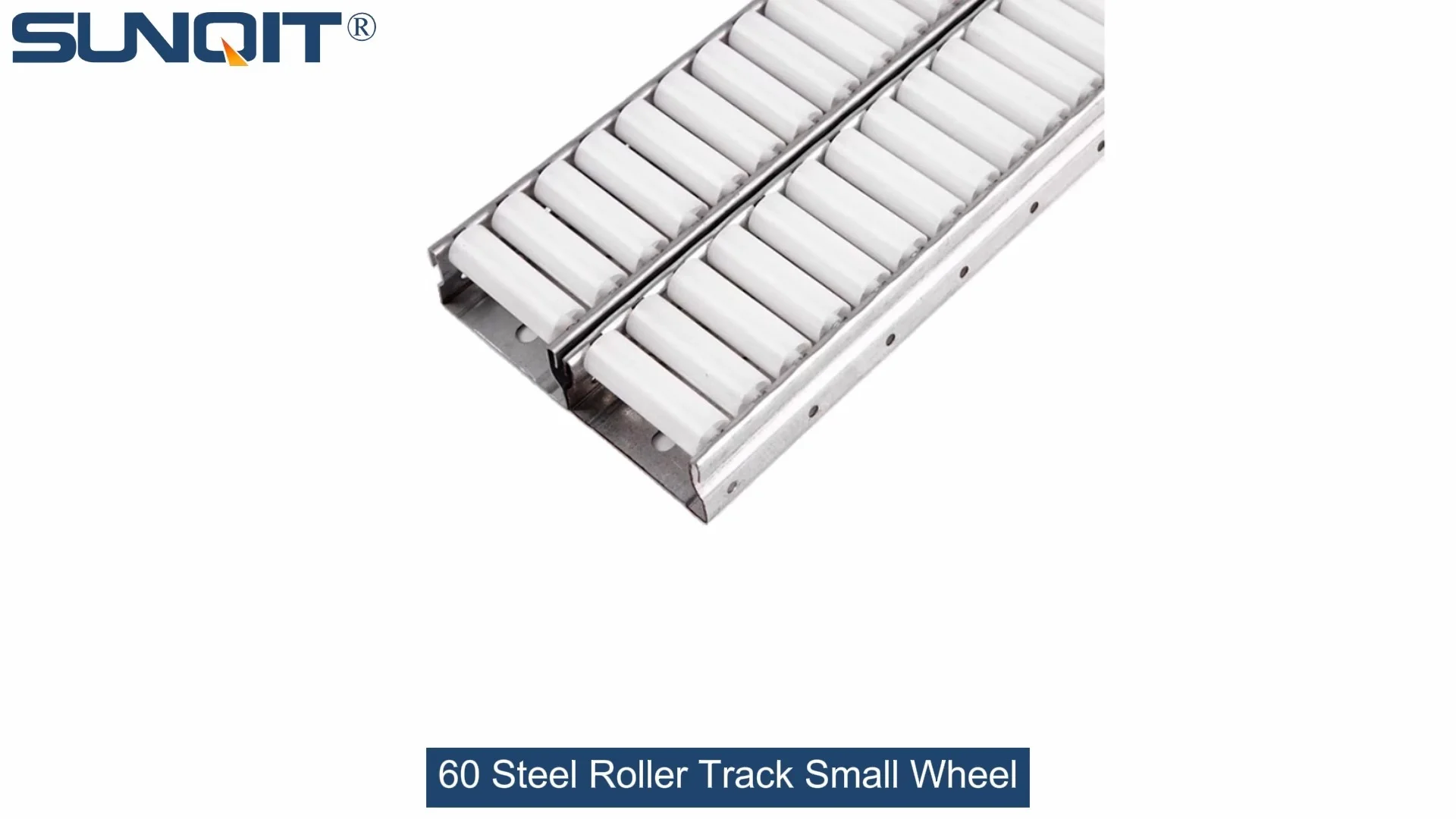
60 Steel Roller Track Small Wheel
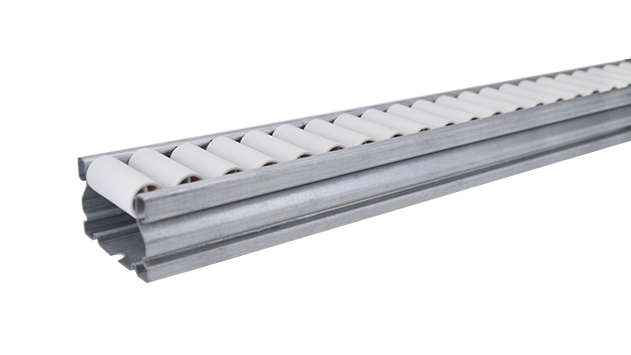
Modular system roller tracks aluminum gravity roller tracks are an excellent solution for transporting materials within industrial environments, warehouses and distribution centres.
On a busy factory floor, heavy components must move from one station to another without a hitch. In a warehouse, pallets of goods need to glide smoothly along racks, reducing worker strain and speeding up operations. Behind these seamless movements are often roller tracks, and at the heart of those tracks are the wheels that make everything possible. For heavy-duty applications, not just any wheels will do—you need something strong, durable, and reliable. That's where 60 steel roller track small wheels come into play. These compact yet robust wheels are designed to handle significant weight while fitting into tight spaces, making them a go-to choice for industries ranging from automotive manufacturing to medical device production. In this article, we'll dive deep into what you need to consider when choosing these wheels for your heavy-duty needs, exploring their features, benefits, and how they integrate into larger lean systems and solutions.
What Are 60 Steel Roller Track Small Wheels?
60 steel roller track small wheels are specialized components designed for use on 60mm-wide roller tracks, commonly found in material handling systems across various industries. As the name suggests, these wheels are made from high-quality steel, which gives them the strength to support heavy loads—often ranging from hundreds to thousands of kilograms—while their small diameter allows for greater flexibility in system design. Unlike larger wheels that may require more space, these small wheels can fit into tighter configurations, making them ideal for compact workstations, flow racks, and conveyors where space is at a premium.
These wheels typically feature precision bearings (either ball or roller bearings) to ensure smooth rotation even under heavy loads. The steel construction provides excellent resistance to wear and tear, making them suitable for continuous use in high-traffic environments. Depending on the application, they may also have surface treatments like galvanization or powder coating to enhance corrosion resistance, which is crucial for industries like food processing or outdoor storage where exposure to moisture is common.
Key Considerations When Choosing 60 Steel Roller Track Small Wheels
1. Load Capacity
The most critical factor to consider when selecting 60 steel roller track small wheels is their load capacity. This refers to the maximum weight each wheel can support without failing or deforming. It's important to calculate both the static load (weight when the wheel is stationary) and dynamic load (weight when the wheel is moving) requirements for your application. For example, if you're using these wheels in a conveyor system that transports 1000kg pallets, you need to ensure that each wheel can handle a portion of that weight, accounting for the number of wheels in contact with the pallet at any given time.
| Application Type | Typical Load Per Wheel (kg) | Recommended Wheel Material |
|---|---|---|
| Lightweight Parts Handling | 50-150 | Galvanized Steel |
| Medium-Duty Pallets | 150-300 | Stainless Steel |
| Heavy-Duty Industrial Components | 300-500+ | High-Carbon Steel |
Underestimating load capacity can lead to premature wheel failure, which not only disrupts operations but also poses safety risks. Always choose wheels with a load capacity that exceeds your expected maximum load to account for unexpected surges or uneven weight distribution.
2. Material Quality and Durability
The quality of the steel used in the wheels directly impacts their durability and performance. High-carbon steel is often preferred for heavy-duty applications because of its exceptional strength and resistance to deformation. Stainless steel is a better choice for environments where corrosion is a concern, such as medical facilities or outdoor storage areas. Galvanized steel, which has a zinc coating, offers a balance between strength and corrosion resistance at a more affordable price point.
It's also important to check the quality of the bearings. Sealed bearings are ideal for dusty or dirty environments as they prevent debris from entering and causing friction. Open bearings may be sufficient for clean environments but require more frequent lubrication to maintain smooth operation.
3. Wheel Size and Design
While these wheels are classified as "small," their exact dimensions can vary. The diameter of the wheel affects both its load capacity and the height of the track system. Smaller diameter wheels have a lower profile, which is beneficial for low-height conveyors or flow racks, but they may have a slightly lower load capacity compared to larger wheels of the same material. The width of the wheel should match the width of the roller track to ensure stable movement and prevent derailing.
The design of the wheel's surface is another consideration. Some wheels have a flat surface, while others may have a slightly curved profile to better grip the track. For applications where precise alignment is important, wheels with a V-groove or U-groove design can help keep the load centered on the track.
4. Compatibility with Existing Systems
Before purchasing 60 steel roller track small wheels, it's essential to ensure they are compatible with your existing material handling systems. This includes checking the track width, the spacing between wheels, and the mounting mechanism. For example, if you're adding these wheels to an existing flow rack, you need to make sure the wheel spacing matches the rack's design to support the loads properly.
Compatibility with other components like conveyors and caster wheels is also important. If your roller track is mounted on caster wheels for mobility, the combined load capacity of the roller wheels and casters must be sufficient to support the total weight of the system and its contents.
5. Application-Specific Requirements
Different industries have unique requirements that should influence your choice of wheels. For instance, in the medical device industry, wheels must be easy to clean and resistant to chemicals, so stainless steel wheels with smooth surfaces are preferred. In the automotive industry, where heavy parts are moved frequently, high-carbon steel wheels with high load capacities are necessary. For food processing facilities, wheels must be corrosion-resistant and meet hygiene standards, often requiring stainless steel or food-grade coatings.
In lean manufacturing environments, where flexibility and continuous improvement are key, these wheels play a vital role in creating adaptable systems. They can be easily reconfigured as production needs change, making them an integral part of lean solutions that focus on reducing waste and improving efficiency.
Benefits of Using 60 Steel Roller Track Small Wheels
There are several key benefits to using these wheels in heavy-duty applications:
1. Enhanced Durability:
Steel construction ensures these wheels can withstand heavy loads and continuous use without wearing out quickly, reducing the need for frequent replacements and lowering maintenance costs.
2. Improved Efficiency:
Smooth-rolling wheels reduce friction, making it easier to move heavy loads manually or with minimal power. This can speed up material handling processes and reduce worker fatigue.
3. Space Optimization:
Their small size allows for more compact system designs, which is crucial in facilities where space is limited. This can help maximize storage capacity and improve workflow efficiency.
4. Flexibility:
These wheels are compatible with a wide range of roller tracks, flow racks, and conveyors, making them easy to integrate into existing systems or reconfigure as needs change. This flexibility aligns with lean manufacturing principles, enabling continuous improvement and adaptation.
5. Safety:
High-quality steel wheels are less likely to fail under heavy loads, reducing the risk of accidents and injuries in the workplace. Smooth operation also minimizes the chance of loads tipping or falling off the track.

Integration with Lean Systems and Solutions
Lean manufacturing is all about eliminating waste and optimizing processes, and 60 steel roller track small wheels are a perfect fit for this philosophy. They are part of a lean system that emphasizes flexibility, reusability, and continuous improvement. For example, in a lean solution for 3C assembly, these wheels can be used in flow racks to deliver components directly to the workstation, reducing the time workers spend retrieving parts and minimizing movement waste.
Conveyors equipped with these wheels can be easily reconfigured to accommodate changes in production lines, allowing manufacturers to adapt quickly to new product designs or demand fluctuations. This adaptability is a key component of lean manufacturing, as it helps reduce downtime and improve overall efficiency.
Additionally, the durability of these wheels means they can be reused in different systems as needs change, aligning with the lean principle of sustainability. Instead of replacing entire systems when production requirements shift, manufacturers can simply reconfigure the existing components, including the roller wheels, to create new workflows.
Common Mistakes to Avoid
When selecting 60 steel roller track small wheels, there are several common mistakes that can lead to poor performance or system failure:
1. Underestimating Load Capacity:
This is the most frequent mistake. Always calculate the maximum load your system will handle and choose wheels with a capacity that exceeds this by a safety margin.
2. Ignoring Corrosion Resistance:
In environments where moisture or chemicals are present, using uncoated steel wheels can lead to rust and premature failure. Always choose the appropriate surface treatment for your application.
3. Overlooking Compatibility:
Failing to check compatibility with existing tracks, racks, or conveyors can result in a system that doesn't work as intended, leading to wasted time and money.
4. Neglecting Maintenance:
Even high-quality steel wheels require regular maintenance, such as lubrication and cleaning, to ensure smooth operation. Skipping these steps can lead to increased friction, wear, and eventual failure.
Maintenance Tips for Longevity
To maximize the lifespan of your 60 steel roller track small wheels, follow these maintenance tips:
1. Regular Cleaning:
Remove debris and dust from the wheels and tracks to prevent friction and wear. Use a soft brush or cloth to avoid scratching the surface.
2. Lubrication:
Lubricate the bearings at regular intervals (as recommended by the manufacturer) to ensure smooth rotation. Use a lubricant that is compatible with the wheel material and the environment.
3. Inspection:
Check the wheels for signs of wear, such as cracks, dents, or uneven surfaces. replace any damaged wheels immediately to prevent system failure.
4. Alignment Check:
Ensure the wheels are properly aligned on the track to prevent derailing and uneven wear. Adjust the mounting brackets if necessary.
Conclusion
60 steel roller track small wheels are a versatile and essential component for heavy-duty material handling applications. By considering factors like load capacity, material quality, size, compatibility, and application-specific requirements, you can choose the right wheels to optimize your system's performance. These wheels not only enhance efficiency and durability but also integrate seamlessly into lean systems and solutions, supporting continuous improvement and flexibility in manufacturing and warehousing operations. With proper maintenance, they can provide reliable service for years, making them a smart investment for any business looking to improve its material handling processes.