- Company Articles
- Products and Technology
- Product knowledge
- 60 Steel Roller Track Small Wheels for Lightweight vs. Heavy-Duty Material Racks

60 Steel Roller Track Small Wheels for Lightweight vs. Heavy-Duty Material Racks
Related Product
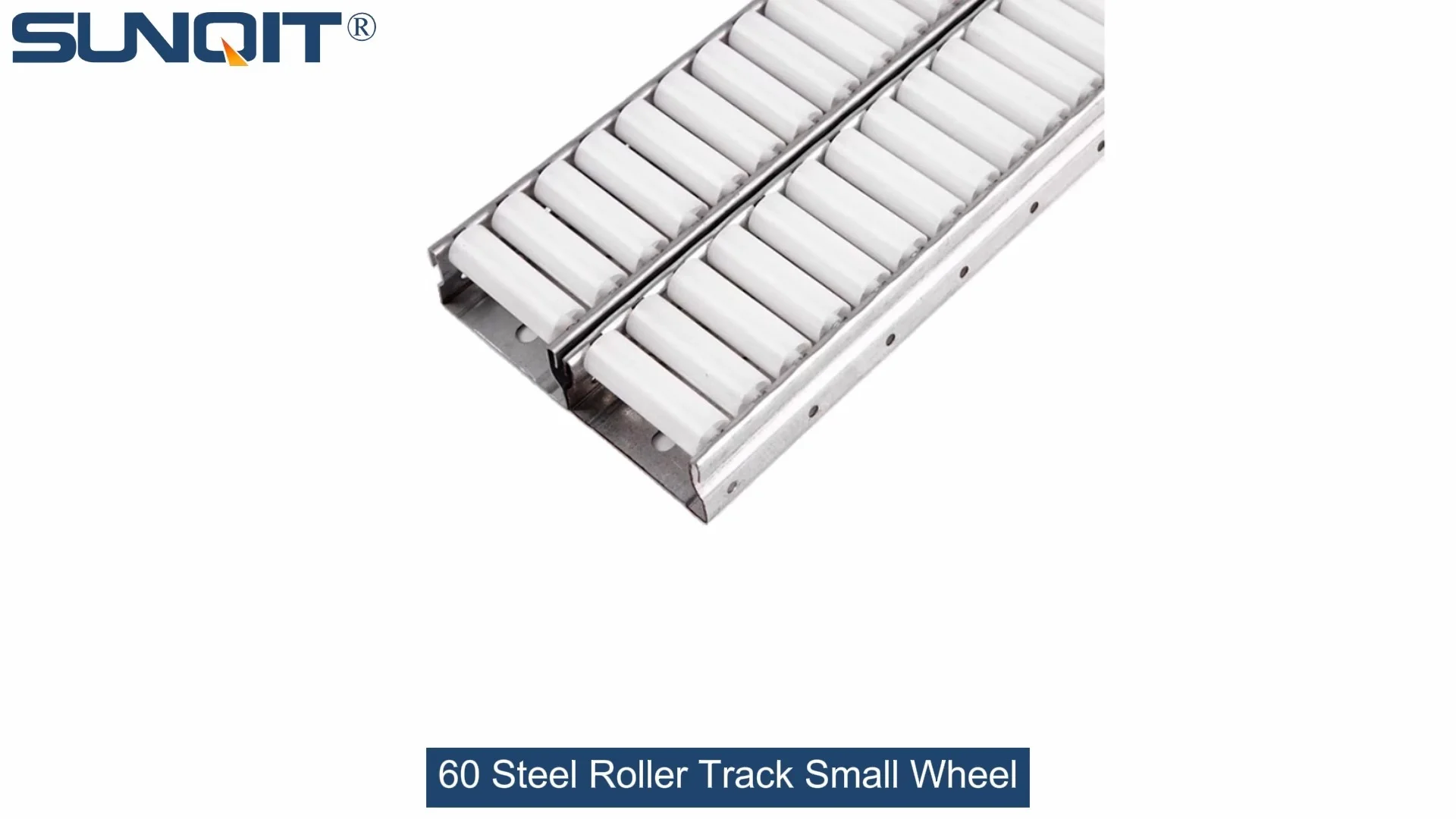
60 Steel Roller Track Small Wheel
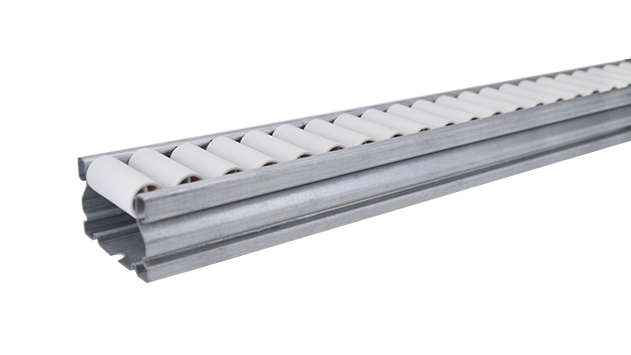
Modular system roller tracks aluminum gravity roller tracks are an excellent solution for transporting materials within industrial environments, warehouses and distribution centres.
Material handling is the unsung hero of any manufacturing or warehouse operation. Every time a component glides smoothly from a shelf to a workstation, or a cart rolls effortlessly across the floor, there's a small but critical part working behind the scenes: the roller track wheel. Today, we're diving deep into one of the most versatile options out there—60 steel roller track small wheels—and how they perform in two common scenarios: lightweight and heavy-duty material racks. Whether you're managing a bustling 3C assembly line or a large-scale automotive parts warehouse, understanding the nuances of these wheels can make all the difference in efficiency, cost savings, and long-term reliability.
What Are 60 Steel Roller Track Small Wheels?
Before we jump into comparisons, let's get to know the star of the show: 60 steel roller track small wheels. These wheels are exactly what they sound like—small-diameter roller wheels made from high-grade steel, designed to fit into 60mm wide roller tracks. But don't let their size fool you; they're packed with features that make them a go-to choice for many material handling needs.
First, their steel construction gives them durability that plastic or aluminum wheels can't match. Steel resists wear and tear, even under constant use, and can handle higher temperatures and harsher environments—from dusty warehouses to humid assembly lines. The small wheel diameter (typically 25-30mm) means they're ideal for applications where space is limited, or where materials need to move with precision, like in electronics manufacturing.
Another key feature is their compatibility with standard roller track systems. Whether you're using a pre-built material rack or designing a custom solution, 60 steel roller track small wheels can easily integrate into your setup. They come in various configurations: some with sealed bearings for smooth movement, others with open bearings for heavy loads, and many with corrosion-resistant coatings to protect against rust. This versatility makes them suitable for almost any industry.
Lightweight Material Racks: When and Why to Use Them
Lightweight material racks are designed for handling smaller, lighter items—think components for consumer electronics, small medical devices, or packaging materials. These racks are often used in industries like 3C assembly, where products are delicate and need to be moved quickly and safely from one station to another.
What makes a material rack "lightweight"? Typically, they have a lower load capacity per shelf (usually up to 50kg per level) and are made from lighter materials like aluminum or plastic. But even lightweight racks need reliable wheels to keep operations running smoothly. That's where 60 steel roller track small wheels come in.
In lightweight applications, the focus is on speed and agility. Workers need to access materials quickly, and the rack should be easy to reposition if needed. 60 steel roller track small wheels excel here because they're smooth-rolling, allowing for easy movement of bins or trays along the track. Their small size also means they don't add unnecessary bulk to the rack, keeping it compact and efficient.
For example, in a 3C assembly line, a lightweight material rack with 60 steel roller track small wheels can hold small circuit boards or components. Workers can slide the bins along the track to grab what they need without wasting time lifting heavy loads. This not only speeds up production but also reduces the risk of worker fatigue and injury—critical in fast-paced environments.
Heavy-Duty Material Racks: Strength Meets Reliability
On the other end of the spectrum are heavy-duty material racks, built to handle large, bulky items like automotive parts, industrial machinery components, or heavy tools. These racks need to support much higher weights—sometimes up to 500kg or more per shelf—and must be sturdy enough to withstand constant use in harsh environments.
Heavy-duty racks are common in industries like automotive manufacturing, where parts like engine components or body panels are large and heavy. They're also used in warehouse logistics for storing pallets or large containers. In these scenarios, the wheels on the roller track need to be strong enough to bear the weight without bending or breaking.
60 steel roller track small wheels are surprisingly capable in heavy-duty applications, thanks to their steel construction. Even though they're small, they can handle significant loads when properly installed and maintained. The steel material resists deformation under pressure, ensuring that the wheels keep rolling smoothly even with heavy items on the track. For example, Material Rack B (a 3 row and 3 floor rack from our product line) is designed for heavy-duty applications, and using 60 steel roller track small wheels with reinforced bearings allows it to support up to 300kg per shelf.
In an automotive warehouse, a heavy-duty material rack with these wheels might hold bins of engine parts weighing 80kg each. The wheels need to hold the weight of the parts while allowing workers to slide the bins out easily for access. Steel wheels are the perfect choice here because they're durable and can handle the constant stress of heavy loads.

60 Steel Roller Track Small Wheels: Light vs. Heavy Loads
Now that we've covered the basics of lightweight and heavy-duty material racks, let's take a closer look at how 60 steel roller track small wheels perform in each scenario. To make it easier, we've put together a detailed comparison table:
| Aspect | Lightweight Material Racks | Heavy-Duty Material Racks |
|---|---|---|
| Typical Load Capacity per Wheel | Up to 20kg | 20kg to 100kg+ |
| Key Industry Applications | 3C assembly, medical device manufacturing, packaging, consumer electronics | Automotive, industrial machinery, warehouse logistics, heavy equipment |
| Wheel Features | Smooth sealed bearings, corrosion-resistant coating, thin steel gauge (1.2mm) | Reinforced steel construction (1.5-2.0mm), heavy-duty open bearings, thicker wheel diameter |
| Maintenance Needs | Occasional lubrication (every 6 months), cleaning to remove dust/debris | Regular lubrication (every 2-3 months), monthly inspection for wear, tightening of fasteners |
| Benefits | Agile, space-efficient, reduces worker fatigue, low initial cost | Durable, reliable, handles heavy loads without failure, long lifespan |
| Common Configurations | Standard wheels with sealed bearings, static-free coating | Reinforced wheels with open bearings, anti-slip surface |
As you can see, 60 steel roller track small wheels are versatile enough to handle both light and heavy loads, but the specific configuration you choose will depend on your needs. For lightweight racks, you might opt for wheels with standard bearings and a thinner steel gauge. For heavy-duty racks, reinforced wheels with heavy-duty bearings are the way to go. Consulting with a supplier can help you find the perfect fit for your application.
Integrating with Lean Systems: Flow Racks, Conveyors, and Beyond
60 steel roller track small wheels aren't just for material racks—they're a key component of lean systems that help businesses reduce waste and improve efficiency. Let's explore how they integrate with other lean solutions:
Flow Racks: Streamlining Material Flow
Flow racks are a staple of lean manufacturing, designed to ensure that materials are always available at the point of use. They use gravity to move materials from the back of the rack to the front, so workers don't have to reach or search for items. 60 steel roller track small wheels are perfect for flow racks because they provide smooth, consistent movement, allowing materials to glide easily along the track.
For example, a flow rack in a 3C assembly line might use these wheels to move bins of components from the storage area to the assembly station. As workers take components from the front bin, the next bin slides forward automatically, ensuring a continuous supply of materials. This reduces downtime and keeps the assembly line running smoothly. The modular design of flow racks means they can be reconfigured as production needs change, aligning with the lean principle of continuous improvement.
Conveyors: Automating Movement
Conveyors are another essential part of lean systems, automating the movement of materials between workstations. 60 steel roller track small wheels are often used in roller conveyors, where they support the weight of items as they move along the belt. The steel wheels are durable enough to handle constant use, making them ideal for high-volume production lines.
In an automotive manufacturing plant, a roller conveyor with 60 steel wheels might transport engine components from the machining area to the assembly line. The wheels ensure that the components move smoothly and safely, reducing the risk of damage and improving overall efficiency. These conveyors can also be integrated with sensors and controls to create a fully automated system, further reducing waste and increasing productivity.
Lean Pipe Workbenches: Creating Connected Workspaces
Lean pipe workbenches are modular workstations that can be customized to fit any production need. They often include integrated roller tracks to move materials directly to the worker's desk. 60 steel roller track small wheels are a great addition to these workbenches, as they allow for easy movement of parts and tools without cluttering the workspace.
A lean pipe workbench in a medical device factory might use these wheels to slide trays of instruments to the worker's side. This keeps the workspace organized and ensures that tools are always within reach, improving productivity by up to 20% and reducing errors. The modular nature of these workbenches means they can be adjusted as the production process evolves—another example of how lean systems support continuous improvement.
Lean Solution Philosophy: Reusable and Sustainable
One of the core principles of lean manufacturing is sustainability—reducing waste and using resources efficiently. 60 steel roller track small wheels align with this philosophy because they're durable and reusable. Unlike plastic wheels that need to be replaced frequently, steel wheels can last for years with proper maintenance. This reduces waste and lowers long-term costs for businesses.
Additionally, these wheels are compatible with modular systems, meaning they can be reused in different configurations as the production line changes. For example, if a company switches from manufacturing small components to larger parts, they can remove the wheels from their lightweight racks and install them in heavy-duty racks (with the appropriate reinforcements), rather than buying new wheels. This not only saves money but also reduces the environmental impact of production.
Choosing the Right Solution: Customization for Your Unique Needs
Every business has unique material handling needs, which is why one-size-fits-all solutions often fall short. The best approach is to work with a supplier that offers custom solutions tailored to your specific industry and application.
For example, if you're in the 3C assembly industry, you might need lightweight material racks with 60 steel roller track small wheels that are static-free to protect delicate components. If you're in automotive manufacturing, you might need heavy-duty racks with reinforced wheels to support large parts. A good supplier will work with you to assess your needs, design a custom solution, and provide ongoing support to ensure that your system continues to perform optimally.
When choosing a supplier, look for one that offers a wide range of products and accessories—like different types of bearings, coatings, and fasteners—to enhance the performance of your 60 steel roller track small wheels. Also, consider their experience in your industry: a supplier with expertise in 3C assembly will understand your unique challenges better than a generalist.
Maintenance Tips to Maximize Lifespan
To get the most out of your 60 steel roller track small wheels, proper maintenance is key. Here are some detailed tips to keep them running smoothly:
- Regular Lubrication: Apply a high-quality lithium-based lubricant to the bearings every 3-6 months. For environments with high dust or moisture, lubricate every 2 months. Avoid using oil-based lubricants, as they can attract dust and cause buildup. For food processing or medical device industries, use food-grade or medical-grade lubricants to meet safety standards.
- Cleaning: Wipe down the wheels and tracks with a dry cloth every week to remove dust and debris. For stubborn grease or oil buildup, use a mild detergent and warm water, then dry thoroughly to prevent rust. In industrial environments with heavy debris, use a brush to scrub the wheels and tracks monthly.
- Inspection: Check the wheels for signs of wear at least once a month. Look for cracks in the steel, bent rims, or worn bearings. If the wheel spins unevenly or makes a grinding noise, it's time to replace it. Also, inspect the tracks for damage—dents or warping can cause the wheels to jam.
- Tightening Fasteners: Use a torque wrench to tighten the bolts and nuts holding the wheels in place to the manufacturer's recommended torque (usually 10-15 Nm). Loose fasteners can cause the wheels to wobble, leading to uneven wear and potential accidents.
- Load Capacity: Always check the load capacity of your wheels before use. Overloading can cause the wheels to bend or break, leading to costly repairs and downtime. If you're unsure about the load capacity, consult the manufacturer's specifications or contact your supplier for guidance.
- Storage: If you're not using the wheels for an extended period, store them in a dry, cool place to prevent rust. Apply a thin layer of lubricant before storage to protect the bearings. Avoid stacking the wheels, as this can cause deformation.
By following these maintenance tips, you can extend the lifespan of your 60 steel roller track small wheels by up to 50%, reducing replacement costs and minimizing downtime. For example, a company that follows these tips might replace wheels every 5 years instead of every 3, saving thousands in replacement parts over time.
Conclusion: Investing in the Right Wheels for Long-Term Efficiency
60 steel roller track small wheels are a versatile and reliable choice for both lightweight and heavy-duty material racks. Whether you're in 3C assembly, automotive manufacturing, or warehouse logistics, these wheels can help you improve efficiency, reduce waste, and create a safer working environment.
The key is to choose the right configuration for your needs—whether that's standard wheels for lightweight applications or reinforced wheels for heavy loads. Working with a supplier that offers custom solutions can help you design a system that fits your unique requirements and integrates seamlessly with your existing lean systems.
Remember, investing in high-quality wheels is an investment in your business's long-term success. By choosing 60 steel roller track small wheels, you're getting a durable, low-maintenance solution that will keep your operations running smoothly for years to come. So why wait? Start exploring how these wheels can transform your material handling system today.