- Company Articles
- Products and Technology
- Product knowledge
- 60 Steel Roller Track Small Wheels for Manual vs. Automated Material Handling

60 Steel Roller Track Small Wheels for Manual vs. Automated Material Handling
Related Product
60 Steel Roller Track Small Wheel
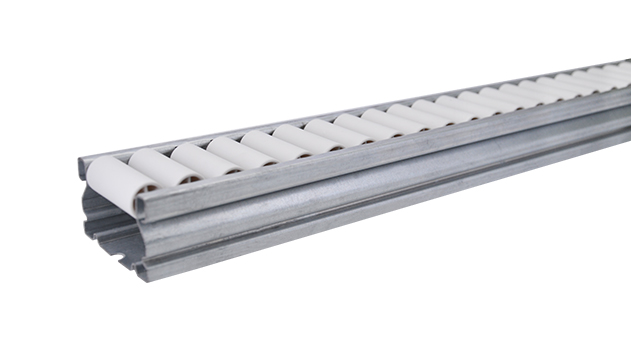
Modular system roller tracks aluminum gravity roller tracks are an excellent solution for transporting materials within industrial environments, warehouses and distribution centres.
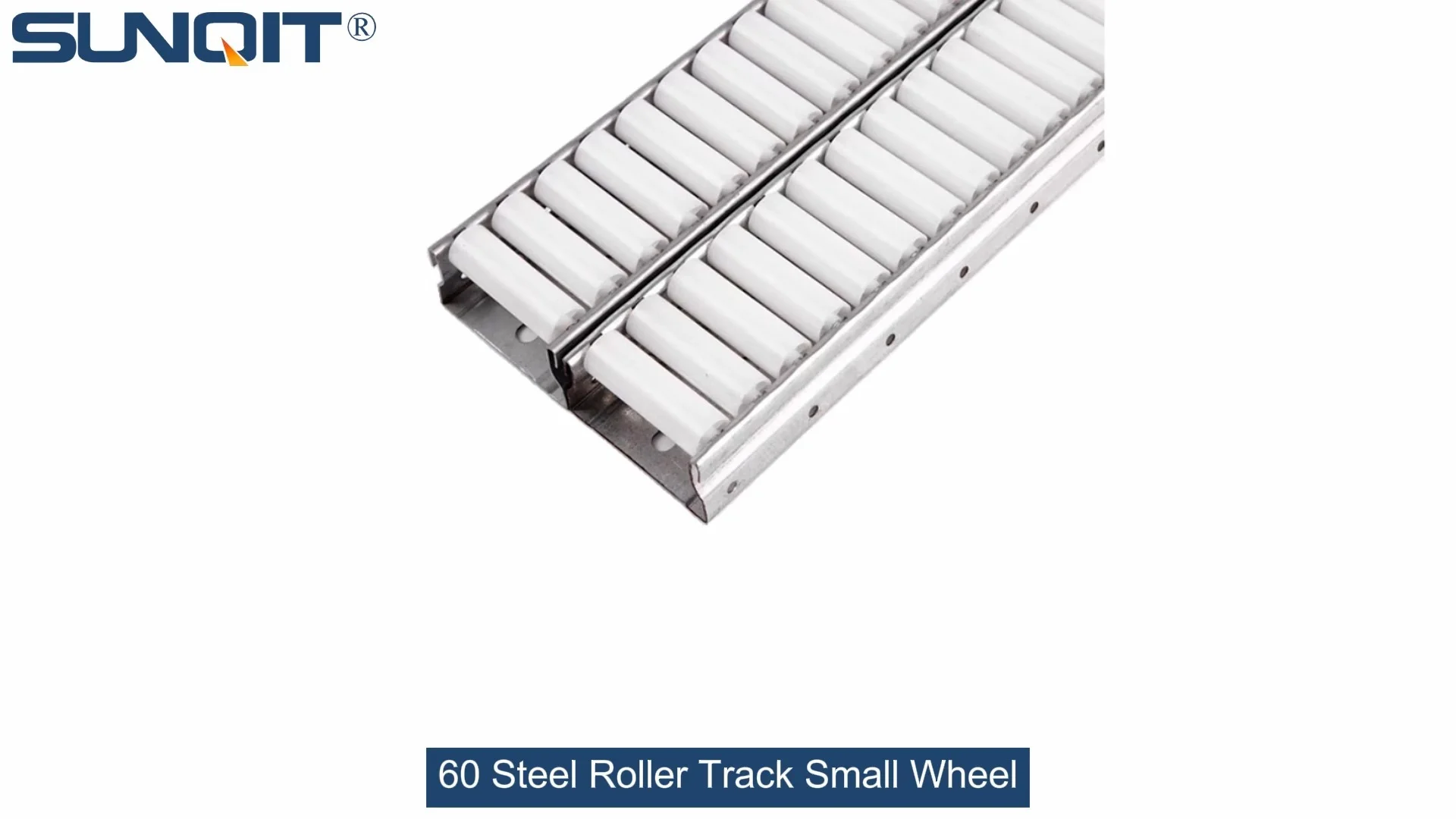
Material handling is the unsung hero of every manufacturing floor and warehouse. It's the quiet force that keeps products moving from one station to the next, ensuring that production lines run smoothly and orders get fulfilled on time. Among the many components that make this possible, 60 steel roller track small wheels stand out as a versatile and essential tool. These small but mighty wheels are the backbone of both manual and automated material handling systems, bridging the gap between human-led operations and machine-driven efficiency. In this article, we'll dive deep into how these roller tracks perform in both settings, their benefits, use cases, and how to choose the right setup for your business.
Manual Material Handling with 60 Steel Roller Track Small Wheels
Manual material handling is still a cornerstone of many industries, especially where precision, flexibility, or small batch production is key. Think about a 3C assembly line where workers assemble smartphones or tablets—each component is delicate, and the process requires careful human attention. Here, 60 steel roller track small wheels shine because they allow workers to move parts quickly and easily without straining themselves.
One common application is in flow racks. Flow racks equipped with these roller tracks let parts slide down to the picking station, following the first-in-first-out (FIFO) principle. This not only keeps the workspace organized but also reduces the time workers spend reaching for parts. For example, a material rack with 60 steel roller tracks can hold bins of small electronic components, and as each bin is emptied, the next one slides forward automatically. This simple setup boosts productivity by cutting down on unnecessary movements.
Another use case is alongside lean pipe workbenches. Imagine a workstation where an operator is assembling a medical device. The workbench is surrounded by roller tracks that bring necessary tools and parts right to their fingertips. The 60 steel wheels ensure that even heavier bins glide smoothly, so the operator doesn't have to lift or carry anything heavy. This not only improves efficiency but also reduces the risk of workplace injuries, which is crucial in industries like healthcare where worker safety is a top priority.
Benefits of using these roller tracks in manual setups include:
- Flexibility: They can be easily adjusted or reconfigured to fit changing production needs. If a line needs to be rearranged for a new product, the roller tracks can be moved or modified without much hassle.
- Cost-Effectiveness: Manual systems with roller tracks are generally cheaper to set up and maintain compared to automated ones. They don't require complex software or power sources, making them accessible for small to medium-sized businesses.
- Ergonomics: By reducing the need for lifting and carrying, these tracks help create a more ergonomic workspace, leading to happier and more productive employees.
Let's take a real-world example. A small 3C assembly plant uses 60 steel roller tracks in their manual workstations. Each station has a flow rack attached, holding components like circuit boards and screws. When an operator needs a part, they simply pull the bin from the track, which slides easily due to the small steel wheels. This setup has reduced the time spent on material retrieval by 20%, allowing the plant to increase their daily output without adding more staff.
Automated Material Handling with 60 Steel Roller Track Small Wheels
As industries move towards Industry 4.0, automated material handling systems are becoming more common. These systems use machines, conveyors, and software to move materials without human intervention. 60 steel roller track small wheels are a key component here because they provide a smooth surface for automated conveyors to transport items.
Conveyors equipped with these roller tracks are used in lean solutions to create efficient production lines. For example, in an automotive manufacturing plant, automated conveyors with 60 steel wheels move car parts from one assembly station to the next. The wheels ensure that the parts move at a consistent speed, which is essential for synchronization with robotic arms and other automated equipment. This reduces the risk of errors and increases the overall efficiency of the line.
Another application is in ESD workstations for sensitive electronic components. ESD (Electrostatic Discharge) workstations are designed to prevent static electricity from damaging delicate parts. Automated conveyors with 60 steel roller tracks can transport these parts to ESD workstations without human contact, minimizing the risk of static discharge. This is crucial in industries like medical device manufacturing, where even a small static shock can ruin a product.
Benefits of using these roller tracks in automated setups include:
- Consistency: Automated systems with roller tracks move materials at a steady pace, ensuring that production lines run smoothly and predictably.
- Scalability: These systems can handle high volumes of materials, making them ideal for large-scale manufacturing. As production increases, the conveyor system can be expanded with additional roller tracks.
- Reduced Labor Costs: By automating material handling, businesses can reduce the number of workers needed for manual tasks, freeing them up for more skilled roles.
Consider a large logistics warehouse that uses automated conveyors with 60 steel roller tracks. The warehouse processes thousands of orders daily, and the conveyors move packages from the storage area to the packing station. The small steel wheels allow the packages to glide quickly and smoothly, even when they're heavy. This setup has increased the warehouse's order processing speed by 35%, allowing them to meet customer demands more efficiently.
Manual vs. Automated: A Side-by-Side Comparison
| Factor | Manual Material Handling with 60 Steel Roller Tracks | Automated Material Handling with 60 Steel Roller Tracks |
|---|---|---|
| Efficiency | High for small batches and precise tasks; depends on worker speed. | Consistently high for large volumes; reduces human error. |
| Cost | Lower initial setup and maintenance costs. | Higher initial investment but lower long-term labor costs. |
| Flexibility | Easy to reconfigure for changing production needs. | Less flexible; requires more time and resources to modify. |
| Use Cases | 3C assembly, medical device manufacturing, small-scale production. | Large-scale manufacturing, logistics warehouses, automotive plants. |
| Maintenance | Minimal; occasional cleaning and lubrication of wheels. | Requires regular checks of conveyor systems and software updates. |

Practical Applications Across Industries
60 steel roller track small wheels are used in a wide range of industries, each with unique needs. Let's explore how they're applied in some key sectors:
3C Assembly
In the 3C (Computer, Communication, Consumer Electronics) industry, precision is everything. Manual workstations with roller tracks are common here because they allow workers to handle small, delicate components with care. For example, a smartphone assembly line might use flow racks with 60 steel wheels to deliver tiny screws, circuit boards, and screens to each workstation. This setup ensures that workers have easy access to parts without losing focus on the assembly process.
Medical Device Manufacturing
Medical device manufacturing requires strict adherence to safety and quality standards. Automated conveyors with 60 steel roller tracks are used here to transport sterile components between stations. The wheels are easy to clean and sanitize, which is essential in a medical environment. Additionally, ESD workstations paired with these tracks prevent static damage to sensitive medical equipment like pacemakers or diagnostic tools.
Logistics and Warehousing
Logistics warehouses rely on efficient material handling to process orders quickly. Both manual and automated systems use 60 steel roller tracks. Manual flow racks are used for picking small items, while automated conveyors handle larger packages. For example, a warehouse might use roller tracks in their sorting area, where packages slide down to different bins based on their destination. This reduces the time spent sorting and increases order accuracy.
Automotive Manufacturing
Automotive plants are known for their large-scale production lines. Automated conveyors with 60 steel wheels move car parts like doors, engines, and seats along the assembly line. The wheels can handle heavy loads, making them ideal for this industry. Additionally, lean solutions in automotive manufacturing use these tracks to create flexible production lines that can adapt to different car models.
Choosing the Right Setup for Your Business
Deciding between manual and automated material handling with 60 steel roller tracks depends on several factors. Here are some key considerations:
Production Volume
If you're producing small batches of products, a manual setup might be more cost-effective. However, if you're handling large volumes, an automated system will save time and labor costs in the long run.
Product Type
Delicate or high-value products (like medical devices or electronics) might require manual handling to prevent damage. Heavier items or non-fragile products are better suited for automated systems.
Budget
Manual systems have lower upfront costs, making them ideal for small businesses or startups. Automated systems require a larger initial investment but offer higher returns over time.
Flexibility Needs
If your production line changes frequently (e.g., you introduce new products regularly), a manual setup with roller tracks is more flexible. Automated systems are better for stable, long-term production lines.
Many businesses also opt for hybrid solutions that combine both manual and automated elements. For example, a lean solution might use automated conveyors to move parts to a manual workstation where workers perform final assembly. This approach leverages the strengths of both systems to maximize efficiency.
When choosing components for your setup, it's important to work with a reliable supplier that offers high-quality 60 steel roller tracks and related accessories. Aluminum profile accessories, such as brackets and connectors, can help you customize your setup to fit your specific needs. These accessories are durable and easy to install, making them a great addition to any material handling system.
Conclusion
60 steel roller track small wheels are a versatile tool that plays a crucial role in both manual and automated material handling systems. Whether you're a small 3C assembly plant or a large logistics warehouse, these tracks can help you improve efficiency, reduce costs, and create a safer workspace. Manual setups are ideal for precision and flexibility, while automated systems excel at handling large volumes consistently.
By understanding your production needs, budget, and product type, you can choose the right setup that balances efficiency and cost-effectiveness. Remember to work with a trusted supplier to get high-quality components that will stand the test of time. With the right material handling system in place, your business can streamline operations and stay ahead in today's competitive manufacturing landscape.