- Company Articles
- Products and Technology
- Installation And Maintenance
- 60 Steel Roller Track Small Wheels in After-Sales Service: Replacement & Repair

60 Steel Roller Track Small Wheels in After-Sales Service: Replacement & Repair
Related Product
60 Steel Roller Track Small Wheel
Modular system roller tracks aluminum gravity roller tracks are an excellent solution for transporting materials within industrial environments, warehouses and distribution centres.
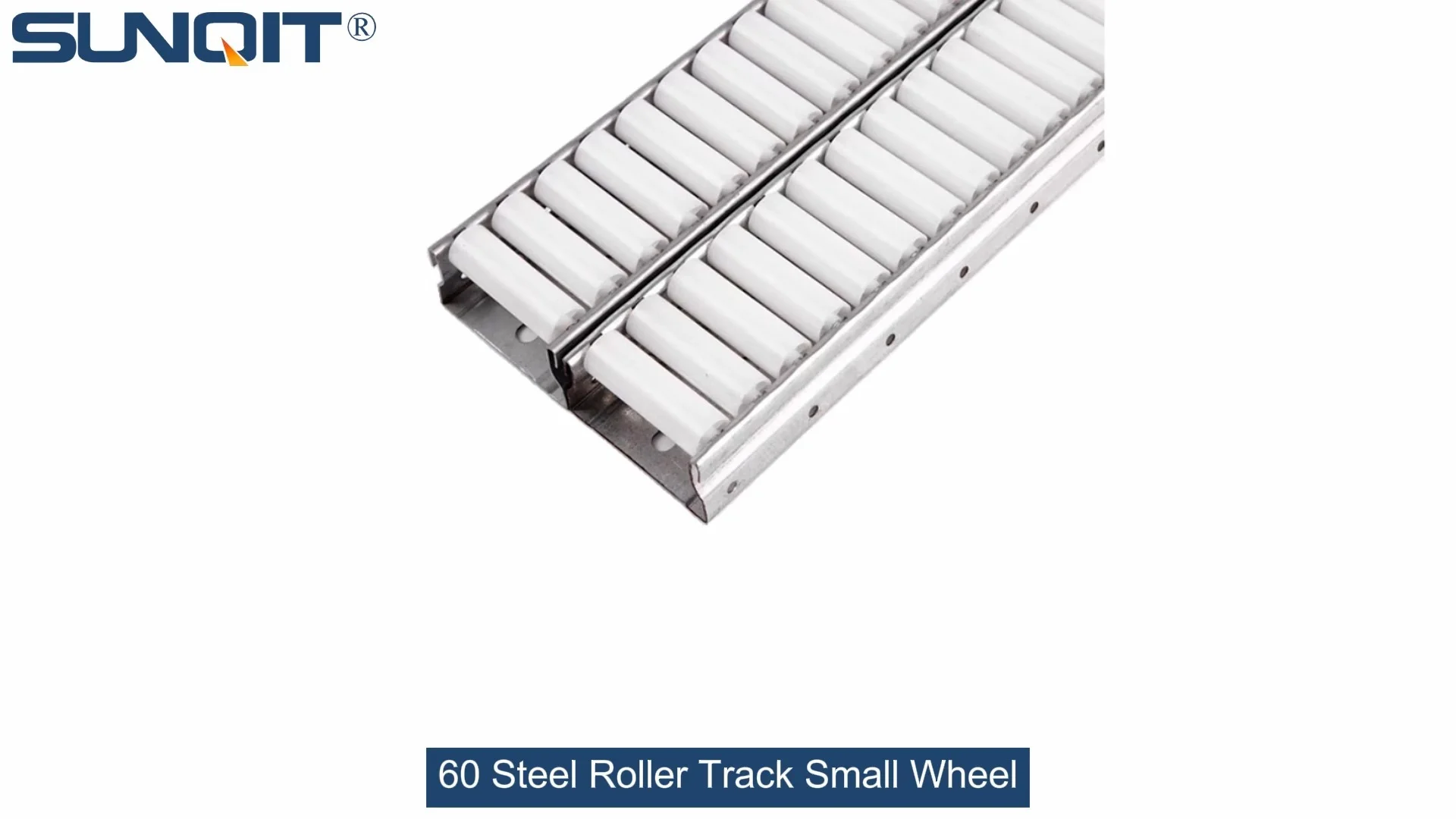
60 Steel Roller Track Small Wheels in After-Sales Service: Replacement & Repair
A busy 3C assembly line hums with activity—boxes gliding smoothly along flow racks, parts moving from one station to the next via conveyors. Every component plays a role, but few are as unassuming yet critical as the 60 steel roller track small wheels. These tiny wheels keep the lean system running like a well-oiled machine—when they work. But when they wear out or break, the entire line can grind to a halt, costing time and money. That's why knowing how to replace and repair these wheels is an essential part of after-sales service for any business relying on lean production systems.
In this comprehensive guide, we'll dive deep into everything you need to know about 60 steel roller track small wheels: from understanding their role in your operations to step-by-step replacement guides, repair tips, and how to choose the right parts from a trusted lean pipe supplier. Whether you're a maintenance technician in a warehouse or a production manager overseeing a flexible line, this guide will help you keep your systems running smoothly and minimize downtime.
1. Understanding 60 Steel Roller Track Small Wheels
Before we get into replacement and repair, let's take a moment to understand what 60 steel roller track small wheels are and why they're so important. These wheels are a key component of conveyor systems, flow racks, and lean pipe workbenches—all staples of modern lean production. Made from high-quality steel, they're designed to handle heavy loads (up to 50kg per wheel, depending on specs) while maintaining smooth, friction-free movement.
The "60" in their name typically refers to their diameter (60mm), and their compact size makes them ideal for tight spaces where larger wheels wouldn't fit. They're often used in flow racks to enable the "first-in, first-out" (FIFO) inventory system, a core principle of lean manufacturing. In conveyors, they help move parts from one workstation to another without manual intervention, reducing labor costs and improving efficiency.
What sets these wheels apart is their durability. Steel construction means they can withstand constant use, impacts, and harsh industrial environments—from the dust of a warehouse to the humidity of a medical device factory. However, even the most durable parts wear out over time—especially if they're not maintained properly. That's where after-sales service comes in: regular inspection, repair, and replacement of these wheels can extend their lifespan and keep your operations running without interruptions.
2. Common Issues Leading to Replacement or Repair
Let's look at some of the most common issues that can affect 60 steel roller track small wheels, and why they might need to be replaced or repaired:
2.1 Wear and Tear
The most common issue is wear and tear from constant use. Every time a load moves over the wheels, there's friction between the wheel and the track, which gradually erodes the surface of the wheel. Over time, this can lead to uneven rotation, wobbling, or even the wheel breaking entirely. This is especially common in high-traffic areas like busy conveyors or flow racks used for heavy 3C assembly parts. For example, a flow rack in a smartphone factory that moves 100+ boxes of components daily will see significantly more wear than one in a low-volume medical device workshop.
2.2 Misalignment
Misalignment occurs when the wheels are not properly installed or when the track is damaged. This can cause the wheels to rub against the sides of the track, leading to increased friction, noise, and faster wear. Misalignment can also result in loads getting stuck or falling off the track, which is a safety hazard and can disrupt production. For instance, if a roller track connector is loose, the track might shift, causing the wheels to go out of alignment.
2.3 Bearing Failure
The bearing inside the wheel is responsible for smooth rotation. If the bearing gets dirty, lacks lubrication, or is damaged, the wheel will start to grind, make noise, or even seize up. Bearing failure is often caused by neglecting preventive maintenance—like not cleaning or lubricating the wheels regularly. In a conveyor system, a seized wheel can cause the entire line to stop, as the load can't move past the stuck point.
2.4 Corrosion
Steel wheels are prone to corrosion if they're exposed to moisture, chemicals, or humid environments (like some medical device manufacturing facilities). Rust can weaken the wheel's structure, leading to breakage, and can also cause the wheel to stick to the track. For example, a flow rack in a warehouse near the coast might experience corrosion due to salt in the air—this can reduce the wheel's lifespan by up to 50%.
2.5 Loose Fasteners
Over time, the fasteners holding the wheels in place can loosen due to vibration from constant use. Loose fasteners can cause the wheel to move side to side, leading to misalignment and increased wear. In severe cases, the wheel might even fall off the track, causing a safety incident. For instance, if a caster accessory (like a nut) is loose on a conveyor wheel, the wheel could detach and hit a worker or damage equipment.
3. Troubleshooting Common Issues: Quick Reference Table
| Issue | Symptoms | Immediate Fix | Long-Term Solution |
|---|---|---|---|
| Wear and Tear | Uneven rotation, wobbling, visible scratches | replace affected wheel immediately | Monthly inspections + preventive maintenance |
| Misalignment | Noise, rubbing against track, stuck loads | Adjust using roller track connectors | Proper initial installation + quarterly alignment checks |
| Bearing Failure | Grinding noise, seized wheel | Clean/lubricate; replace if damaged | Monthly lubrication + cleaning |
| Corrosion | Rust spots, stuck wheel | Clean + apply anti-corrosion coating | Use stainless steel wheels in humid/coastal areas |
| Loose Fasteners | Side-to-side movement, wobbling | Retighten with wrench/screwdriver | Use lock washers + weekly fastener checks |
4. Step-by-Step Replacement Guide for 60 Steel Roller Track Small Wheels
Replacing a 60 steel roller track small wheel isn't complicated, but it requires attention to detail to ensure safety and proper installation. Follow these steps to get the job done right:
4.1 Preparations
First, gather all the tools and parts you need:
| Tool/Part | Purpose |
|---|---|
| Phillips Screwdriver | Loosen/tighten screw fasteners |
| Flathead Screwdriver | Pry off wheel covers (if any) |
| Wrench Set | Tighten nuts on roller track placon mounts |
| Lubricant Spray | Ensure smooth rotation of new wheels |
| Replacement Wheels | Genuine 60 steel roller track small wheels from a trusted supplier |
| Lock Washers | Prevent fasteners from loosening |
4.2 Safety First
Never work on a moving conveyor or flow rack. Shut down the system and lock the power source (lockout-tagout) to prevent accidental startup. Wear safety gloves and goggles to protect against flying debris or sharp edges.
4.3 Removing Old Wheels
1. Locate the affected wheel: Identify the wheel that's worn out or damaged.
2. Loosen fasteners: Use a wrench or screwdriver to remove the nuts/screws holding the wheel in place. If the fasteners are rusted, apply a penetrating oil and wait 5 minutes before trying again.
3. Detach the wheel: Gently pull the wheel out of its slot. If it's stuck, use a flathead screwdriver to pry it loose (be careful not to damage the track).
4. Clean the area: Wipe the track slot with a cloth to remove dust and debris—this will help the new wheel fit properly.
2. Loosen fasteners: Use a wrench or screwdriver to remove the nuts/screws holding the wheel in place. If the fasteners are rusted, apply a penetrating oil and wait 5 minutes before trying again.
3. Detach the wheel: Gently pull the wheel out of its slot. If it's stuck, use a flathead screwdriver to pry it loose (be careful not to damage the track).
4. Clean the area: Wipe the track slot with a cloth to remove dust and debris—this will help the new wheel fit properly.
4.4 Installing New Wheels
1. Align the new wheel: Place the new wheel into the track slot, ensuring it's aligned with the surrounding wheels.
2. Secure the wheel: insert the fasteners (screws/nuts) and tighten them firmly—but not too tight (over-tightening can cause the wheel to stick). Add a lock washer to prevent loosening.
3. Lubricate: Spray a small amount of lubricant onto the wheel's bearing to ensure smooth rotation.
4. Test: Spin the wheel to check for smooth movement. Push a test load along the track to verify alignment and stability.
2. Secure the wheel: insert the fasteners (screws/nuts) and tighten them firmly—but not too tight (over-tightening can cause the wheel to stick). Add a lock washer to prevent loosening.
3. Lubricate: Spray a small amount of lubricant onto the wheel's bearing to ensure smooth rotation.
4. Test: Spin the wheel to check for smooth movement. Push a test load along the track to verify alignment and stability.
4.5 Post-Replacement Checks
After installing the new wheel, run the system for 10-15 minutes to ensure everything works correctly. Listen for unusual noises and check for wobbling. If you notice any issues, stop the system and recheck the installation.
5. Repair Tips for Minor Issues
5.1 Cleaning and Lubrication
For wheels that are stuck or making noise (but not worn out), cleaning and lubrication can work wonders. Use a brush to remove dust and debris from the wheel and bearing. Then, apply a high-quality industrial lubricant (like lithium grease) to the bearing. This will reduce friction and extend the wheel's lifespan.
5.2 Adjusting Alignment
If a wheel is misaligned but not damaged, you can adjust it using roller track connectors. Loosen the fasteners, shift the wheel into the correct position, and retighten the fasteners. Make sure to check the alignment with a straight edge to ensure it's parallel to the track.
5.3 Fixing Loose Fasteners
Loose fasteners are easy to fix: simply retighten them with a wrench or screwdriver. To prevent future loosening, add a lock washer or apply thread-locking adhesive to the fasteners.
6. Preventive Maintenance to Extend Wheel Lifespan
The best way to avoid frequent replacement is to implement a preventive maintenance schedule. Here are some tips:
6.1 Regular Inspections
- Daily: Walk around your conveyors and flow racks to listen for unusual noises (grinding, squeaking) and check for wobbling wheels.
- Weekly: Clean all wheels and tracks to remove dust and debris.
- Monthly: Lubricate wheel bearings and check fasteners for tightness.
- Quarterly: Check wheel alignment and replace any worn-out parts before they fail.
- Weekly: Clean all wheels and tracks to remove dust and debris.
- Monthly: Lubricate wheel bearings and check fasteners for tightness.
- Quarterly: Check wheel alignment and replace any worn-out parts before they fail.
6.2 Proper Load Management
Never exceed the wheel's load capacity. For example, if a wheel is rated for 50kg, don't put a 70kg load on it. Use a lean solution like load distribution software to ensure loads are evenly spread across the track. This will reduce stress on individual wheels and extend their lifespan.
6.3 Training Staff
Train your staff to handle materials properly. Avoid dropping heavy loads on the track, as this can damage the wheels. Teach them to report any issues (like noise or wobbling) immediately so you can address them before they become major problems.
7. Case Study: How Proper Wheel Maintenance Saved a 3C Factory Time and Money
Let's look at a real-world example of how after-sales service for 60 steel roller track small wheels made a difference. A 3C assembly factory in Shenzhen was facing frequent downtime (up to 2 hours per week) due to wheel failures on their flow racks. Their maintenance team noticed that the wheels were wearing out every 3 months—far shorter than the expected 6-month lifespan.
The factory reached out to a trusted lean pipe supplier for help. The supplier conducted an audit and found two main issues: 1) The factory was using non-genuine wheels that were not rated for their load capacity; 2) They had no preventive maintenance schedule.
The supplier recommended: 1) Replacing all non-genuine wheels with genuine 60 steel roller track small wheels; 2) Implementing a monthly maintenance schedule (cleaning, lubrication, inspections). The factory also opted for wholesale purchases of replacement wheels to save costs.
The results were impressive: Downtime reduced by 80% (from 2 hours to 24 minutes per week), and wheel lifespan increased to 8 months. The factory saved over $10,000 per year in downtime costs and replacement parts. This case study shows how choosing the right parts from a trusted supplier and implementing preventive maintenance can have a huge impact on your bottom line.
8. Choosing the Right Replacement Parts
8.1 Why Genuine Parts Matter
Non-genuine wheels may be cheaper, but they often don't meet the same quality standards. For example, a fake 60 steel roller track small wheel might have a weaker steel construction, leading to faster wear and tear. Genuine parts are designed to fit your system perfectly and are tested to withstand industrial use. They also come with a warranty, so you can get a replacement if something goes wrong.
8.2 How to Find a Trusted Supplier
When choosing a lean pipe supplier, look for:
- A proven track record in the industry (5+ years of experience).
- A wide range of products (including 60 steel roller track small wheels).
- Wholesale options for bulk purchases.
- Custom solutions for your specific needs (like ESD wheels for 3C assembly).
- Positive customer reviews from similar industries.
- A proven track record in the industry (5+ years of experience).
- A wide range of products (including 60 steel roller track small wheels).
- Wholesale options for bulk purchases.
- Custom solutions for your specific needs (like ESD wheels for 3C assembly).
- Positive customer reviews from similar industries.
9. Frequently Asked Questions
Q: How often should I replace 60 steel roller track small wheels?
A: It depends on usage. For high-traffic areas (like busy conveyors), replace every 6-8 months. For low-traffic areas, every 12-18 months. Regular inspections will help you catch wear early.
Q: Can I use non-genuine parts?
A: We don't recommend it. Non-genuine parts may not fit properly, leading to alignment issues or premature failure. They also lack the durability of genuine parts, which can cost you more in the long run.
Q: What if I can't find the exact replacement wheel?
A: Contact your lean pipe supplier. They can help you find a compatible replacement or offer a custom solution. Don't try to force a mismatched wheel into your system—it will cause more problems.
Q: Are there eco-friendly options for these wheels?
A: Yes! Many suppliers offer recycled steel wheels or wheels that can be reused. For example, some 60 steel roller track small wheels can be refurbished (replacing the bearing) instead of being thrown away. This aligns with the lean of sustainability and reduces waste.
10. Conclusion
60 steel roller track small wheels may be tiny, but they play a huge role in keeping your lean system running smoothly. Proper after-sales service—including regular maintenance, timely repair, and replacement with genuine parts—can extend their lifespan, reduce downtime, and save you money. By following the tips in this guide and working with a trusted lean pipe supplier, you can ensure your operations stay efficient and productive.
Remember: The key to success is proactive care. Don't wait for a wheel to fail—inspect your systems regularly and address issues before they become major problems. Your bottom line will thank you.