- Company Articles
- Products and Technology
- Procurement Guidelines
- 60 Steel Roller Track White: A Guide to Choosing the Right Supplier

60 Steel Roller Track White: A Guide to Choosing the Right Supplier
Related Product
60 Steel Roller Track White
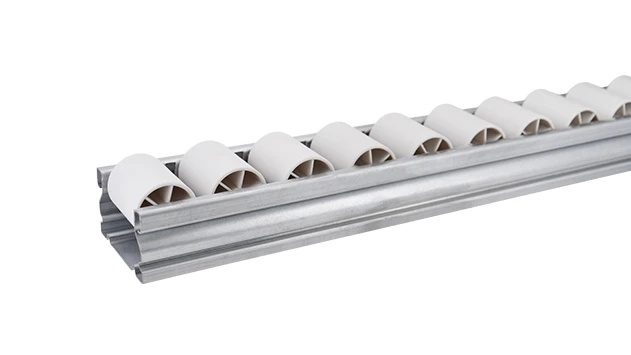
The roller track can be installed with multiple accessories to create different slopes and configurations of flow racks.All steel conveyor 60 roller track accessories are engineered to perfectly fit the sliding rail.It is enable the movement of SLC boxes.
60 Steel Roller Track White: A Guide to Choosing the Right Supplier
If you've ever worked in a warehouse, production line, or logistics center, you know how much of a difference smooth material handling makes. Slow, jam-prone tracks can throw off your entire workflow—delaying orders, frustrating workers, and cutting into profits. That's where the 60 Steel Roller Track White comes in: it's a workhorse component designed to keep your materials moving quickly, reliably, and with minimal friction. But here's the thing—even the best product won't live up to its potential if you pick the wrong supplier. This guide will walk you through everything you need to know about this track and how to find a supplier that meets your needs.
First, let's get clear on what the 60 Steel Roller Track White is. It's a steel-made roller track with a white coating, designed for heavy-duty use in various industrial settings. The "60" refers to its width (60mm), which makes it ideal for handling medium to large-sized items like boxes, parts bins, or even small equipment. The white finish isn't just aesthetic—it adds corrosion resistance and makes it easy to spot dirt or debris, so you can keep your workspace clean and safe.
Key Features of 60 Steel Roller Track White
Sturdy Steel Construction
The track is made from high-quality steel, which means it can handle consistent heavy loads without bending or warping. Whether you're moving automotive parts, 3C components, or medical supplies, this track won't let you down. It's built to withstand daily wear and tear, so you don't have to replace it frequently—saving you time and money in the long run.
White Coating Benefits
The white coating does more than make the track look clean. It's resistant to rust and scratches, which is crucial in environments where moisture or chemicals might be present (like medical device warehouses or automotive assembly lines). Plus, the bright color makes it easy to inspect for any issues—you can quickly see if a roller is stuck or if there's debris blocking the track, so you can fix problems before they cause delays.
Compatibility with Other Components
One of the best things about this track is how well it works with other industrial components. It pairs seamlessly with flow racks, conveyors, and lean pipe workbenches to create a complete material handling system. For example, you can install it in a flow rack to let parts slide down to workers at assembly stations, or use it as part of a conveyor system to move finished products from one area to another. This compatibility means you can build a flexible, customizable setup that fits your exact workflow.
Easy Installation & Maintenance
You don't need a team of experts to install the 60 Steel Roller Track White. Most suppliers provide clear instructions and all the necessary hardware (like connectors or brackets) to get it up and running quickly. Maintenance is also simple—just wipe it down regularly to remove dirt, and lubricate the rollers occasionally to keep them smooth. This ease of use means you can focus on your core work instead of spending hours fixing or adjusting your track system.

How to Choose the Right Supplier for 60 Steel Roller Track White
Choosing a supplier isn't just about finding the lowest price. You need someone who can provide high-quality products, reliable service, and support when you need it. Here are the key factors to consider:
| Factor to Consider | What to Look For | Why It Matters |
|---|---|---|
| Product Range & Compatibility | Offers complementary products (flow racks, conveyors, lean pipe workbenches) that work with the track. | You won't have to source components from multiple suppliers—saving time and ensuring everything fits together perfectly. |
| Customization Capabilities | Can adjust track length, load capacity, or coating to meet your industry's needs (e.g., medical-grade finishes for healthcare settings). | Every business has unique requirements—your supplier should be able to adapt to yours, not the other way around. |
| Quality Assurance | Provides certifications (like ISO) and tests products for durability, load capacity, and corrosion resistance. | High-quality products last longer and reduce downtime—avoid suppliers who cut corners on testing. |
| Wholesale Options | Offers bulk pricing for large orders, with consistent stock availability. | If you need to scale your operations, wholesale options help you save money and ensure you have enough tracks when you need them. |
| After-Sales Support | Provides installation guidance, spare parts, and maintenance tips. | Even the best products can have issues—you need a supplier who will help you fix problems quickly, not leave you hanging. |
1. Product Range & Compatibility
When looking for a supplier, check if they offer more than just the 60 Steel Roller Track White. Do they have flow racks that use this track? Can you get conveyors that integrate with it? What about lean pipe workbenches that pair well with your material handling system? A supplier with a comprehensive product range means you can get all your components from one place—this reduces the risk of compatibility issues and makes ordering easier. For example, if you're setting up a 3C assembly line, you might need the track, a conveyor, and a lean pipe workbench—all from the same supplier to ensure they work together seamlessly.
2. Customization Capabilities
No two businesses are the same. A warehouse handling fragile medical supplies will need a track with a softer coating to prevent scratches, while an automotive plant might need a track with a higher load capacity to handle heavy parts. Your supplier should be able to customize the track to meet these needs. For example, some suppliers offer medical-grade white coatings that are resistant to chemicals and easy to sanitize—perfect for healthcare warehouses. Others can adjust the track length to fit your specific workspace, so you don't have to cut it yourself (which can weaken the steel).
3. Quality Assurance
Quality is non-negotiable when it comes to industrial components. A cheap, poorly made track can break down quickly, leading to costly downtime. So how do you check for quality? Look for suppliers who provide certifications like ISO 9001—this means they follow strict quality control processes. Also, ask if they test their tracks for load capacity (how much weight they can handle) and corrosion resistance (how well they hold up to moisture or chemicals). A good supplier will be happy to share this information with you—if they're hesitant, that's a red flag.
4. Wholesale Options
If you're running a large operation or planning to scale, wholesale options are essential. Bulk pricing can save you a lot of money in the long run, and consistent stock availability means you won't have to wait weeks for new tracks when you need them. Look for suppliers who offer flexible wholesale terms—like discounts for large orders or recurring deliveries. For example, if you're setting up a new warehouse, you might need hundreds of meters of track—wholesale pricing will make this more affordable.
5. After-Sales Support
After you buy the track, you might need help installing it, replacing a broken roller, or troubleshooting an issue. A good supplier will provide this support—whether it's through phone, email, or on-site visits. For example, if your track gets stuck, they should be able to guide you through fixing it over the phone, or send a technician if needed. They should also offer spare parts (like rollers or connectors) so you can replace worn components quickly without having to buy a whole new track.

Real-World Applications of 60 Steel Roller Track White
To understand why choosing the right supplier matters, let's look at some real-world examples of how this track is used:
3C Assembly Lines
In 3C assembly plants (where they make phones, laptops, and other electronics), the 60 Steel Roller Track White is used to move components from storage to assembly stations. It's paired with conveyors and lean pipe workbenches to create a seamless flow—workers can easily slide parts down the track to their stations, reducing the time spent carrying heavy items. A good supplier will provide tracks that are compatible with these other components, so the entire system works smoothly.
Medical Device Warehouses
Medical device warehouses need to handle sensitive equipment (like syringes, monitors, or surgical tools) with care. The white coating on the track is perfect here—it's easy to sanitize and resistant to chemicals, so it meets strict hygiene standards. A supplier who offers custom medical-grade finishes will ensure the track is safe for this environment.
Automotive Parts Storage
Automotive plants store heavy parts like engine components or tire assemblies. The 60 Steel Roller Track White's high load capacity makes it ideal for this— it can handle the weight without bending. A supplier who tests their tracks for load capacity will ensure the track can handle these heavy items safely.
Comparing Suppliers: What to Look For in Quotes
When you get quotes from suppliers, don't just look at the price. Here's what else to consider:
- Include Spare Parts: Does the quote include spare rollers or connectors? This can save you money later.
- Delivery Time: How long will it take to get the track? If you need it quickly, choose a supplier with fast delivery.
- Sample Availability: Can you get a sample to test before buying in bulk? This is crucial—you want to make sure the track meets your quality standards.
- Customer Reviews: Look for reviews from other businesses in your industry. Did the supplier deliver on time? Was their after-sales support good?
For example, if you're a 3C assembly plant, look for reviews from other 3C businesses—they'll know if the supplier's tracks work well in that environment.
Final Thoughts
The 60 Steel Roller Track White is a vital component for any business that needs smooth, reliable material handling. But to get the most out of it, you need to choose the right supplier—one who offers a comprehensive product range, customization options, quality assurance, wholesale pricing, and great after-sales support. By following the tips in this guide, you can find a supplier that meets your needs and helps your business run more efficiently.
Remember: A good supplier isn't just a vendor—they're a partner in your success. Take the time to research and compare suppliers, and don't be afraid to ask questions. Your workflow, your workers, and your bottom line will thank you.