- Company Articles
- Products and Technology
- Product knowledge
- 60 Steel Roller Track White Load Capacity: What You Need to Know

60 Steel Roller Track White Load Capacity: What You Need to Know
Related Product
60 Steel Roller Track White
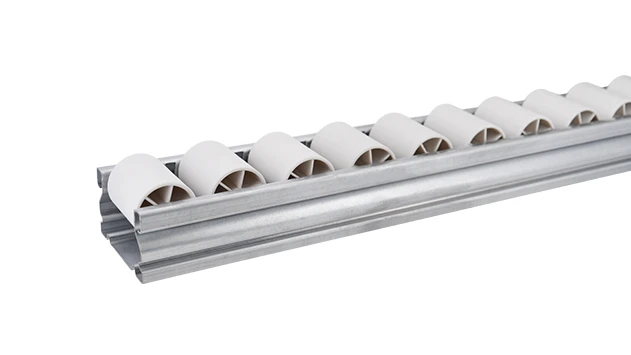
The roller track can be installed with multiple accessories to create different slopes and configurations of flow racks.All steel conveyor 60 roller track accessories are engineered to perfectly fit the sliding rail.It is enable the movement of SLC boxes.
60 Steel Roller Track White Load Capacity: What You Need to Know
Introduction: Why This Roller Track Matters
If you're in manufacturing, warehousing, or any industry that deals with material handling, you know how important it is to have reliable equipment. The 60 Steel Roller Track White is one of those unsung heroes—quietly working behind the scenes to move parts, boxes, and components smoothly from point A to point B. But here's the thing: not all roller tracks are created equal, and load capacity is the make-or-break factor for whether your track can handle the job without breaking or causing delays. Let's dive into everything you need to know about this track's load capacity, how to maximize it, and where it fits into your operations.
What Is 60 Steel Roller Track White, Anyway?
First, let's get the basics out of the way. The 60 Steel Roller Track White is a heavy-duty material handling component made from high-quality steel. It features small rollers (usually made of plastic or steel) attached to a steel frame, and the white finish isn't just for looks—it's designed to be easy to clean, resist corrosion, and stand out in busy environments (great for spotting dirt or debris that could jam the rollers).
This track is a popular choice because it's durable, affordable, and versatile. You'll find it in everything from flow racks in warehouses to conveyors on production lines, and even in lean workstations where efficiency is key. It's compatible with a range of accessories, like roller track connectors, which let you link sections of track together or attach it to other equipment.
Key Factors That Determine Load Capacity
Load capacity isn't a random number—it's determined by several key factors. Let's break them down in simple terms:
Material Thickness:
The thicker the steel frame and rollers, the more weight the track can handle. For example, a 60 Steel Roller Track White with a 2.0mm steel frame will support more weight than one with 1.5mm thickness.
Roller Spacing:
How far apart the rollers are placed makes a big difference. Closer rollers distribute weight more evenly—so if your items are heavy, you'll want rollers spaced 10-15cm apart instead of 20cm.
Frame Design:
A reinforced frame (with extra support along the edges) can handle more weight without bending. Cheaply made frames might warp under heavy loads, so this is something to watch for when choosing a supplier.
Installation Quality:
If the track isn't installed properly—like loose roller track connectors or an unstable base—it won't reach its full load capacity. Even the strongest track will fail if it's not attached securely.
Item Distribution:
How you place items on the track matters too. Spreading weight evenly across the track is better than concentrating it in one spot (which can cause rollers to break or the frame to bend).
Typical Load Capacity Ranges for 60 Steel Roller Track White
So, what's the actual load capacity you can expect? Well, it varies based on the factors above, but here are some general guidelines (based on industry standards and trusted suppliers):
Per Linear Meter:
A well-made 60 Steel Roller Track White can handle between 80kg to 150kg per linear meter. This means if you have a 2-meter section, it can support 160kg to 300kg (as long as the weight is evenly distributed).
Per Roller:
Each roller can usually support 10kg to 20kg. So if you have an item that's 50kg, it should rest on at least 3-5 rollers to spread the load.
Total Load for a Section:
For longer sections (like 5 meters), the total load capacity might be around 400kg to 750kg—but this depends on the frame's strength and installation.
Remember: These are general numbers. Always check with your roller track supplier for exact specifications based on your needs. They can help you choose the right thickness, roller spacing, and accessories to meet your load requirements.
Where to Use 60 Steel Roller Track White (And Why It Works)
This track is versatile—let's look at some common uses:
Flow Racks:
In warehouses, flow racks use roller tracks to let boxes slide down to the picking area. The 60 Steel Roller Track White is perfect here because it can handle heavy boxes (like 20-30kg each) and the white finish makes it easy to keep clean (great for industries like medical or food).
Conveyors:
On production lines (like those for 3C assembly or automotive parts), conveyors use this track to move components from one station to the next. It's durable enough to handle constant use and heavy parts.
Lean Workstations:
Lean systems rely on efficient material handling. This track can be integrated into lean pipe workbenches to deliver parts directly to workers, reducing waste and improving productivity.
Material Handling Carts:
Some carts use this track to let items slide off easily, which is helpful in busy warehouses or factories.
One of the best things about this track is that it's part of a lean system—meaning you can reconfigure it as your needs change. For example, if you need to adjust the flow of parts on your assembly line, you can use roller track connectors to rearrange the track sections without buying new equipment. This is sustainable and saves money in the long run.
How Does It Compare to Other Roller Tracks?
Let's compare the 60 Steel Roller Track White to other common types to see why it's a great choice:
As you can see, the 60 Steel Roller Track White strikes a balance between load capacity, cost, and cleanliness—making it ideal for industries like medical, 3C assembly, and food processing where hygiene and durability are top priorities.
| Feature | 60 Steel Roller Track White | 60 Aluminum Roller Track | 60 Steel Roller Track Yellow |
|---|---|---|---|
| Material | High-quality steel | Aluminum alloy | Steel |
| Typical Load Capacity (per m) | 80-150kg | 50-100kg | 80-150kg |
| Best For | Heavy loads, clean environments | Light to medium loads, corrosion-prone areas | General use, high-visibility areas |
| Cleanliness | Excellent (white shows dirt easily) | Good | Good (but dirt less visible) |
| Cost | Affordable | More expensive | Similar to white steel |
Installation & Maintenance Tips to Maximize Load Capacity
To get the most out of your 60 Steel Roller Track White, follow these tips:
Installation:
- Use high-quality roller track connectors to attach sections of track. Loose connectors can cause the track to shift, reducing load capacity.
- Make sure the track is level. A sloped track might cause items to slide too fast, but more importantly, an uneven track can put extra stress on certain rollers (leading to premature wear).
- Attach the track to a stable base—like a lean pipe frame or a solid metal rack. An unstable base will limit how much weight the track can handle.
Maintenance:
These small steps can extend the life of your track and ensure it always meets its load capacity.
- Clean the track regularly. Wipe down the white frame and rollers to remove dirt or debris that could jam the system.
- Lubricate the rollers every 3-6 months (depending on use). This keeps them rolling smoothly and reduces wear.
- Check for worn rollers or loose connectors. replace any damaged parts immediately—worn rollers can reduce load capacity and cause items to get stuck.
Case Study: How a Medical Device Manufacturer Used This Track
Let's look at a real-world example (based on common industry use cases). A medical device manufacturer needed a flow rack for storing small components (like screws, brackets, and circuit boards). They had two main requirements:
1. The rack had to handle 25kg per linear meter (since their component boxes were 10kg each, and they wanted to stack two per section).
2. It had to be easy to clean (to meet medical hygiene standards).
They chose the 60 Steel Roller Track White with 1.5mm thickness and roller spacing of 12cm. The track was installed using roller track connectors to attach it to a lean pipe frame (part of their lean system). The white finish made it easy to spot any dirt or debris, which was crucial for their hygiene protocols.
The result? Their picking efficiency increased by 20% (since components slid smoothly to the picking area), and they didn't have any issues with load capacity. The track also lasted longer than their previous aluminum track—saving them money on replacements.
Common FAQs About 60 Steel Roller Track White Load Capacity
Let's answer some questions people often ask:
Q: Can I use this track in a food processing environment?
A: Yes! The white finish is easy to clean, and if you choose food-grade rollers (ask your supplier), it's perfect for food processing. Just make sure to clean it regularly to meet hygiene standards.
Q: How do I know if the track can handle my specific load?
A: Talk to your roller track supplier. They'll ask about your item weight, track length, and use case, then recommend the right thickness and roller spacing for your needs.
Q: Can I cut the track to fit my space?
A: Yes—most suppliers will cut the track to your desired length, or you can do it yourself with the right tools. Just make sure to smooth the edges to prevent injury and ensure proper installation.
Q: What if my load exceeds the track's capacity?
A: Exceeding load capacity can cause the track to bend, rollers to break, or items to fall—leading to injuries or damage. Always choose a track that can handle more than your maximum load (add a 10-15% buffer to be safe).
Choosing the Right Supplier
Not all suppliers are the same—here's what to look for:
Quality Assurance:
The supplier should have strict quality checks to ensure the track meets load capacity standards. Ask about their testing processes.
Customization:
Can they cut the track to your length? Do they offer different roller types or finishes? A good supplier will tailor the track to your needs.
After-Sales Support:
Do they offer installation guidance or maintenance tips? If you have issues with load capacity, they should be able to help you troubleshoot.
Experience:
Choose a supplier with experience in your industry (like medical or 3C assembly). They'll understand your specific needs better.
A reliable supplier can make all the difference in getting a track that meets your load capacity and lasts for years.
Conclusion: Is This Track Right for You?
The 60 Steel Roller Track White is a durable, versatile, and affordable option for material handling. Its load capacity (80-150kg per linear meter, depending on factors) makes it suitable for heavy-duty use, and the white finish is perfect for clean environments. Whether you're setting up a flow rack in a warehouse, a conveyor on a production line, or a lean workstation, this track is a great choice.
Remember: Load capacity is key—so take the time to understand your needs, choose the right thickness and accessories, and work with a trusted roller track supplier. By doing this, you'll get a track that's reliable, efficient, and built to last.