- Company Articles
- Products and Technology
- Product knowledge
- 60 Steel Roller Track White vs. 50mm Model: Choosing the Right Size

60 Steel Roller Track White vs. 50mm Model: Choosing the Right Size
Related Product
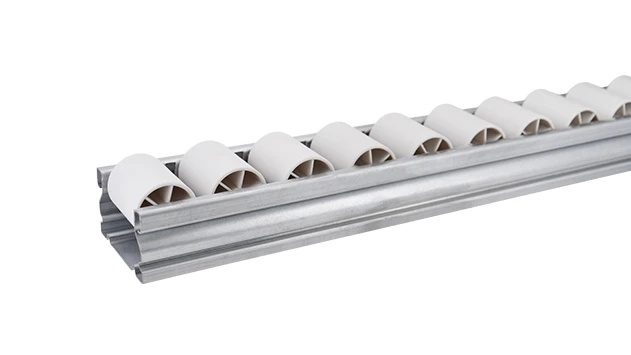
60 Steel Roller Track White
The roller track can be installed with multiple accessories to create different slopes and configurations of flow racks.All steel conveyor 60 roller track accessories are engineered to perfectly fit the sliding rail.It is enable the movement of SLC boxes.
Lean manufacturing is all about eliminating waste and improving efficiency, and roller tracks play a vital role in this process. They enable smooth material flow, reduce manual handling, and ensure that components are always in the right place at the right time. Choosing the correct size is essential because a track that's too small can lead to equipment failure or safety issues, while one that's too large wastes space and money. That's why understanding the differences between the 60 Steel Roller Track White and the 50mm model is so important for any business looking to optimize their operations. Today, we're diving deep into these two popular options, breaking down their features, uses, and helping you pick the perfect size for your facility.
What is the 60 Steel Roller Track White?
The 60 Steel Roller Track White is a robust, heavy-duty solution designed to handle larger, heavier items in industrial settings. As the name suggests, it features a 60mm width (measured across the track's surface) and is constructed from high-quality steel with a durable white coating. This coating not only gives it a clean, professional look but also provides added protection against corrosion and wear, making it suitable for long-term use in demanding environments.
Key Features of 60 Steel Roller Track White:
- Load Capacity: One of its standout features is its impressive load-bearing ability. On average, this track can support up to 500kg per meter, making it ideal for transporting heavy components like automotive engine parts, large medical devices, or bulk storage items. This strength comes from its thicker steel construction, which ensures it can handle continuous use without bending or warping.
- Surface Finish: The white coating is often ESD (Electrostatic Discharge) safe, which is crucial for industries like electronics manufacturing where static electricity can damage sensitive components. This makes it a versatile choice for both general and ESD-protected work areas, such as esd workbenches or esd workstations.
- Compatibility: It works seamlessly with a range of accessories, including roller track connectors, end supports, caster wheels, and flow rack components. This compatibility allows you to integrate it into larger lean systems, such as conveyors or flow racks, without hassle. Whether you're building a new system from scratch or expanding an existing one, this track fits right in.
- Durability: The thicker steel and protective coating make this track highly durable, even in harsh industrial conditions. It can withstand exposure to oils, chemicals, and heavy impacts, ensuring a long lifespan and minimal replacement costs.
Common Applications:
Due to its strength and durability, the 60 Steel Roller Track White is commonly used in:
- Automotive manufacturing plants for moving heavy engine blocks, chassis parts, and transmission components along assembly lines.
- Medical device facilities for transporting large diagnostic equipment, surgical tools, and hospital furniture.
- Warehousing and logistics centers for bulk storage of heavy goods, such as metal components, industrial machinery parts, or large packaging boxes.
- Aerospace facilities for handling large aircraft parts during production and assembly.
What is the 50mm Steel Roller Track Model?
The 50mm Steel Roller Track Model is a more compact and lightweight alternative to the 60mm version. With a narrower 50mm width, it's designed to handle smaller, lighter items while still maintaining the reliability that steel roller tracks are known for. This model is a favorite in industries where space is limited and precision is key, such as 3C assembly or small parts manufacturing.
Key Features of 50mm Steel Roller Track:
- Load Capacity: While it can't match the 60mm model's heavy load capacity, it still offers a solid 300kg per meter. This is more than enough for most small to medium-sized components, like 3C assembly parts (smartphone circuit boards, laptop components), electronic sensors, or small tools. It's perfect for applications where heavy loads aren't a concern but efficiency and space are.
- Space Efficiency: Its narrower width makes it perfect for tight spaces. Whether you're setting up a compact assembly line, a small storage area, or a lean pipe workbench, the 50mm track fits where wider options can't. This is especially valuable in industries like consumer electronics, where workstations are often packed with equipment and every inch counts.
- Cost-Effectiveness: Generally, the 50mm model is more affordable than the 60mm version, making it a great choice for businesses working with a tighter budget or needing to outfit multiple workstations without breaking the bank. Despite its lower cost, it still offers high quality and reliability.
- Flexibility: Its smaller size makes it easier to integrate into custom lean solutions. It can be used in curved sections, small conveyors, or portable turnover trolleys, giving you more flexibility in designing your workflow.
Common Applications:
The 50mm Steel Roller Track is widely used in:
- 3C assembly lines (consumer electronics like smartphones, laptops, and tablets) for moving small components between workstations, from soldering to testing to packaging.
- Small parts manufacturing, such as watchmaking, jewelry production, or precision instrument assembly, where precision and space are critical.
- Retail and e-commerce warehouses for organizing small products, like cosmetics, accessories, or electronic gadgets, in flow racks to enable quick picking and packing.
- Pharmaceutical facilities for transporting small vials, bottles, or packaging materials along production lines.

Head-to-Head Comparison: 60mm vs. 50mm
| Feature | 60 Steel Roller Track White | 50mm Steel Roller Track Model |
|---|---|---|
| Load Capacity per Meter | Up to 500kg | Up to 300kg |
| Track Width | 60mm | 50mm |
| Material | Thick steel with white ESD coating | Standard steel (ESD coating optional) |
| ESD Compatibility | Yes (often standard) | Yes (optional upgrade) |
| Ideal For | Heavy components, large items, bulk storage | Small to medium components, tight spaces |
| Compatibility with Accessories | Wide range (connectors, supports, casters, flow racks) | Wide range (similar accessories, smaller size) |
| Cost | Higher (due to size and load capacity) | Lower (more budget-friendly) |
| Durability | High (thicker steel construction) | High (standard steel construction) |
| Maintenance | Low (occasional cleaning of white coating) | Low (minimal upkeep) |

How to Choose the Right Size for Your Needs
Deciding between the 60mm and 50mm roller tracks doesn't have to be complicated. Here are some key factors to consider to make the best choice for your business:
1. Evaluate Your Load Requirements
The first question to ask is: What's the average weight of the items you'll be moving? If your components are heavy (over 300kg per meter), the 60mm model is the clear choice. For lighter items, the 50mm track will suffice and save you money. For example, if you're moving engine parts in an automotive plant, go with 60mm. If you're moving circuit boards in a 3C assembly line, 50mm is perfect.
2. Assess Your Space Constraints
Do you have limited space in your facility? The 50mm track's narrower width makes it perfect for compact workstations or assembly lines where every inch counts. If space isn't an issue and you need maximum load capacity, go for the 60mm. For instance, a small startup with a tight workshop will benefit from 50mm tracks, while a large factory with ample space can use 60mm tracks for heavy-duty applications.
3. Check for ESD Needs
If you work in an industry where static electricity is a concern (like electronics or medical devices), ensure the track you choose is ESD-safe. Both models offer ESD options, but the 60mm white track often comes with this feature as standard. This is crucial for protecting sensitive components from static damage, especially on esd workbenches or esd workstations.
4. Think About Future Scalability
Are you planning to expand your manufacturing or storage system later? Both tracks are compatible with lean solutions like conveyors and flow racks, but the 60mm's higher load capacity might give you more flexibility for future growth if you anticipate handling heavier items down the line. Choosing a track that can grow with your business saves you from having to replace the entire system later.
5. Consider Your Budget
Budget is always a factor. If you're working with limited funds but don't need the extra load capacity of the 60mm model, the 50mm track is a cost-effective option that still delivers reliability. However, if you need the strength of the 60mm model, it's worth the investment to avoid equipment failure and downtime.
6. Look at Industry Standards
Check what other businesses in your industry are using. For example, automotive manufacturers typically use 60mm tracks, while 3C assembly lines use 50mm tracks. Following industry standards can help ensure compatibility with existing equipment and processes.
Real-World Examples of 60mm and 50mm Roller Track Use
Automotive Manufacturing Plant
A leading automotive manufacturer uses the 60 Steel Roller Track White in their final assembly line. The track's high load capacity allows them to move heavy engine blocks and chassis parts efficiently, while the ESD coating protects sensitive electronic components in the vehicles. This integration has reduced downtime by 20% and improved overall production speed. The track is paired with conveyors and turnover trolleys to create a seamless flow from component delivery to final vehicle assembly.
3C Assembly Line
A consumer electronics company specializing in smartphones uses the 50mm Steel Roller Track Model in their assembly stations. The narrow width fits perfectly in their compact work areas, and the track's smooth surface ensures small circuit boards and components move quickly without damage. This has helped them increase their daily production output by 15%. The tracks are integrated into lean pipe workbenches, allowing workers to access parts quickly and reduce unnecessary movement.
Medical Device Warehouse
A medical device warehouse uses both models to optimize their storage and retrieval process. The 60mm track is used in flow racks for storing large diagnostic equipment, while the 50mm track is used for smaller tools and accessories. This combination allows them to maximize space and ensure quick access to items when needed. The FIFO (First-In-First-Out) system enabled by the tracks reduces inventory waste and ensures that products are always fresh and in date.
Pharmaceutical Production Facility
A pharmaceutical company uses the 50mm track in their packaging line to move small vials and bottles between filling and labeling stations. The track's ESD coating protects the sensitive medications from static damage, and its narrow width fits perfectly in their cleanroom environment. This setup has improved efficiency and reduced the risk of product contamination.
Beyond Roller Tracks: Integrating into a Complete Lean System
Roller tracks are just one part of a larger lean manufacturing system. To get the most out of your investment, consider integrating them with other components like lean pipe workbenches, flow racks, conveyors, and custom lean solutions. These components work together to create a seamless workflow that boosts productivity and reduces waste.
Lean Pipe Workbenches
Pairing roller tracks with lean pipe workbenches creates a versatile workstation where components can be moved directly to the assembly area. For example, a 50mm track on a lean pipe workbench in a 3C assembly line allows workers to access parts quickly, reducing unnecessary movement and increasing efficiency. These workbenches are customizable, so you can add shelves, drawers, or other accessories to fit your specific needs.
Flow Racks
Flow racks use roller tracks to enable FIFO inventory management. The 60mm track is ideal for heavy items in flow racks, while the 50mm track works well for smaller parts. This setup helps reduce waste and ensures that items are always available when needed. Flow racks are commonly used in warehouses and manufacturing facilities to store components and finished products.
Conveyors
Conveyor systems with roller tracks automate the movement of items between different stages of production. The 60mm track is perfect for heavy-duty conveyors, while the 50mm track is used in lighter systems. This automation reduces manual labor and speeds up the production process. Conveyors are essential in industries like automotive, food and beverage, and pharmaceuticals.
Custom Lean Solutions
Many businesses benefit from custom lean solutions tailored to their specific needs. Whether you're in 3C assembly, medical devices, or, a custom design can incorporate the right roller track size along with other components to create a system that's efficient, scalable, and sustainable. These solutions often emphasize "reusable" and "sustainable improvement" principles—meaning you can adjust the system as your production needs change, without having to replace entire components. This not only saves money but also reduces waste, aligning with modern environmental and efficiency goals.
For example, a custom lean solution for a 3C assembly line might include 50mm roller tracks, lean pipe workbenches, conveyors, and turnover trolleys, all designed to work together. This system can be modified as the product line changes, ensuring that it always meets the company's needs.
Final Thoughts: Making the Right Choice
Choosing between the 60 Steel Roller Track White and the 50mm model ultimately comes down to your specific needs. If you're handling heavy items and need maximum load capacity, the 60mm track is the way to go. For lighter components and tight spaces, the 50mm track offers a cost-effective and efficient solution.
Remember, roller tracks are part of a larger lean system. By integrating them with workbenches, flow racks, and conveyors, you can create a seamless workflow that boosts productivity and reduces waste. Whether you opt for the 60mm or 50mm track, the key is to align your choice with your operational goals and future growth plans.
Investing in the right roller track is an investment in your business's efficiency and success. Take the time to evaluate your needs, consider your budget, and think about future scalability. With the right choice, you'll be able to create a lean system that works for you, now and in the future.
Whether you're a small startup or a large corporation, the right roller track can make a significant difference in your operations. So, take the time to choose wisely, and you'll reap the benefits for years to come.