- Company Articles
- Products and Technology
- Product knowledge
- 60 Steel Roller Track Yellow Load Capacity: Safe Weight Limits for Warehouses

60 Steel Roller Track Yellow Load Capacity: Safe Weight Limits for Warehouses
Related Product
60 Steel Roller Track Yellow
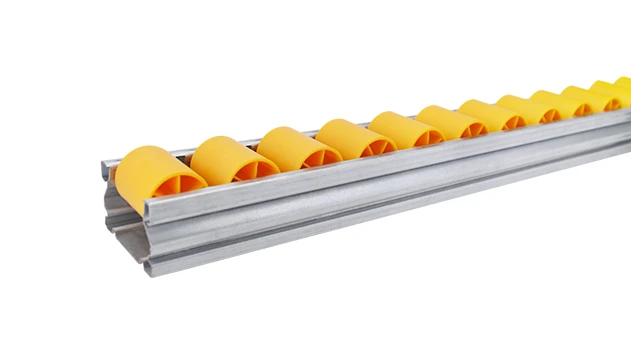
The roller track can be installed with multiple accessories to create different slopes and configurations of flow racks.All steel conveyor 60 roller track accessories are engineered to perfectly fit the sliding rail.
Why Does 60 Steel Roller Track Yellow Matter for Your Warehouse?
If you've ever walked through a busy warehouse, you know how critical smooth material flow is. Whether it's boxes sliding down a flow rack or parts moving along a conveyor line, every component needs to hold up under pressure—literally. That's where the 60 Steel Roller Track Yellow comes in. It's not just another piece of metal; it's a workhorse that keeps your warehouse operations running without hiccups. But before you install it, there's one question you can't ignore: How much weight can it actually handle?
In this article, we're diving deep into the load capacity of the 60 Steel Roller Track Yellow. We'll cover everything from the factors that affect its strength to real-world examples of how it's used in warehouses. We'll even share a detailed table of safe weight limits so you can make informed decisions for your setup. Let's get started.
What Is 60 Steel Roller Track Yellow?
First, let's clarify what this track is. The 60 Steel Roller Track Yellow is a heavy-duty component made from high-quality steel with a yellow coating. The coating isn't just for looks—it adds corrosion resistance, which is essential for warehouses that deal with moisture or harsh environments. This track is designed to work with rollers that let items slide or roll smoothly, making it perfect for flow racks, conveyors, and other material handling systems.
One of the best things about this track is its compatibility with other warehouse components. It fits seamlessly with aluminum profiles, flow racks, and even lean pipe workbenches—so you can integrate it into your existing setup without a complete overhaul. That's a big plus if you're following lean principles because it lets you reuse and reconfigure parts as your needs change.

Factors That Affect Load Capacity of 60 Steel Roller Track Yellow
Load capacity isn't a one-size-fits-all number. Several factors play into how much weight the track can safely hold. Let's break down each one:
1. Material Thickness
The thickness of the steel used in the track directly impacts its strength. Most 60 Steel Roller Track Yellow options come in 1.2mm or 1.5mm thicknesses. A thicker track (1.5mm) can handle more weight than a thinner one (1.2mm) because it's sturdier and less likely to bend under pressure. For example, a 1.5mm track section might support up to 10% more weight than a 1.2mm section of the same length.
2. Roller Spacing
Rollers are the parts that let items move on the track, and how far apart they are makes a big difference. If rollers are spaced closely together (like 50mm apart), the weight of the item is distributed over more rollers, reducing stress on each one. This means the track can hold heavier items. On the other hand, wider spacing (150mm or more) puts more pressure on individual rollers, lowering the overall load capacity.
3. Installation Quality
Even the strongest track won't perform well if it's installed poorly. The track needs to be mounted on a stable frame—like one made from aluminum profiles—to distribute weight evenly. If the frame is wobbly or the track is misaligned, it can cause stress points that lead to bending or breaking. Using the right connectors (like roller track connectors from reliable suppliers) also helps ensure a secure fit.
4. Static vs. Dynamic Load
You need to distinguish between static load (weight when items are sitting still on the track) and dynamic load (weight when items are moving). Dynamic load is usually lower than static load because movement adds extra stress (like vibrations or sudden stops). For example, a track that can hold 800kg statically might only handle 500kg dynamically. Always use the dynamic load limit as your guide for moving items.
5. Environmental Conditions
Warehouses with high humidity or exposure to chemicals can cause rust or corrosion on the track over time. Rust weakens the steel, so the load capacity will decrease as the track ages. Regular maintenance (like cleaning and applying protective coatings) can slow this down, but it's important to factor in environmental wear when calculating safe weight limits.

Detailed Load Capacity Table for 60 Steel Roller Track Yellow
To make things easier, we've compiled a table of safe load limits for the 60 Steel Roller Track Yellow. This data is based on standard configurations (1.2mm and 1.5mm thicknesses) and common roller spacings. Remember to always add a safety margin (we recommend 1.5x) to avoid overloading. For example, if the dynamic load limit is 500kg, your maximum working load should be around 333kg (500 /1.5).
| Track Thickness | Track Length (per section) | Roller Spacing | Static Load Capacity (kg) | Dynamic Load Capacity (kg) | Recommended Working Load (1.5x safety margin) |
|---|---|---|---|---|---|
| 1.2mm | 1m | 50mm | 700 | 500 | 333 |
| 1.2mm | 1m | 100mm | 600 | 400 | 267 |
| 1.2mm | 1m | 150mm | 500 | 300 | 200 |
| 1.2mm | 2m | 50mm | 600 | 400 | 267 |
| 1.2mm | 2m | 100mm | 500 | 300 | 200 |
| 1.2mm | 2m | 150mm | 400 | 250 | 167 |
| 1.5mm | 1m | 50mm | 800 | 600 | 400 |
| 1.5mm | 1m | 100mm | 700 | 500 | 333 |
| 1.5mm | 1m | 150mm | 600 | 400 | 267 |
| 1.5mm | 2m | 50mm | 700 | 500 | 333 |
| 1.5mm | 2m | 100mm | 600 | 400 | 267 |
| 1.5mm | 2m | 150mm | 500 | 350 | 233 |
Note: These values are for standard conditions. If your warehouse has extreme temperatures or heavy vibration, adjust working loads further. Always consult suppliers for custom recommendations.
Real-World Uses of 60 Steel Roller Track Yellow
Let's look at how this track works in actual warehouses:
1. Flow Racks for E-Commerce Order Fulfillment
A large e-commerce warehouse uses flow racks with 60 Steel Roller Track Yellow (1.5mm,100mm spacing) to store consumer electronics boxes (25kg each). Track sections are 2m long—recommended working load is 267kg, so 10 boxes per section (250kg) are safe. This setup lets workers pick orders quickly without track issues.
2. Conveyor Lines for Auto Parts
An auto parts warehouse uses conveyors with 60 Steel Roller Track Yellow (1.5mm,50mm spacing) to move 300kg engine components. Track sections are 1m long—recommended load is400kg, so each section safely carries one component. The yellow coating helps workers spot tracks easily, reducing accidents.
3. Lean Pipe Workbenches for 3C Assembly
A 3C assembly warehouse uses lean pipe workbenches with attached 60 Steel Roller Track Yellow (1.2mm,150mm spacing) to move 15kg part trays. Track sections are1m long—recommended load 200kg, so13 trays (195kg) are safe. This cuts worker reach time, boosting efficiency.
Why Choose This Track Over Others?
The 60 Steel Roller Track Yellow stands out for:
- Durability: High-quality steel + yellow coating resist corrosion/wear better than plastic/aluminum tracks.
- Compatibility: Works with aluminum profiles, flow racks, lean pipe workbenches—easy to integrate.
- Cost-Effective: Long lifespan + reusability save money long-term.
- Safety: Yellow color is highly visible, reducing accident risks.
- Lean Alignment: Reconfigurable for layout changes—fits lean waste-reduction goals.
Installation & Maintenance Tips
Installation
- Mount on stable aluminum profile frames—avoid flimsy materials.
- Align tracks correctly for smooth movement; misalignment causes stress.
- Use proper roller track connectors for secure fits.
- Test with light loads first to spot installation issues.
Maintenance
- Clean tracks regularly to remove dirt/debris (jammed rollers cause stress).
- replace damaged rollers immediately.
- Sand off rust and apply protective coating to prevent spread.
- Lubricate rollers every 3 months with dust-resistant oil.
Lean Solution Integration
This track fits lean warehouse management by:
- Reusability: Reconfigure tracks for layout changes—no new purchases needed.
- Waste Reduction: Durable design means less replacement waste.
- Flow Improvement: Smooth movement reduces bottlenecks.
- Sustainability: Reusing components aligns with eco-friendly practices.
Common Mistakes to Avoid
- Overloading: Never exceed recommended working loads—this is the #1 cause of track failure.
- Poor Installation: Wobbly frames or misaligned tracks lead to accidents.
- Ignoring Maintenance: Rust/worn rollers reduce load capacity over time.
- Mixing Incompatible Parts: Don't use plastic rollers with steel tracks—this causes wear.
Final Thoughts
The 60 Steel Roller Track Yellow is a versatile workhorse for warehouses. By understanding its load capacity, installing it correctly, and maintaining it well, you can keep your operations running smoothly. The table here gives a starting point, but always consult suppliers for custom advice.
Safety first—follow recommended limits, and your track will serve you well for years. Whether you're setting up flow racks, conveyors, or lean pipe workbenches, this track is a reliable choice.