- Company Articles
- Products and Technology
- Installation And Maintenance
- 60 Steel Roller Track Yellow Maintenance: Cleaning & Lubrication Tips

60 Steel Roller Track Yellow Maintenance: Cleaning & Lubrication Tips
Related Product
60 Steel Roller Track Yellow
The roller track can be installed with multiple accessories to create different slopes and configurations of flow racks.All steel conveyor 60 roller track accessories are engineered to perfectly fit the sliding rail.
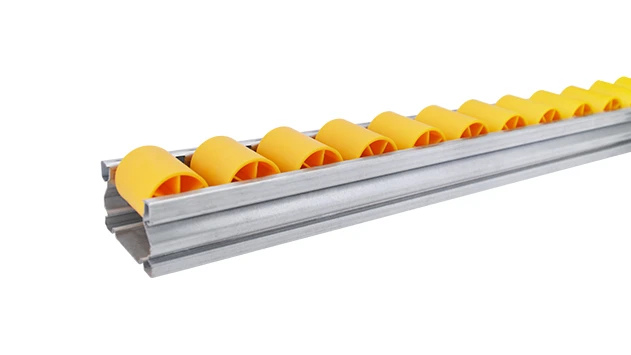
60 Steel Roller Track Yellow Maintenance: Cleaning & Lubrication Tips
You've probably been there—parts are supposed to glide smoothly down your 60 steel roller track yellow, but instead, they get stuck halfway. Your team has to stop what they're doing to nudge them along, breaking their focus and slowing down the entire line. That's the last thing you want when you're trying to keep your lean system running at peak efficiency. The good news? Most of these issues can be avoided with simple, regular maintenance—cleaning and lubrication that takes just a few minutes each week but pays off in big ways.
The 60 steel roller track yellow isn't just another piece of equipment; it's a workhorse in your flow racks and production lines. It handles everything from small components to heavier parts, day in and day out. Neglecting it means more downtime, more repairs, and more frustration for everyone on your team. But with the right care, this track can keep your operations flowing smoothly for years. Let's dive into the steps you need to take to keep your track in top shape.
Pre-Maintenance Prep: What You Need & Safety First
Before you start cleaning or lubricating your track, gather the right tools and take a few safety precautions. This ensures the job gets done quickly and without any accidents.
First, safety: If your 60 steel roller track yellow is part of a powered conveyor system, turn off the power and lock it out to prevent it from starting unexpectedly. Wear gloves to protect your hands from sharp edges or dirty parts. And always clear the track of all items—even small pieces of debris can cause jams or get in the way of your work.
Next, the tools you'll need. Here's a quick list of essentials:
| Tool/Product | Use Case |
|---|---|
| Soft-bristled brush | Gently removes loose dirt and debris between rollers without scratching the track. |
| Microfiber cloths | Cleans rollers and frame without leaving lint or scratches. |
| Mild degreaser (pH-neutral) | Removes oil and grease buildup without damaging the yellow coating. |
| Silicone-based lubricant | Lubricates roller axles and connectors without attracting dirt. |
| Adjustable wrench | Tightens loose roller track connectors or frame bolts. |
| Rust remover (mild, like baking soda paste) | Treats small rust spots without harming the track's surface. |
Having these tools on hand makes maintenance quick and easy. You don't need fancy equipment—just the basics to keep your track clean and well-lubricated.
Step-by-Step Cleaning Guide for 60 Steel Roller Track Yellow
Cleaning is the first step in maintaining your track. It removes dirt, dust, and grease that can slow down rollers or cause rust. Follow these steps for a thorough clean:
1. **Clear the Track**: Start by removing every item from the track—even tiny fragments can lead to jams. If your track is part of a flow rack, empty the entire rack section to get full access.
2. **Sweep Loose Debris**: Grab your soft-bristled brush and gently sweep between the rollers. Focus on the gaps where dirt tends to accumulate. Be careful not to press too hard; you don't want to bend a roller or scratch the yellow coating.
3. **Wipe Down Rollers & Frame**: Take a microfiber cloth dampened with mild degreaser (diluted with water if needed) and wipe each roller individually. Spin the roller as you wipe to clean all sides. Then, wipe the track frame—pay attention to areas where oil or grease might have splattered (like near conveyor motors or production lines).
4. **Dry Thoroughly**: Use a clean, dry microfiber cloth to dry every part of the track. Moisture left on the steel can lead to rust, so don't skip this step. For hard-to-reach areas (like between rollers), use a dry cotton swab to absorb any leftover moisture.
5. **Check for Rust Spots**: While drying, look for small rust spots. If you find any, apply a mild rust remover (like a paste of baking soda and water) to the spot. Let it sit for 5-10 minutes, then gently rub it with a soft cloth. Rinse the area with water and dry it immediately.
Cleaning your track once a week (or more often if it's in a dusty or greasy environment) will keep it free from buildup and prevent most common issues.
Lubrication Best Practices: Keep Rollers Gliding Smoothly
Lubrication is the next key step in maintenance. It reduces friction between the roller axles and the track frame, which keeps rollers spinning freely and extends their life. Here's how to do it right:
**Choose the Right Lubricant**: Silicone-based lubricants are the best choice for your 60 steel roller track yellow. They're non-greasy, won't attract dirt, and work well in most industrial environments. Avoid oil-based lubricants—they leave a sticky residue that clogs rollers and attracts more dust.
**Where to Apply**: Focus on the roller axles (the metal pins that hold each roller in place). Put a small drop of lubricant on each axle—just enough to coat the surface. Don't overdo it; too much lubricant will drip onto the track and create a mess. For roller track connectors that have moving parts (like adjustable joints), apply a tiny amount of lubricant to the moving areas to keep them easy to adjust later.
**How to Apply**: After adding lubricant to the axle, spin the roller a few times to spread the lubricant evenly. This ensures every part of the axle gets covered. For connectors, move them back and forth a few times to distribute the lubricant.
**Frequency**: How often you lubricate depends on how much you use the track. For high-traffic areas (like a flow rack in a busy production line), lubricate every two weeks. For less frequently used tracks, once a month is enough. If you notice rollers starting to stick, lubricate them immediately—don't wait for your next scheduled maintenance.
Remember: Lubrication isn't a one-time job. Regular application keeps your track running smoothly and prevents unnecessary wear and tear.
Troubleshooting Common Issues
Even with regular maintenance, you might run into small issues. Here's how to fix them quickly:
**1. Sticking Rollers**: If a roller won't spin freely, first check for debris between the roller and frame. If there's no debris, clean the axle and reapply lubricant. If it still sticks, the roller might be bent or the bearing might be damaged—replace the roller to avoid further issues.
**2. Rust Spots**: Small rust spots can be treated with a mild rust remover (as mentioned earlier). For larger spots, you might need to sand the area gently (with fine-grit sandpaper) and repaint it with a matching yellow paint to protect the steel from further rusting.
**3. Loose Connections**: Loose roller track connectors can cause the track to wobble or shift. Grab an adjustable wrench and tighten the bolts—make sure they're secure but not over-tightened (this can strip the threads or damage the connector). If the connector is damaged (cracked or stripped), replace it with a new one to keep the track stable.
**4. Bent Rollers**: Bent rollers are a common issue if heavy items are dropped on the track. If a roller is bent, it can't spin properly and will cause jams. replace the bent roller immediately—using a damaged roller will only lead to more problems down the line.
Most of these issues are easy to fix with basic tools. The key is to address them as soon as you notice them to prevent bigger problems.
Long-Term Care: Keep Your Track Going Strong for Years
Regular cleaning and lubrication are essential, but long-term care goes beyond that. Here are some tips to keep your track in top shape for years:
**1. Follow a Maintenance Schedule**: Create a schedule that aligns with your track's usage. Here's a sample schedule you can adapt:
| Task | High-Traffic Use (Daily) | Moderate Use (3-4x/Week) | Low Use (1-2x/Week) |
|---|---|---|---|
| Quick debris removal | Daily (end of shift) | Every 2 days | Weekly |
| Deep clean | Weekly | Bi-weekly | Monthly |
| Lubrication | Bi-weekly | Monthly | Every 2 months |
| Full inspection (connections, rollers) | Monthly | Every 2 months | Quarterly |
**2. replace Worn Parts**: Over time, rollers, connectors, and other parts will wear out. Keep extra parts on hand (like replacement rollers and roller track connectors) so you can swap them out quickly when needed. This minimizes downtime and keeps your operations running smoothly.
**3. Store Extra Tracks Properly**: If you have extra 60 steel roller track yellow sections in storage, keep them in a dry, cool place. Avoid direct sunlight (it can fade the yellow coating) and don't stack heavy items on top of them (this can bend the track).
**4. Maintain Related Parts**: If your track is part of a system that includes casters (like a mobile flow rack), don't forget to maintain those caster and accessories too. Lubricate caster bearings regularly and tighten any loose bolts—they work together with the track to keep your flow smooth.
By following these long-term care tips, you can extend the life of your track and get the most out of your investment.
Final Thoughts: Maintenance = Efficiency
Your 60 steel roller track yellow is a critical part of your lean system. It keeps parts moving, reduces waste, and helps your team work more efficiently. Taking a little time each week to clean and lubricate it isn't just a chore—it's an investment in your operations.
Think about it: Every minute saved from avoiding jams or repairs is a minute your team can spend on producing quality products. Every dollar saved from not replacing damaged parts is a dollar you can put back into your business. And every smooth-running track is a sign that your lean system is working as it should.
So, grab your brush and lubricant, and give your track the care it deserves. Your team, your operations, and your bottom line will thank you.