- Company Articles
- Products and Technology
- Product knowledge
- 60 Steel Roller Track Yellow vs. Aluminum: Which Suits Your Factory?

60 Steel Roller Track Yellow vs. Aluminum: Which Suits Your Factory?
Related Product
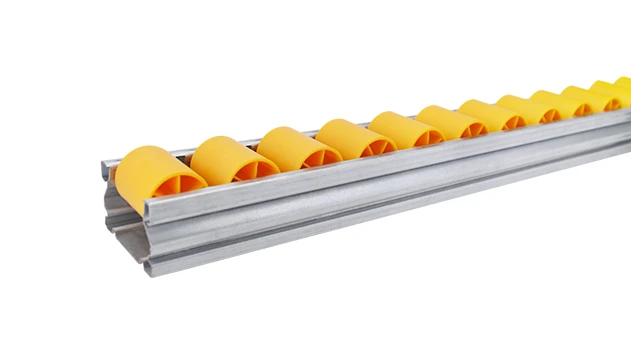
60 Steel Roller Track Yellow
The roller track can be installed with multiple accessories to create different slopes and configurations of flow racks.All steel conveyor 60 roller track accessories are engineered to perfectly fit the sliding rail.
Material handling is the backbone of any efficient factory. Whether you're moving components down a production line or organizing parts in a warehouse, the right equipment can make all the difference. Roller tracks are a silent hero in this process—they're the unsung components that keep parts sliding smoothly through flow racks, conveyors, and lean workstations. Today, we're diving into two popular options: the 60 Steel Roller Track Yellow and its aluminum counterpart. Understanding their differences will help you pick the perfect fit for your factory's unique needs.
What Is 60 Steel Roller Track Yellow?
The 60 Steel Roller Track Yellow is a heavy-duty solution designed for high-traffic, industrial environments. Made from robust steel, this track features a bright yellow coating that not only enhances visibility but also adds a layer of corrosion resistance. Let's break down its key attributes:
Key Features & Benefits
- Durability: Steel is known for its strength, making this track ideal for handling heavy loads (often up to several hundred kilograms per meter). It withstands constant wear and tear from frequent use, making it a long-lasting investment for busy factories.
- Load Capacity: Perfect for moving bulky items like automotive parts, heavy machinery components, or large boxes in warehouses. Its sturdiness ensures parts don't get stuck or damaged during transport.
- Corrosion Resistance: The yellow coating (typically powder-coated) protects against rust and moisture, which is essential in environments where spills or humidity are common.
- Visibility: The bright yellow color makes the track easy to spot, helping workers navigate the factory floor safely and reducing the risk of accidents.
Ideal Applications
This track shines in industries that demand heavy-duty performance:
- Automotive manufacturing: Used in flow racks for engine parts and body components.
- Warehousing & logistics: Integral to conveyor systems that move pallets and large packages.
- Heavy machinery production: Supports the movement of large metal parts along assembly lines.
It's a core component of lean solutions, as it streamlines material flow and reduces waste in production processes.
What Is 60 Aluminum Roller Track Yellow?
The 60 Aluminum Roller Track Yellow is a lighter, more versatile alternative to steel. Made from high-quality aluminum alloy, it combines strength with portability, making it a favorite in industries that value adaptability and clean environments. Here's what you need to know:
Key Features & Benefits
- Lightweight: Aluminum is significantly lighter than steel, making installation and reconfiguration a breeze. This is a game-changer for factories that need to adjust their production lines frequently.
- Corrosion Resistance: Aluminum naturally resists corrosion, so it's perfect for damp or clean environments where rust is a concern. The yellow coating adds extra protection and visibility.
- Medium Load Capacity: While not as strong as steel, it handles medium loads (up to around 150-200 kg per meter) with ease, suitable for most consumer electronics and small parts.
- Cleanliness: Aluminum doesn't shed rust or debris, making it ideal for industries like 3C assembly (smartphones, laptops) and medical equipment manufacturing where hygiene is critical.
Ideal Applications
Aluminum tracks are the go-to choice for industries that prioritize flexibility and cleanliness:
- 3C assembly: Used in lean workstations for assembling phones and tablets, where precision and mobility matter.
- Medical equipment production: Integral to conveyor systems that move sensitive components without contamination.
- Consumer electronics: Supports the flow of small parts in flexible production lines.
Its adaptability aligns perfectly with the lean of "sustainable improvement," as it can be easily modified to fit changing production needs.

Side-by-Side Comparison
| Feature | 60 Steel Roller Track Yellow | 60 Aluminum Roller Track Yellow |
|---|---|---|
| Material | Steel | Aluminum Alloy |
| Coating | Yellow Powder Coating | Yellow Powder Coating |
| Load Capacity | Heavy (200-300 kg/m) | Medium (100-200 kg/m) |
| Weight | Heavy (harder to move) | Lightweight (easy to install/reconfigure) |
| Corrosion Resistance | Good (coating protects steel) | Excellent (aluminum's natural property) |
| Durability | High (resists wear and tear) | Medium (best for non-abrasive use) |
| Installation Ease | Moderate (requires more effort) | Easy (lightweight and manageable) |
| Cost | Lower initial cost | Higher initial cost but lower maintenance |
| Ideal Applications | Heavy machinery, automotive, warehousing | 3C assembly, medical, consumer electronics |
| Maintenance Needs | Occasional coating checks for rust | Minimal (no rust concerns) |

How to Choose the Right One for Your Factory
The decision between steel and aluminum depends on your factory's specific needs. Here are the key factors to consider:
1. Load Requirements
If your factory moves heavy parts (like engine blocks or large pallets), go with steel. For medium loads (small components or boxes), aluminum is sufficient.
2. Environment
Steel works well in industrial settings with high traffic. Aluminum is better for clean environments (medical, 3C) or areas with moisture, as it resists corrosion naturally.
3. Mobility & Adaptability
Need to reconfigure your production line often? Aluminum's lightweight design makes it easy to move and adjust. Steel is more permanent.
4. Budget
Steel has a lower upfront cost, but aluminum may save you money in the long run due to minimal maintenance and longer lifespan in clean environments.
5. Industry
Automotive and heavy machinery factories prefer steel. 3C assembly, medical, and consumer electronics industries lean towards aluminum.
Partner with a Trusted Lean Pipe Supplier
Choosing the right roller track is just the first step. To get the most out of your lean system, you need a supplier that understands your industry and can provide custom solutions. A reliable lean pipe supplier like szsunqit.com offers both steel and aluminum roller tracks, along with a full range of lean components: flow racks, conveyors, lean workstations, and more.
They specialize in customizing solutions for industries like 3C assembly, medical equipment, and, ensuring that every component fits your unique production needs. Their expertise in lean means you get systems that are not just functional but also optimized for efficiency and sustainability.
Whether you need steel tracks for heavy loads or aluminum tracks for flexible lines, a trusted supplier will guide you through the selection process and deliver high-quality products that stand the test of time.
Final Thoughts
Both 60 Steel Roller Track Yellow and Aluminum have their strengths. Steel is the workhorse for heavy-duty applications, while aluminum is the flexible choice for clean, adaptable environments. The key is to align your choice with your factory's load requirements, environment, and long-term goals.
By working with a reputable lean pipe supplier, you can ensure that you get the right track for your needs, along with the support to integrate it into a complete lean solution. This will help you streamline your production processes, reduce waste, and keep your factory running at peak efficiency.