- Company Articles
- Products and Technology
- Procurement Guidelines
- 7 Factors to Consider When Buying Turning Angle Code 4040 for Lean Systems

7 Factors to Consider When Buying Turning Angle Code 4040 for Lean Systems
Related Product
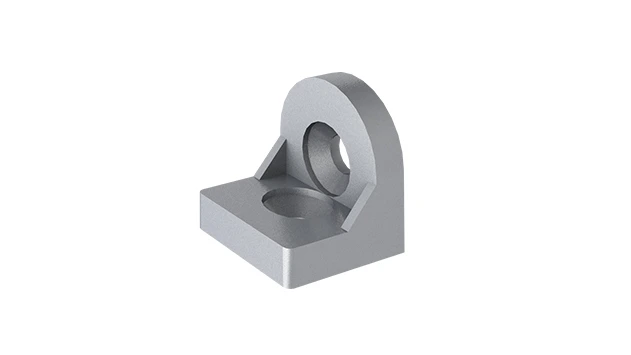
Turning Angle Code 4040
The turning angle aluminum profile connector provides a 90 degree hidden corner connection. 4040 it is means this size is used for 40 series aluminum profile.The corner code comes with set screws that allow for quick, easy connections.
Lean systems are the backbone of efficient manufacturing and production environments, where every component—from the smallest joint to the largest workbench—plays a critical role in streamlining workflows, reducing waste, and boosting productivity. Among these components, the turning angle code 4040 might seem at first glance, but it's the unsung hero that holds your aluminum profiles, workbenches, and material racks together. Whether you're setting up a new assembly line, upgrading an existing ESD workstation, or building a custom flow rack, choosing the right turning angle code 4040 can make or break the stability, flexibility, and longevity of your lean system.
In this guide, we'll walk through seven essential factors to consider when selecting turning angle code 4040. We'll skip the jargon and focus on practical, real-world advice—because at the end of the day, you need components that work as hard as your team does. Let's dive in.
1. Material Compatibility: Ensuring a Seamless Fit with Your Aluminum Profiles
First things first: your turning angle code 4040 must play well with the aluminum profiles you're using. Most lean systems rely on 4040 aluminum extrusion profiles (a common standard in the industry), but not all angle codes are designed to match their specifications. Using an incompatible angle code is like trying to fit a square peg in a round hole—you'll end up with wobbly structures, stripped threads, or even safety hazards.
Key Questions to Ask:
- What material is the angle code made of? Aluminum angle codes are lightweight and corrosion-resistant, making them ideal for general use. If your setup involves heavy loads or harsh environments (like exposure to chemicals), consider steel or stainless steel variants—though these may add weight to your system.
- Does it match your aluminum profile's groove design? 4040 profiles come with T-slots that vary slightly by manufacturer (e.g., EU standard vs. national standard). A well-designed turning angle code 4040 should align perfectly with these slots to ensure a tight, secure fit. Misalignment here can lead to loose connections, especially in high-vibration areas like near conveyor belts or roller tracks.
- Is it compatible with other accessories? If you're using aluminum profile accessories like end caps, rubber strips, or pipe clamps, check that the angle code doesn't block or interfere with their installation. For example, some bulkier angle codes might prevent T-slot rubber seal covers from fitting flush, leaving gaps that collect dust or debris.
Pro Tip: If you're unsure about compatibility, ask your lean system supplier for a sample kit. Testing the angle code with your actual profiles and accessories in your workspace can save you from costly mistakes later. Many suppliers will provide small samples at little to no cost—this is a small investment compared to replacing an entire batch of mismatched parts.
2. Load-Bearing Capacity: Don't Skimp on Strength
Imagine this: You've built a sturdy workbench using 4040 aluminum profiles and turning angle codes, only to have it sag or collapse when you place heavy tools or materials on it. That's a disaster waiting to happen—and it all comes down to underestimating load-bearing capacity. The turning angle code 4040 is a critical stress point in your structure, so you need to ensure it can handle the weight it will bear, both static (like a stationary workbench) and dynamic (like a turnover trolley in motion).
How to Calculate Your Needs:
Start by listing all the items that will rest on or pass through the structure. For a workbench, this might include machinery, toolboxes, and raw materials. For a flow rack, consider the weight of each bin or container, multiplied by the number of levels. Don't forget to account for "shock loads"—sudden impacts from dropping tools or slamming drawers, which can temporarily double the effective weight.
| Turning Angle Code 4040 Type | Material | Recommended Max Static Load (Per Joint) | Best For |
|---|---|---|---|
| Standard Aluminum | 6063 Aluminum Alloy | 150 kg | Light workbenches, small material racks |
| Reinforced Aluminum | 6061 Aluminum Alloy (Thicker Walls) | 300 kg | Heavy-duty workbenches, conveyor supports |
| Stainless Steel | 304 Stainless Steel | 450 kg | Outdoor setups, chemical plants, high-moisture areas |
Note: These are general guidelines. Always check the manufacturer's specifications for exact load ratings, and when in doubt, overengineer slightly. A turning angle code that can handle 300 kg is a safer bet for a 200 kg load than one rated for exactly 200 kg—wear and tear over time can reduce load capacity.
Red Flag: Avoid generic "one-size-fits-all" angle codes from unbranded suppliers. These often skip quality testing, and their load ratings may be exaggerated. Look for codes with third-party certifications (e.g., ISO 9001) to ensure the numbers match reality.

3. Assembly Flexibility: Save Time and Adapt to Change
Lean systems are all about adaptability—your production needs change, and your workspace should too. A rigid, hard-to-assemble turning angle code 4040 can turn a quick reconfiguration into a frustrating, time-consuming project. The best angle codes are designed for easy installation, adjustment, and disassembly, so you can modify your setup without needing a team of engineers or specialized tools.
What to Look For:
- Tool-free or minimal-tool assembly: Some angle codes use hand-tightened bolts or quick-release levers, allowing you to adjust them with just a hex key or even your hands. This is a game-changer for small teams or frequent reconfigurations. Avoid codes that require welding, drilling, or specialized tools—these lock you into a fixed design and make future changes nearly impossible.
- Adjustable angles: While "turning angle code 4040" implies a 90-degree angle, many models offer micro-adjustments (e.g., 85-95 degrees) to accommodate slight misalignments in profiles. This flexibility is crucial if your aluminum profiles aren't perfectly straight (common with budget or poorly manufactured materials) or if you need to create sloped surfaces, like a flow rack with a gentle incline for gravity-fed material flow.
- Reusability: Can you disassemble the angle code and reuse it in another part of your system? High-quality codes are designed to withstand multiple cycles of assembly and disassembly without stripping threads or weakening the material. Cheap plastic or thin aluminum codes may crack or warp after just a few uses, turning them into single-use waste.
Real-World Example: A electronics manufacturer we worked with recently wanted to reconfigure their ESD workstations to accommodate a new product line. Their old angle codes required welding, so they had to hire a contractor and shut down production for two days. By switching to tool-free, adjustable turning angle codes, they now reconfigure workstations in under an hour—saving downtime and labor costs.

4. Precision and Fit Tolerance: The Devil's in the Details
You've checked compatibility and load capacity, but there's one more technical detail that can make or break your setup: precision. Even the strongest, most flexible angle code will fail if it doesn't fit your profiles with tight tolerance. A gap of just 1-2mm between the angle code and profile can lead to wobbling, rattling, or uneven weight distribution—issues that compound over time and put stress on other components like lean pipe joints or caster wheels.
Signs of a Well-Machined Angle Code:
- Smooth edges and consistent dimensions: Run your finger along the edges—they should be free of burrs, sharp corners, or unevenness. Inconsistent sizing (e.g., some codes being slightly wider or narrower than others in the same batch) is a red flag for poor manufacturing quality.
- Tight T-slot engagement: When inserted into the profile's T-slot, the angle code's bolts or pins should slide smoothly but not loosely. If you can wiggle the code back and forth without tightening the fastener, it's too loose. Conversely, if it requires excessive force to insert, it may damage the profile's slots over time.
- Stable connection under vibration: Test the assembled joint by gently shaking or tapping it. A precise fit will feel solid, with no creaking or shifting. This is especially important for structures near roller tracks or conveyor systems, where constant vibration can loosen even slightly ill-fitting parts.
Why This Matters: In precision industries like aerospace or medical device manufacturing, even minor wobbling in a workbench can lead to errors in assembly or measurement. For example, a misaligned angle code on an ESD workstation might cause sensitive circuit boards to shift during testing, resulting in faulty readings or damaged components. In less critical environments, loose connections can still lead to increased maintenance costs—tightening bolts every week adds up!
5. Environmental Adaptability: Protect Against the Elements
Your lean system doesn't exist in a vacuum—it's exposed to the unique conditions of your workspace, whether that's humidity in a food processing plant, static electricity in an electronics factory, or extreme temperatures in a warehouse. The turning angle code 4040 must hold up to these conditions to ensure long-term reliability.
Common Environmental Challenges:
- Moisture and corrosion: In damp environments (e.g., near washdown areas or in coastal regions), aluminum angle codes with anodized finishes offer better rust resistance than untreated steel. For even higher protection, look for codes with a powder-coated or zinc-plated layer. Avoid bare steel codes here—they'll start rusting within months, weakening the joint and staining your profiles.
- Static electricity (ESD): If you're working with sensitive electronics, your ESD workstation needs components that dissipate static charge. Some turning angle codes are made with conductive materials or coatings to prevent static buildup. Ask your supplier if the code meets ESD standards (e.g., ANSI/ESD S20.20) to avoid damaging circuit boards or semiconductors.
- Temperature extremes: In hot environments (like near furnaces) or cold storage facilities, materials expand and contract. A well-designed angle code should maintain its shape and grip—cheap plastic codes may become brittle in the cold or warp in the heat, while low-grade metals might weaken under thermal stress.
- Chemical exposure: Factories using oils, solvents, or cleaning agents need angle codes resistant to chemical degradation. Stainless steel or specialized plastic composites (like polypropylene) are better choices here than standard aluminum, which can corrode or discolor when exposed to harsh chemicals.
Pro Tip: If your environment is particularly harsh, consider overspecifying. For example, using stainless steel angle codes in a mildly humid area might cost more upfront, but they'll last 3-5 times longer than aluminum, saving you replacement costs in the long run.
6. Supplier Reliability: Trust Matters
You could find the "perfect" turning angle code 4040 on paper, but if your supplier can't deliver consistent quality, meet deadlines, or provide support when things go wrong, you're setting yourself up for frustration. Choosing a reliable lean system supplier is just as important as choosing the right product—and it's a factor many buyers overlook.
What to Look for in a Supplier:
- Proven track record: How long have they been in business? Do they specialize in lean system components, or are they a general hardware supplier? A supplier with 10+ years of experience in manufacturing aluminum profiles and accessories is more likely to understand your needs than a newcomer.
- Quality control processes: Ask about their manufacturing and testing procedures. Do they inspect each batch for defects? Can they provide material certificates (e.g., for aluminum alloys or stainless steel grades)? Transparency here is key—suppliers who hesitate to share this information may be cutting corners.
- Inventory and lead times: Nothing stalls a project like waiting for backordered parts. Check if the supplier keeps turning angle code 4040 in stock, especially if you need them quickly. For custom orders (e.g., special finishes or sizes), ask for a clear timeline and contingency plans if delays occur.
- Customer support: What happens if a batch of angle codes is defective? A good supplier will offer replacements or refunds without hassle. Look for suppliers with dedicated technical support teams—someone who can help you troubleshoot installation issues or recommend alternatives if your first choice isn't available.
Warning Signs: Avoid suppliers who offer "too good to be true" prices, require full payment upfront with no return policy, or have vague product descriptions. These are often red flags for counterfeit or low-quality parts. Remember, your supplier is a partner in your lean system's success—choose one you can trust.
7. Cost vs. Long-Term Value: Think Beyond the Price Tag
It's tempting to opt for the cheapest turning angle code 4040 you can find, especially when ordering in bulk. But here's the truth: the lowest upfront cost rarely equals the best value. A slightly more expensive, high-quality angle code will save you money in the long run by reducing maintenance, replacement, and downtime costs.
How to Calculate Long-Term Value:
Let's break it down with a simple example. Suppose you need 100 turning angle codes for a workbench setup:
- Option A (Budget Code): $2 per code, total $200. Load capacity: 100 kg. Lifespan: 1 year (may crack or warp under regular use).
- Option B (Premium Code): $5 per code, total $500. Load capacity: 300 kg. Lifespan: 5 years (resists wear, corrosion, and repeated assembly/disassembly).
At first glance, Option A is cheaper. But over 5 years, you'd need to replace Option A 5 times ($200 x 5 = $1,000), compared to Option B's one-time $500. Plus, Option B can handle heavier loads, reducing the risk of workplace accidents. When you factor in downtime for replacements and potential damage to profiles, Option B is clearly the better investment.
Other Hidden Costs of Cheap Codes:
- Wasted labor: Installing and reinstalling flimsy angle codes takes time. A team of two workers spending 4 hours replacing codes costs far more than the savings on cheap parts.
- Damaged profiles: Poorly fitting codes can scratch or bend aluminum profiles, making them unusable. Replacing a single 4040 profile costs $20-$50—easily wiping out savings from cheap angle codes.
- Safety risks: A failed angle code could lead to injuries, workers' compensation claims, or OSHA fines. These costs are incalculable compared to the price of quality components.
Final Thought: Lean systems are about efficiency, and efficiency means minimizing waste—including waste from premature part failure. Invest in turning angle codes that balance cost with quality, and you'll build a system that serves your team for years to come.
Conclusion: Your Lean System Deserves the Best Turning Angle Code 4040
Choosing the right turning angle code 4040 isn't just about picking a part off a shelf—it's about understanding your lean system's unique needs, from material compatibility and load capacity to environmental resilience and long-term value. By considering these seven factors, you'll build a setup that's stable, flexible, and built to last.
Remember, every component in your lean system works together, and the turning angle code 4040 is the glue that holds it all in place. Don't rush this decision—take the time to test samples, consult your supplier, and evaluate your workspace's specific challenges. Your team, your productivity, and your bottom line will thank you.
Ready to start shopping? Reach out to a trusted lean system supplier today, armed with these factors, and ask the tough questions. With the right turning angle code 4040, you're one step closer to a leaner, more efficient workspace.