- Company Articles
- Products and Technology
- Product knowledge
- 7 Key Advantages of Parallel Rotatory Lean Pipe Joints in Lean Manufacturing

7 Key Advantages of Parallel Rotatory Lean Pipe Joints in Lean Manufacturing
Related Product
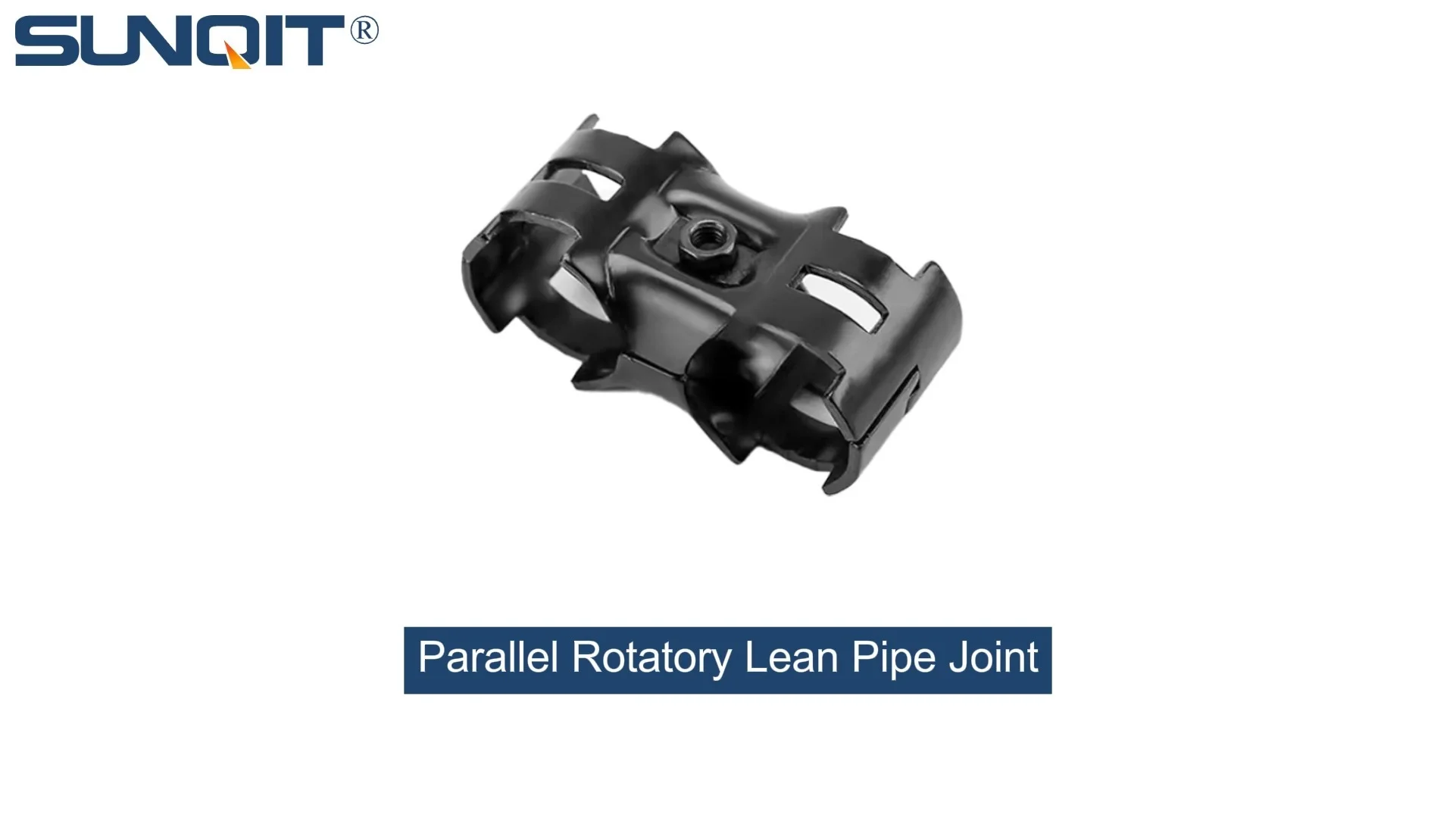
Parallel Rotatory Lean Pipe Joint
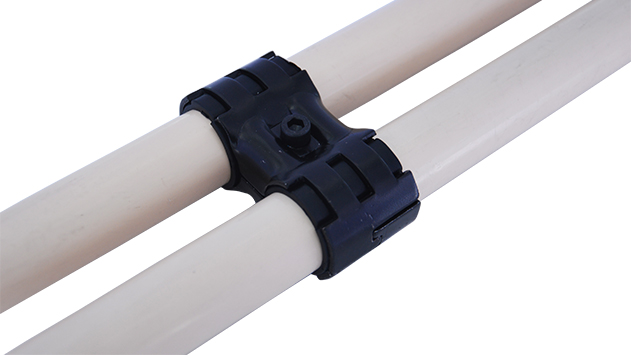
Parallel rotatory lean pipe joint, for 2 pcs pipe conenction in parallel direction with rotatory function.
In the fast-paced world of manufacturing, where efficiency, flexibility, and cost-effectiveness are the cornerstones of success, lean manufacturing has emerged as more than just a methodology—it's a mindset. At its core, lean manufacturing is about eliminating waste, streamlining workflows, and empowering teams to adapt quickly to changing demands. But even the best lean strategies rely on the right tools to bring them to life. Enter the unsung hero of modern production floors: the parallel rotatory lean pipe joint.
You might not notice them at first glance, but these small, unassuming components play a pivotal role in building the adaptable workbenches, flow racks, and material handling systems that keep production lines moving. Unlike rigid, fixed joints that lock systems into a single configuration, parallel rotatory lean pipe joints offer a level of versatility that aligns perfectly with lean principles. They're the reason a workbench can be reconfigured in an hour instead of a day, or a flow rack can be adjusted to accommodate new product sizes without overhauling the entire setup.
In this article, we'll dive into seven key advantages that make parallel rotatory lean pipe joints indispensable in lean manufacturing environments. From boosting flexibility to cutting costs and enhancing worker ergonomics, these joints are more than just connectors—they're enablers of smarter, more responsive production. Let's explore how they're transforming the way manufacturers build, adapt, and thrive.
You might not notice them at first glance, but these small, unassuming components play a pivotal role in building the adaptable workbenches, flow racks, and material handling systems that keep production lines moving. Unlike rigid, fixed joints that lock systems into a single configuration, parallel rotatory lean pipe joints offer a level of versatility that aligns perfectly with lean principles. They're the reason a workbench can be reconfigured in an hour instead of a day, or a flow rack can be adjusted to accommodate new product sizes without overhauling the entire setup.
In this article, we'll dive into seven key advantages that make parallel rotatory lean pipe joints indispensable in lean manufacturing environments. From boosting flexibility to cutting costs and enhancing worker ergonomics, these joints are more than just connectors—they're enablers of smarter, more responsive production. Let's explore how they're transforming the way manufacturers build, adapt, and thrive.
1. Unmatched Flexibility for Dynamic Production Needs
One of the biggest challenges in manufacturing is keeping up with change. Product designs evolve, order volumes fluctuate, and new technologies require production lines to adapt on the fly. Traditional fixed systems—built with welded steel or rigid fasteners—simply can't keep pace. They're time-consuming to modify, often requiring specialized tools or even replacement, which translates to downtime and lost productivity.
Parallel rotatory lean pipe joints change the game by offering near-infinite adjustability. Thanks to their rotating mechanism, these joints allow pipes and aluminum profiles to pivot, tilt, and lock into place at multiple angles, all without cutting, welding, or drilling. Imagine a scenario where a electronics manufacturer needs to reconfigure a workbench to assemble a new smartphone model with different component sizes. With traditional joints, this might involve disassembling the entire bench and rebuilding it from scratch. With parallel rotatory joints? A technician can loosen a few knobs, adjust the height and angle of the shelves, reposition the flow rack attachments, and lock everything back into place—all in under 30 minutes.
This flexibility extends beyond workbenches. Flow racks, which are critical for ensuring smooth material flow in lean systems, often need to accommodate different box sizes or pallet weights. Parallel rotatory joints let operators adjust the angle of roller tracks, add or remove shelves, or even reorient the entire rack to optimize pick-and-place efficiency. It's like having a production system that can "learn" and adapt to new needs, rather than being stuck in a one-size-fits-all mold.
And it's not just about big changes. Even small, daily adjustments—like tilting a work surface to reduce glare for a worker, or raising a material bin to a more comfortable height—are made possible by these joints. In lean manufacturing, where continuous improvement (Kaizen) is a daily practice, this level of flexibility turns incremental changes into tangible gains in productivity.
Parallel rotatory lean pipe joints change the game by offering near-infinite adjustability. Thanks to their rotating mechanism, these joints allow pipes and aluminum profiles to pivot, tilt, and lock into place at multiple angles, all without cutting, welding, or drilling. Imagine a scenario where a electronics manufacturer needs to reconfigure a workbench to assemble a new smartphone model with different component sizes. With traditional joints, this might involve disassembling the entire bench and rebuilding it from scratch. With parallel rotatory joints? A technician can loosen a few knobs, adjust the height and angle of the shelves, reposition the flow rack attachments, and lock everything back into place—all in under 30 minutes.
This flexibility extends beyond workbenches. Flow racks, which are critical for ensuring smooth material flow in lean systems, often need to accommodate different box sizes or pallet weights. Parallel rotatory joints let operators adjust the angle of roller tracks, add or remove shelves, or even reorient the entire rack to optimize pick-and-place efficiency. It's like having a production system that can "learn" and adapt to new needs, rather than being stuck in a one-size-fits-all mold.
And it's not just about big changes. Even small, daily adjustments—like tilting a work surface to reduce glare for a worker, or raising a material bin to a more comfortable height—are made possible by these joints. In lean manufacturing, where continuous improvement (Kaizen) is a daily practice, this level of flexibility turns incremental changes into tangible gains in productivity.
Real-World Example: A Automotive Parts Supplier's Adaptation Story
A mid-sized automotive parts supplier recently faced a challenge: their client introduced a new line of electric vehicle (EV) components, which were larger and heavier than their traditional parts. Their existing workbenches and flow racks, built with fixed steel joints, couldn't handle the new dimensions. Instead of investing in entirely new equipment (a six-figure expense), they retrofitted their systems with parallel rotatory lean pipe joints. By adjusting the height of workbench surfaces, reconfiguring flow rack roller tracks to a steeper angle (to accommodate heavier boxes), and adding reinforced aluminum profile accessories, they were able to start production within a week—saving time and money while avoiding production delays.
2. Cost-Efficiency: Reduce Waste, Maximize ROI
Lean manufacturing is all about eliminating waste, and one of the biggest hidden costs in production is equipment obsolescence. When a system is rigidly fixed, even minor changes in product design or production volume can render it useless, forcing companies to invest in new tools. Parallel rotatory lean pipe joints attack this waste head-on by extending the lifespan of existing equipment and reducing the need for new purchases.
Let's break down the cost savings: First, there's the upfront cost. Parallel rotatory joints are often more affordable than custom-welded solutions, especially when you factor in the labor required for welding and installation. Second, there's the cost of reconfiguration. With traditional joints, modifying a workbench or flow rack might require hiring a contractor, purchasing new materials, and halting production for days. With parallel rotatory joints, the same modifications can be done in-house by maintenance staff or even line operators, using basic tools like hex keys. The result? Less downtime, lower labor costs, and no need for specialized expertise.
Third, there's the value of reusability. When a production line is retired or repurposed, the pipes, aluminum profiles, and parallel rotatory joints can be disassembled and reused to build new systems. Unlike welded steel, which is often cut up and scrapped, these components retain their functionality, turning what would be waste into a reusable asset. Over time, this cycle of reuse can drastically reduce the total cost of ownership for manufacturing equipment.
To put this in perspective, let's compare the costs of modifying a traditional fixed system versus one using parallel rotatory joints:
Let's break down the cost savings: First, there's the upfront cost. Parallel rotatory joints are often more affordable than custom-welded solutions, especially when you factor in the labor required for welding and installation. Second, there's the cost of reconfiguration. With traditional joints, modifying a workbench or flow rack might require hiring a contractor, purchasing new materials, and halting production for days. With parallel rotatory joints, the same modifications can be done in-house by maintenance staff or even line operators, using basic tools like hex keys. The result? Less downtime, lower labor costs, and no need for specialized expertise.
Third, there's the value of reusability. When a production line is retired or repurposed, the pipes, aluminum profiles, and parallel rotatory joints can be disassembled and reused to build new systems. Unlike welded steel, which is often cut up and scrapped, these components retain their functionality, turning what would be waste into a reusable asset. Over time, this cycle of reuse can drastically reduce the total cost of ownership for manufacturing equipment.
To put this in perspective, let's compare the costs of modifying a traditional fixed system versus one using parallel rotatory joints:
| Cost Category | Traditional Fixed System | Parallel Rotatory Lean Pipe System |
|---|---|---|
| Initial Installation (10-workbench line) | $25,000 (includes welding, custom fabrication) | $18,000 (modular components, no welding) |
| Reconfiguration Cost (per change) | $3,000 (contractor labor, new materials) | $200 (in-house labor, existing components) |
| System Lifespan | 3-5 years (becomes obsolete with product changes) | 8-10+ years (reconfigurable for new needs) |
| Waste Disposal (end of life) | $500 (scrap removal) | $0 (components reused in new systems) |
As the table shows, the savings add up quickly. For a manufacturer that reconfigures its lines 2-3 times per year, the cost difference can be in the tens of thousands of dollars annually. And when you multiply that over the lifespan of the system, parallel rotatory joints deliver a ROI that's hard to match with traditional solutions.
3. Seamless Integration with Lean Systems and Workflows
Lean manufacturing isn't just about tools—it's about creating a cohesive system where every component works together to eliminate waste and improve flow. Parallel rotatory lean pipe joints excel here because they're designed to integrate seamlessly with other lean tools, from 5S organization to just-in-time (JIT) material delivery.
Take 5S, for example, which focuses on sorting, setting in order, shining, standardizing, and sustaining. A key part of 5S is "setting in order"—ensuring that tools and materials are stored in the most efficient location. With parallel rotatory joints, workbenches can be customized to include shadow boards, tool hooks, and material bins that are positioned exactly where workers need them. No more reaching across a cluttered surface or walking to a distant shelf—everything is within arm's reach, reducing motion waste (a common target in lean).
For JIT workflows, where materials arrive exactly when they're needed, flow racks built with parallel rotatory joints ensure that parts move smoothly from receiving to production. The joints allow roller tracks to be adjusted for optimal speed—faster for high-demand parts, slower for delicate components—preventing bottlenecks and overstocking. And because these systems are modular, they can be extended or shortened as JIT schedules change, ensuring that material flow matches production (rhythm).
Another area of integration is with visual management tools. Many lean facilities use color-coding, labels, and signage to make workflows intuitive. Parallel rotatory joints work with aluminum profile accessories like clip-on label holders, LED light strips, and magnetic boards, turning workbenches and racks into visual command centers. For example, a flow rack section for "urgent" orders can be marked with red labels and positioned at eye level, while "routine" parts are stored in lower, blue-labeled sections—all made possible by the joint's ability to support these add-ons without compromising structural integrity.
Take 5S, for example, which focuses on sorting, setting in order, shining, standardizing, and sustaining. A key part of 5S is "setting in order"—ensuring that tools and materials are stored in the most efficient location. With parallel rotatory joints, workbenches can be customized to include shadow boards, tool hooks, and material bins that are positioned exactly where workers need them. No more reaching across a cluttered surface or walking to a distant shelf—everything is within arm's reach, reducing motion waste (a common target in lean).
For JIT workflows, where materials arrive exactly when they're needed, flow racks built with parallel rotatory joints ensure that parts move smoothly from receiving to production. The joints allow roller tracks to be adjusted for optimal speed—faster for high-demand parts, slower for delicate components—preventing bottlenecks and overstocking. And because these systems are modular, they can be extended or shortened as JIT schedules change, ensuring that material flow matches production (rhythm).
Another area of integration is with visual management tools. Many lean facilities use color-coding, labels, and signage to make workflows intuitive. Parallel rotatory joints work with aluminum profile accessories like clip-on label holders, LED light strips, and magnetic boards, turning workbenches and racks into visual command centers. For example, a flow rack section for "urgent" orders can be marked with red labels and positioned at eye level, while "routine" parts are stored in lower, blue-labeled sections—all made possible by the joint's ability to support these add-ons without compromising structural integrity.

4. Enhanced Ergonomics for Happier, Healthier Workers
Lean manufacturing isn't just about efficiency—it's about people. A production line is only as good as the workers who operate it, and ergonomics plays a critical role in keeping teams healthy, motivated, and productive. Parallel rotatory lean pipe joints contribute to better ergonomics by allowing systems to be tailored to the unique needs of each worker, rather than forcing workers to adapt to one-size-fits-all equipment.
Consider a workbench where operators assemble small electronic components. A tall worker might need the surface at 40 inches to avoid hunching, while a shorter colleague might prefer 34 inches. With fixed joints, this would require two separate workbenches. With parallel rotatory joints, the height can be adjusted in minutes, using a simple crank or lever, ensuring both workers can maintain neutral postures (no more bending or stretching). The same goes for the angle of the work surface: tilting it slightly can reduce glare and wrist strain when using precision tools, a adjustment that's impossible with rigid systems.
Material handling is another area where ergonomics matter. Heavy bins or boxes can lead to back injuries if workers have to lift them from floor-level shelves. Parallel rotatory joints let flow racks be adjusted so that materials are always at "golden zone" height—between knee and shoulder level—minimizing lifting and bending. For example, a medical device manufacturer used these joints to reangle their flow rack roller tracks, so that component bins glide gently to the operator at waist height, reducing the risk of strain.
The result? Fewer workplace injuries, lower absenteeism, and higher employee satisfaction. When workers feel that their comfort is a priority, they're more engaged, focused, and productive. It's a win-win: lean systems become more efficient, and teams feel valued.
Consider a workbench where operators assemble small electronic components. A tall worker might need the surface at 40 inches to avoid hunching, while a shorter colleague might prefer 34 inches. With fixed joints, this would require two separate workbenches. With parallel rotatory joints, the height can be adjusted in minutes, using a simple crank or lever, ensuring both workers can maintain neutral postures (no more bending or stretching). The same goes for the angle of the work surface: tilting it slightly can reduce glare and wrist strain when using precision tools, a adjustment that's impossible with rigid systems.
Material handling is another area where ergonomics matter. Heavy bins or boxes can lead to back injuries if workers have to lift them from floor-level shelves. Parallel rotatory joints let flow racks be adjusted so that materials are always at "golden zone" height—between knee and shoulder level—minimizing lifting and bending. For example, a medical device manufacturer used these joints to reangle their flow rack roller tracks, so that component bins glide gently to the operator at waist height, reducing the risk of strain.
The result? Fewer workplace injuries, lower absenteeism, and higher employee satisfaction. When workers feel that their comfort is a priority, they're more engaged, focused, and productive. It's a win-win: lean systems become more efficient, and teams feel valued.
Ergonomics in Action: A Furniture Manufacturer's Success
A furniture manufacturer was struggling with high turnover and frequent back injuries among assembly line workers, who spent hours bending to retrieve heavy wooden panels from low shelves. After switching to flow racks with parallel rotatory lean pipe joints, they adjusted the roller tracks to incline slightly, so panels slid down to a waist-high shelf. They also added adjustable workbench surfaces, allowing workers to alternate between sitting and standing. Within six months, injury rates dropped by 40%, and turnover decreased by 25%. Workers reported feeling less fatigued, and production speed increased by 15% as a result of improved focus.

5. Durability That Stands Up to Heavy-Duty Use
Flexibility is important, but it wouldn't matter if parallel rotatory lean pipe joints couldn't withstand the rigors of a manufacturing environment. The good news? These joints are built tough, using materials like high-grade aluminum, steel, and reinforced plastics that can handle daily wear, heavy loads, and even harsh conditions (like temperature fluctuations or exposure to oils and chemicals).
Let's talk about materials. Many parallel rotatory joints are made from aluminum alloy, which offers a balance of strength and lightness. Aluminum resists corrosion, making it ideal for facilities that require regular cleaning (like food processing or medical device manufacturing). For heavier loads—think automotive parts or industrial machinery—steel-reinforced joints are available, with weight capacities ranging from 200 to 500 pounds per joint. The rotating mechanism itself is designed with precision bearings or friction locks that maintain stability even after thousands of adjustments, so you won't have to worry about joints slipping or wobbling over time.
Another factor in durability is the modular design. Unlike welded systems, where a single cracked weld can compromise the entire structure, modular systems with parallel rotatory joints allow for easy replacement of individual components. If a joint wears out after years of use, you can swap it out in 10 minutes instead of replacing the whole workbench. This "replace, don't rebuild" approach extends the life of the entire system and reduces maintenance costs.
Even in high-vibration environments—like near stamping machines or conveyor belts—parallel rotatory joints hold their own. Many models feature locking mechanisms that tighten under pressure, ensuring that once a configuration is set, it stays set. This reliability is crucial in lean manufacturing, where unexpected downtime can derail production schedules and increase costs.
Let's talk about materials. Many parallel rotatory joints are made from aluminum alloy, which offers a balance of strength and lightness. Aluminum resists corrosion, making it ideal for facilities that require regular cleaning (like food processing or medical device manufacturing). For heavier loads—think automotive parts or industrial machinery—steel-reinforced joints are available, with weight capacities ranging from 200 to 500 pounds per joint. The rotating mechanism itself is designed with precision bearings or friction locks that maintain stability even after thousands of adjustments, so you won't have to worry about joints slipping or wobbling over time.
Another factor in durability is the modular design. Unlike welded systems, where a single cracked weld can compromise the entire structure, modular systems with parallel rotatory joints allow for easy replacement of individual components. If a joint wears out after years of use, you can swap it out in 10 minutes instead of replacing the whole workbench. This "replace, don't rebuild" approach extends the life of the entire system and reduces maintenance costs.
Even in high-vibration environments—like near stamping machines or conveyor belts—parallel rotatory joints hold their own. Many models feature locking mechanisms that tighten under pressure, ensuring that once a configuration is set, it stays set. This reliability is crucial in lean manufacturing, where unexpected downtime can derail production schedules and increase costs.
6. Scalability to Grow With Your Business
Every manufacturer dreams of growth, but growth often brings new challenges: more products, larger facilities, and increased production volumes. The last thing you need is a production system that can't keep up. Parallel rotatory lean pipe joints make scaling easy, thanks to their modular design and compatibility with standard components.
Suppose you start with a small assembly line of 5 workbenches. As your business grows, you need to add 5 more. With traditional fixed systems, this might require custom-fabricating new benches to match the old ones, which can be costly and time-consuming. With parallel rotatory joints, you can simply purchase additional pipes, aluminum profiles, and joints, and assemble them to match your existing setup. The modularity ensures consistency—all workbenches will have the same adjustability and functionality—while avoiding the expense of custom manufacturing.
Scalability also applies to product diversification. If you start making small electronics and later expand into larger appliances, your existing flow racks and material handling systems can be extended or reconfigured using the same parallel rotatory joints. No need to buy new racks; just add more sections, adjust the roller tracks, and you're ready to go. This is especially valuable for small and medium-sized manufacturers (SMEs) that need to pivot quickly to seize new market opportunities.
Even in large facilities, scalability matters. A multinational manufacturer with multiple plants can standardize on parallel rotatory joint systems, ensuring that best practices from one location can be replicated elsewhere with minimal effort. New plants can be up and running faster, and cross-training employees becomes easier since the systems work the same way across sites.
Suppose you start with a small assembly line of 5 workbenches. As your business grows, you need to add 5 more. With traditional fixed systems, this might require custom-fabricating new benches to match the old ones, which can be costly and time-consuming. With parallel rotatory joints, you can simply purchase additional pipes, aluminum profiles, and joints, and assemble them to match your existing setup. The modularity ensures consistency—all workbenches will have the same adjustability and functionality—while avoiding the expense of custom manufacturing.
Scalability also applies to product diversification. If you start making small electronics and later expand into larger appliances, your existing flow racks and material handling systems can be extended or reconfigured using the same parallel rotatory joints. No need to buy new racks; just add more sections, adjust the roller tracks, and you're ready to go. This is especially valuable for small and medium-sized manufacturers (SMEs) that need to pivot quickly to seize new market opportunities.
Even in large facilities, scalability matters. A multinational manufacturer with multiple plants can standardize on parallel rotatory joint systems, ensuring that best practices from one location can be replicated elsewhere with minimal effort. New plants can be up and running faster, and cross-training employees becomes easier since the systems work the same way across sites.
7. Compatibility with a Wide Range of Accessories
A parallel rotatory lean pipe joint is more than just a connector—it's a hub that brings together a universe of accessories to customize your system. From roller tracks and casters to tool holders and LED lights, these joints are designed to work with hundreds of compatible components, letting you build exactly the system you need without reinventing the wheel.
Let's start with material handling accessories. Roller tracks, which are essential for flow racks, can be attached to parallel rotatory joints to create gravity-fed lanes for boxes and bins. Want to add casters to a workbench so it can be moved to different stations? The joints easily accommodate caster mounting plates, turning a stationary bench into a mobile workstation. For heavier loads, you can add brakes to the casters, ensuring stability when in use.
Then there are the "little things" that make a big difference: cable management clips to keep power cords organized, bin dividers to separate small parts, and even monitor mounts for digital work instructions. These accessories snap or bolt onto the same pipes and joints, creating a cohesive, clutter-free workspace. For example, a pharmaceutical manufacturer used parallel rotatory joints to build workbenches with integrated USB charging ports, tool hooks, and barcode scanner holders—all tailored to their specific assembly process.
The best part? Most accessories are universal, meaning you can mix and match components from different suppliers without compatibility issues. This competition keeps prices low and innovation high, as suppliers are constantly developing new accessories to meet evolving manufacturing needs. Whether you need a specialized bracket for a unique tool or a standard shelf for storage, there's likely an accessory that works with your parallel rotatory joints.
Let's start with material handling accessories. Roller tracks, which are essential for flow racks, can be attached to parallel rotatory joints to create gravity-fed lanes for boxes and bins. Want to add casters to a workbench so it can be moved to different stations? The joints easily accommodate caster mounting plates, turning a stationary bench into a mobile workstation. For heavier loads, you can add brakes to the casters, ensuring stability when in use.
Then there are the "little things" that make a big difference: cable management clips to keep power cords organized, bin dividers to separate small parts, and even monitor mounts for digital work instructions. These accessories snap or bolt onto the same pipes and joints, creating a cohesive, clutter-free workspace. For example, a pharmaceutical manufacturer used parallel rotatory joints to build workbenches with integrated USB charging ports, tool hooks, and barcode scanner holders—all tailored to their specific assembly process.
The best part? Most accessories are universal, meaning you can mix and match components from different suppliers without compatibility issues. This competition keeps prices low and innovation high, as suppliers are constantly developing new accessories to meet evolving manufacturing needs. Whether you need a specialized bracket for a unique tool or a standard shelf for storage, there's likely an accessory that works with your parallel rotatory joints.
In the world of lean manufacturing, where every second and every dollar counts, parallel rotatory lean pipe joints are more than just components—they're partners in progress. They embody the lean spirit of flexibility, efficiency, and continuous improvement, turning static production systems into dynamic, adaptable tools that can keep up with the demands of modern manufacturing.
From reducing waste and cutting costs to enhancing ergonomics and supporting growth, the advantages of these joints are clear. They let manufacturers build systems that work for their people, not the other way around. They turn "we can't" into "we can reconfigure," and "it's too expensive" into "we can reuse what we have."
So the next time you walk through a lean production floor, take a closer look at those workbenches and flow racks. Chances are, parallel rotatory lean pipe joints are holding them together—and holding the key to a more efficient, more adaptable, and more successful manufacturing future.
From reducing waste and cutting costs to enhancing ergonomics and supporting growth, the advantages of these joints are clear. They let manufacturers build systems that work for their people, not the other way around. They turn "we can't" into "we can reconfigure," and "it's too expensive" into "we can reuse what we have."
So the next time you walk through a lean production floor, take a closer look at those workbenches and flow racks. Chances are, parallel rotatory lean pipe joints are holding them together—and holding the key to a more efficient, more adaptable, and more successful manufacturing future.