- Company Articles
- Products and Technology
- Solution
- 85 Staggered Roller Track Project Planning: Timeline & Budget Tips

85 Staggered Roller Track Project Planning: Timeline & Budget Tips
Related Product
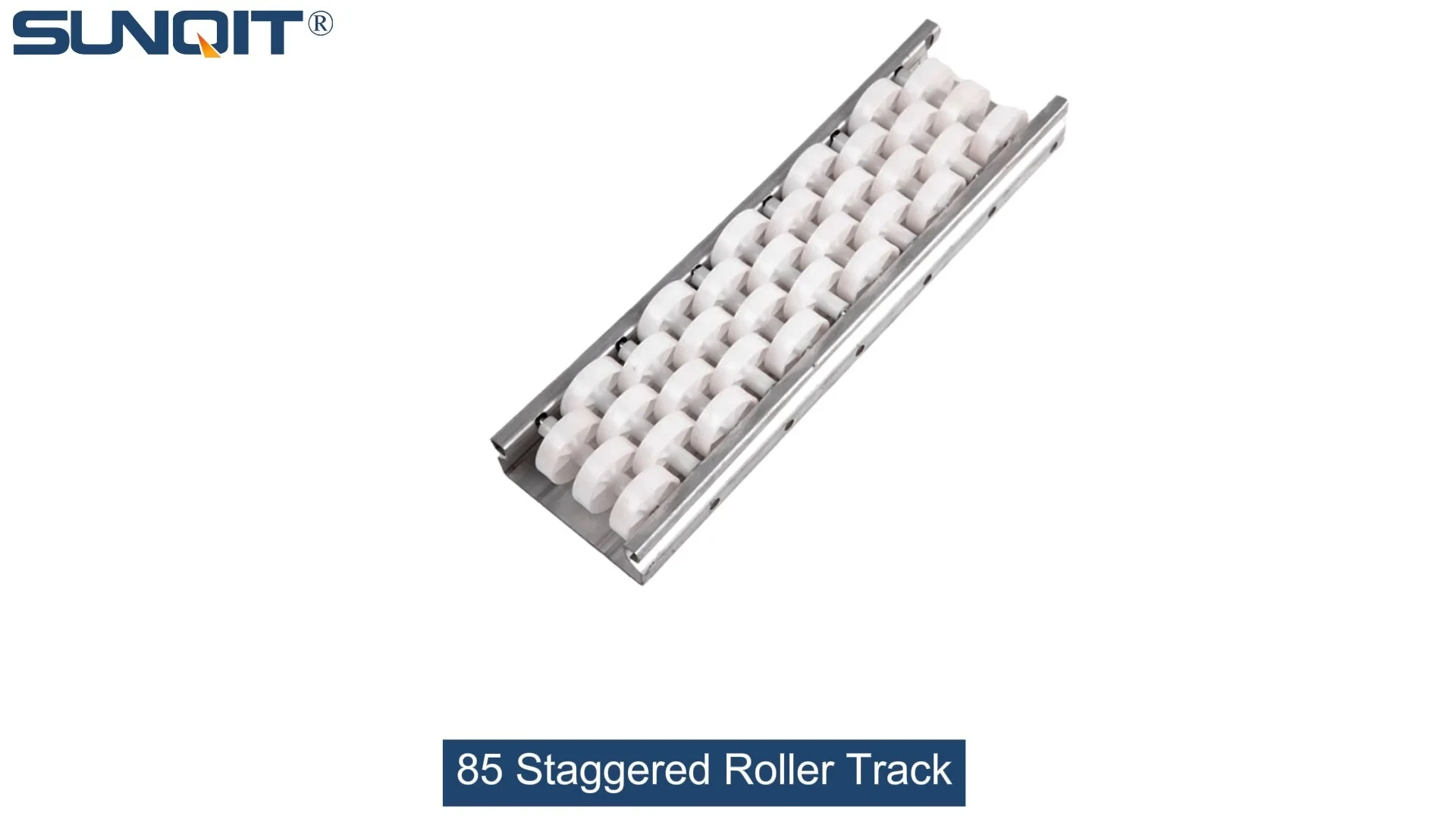
85 Staggered Roller Track
Triple staggered roller track is designed to enhance carton flow in various applications, such as flow racks and carton flow systems. This triple-staggered roller track is ideal for bins, boxes, or products that require smoother, more efficient rolling.
Imagine walking into a manufacturing facility where materials glide seamlessly from one workstation to the next, no bottlenecks, no delays, and every inch of space is used efficiently. That's the power of a well-planned material handling system—and at the heart of it, often lies the 85 staggered roller track. Whether you're setting up a new production line for 3C assembly or upgrading a warehouse for medical device logistics, getting this project right can transform your operations. But let's be real: planning a roller track project isn't just about buying parts and putting them together. It's about aligning every step with your team's needs, your budget, and the long-term goals of your lean system. In this guide, we'll walk through how to map out your timeline, keep costs in check, and avoid the common pitfalls that trip up even experienced project managers.
Why 85 Staggered Roller Track Matters in Your Lean System
Before diving into timelines and budgets, let's make sure we're on the same page about why this specific roller track matters. The 85 staggered roller track isn't just another conveyor component—it's a workhorse designed for precision. Unlike standard roller tracks, its staggered wheel arrangement reduces friction, letting heavier or irregularly shaped items (think large 3C assembly parts or medical device components) flow smoothly without jamming. This makes it a star player in lean solutions, where minimizing waste and maximizing flow are non-negotiable.
Here's the kicker: when integrated with other lean tools like flow racks, workbenches, and conveyors, it becomes part of a cohesive system that doesn't just move materials—it optimizes how your team works. For example, in a consumer electronics plant, an 85 staggered roller track might connect a flow rack loaded with circuit boards to an ESD workstation, ensuring sensitive components glide safely and quickly to assembly teams. That's lean in action: reducing manual lifting, cutting down wait times, and making every process step feel intentional.
Key Phases of an 85 Staggered Roller Track Project
Every successful project starts with clear phases. Skipping a step here or there might save time upfront, but it'll almost always come back to bite you later—like realizing mid-installation that your roller track doesn't fit with your existing conveyor system. Let's break down the critical stages, from that first "we need this" conversation to the final sign-off.
1. Needs Assessment & Goal Setting (Week 1-2)
This is where you get crystal clear on what you're trying to achieve. Grab your team—production supervisors, floor managers, even the operators who'll use the system daily—and ask: What's slowing us down right now? Is it material pileups at the workbench? Employees carrying heavy bins across the floor? Or maybe inconsistent flow that throws off assembly timelines?
Jot down these pain points, then translate them into measurable goals. For example: "Reduce material transfer time between Station A and Station B by 30%" or "Cut down on workplace injuries from manual handling by eliminating 80% of bin lifting." These goals will guide every decision later, from the type of roller track you choose to where you place it.
Pro tip: Don't forget to measure your space! Walk the area where the roller track will go, note doorways, pillars, or existing equipment (like that old but still useful conveyor) that might get in the way. Sketch it out or use a measuring app—you'll avoid "oops, it's too wide" moments later.
2. Design & Sourcing (Week 3-6)
With goals and measurements in hand, it's time to design your system. This is where working with a supplier who understands lean solutions becomes gold. A good supplier won't just sell you a roller track—they'll ask about your production volume, the weight of materials you're moving (a 5kg circuit board vs. a 20kg medical device part matters!), and even future plans (are you expanding the line next year?).
For 85 staggered roller tracks, key design details include: length, width, roller spacing (staggered means wheels alternate, so spacing affects how smoothly items flow), and load capacity. You'll also need to decide on accessories—like side guides to keep materials from sliding off, or end stops to prevent overshooting the workstation. And if you're in an ESD-sensitive industry (looking at you, 3C and electronics), make sure the track has anti-static properties to protect components.
Sourcing isn't just about price, either. Ask suppliers about lead times (nothing kills a timeline like waiting 12 weeks for parts), warranty (what if a roller breaks in the first month?), and post-install support (will they send a tech to help if something isn't working right?). A supplier who offers a full lean solution—including not just the roller track but also compatible flow racks or workbenches—can simplify integration and save you headaches.
3. Installation & Testing (Week 7-9)
Installation day is exciting, but it can also be chaotic if you're not prepared. Start by prepping the space: clear the area, mark where the track will go with tape, and make sure your team (or the installer) has all the tools they need—drills, levelers, maybe a forklift for heavy sections. If you're installing multiple components (like a roller track feeding into a conveyor), coordinate the order: install the track first, then connect the conveyor, not the other way around.
Once it's up, testing is non-negotiable. Run sample materials through—use the actual parts your team will be moving, not just empty boxes. Check for snags, uneven flow, or parts getting stuck between rollers. Have operators test it too—they'll notice things engineers might miss, like a sharp edge that could catch gloves or a height that's awkward to load from the workbench.
Don't rush this phase! A day of extra testing now can prevent weeks of downtime later. If something's off, loop in your supplier—most will tweak the design or send replacement parts quickly if it's a manufacturing issue.
4. Training & Optimization (Week 10-12)
Your shiny new roller track is installed, but your job isn't done. Even the best system fails if your team doesn't know how to use it properly. Hold a quick training session: show operators how to load materials (keep them centered to avoid jams!), how to clean the rollers (dust and debris build up fast!), and who to call if something breaks. Create a simple checklist—"Daily: Wipe rollers, check for loose bolts; Weekly: Test end stops"—to keep maintenance consistent.
Then, keep an eye on performance. After a month, circle back to those goals you set in Week 1: Did transfer time drop by 30%? Are injuries down? If not, adjust. Maybe the track needs a steeper incline, or you need to add more side guides. Lean systems thrive on continuous improvement—this is your chance to make small tweaks that turn "good" into "great."

Your 12-Week Project Timeline (At a Glance)
| Phase | Weeks | Key Tasks | Milestone to Hit |
|---|---|---|---|
| Needs Assessment | 1-2 | Interview team, measure space, set goals | Signed-off project brief with goals & specs |
| Design & Sourcing | 3-6 | Finalize design, select supplier, order parts | Order confirmed with delivery date |
| Installation & Testing | 7-9 | Prep space, install track, test with materials | Track passes load & flow tests |
| Training & Optimization | 10-12 | Train team, monitor performance, tweak design | Goals met (e.g., 30% faster transfer time) |
*Timeline may vary based on project size (e.g., a 5m track vs. a 50m system) and supplier lead times. Add 2-3 weeks buffer for unexpected delays!

Budget Planning: Where Your Money Goes (and How to Save)
Let's talk numbers—because even the best project stalls if the budget runs dry. 85 staggered roller track projects can range from a few thousand dollars (small, standalone track) to tens of thousands (integrated system with conveyors, flow racks, etc.). Here's how to break down costs and keep spending in check.
1. Core Costs: The Big-Ticket Items
- Roller Track Itself: This is the main expense. Prices depend on length, material (aluminum is lighter and corrosion-resistant; steel is sturdier for heavy loads), and features (ESD coating, side guides). Expect $150-$300 per linear meter for a quality 85 staggered track.
- Accessories: Don't skip these! Side guides ($20-$50 per meter), end stops ($15-$30 each), and mounting brackets ($10-$25 per set) add up, but they prevent damage and improve safety. Budget 15-20% of the track cost for accessories.
- Installation Labor: If you're not installing in-house, professional installers charge $50-$80 per hour. A small 10m track might take 4-6 hours; a large system could take 2-3 days. Get a fixed quote upfront to avoid hourly surprises.
2. Hidden Costs: The "Oops, We Forgot That" Expenses
These are the budget killers if you're not ready:
- Site Prep: Do you need to fix a uneven floor before installing? Or move existing equipment? Flooring repairs or equipment relocation can cost $500-$2,000.
- Shipping & Delivery: Heavy roller tracks aren't cheap to ship—especially if you're ordering from a supplier across the country. Ask for shipping quotes early, and see if you can bundle with other orders (like that flow rack you need) to save.
- Training: If your team needs specialized training (e.g., ESD safety for electronics), budget $200-$500 for a trainer or online courses.
3. Smart Ways to Save (Without Cutting Corners)
You don't have to drain the budget to get a great system. Try these tricks:
- Start Small, Scale Later: Install a short track first to test performance, then add length or accessories once you're sure it works. Modular lean systems (like those with aluminum profiles) make it easy to expand later.
- Buy in Bulk (If You Can): If you need multiple tracks or plan to expand, ask suppliers about wholesale pricing. Many offer discounts for orders over a certain size.
- Reuse Existing Components: Got a flow rack that's still in good shape? See if the new roller track can connect to it instead of buying a new one. Lean is about sustainability, after all!
- Set a 10% Contingency Fund: Always add 10% of the total budget for unexpected costs. That way, if the floor needs leveling or a roller gets damaged in shipping, you're covered.

Avoiding Common Mistakes: Lessons from the Field
Even pros make missteps—here's how to sidestep the most common ones:
Mistake #1: Skipping the Needs Assessment
"We just need a roller track—how hard can it be?" Famous last words. Without understanding your team's pain points, you might end up with a track that's too narrow (materials keep falling off!) or too short (still need to carry bins halfway!). Take the time to talk to operators—they're the ones who'll use it daily.
Mistake #2: Choosing Price Over Quality
That super-cheap roller track on Amazon? It might save $500 now, but if rollers jam constantly or the frame bends under load, you'll spend more fixing it later. Invest in a mid-to-high range track from a supplier with good reviews—look for warranties of at least 1-2 years.
Mistake #3: Forgetting Future Growth
You're installing a 10m track today, but next year you're adding a second assembly line. Will the track connect to the new line? Choose modular designs with standard connections (like aluminum profiles that fit common brackets) so you can expand without starting over.
Wrapping Up: Your Roller Track, Your Lean Journey
An 85 staggered roller track isn't just a piece of equipment—it's a step toward a smoother, more efficient, and more sustainable operation. When planned right, it reduces waste, speeds up production, and makes your team's day-to-day work easier. Remember: the best projects aren't about perfection on day one—they're about starting with clear goals, choosing the right partners, and staying open to tweaks along the way.
So whether you're upgrading a small workbench area or building a full lean system, take it step by step. Use the timeline and budget tips here, talk to your team, and don't be afraid to ask suppliers for help. With a little planning, that roller track will be the quiet hero of your production floor—keeping materials moving, deadlines on track, and your team smiling.