- Company Articles
- Products and Technology
- Installation And Maintenance
- 85 Steel Roller Track Installation: DIY vs Professional Services

85 Steel Roller Track Installation: DIY vs Professional Services
Related Product
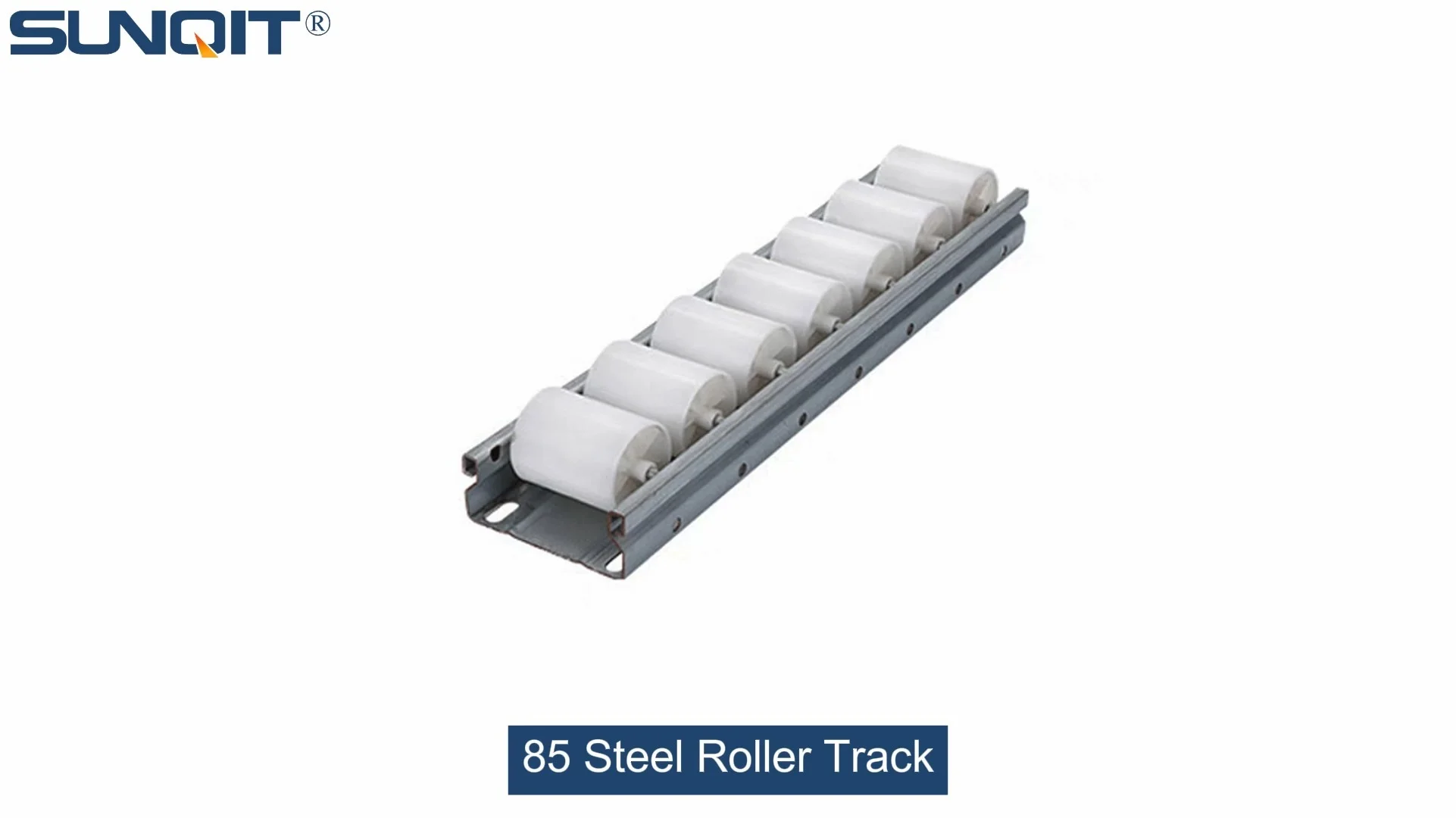
85 Steel Roller Track
85 heavy duty modular system roller track.Its use is focused on the transport of heavy products. Its implantation is carried out by creating a slope for the product to move under the force of gravity.
When it comes to setting up an efficient production line or optimizing warehouse operations, every component matters—especially the ones that keep materials moving smoothly. The 85 steel roller track is one such workhorse in modern manufacturing and logistics. Designed to handle heavy loads with minimal friction, it's the backbone of flow racks, conveyor systems, and lean workstations across industries like automotive, 3C assembly, and medical device production. But here's the question: should you install it yourself (DIY) or hire professional services? Let's dive into the details to help you make the best choice for your operations.
What Is 85 Steel Roller Track, Anyway?
First, let's get familiar with the star of the show: the 85 steel roller track. This isn't just any metal rail—it's a precision-engineered component built for durability and performance. The "85" refers to its standard width (85mm), making it ideal for medium to heavy-duty material handling. Constructed from high-quality steel, it features evenly spaced rollers that glide with minimal resistance, ensuring boxes, parts, and products move seamlessly from one workstation to the next.
You'll find it in flow racks where gravity does the work, conveyor systems that power automated lines, and even custom lean solutions tailored to specific industries. Its strength lies in its versatility: whether you're moving small electronic components in a 3C assembly plant or heavier parts in an automotive workshop, the 85 steel roller track holds its own. Plus, when paired with compatible accessories like roller track connectors, placon mounts, and end supports, it becomes part of a flexible system that can adapt as your needs change—aligning perfectly with the "sustainable improvement" of lean manufacturing.
DIY Installation: A Step-by-Step Guide for the Hands-On Operator
For many small businesses or teams with a knack for hands-on projects, DIY installation sounds appealing. It promises cost savings and the satisfaction of building something functional with your own team. But before you grab your wrench, let's break down what's involved.
Step 1: Gather Your Tools and Materials
First, you'll need to round up the essentials. Beyond the 85 steel roller track itself, you'll need roller track connectors (like placon mount brackets or center support brackets), end supports (with or without stops), a measuring tape, a level, a drill, screws, wrenches, and possibly a rubber mallet for gentle adjustments. Don't forget safety gear: gloves to protect your hands from sharp edges and safety glasses in case of metal shavings.
Pro tip: Lay out all parts on a clean, flat surface first. Check that you have the right number of rollers, brackets, and fasteners—missing a connector halfway through can bring your project to a halt.
Step 2: Plan and Measure (Twice!)
Measure twice, drill once—that's the golden rule here. Start by marking where the roller track will be installed. If it's part of a flow rack, align the tracks with the rack's vertical supports. For conveyor systems, ensure the track runs straight and level; even a slight slope can cause materials to jam or slide too quickly. Use a spirit level to check horizontal alignment—this is crucial for smooth operation.
Don't rush this step! A misaligned track can lead to uneven wear on rollers, noisy operation, or even product damage down the line. For longer tracks, mark reference points every meter to keep things straight.
Step 3: Mount the Brackets and Supports
Next, secure the placon mount brackets or end supports to the frame (whether it's a rack, workstation, or conveyor frame). Use the drill to pre-drill holes if needed—this prevents the metal from warping. Tighten the screws snugly, but avoid over-tightening, which can strip threads or crack brackets. If your system uses center support brackets (for longer tracks), space them evenly to prevent sagging under load.
Step 4: Install the Roller Track and Test
Now, carefully place the 85 steel roller track onto the mounted brackets. Secure it with roller track connectors—these might be clips, bolts, or specialized joints depending on your setup. Once in place, give the rollers a gentle push to ensure they spin freely without sticking. Then, test with a sample load: place a box or part similar to what you'll be moving and watch how it glides. If it catches or tilts, check the alignment and tighten any loose brackets.
Seems doable, right? But DIY isn't without its challenges. Let's weigh the pros and cons.

The Pros and Cons of DIY Installation
Pros of DIY
- Cost Savings: No labor fees mean more budget for other equipment. For small setups (like a single flow rack section), this can cut installation costs by 30-50%.
- Flexibility: Work on your schedule, not a contractor's. If you need to pause for production demands, you can pick up where you left off.
- Team Empowerment: Involving your team in installation builds familiarity with the system. They'll know how to adjust rollers or tighten brackets if issues arise later.
Cons of DIY
- Time Drain: What a pro might finish in a day could take your team 2-3 days, especially if you're learning as you go. Time is money in manufacturing, and downtime adds up.
- Skill Gaps: Without experience, it's easy to misalign tracks, overtighten bolts, or miscalculate load capacity. A slightly uneven track might seem fine at first, but over weeks, it can wear out rollers or cause products to jam.
- No Warranty Support: If something breaks due to installation errors, you might void the product warranty. Manufacturers often require professional installation for full coverage.

Professional Installation Services: When Expertise Matters Most
For larger operations, complex systems, or teams short on time, professional installation services offer peace of mind. But what exactly do these services entail? It's more than just "hiring someone to turn a wrench"—it's a full process designed to ensure your roller track system works flawlessly from day one.
The Professional Process: From Consultation to Completion
It starts with a consultation. A professional team will visit your site to assess your needs: What materials will you be moving? What's the expected load capacity? How does this track fit into your existing lean system (like conveyors or workstations)? They'll take precise measurements and even consider future expansion—so you won't outgrow your setup in six months.
Next, they'll create a customized installation plan, often using 3D models to visualize the layout. Then, the installation team arrives with specialized tools—think laser levels for pinpoint alignment and torque wrenches to ensure bolts are tightened to exact specifications. They'll handle everything from mounting brackets to testing the system under various loads, and they'll clean up afterward, so your workspace is ready to go.
But the service doesn't end there. Reputable providers offer post-installation support: a follow-up visit to check performance, training for your team on maintenance, and a warranty that covers both parts and labor. For example, if a roller fails prematurely due to installation issues, they'll replace it at no extra cost.

The Pros and Cons of Professional Services
Pros of Professional Installation
- Precision and Expertise: Professionals install roller tracks daily. They know how to handle tricky layouts, ensure perfect alignment, and avoid common pitfalls (like overloading brackets). This translates to smoother operation and longer system life.
- Time Efficiency: A team of experts can install a full flow rack or conveyor-integrated roller track system in a fraction of the time it would take a DIY crew. This means less downtime for your production line.
- Warranty and Accountability: Most professional services come with a warranty, so if something goes wrong, you're covered. You won't be left troubleshooting on your own.
Cons of Professional Installation
- Higher Upfront Cost: Labor fees add to the total expense. For small, simple setups, this might feel like overkill.
- Scheduling Dependencies: You'll need to coordinate with the service provider's calendar, which might not align with your ideal timeline.
- Less Hands-On Knowledge: Your team might not learn the system as intimately as they would with DIY, though good providers offer training to bridge this gap.
DIY vs Professional Installation: A Detailed Comparison
| Factor | DIY Installation | Professional Installation |
|---|---|---|
| Cost | Lower (materials only) | Higher (materials + labor) |
| Time Required | Longer (1-3 days for small setups) | Shorter (hours to 1 day for same setup) |
| Skill Needed | Moderate (basic tools, measuring skills) | Expert (specialized training, experience) |
| Alignment Precision | Good with careful work, but prone to human error | Excellent (uses laser levels, torque tools) |
| Warranty Coverage | Limited (parts only, if installation errors don't void it) | Comprehensive (parts + labor) |
| Best For | Small setups, tight budgets, hands-on teams | Large systems, high-precision needs, busy production lines |
How to Choose: Key Factors to Consider
Still on the fence? Here are questions to ask yourself to decide:
1. What's the Scale of Your Project? Installing a single roller track section for a small flow rack? DIY might work. Setting up a 50-meter conveyor system with integrated 85 steel roller tracks across multiple workstations? Professional help is worth the investment.
2. What's Your Team's Expertise? Do you have maintenance staff familiar with mechanical installations? If they're comfortable with tools and have installed similar systems before, DIY is feasible. If not, the risk of mistakes rises.
3. How Critical Is Uptime? If a delay in installation would halt production (e.g., during a peak season), professionals can get the job done faster and minimize downtime.
4. What's Your Long-Term Plan? If you anticipate expanding the system later, professionals can design with scalability in mind, saving you from reworking a DIY setup.
5. Budget vs. Risk: While DIY saves money now, a poorly installed track might lead to higher costs later (e.g., replacing worn rollers, fixing jams, or lost productivity). Professionals reduce that risk.
Real-World Impact: Why Installation Quality Matters
Let's look at two scenarios to see how installation choices play out:
Scenario 1: A 3C Assembly Plant Chooses DIY A small electronics manufacturer installs 85 steel roller tracks in their flow rack to move circuit boards. The team skips the laser level, relying on a basic bubble level instead. Over time, the slight misalignment causes boards to tilt, leading to occasional jams. A technician spends 30 minutes daily fixing jams—adding up to 125 hours of lost productivity annually. Plus, the uneven wear on rollers means replacing them every 6 months instead of the expected 2 years.
Scenario 2: A Medical Device Facility Chooses Professionals A medical device maker hires pros to install roller tracks in their cleanroom conveyor system. The team uses anti-static brackets (critical for sensitive equipment) and laser-aligns the tracks to ensure smooth, dust-free movement. Post-installation testing includes 24-hour load runs with dummy devices. The result? Zero jams, minimal maintenance, and compliance with strict industry regulations—all worth the upfront cost for a system that supports life-saving equipment production.
Final Thoughts: It's About Your Unique Needs
At the end of the day, there's no one-size-fits-all answer. DIY installation can be a rewarding, cost-effective choice for small, straightforward projects with a capable team. Professional services, on the other hand, offer precision, speed, and peace of mind—especially for large-scale or high-stakes operations.
Whichever path you choose, remember that the 85 steel roller track is more than just metal and rollers; it's a critical link in your lean system, keeping materials flowing and your team productive. Invest time (if DIY) or resources (if professional) into getting it right, and you'll reap the benefits for years to come—smoother operations, fewer headaches, and a setup that grows with your business.
And if you're still unsure? Many lean solution providers offer consultation services to help assess your needs. They can walk you through the options, share from similar businesses, and help you find the balance between cost, time, and performance that works for you.