- Company Articles
- Products and Technology
- Installation And Maintenance
- 85 Steel Roller Track Maintenance: Common Issues and Fixes

85 Steel Roller Track Maintenance: Common Issues and Fixes
Related Product
85 Steel Roller Track
85 heavy duty modular system roller track.Its use is focused on the transport of heavy products. Its implantation is carried out by creating a slope for the product to move under the force of gravity.
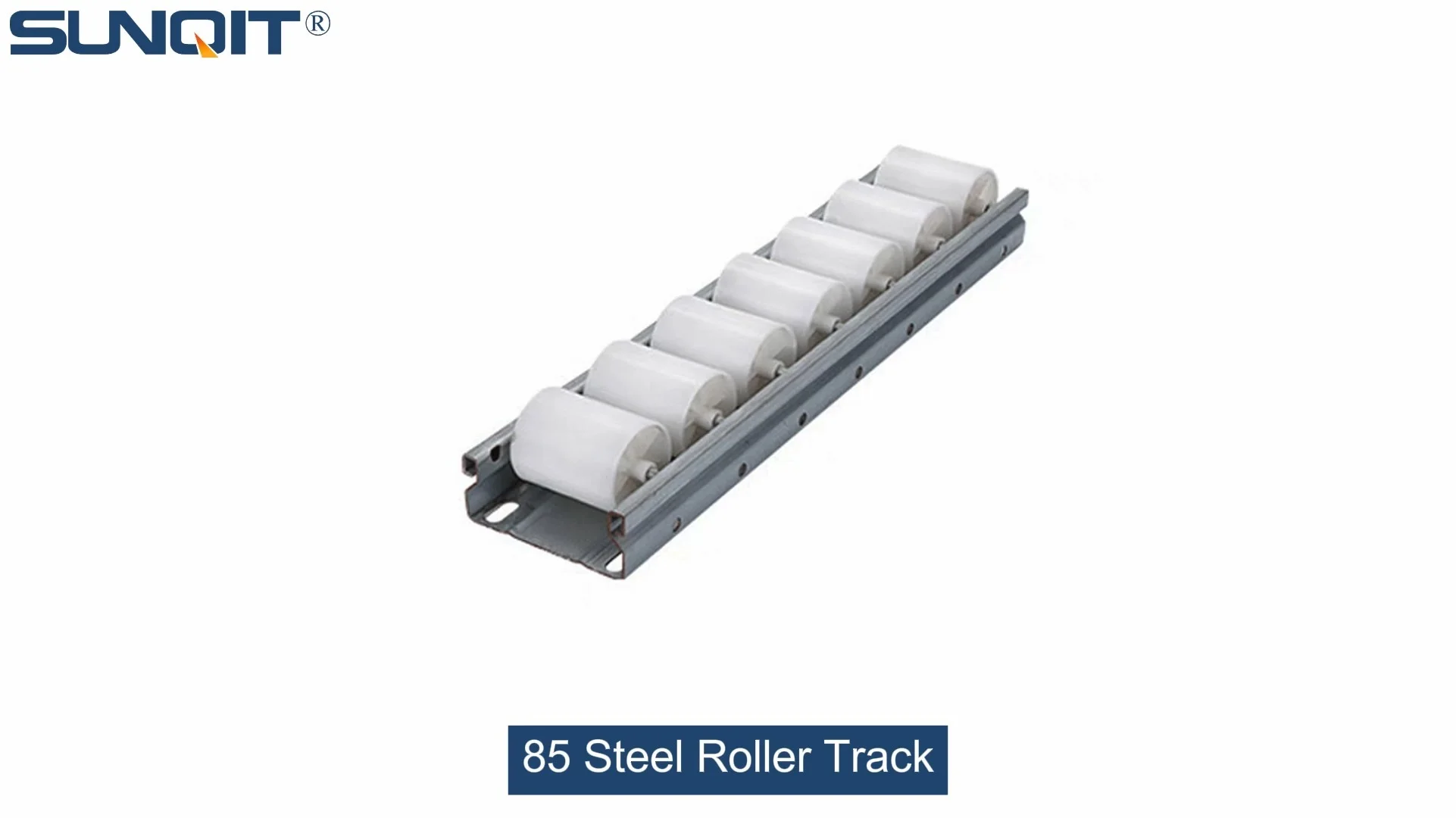
Let's talk about the unsung hero of your production line – the 85 Steel Roller Track. It's not the flashiest equipment, but when it's working smoothly, products glide like clockwork; when it's not? Suddenly, your whole line feels like it's stuck in molasses. If you've ever spent 20 minutes prying a jammed roller loose while the assembly line piles up behind you, you know exactly what we're talking about. Today, we're diving into the common headaches that come with these hardworking tracks, how to fix them fast, and even better – how to keep them from happening in the first place. Because in lean manufacturing, every minute of downtime is a minute you can't get back.
Why Your 85 Steel Roller Track Deserves a Little TLC
Before we jump into the "what's broken," let's take a second to appreciate what these tracks do. The 85 Steel Roller Track is the backbone of material flow in countless factories – from auto parts to electronics, from warehousing to assembly lines. It's the reason boxes move from station A to B without manual lifting, why components reach your workers exactly when they need them, and why your lean pipe system (lean pipe) lives up to its promise of efficiency. But here's the thing: it's easy to take them for granted. They're tough, made of steel, and built to handle daily wear – until one day, they aren't.
Think about it: every time a heavy cart rolls over, every dusty shift, every spill or loose bolt ignored – it all adds up. And when your roller track starts acting up, it's not just a minor annoyance. A stuck roller can slow down production, a bent track might damage products, and a noisy system? That's just adding stress to an already busy workday. The good news? Most problems are fixable with basic tools and a little know-how. Let's start with the most common ones.
The Top 5 Headaches (and How to Cure Them)
We've talked to maintenance teams across the country – the folks who get the call when the line stops – and these are the issues they run into most. Let's break them down, one by one.
1. Roller Jam: When the Track Refuses to "Roll"
Imagine this: you're mid-shift, and suddenly, a box gets stuck halfway down the track. You give it a push – nothing. Another push – it budges an inch, then stops again. Sound familiar? Roller jams are the number one complaint, and they're usually caused by one of three things: foreign objects, lack of lubrication, or misaligned wheels .
Quick Check: Before taking anything apart, grab a flashlight and look between the rollers. Chances are, you'll spot a small screw, a piece of plastic wrap, or even a stray zip tie wedged in there. These tiny invaders are the main culprits!
How to Fix It:
- Stop the Line (Safely!): Always turn off the power first. No one wants a surprise start while you're working on it.
- Clear the Debris: Use tweezers or a small flathead screwdriver to gently remove any stuck objects. Be careful not to scratch the roller surface – those scratches can catch more debris later.
- Lubricate the Rollers: If the rollers are clean but still stiff, they might just need a little oil. Use a lightweight machine oil (avoid WD-40 – it's a cleaner, not a long-term lubricant) and apply a drop to each roller axle. Spin the roller by hand to spread the oil evenly.
- Check Alignment: If some rollers sit higher than others, they'll cause jams. Loosen the mounting screws slightly, adjust the roller height so they're all level, then retighten. A quick level tool can help here!
2. Bent or Warped Track: When Straight Gets "Curvy"
Steel is tough, but it's not indestructible. Over time, heavy loads, accidental impacts (we've all seen a forklift get a little too close), or even uneven floor mounting can bend the track. You'll notice this when products start sliding to one side, or when rollers grind against the track edges.
Why It Happens: Most often, it's overloading (putting more weight on the track than it's rated for) or poor installation (tracks not mounted to a flat, stable surface). Even something as simple as leaving a heavy pallet on the track overnight can cause slow, gradual bending.
| Signs of a Bent Track | Quick Fix | When to replace |
|---|---|---|
| Products tilt to one side | Loosen mounting brackets, gently bend track back to straight (use a rubber mallet to avoid dents), retighten | If bending is more than 5mm over 1m, or track has cracks |
| Rollers scrape against track edges | Check for loose brackets; adjust track alignment with shims if floor is uneven | If scraping has worn through the track's protective coating |
| Track sags in the middle | Add middle support brackets to distribute weight | If sagging returns after adding supports (sign of metal fatigue) |
3. Loose Connections: When Bolts and Brackets Go "Wobbly"
Ever walked past the track and heard a rattle? That's usually loose bolts. Over time, vibration from rolling carts can shake screws and brackets loose – especially at the joints where two track sections meet. If left unchecked, loose connections can lead to bigger problems: track misalignment, bent brackets, or even the track coming loose from the floor.
The Fix: This one's simple – regular tightening . Grab a socket wrench or screwdriver (depending on your bolts) and do a monthly walk-through. Pay extra attention to:
- Joint brackets (where two track sections connect)
- Mounting bolts (where track attaches to the floor or frame)
- Roller axle nuts (these hold the rollers in place)
Pro tip: If bolts keep coming loose, add a drop of thread locker (like Loctite) – just don't overdo it, or you'll struggle to remove them later!
4. Noisy Operation: When the Track Sounds Like a Rock Band (But Worse)
A little noise is normal, but if your roller track starts squealing, grinding, or clanking, it's trying to tell you something. Loud operation isn't just annoying – it's a sign that parts are rubbing together where they shouldn't, which speeds up wear and tear.
Common Causes & Fixes:
- Squeaky Rollers: Lack of lubrication. Apply oil to axles (as we did for jams) – this usually quiets them right down.
- Grinding Sounds: Metal-on-metal contact. Check for bent rollers or loose brackets; adjust or replace as needed.
- Clanking: Loose bolts or misaligned joints. Tighten brackets and make sure track sections line up evenly (use a straightedge to check).
Bonus: A quiet track makes the whole workspace more pleasant. Your team will thank you!
5. Rust and Corrosion: When Steel Starts to "Rot"
If your factory is humid, near water, or deals with spills (looking at you, food processing and automotive!), rust can be a big issue. Rust doesn't just look bad – it can make rollers stick, weaken the track, and even contaminate products (especially in cleanrooms or medical device manufacturing).
How to Fight It:
- Clean First: Use a wire brush to remove surface rust, then wipe with a damp cloth and dry thoroughly.
- Protect the Surface: Apply a rust-resistant paint or coating (like enamel or zinc spray). For extra protection, wax the track after painting – it repels moisture!
- Prevent Future Rust: Fix leaks promptly, keep the area around the track dry, and consider installing a dehumidifier if humidity is consistently high.

Prevention: The Secret to a "Drama-Free" Track
They say an ounce of prevention is worth a pound of cure – and that's never truer than with roller track maintenance. A little regular care can save you hours of downtime and costly repairs. Here's a simple schedule to follow:
| Maintenance Task | Frequency | What to Do |
|---|---|---|
| Visual Inspection | Daily (2 minutes!) | Walk the track; look for debris, loose bolts, or stuck rollers. Remove small debris on the spot. |
| Lubrication | Weekly | Apply oil to roller axles (use a oil can for precision). Wipe off excess to avoid attracting dust. |
| Bolt Tightening | Monthly | Tighten all visible bolts and brackets. Check joint connections especially. |
| Deep Clean | Quarterly | Use a brush and mild detergent to clean track surfaces. Rinse (if safe) and dry thoroughly. Check for rust. |
| Load Test | Semi-annually | Test track with maximum rated load to ensure it doesn't bend or sag. If it does, add supports. |
Remember: This isn't just "maintenance work" – it's part of lean manufacturing . Lean is all about reducing waste, and what's more wasteful than a production line that stops because of a preventable problem? By taking care of your roller track, you're keeping your line running smoothly, your team productive, and your customers happy.

Why It All Matters: More Than Just "Fixing Stuff"
Let's wrap this up with a bigger picture: maintaining your 85 Steel Roller Track isn't just about keeping the line moving. It's about building a culture of care – where everyone notices the small things, where "good enough" isn't enough, and where your equipment lasts longer, works better, and costs less over time.
Think about it: A well-maintained track means fewer breakdowns, which means your team can focus on making great products instead of fixing machines. It means less waste (no more damaged goods from rough tracks!), lower repair bills, and a safer workplace (loose bolts and stuck rollers are accident waiting to happen). And when your equipment is reliable, your customers notice – because you're delivering orders on time, every time.
So the next time you walk past that 85 Steel Roller Track, give it a little nod. It's been working hard for you – and with a little love, it'll keep working hard for years to come. After all, in manufacturing, the best days are the ones where everything runs like clockwork. And isn't that worth a few minutes of maintenance?