- Company Articles
- Products and Technology
- Procurement Guidelines
- 85 Steel Roller Track: What to Consider Before Purchase

85 Steel Roller Track: What to Consider Before Purchase
Related Product
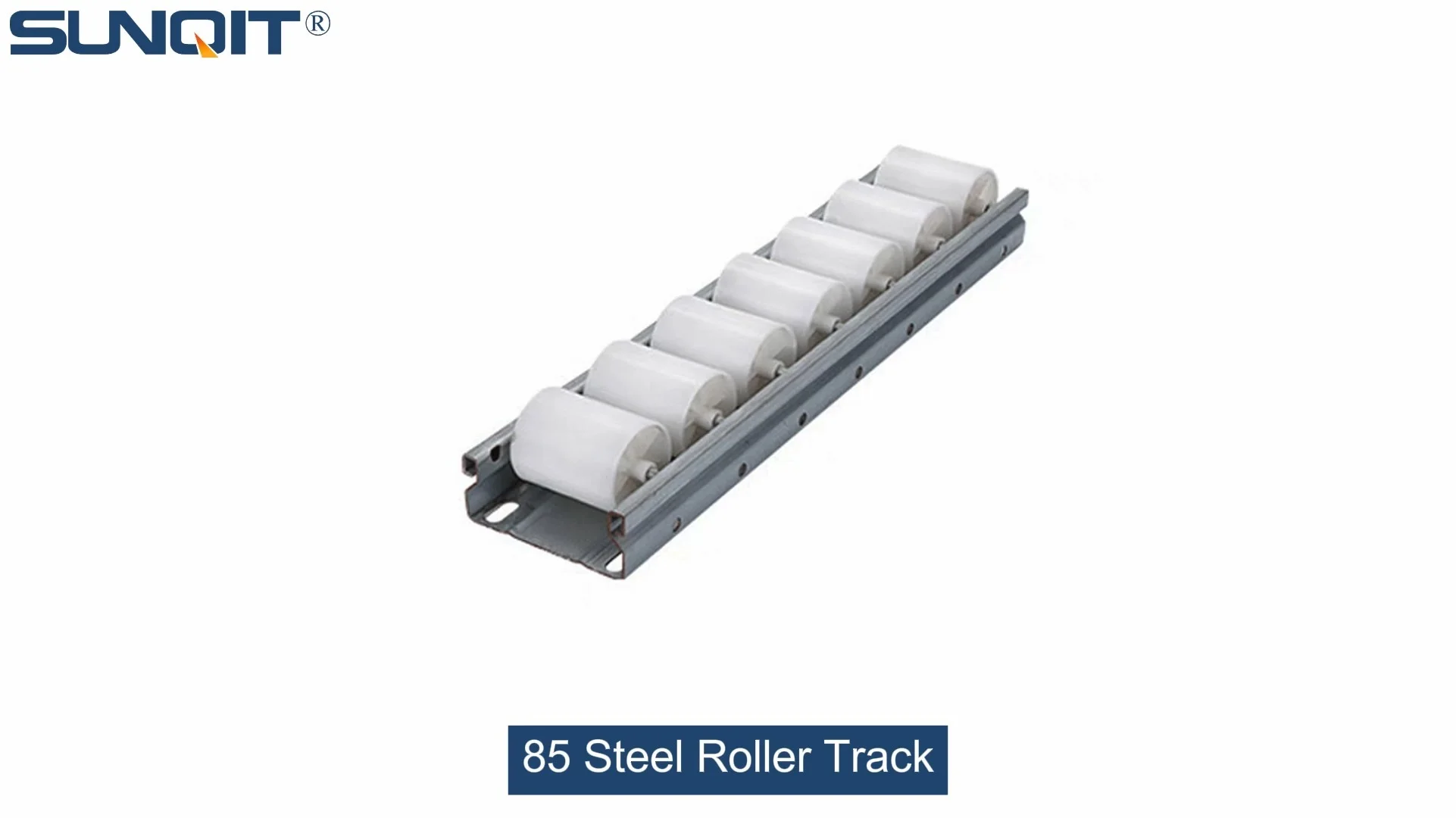
85 Steel Roller Track
85 heavy duty modular system roller track.Its use is focused on the transport of heavy products. Its implantation is carried out by creating a slope for the product to move under the force of gravity.
When it comes to keeping your manufacturing line running like a well-oiled machine, every component matters—but few are as critical as the roller tracks that move materials from point A to point B. The 85 steel roller track, a workhorse in flow racks and conveyor systems, is one of those unsung heroes. It's the silent partner that ensures parts glide smoothly to assembly stations, reduces manual handling, and keeps production timelines on track. But here's the thing: not all roller tracks are created equal. Choosing the right 85 steel roller track isn't just about picking a product off a shelf—it's about aligning it with your unique workflow, budget, and long-term efficiency goals. Let's dive into the key factors you need to weigh before making that decision.
1. Start with Your Application: What Are You Moving, and Where?
Before you even look at specs or suppliers, take a step back and map out your workflow. Ask yourself: What exactly will this roller track be handling? Is it small 3C components like phone casings, heavy automotive parts, or delicate medical devices? The answer will shape everything from load capacity to wheel material.
For example, in the 3C assembly industry , where parts are often lightweight but require precision, you might prioritize smooth, low-friction movement to avoid jostling sensitive electronics. In contrast, automotive manufacturing might demand a track that can handle metal brackets or engine parts weighing 50kg or more. The 85 steel roller track is built for versatility, but its performance hinges on matching it to your material type, size, and how quickly you need items to flow.
Don't forget to consider the environment, too. If your facility deals with moisture (like in food processing) or static-sensitive components (common in electronics), you'll need tracks with rust-resistant coatings or ESD (electrostatic discharge) protection. Some 85 steel tracks come with specialized wheel materials or surface treatments to tackle these challenges—so skip the one-size-fits-all approach and zero in on your specific needs.
2. Load Capacity: Don't Cut Corners on Strength
Load capacity is non-negotiable. Imagine investing in a track that works perfectly for a month, only to have it bend or jam when you scale up production. That's a recipe for downtime, frustrated teams, and missed deadlines. The "85" in 85 steel roller track refers to its width (85mm), but width alone doesn't tell you how much weight it can handle. You'll need to check the manufacturer's specs for dynamic load capacity (weight when items are moving) and static load capacity (weight when stationary).
As a general rule, err on the side of caution. If your average load is 30kg per linear meter, choose a track rated for 40-50kg to account for occasional spikes—like when a worker places two boxes instead of one. The 85 steel track's robust steel frame and reinforced rollers make it a strong contender here, but always ask for test data or case studies from suppliers. A reputable supplier will be happy to share how their track performed in setups similar to yours.

3. Material and Durability: Invest in Longevity
Steel is known for strength, but not all steel tracks are built to last. The quality of the steel, the thickness of the frame, and the type of rollers can make or break its lifespan. When evaluating 85 steel roller tracks, look for high-grade carbon steel frames—they resist bending and warping under stress. The rollers themselves should be made of hardened steel or high-quality plastic (like nylon) to reduce wear and tear, especially if you're running materials 24/7.
Surface treatment is another hidden factor. A zinc-plated or powder-coated finish isn't just about aesthetics; it's your first line of defense against rust and corrosion. This is especially critical in humid environments or facilities that use water-based cleaning solutions. You might also encounter tracks with "staggered rollers"—a design that reduces friction and ensures smoother movement for uneven loads. It's a small detail, but it can make a big difference in daily operations.
| Feature | 85 Steel Roller Track (High-Quality) | Cheaper Steel Alternatives |
|---|---|---|
| Frame Material | 1.5-2.0mm thick carbon steel | ≤1.0mm thin steel, prone to bending |
| Roller Material | Hardened steel or wear-resistant nylon | Soft plastic or low-grade steel, quick wear |
| Surface Treatment | Zinc-plated/powder-coated (rust-resistant) | Basic paint, prone to chipping |
| Expected Lifespan | 5-7 years (with minimal maintenance) | 1-2 years (needs frequent replacement) |

4. Compatibility: Will It Play Nice with Your Existing Lean System?
Chances are, your facility already has a lean system in place—think workbenches, flow racks, or conveyor lines. The last thing you want is to buy a roller track that doesn't fit with your current setup. Compatibility issues can lead to extra costs (like buying new adapters or modifying existing equipment) and delays in getting your system up and running.
Check if the 85 steel track works with standard lean pipe joints, aluminum profiles, or flow rack accessories. Many suppliers design their tracks to integrate seamlessly with common systems, using universal connectors or adjustable mounting brackets. For example, if your current setup uses 40mm aluminum profiles, ensure the track's mounting holes align with those profiles. A good supplier will even send you sample brackets to test fit before you commit.
Another compatibility consideration is future scalability. What if you need to extend the track next year, or add a side guide to prevent items from falling off? Look for tracks that can be easily cut to length or expanded with add-on sections. The goal is to build a system that grows with your business, not one that boxes you in.

5. Customization: When "Off-the-Shelf" Isn't Enough
Every manufacturing floor has quirks—maybe your space is tight, requiring a track with a 90-degree bend, or you need a custom length to fit between two workstations. Off-the-shelf tracks work for standard setups, but for unique workflows, customization is key. The 85 steel roller track is highly adaptable, but not all suppliers offer the same level of flexibility.
Ask potential suppliers: Can you adjust the roller spacing? Add side guides or end stops? Powder-coat the track in your company colors (okay, that's more aesthetic, but still nice)? For example, medical device manufacturers often need tracks with rounded edges to avoid dust buildup, while e-commerce warehouses might want tracks with higher side rails to secure packages during fast movement. A supplier with in-house engineering capabilities can turn these needs into a tailored solution—saving you the hassle of rigging together off-the-shelf parts.
Case in point: A recent client in the automotive industry needed a track that could handle both small bolts (5kg) and heavy axles (80kg) on the same line. By customizing the roller diameter and spacing, we created a hybrid track that adjusted to load size, reducing the need for two separate systems. The result? A 30% drop in material handling time.
6. Supplier Reliability: It's About Partnership, Not Just a Purchase
Finally, don't underestimate the importance of choosing the right supplier. A cheap track might save you money upfront, but if the supplier cuts corners on quality or ghost you when you need replacement parts, you'll end up paying more in downtime and repairs. So what should you look for in a lean solution supplier ?
First, experience. How long have they been in the industry? Do they specialize in lean manufacturing components, or is this a side product? A supplier with deep roots in the field will understand your pain points—like tight production deadlines or the need for bulk orders (hello, wholesale pricing!)—and offer solutions that go beyond just selling a track.
Quality control is another red flag. Ask to see their manufacturing process: Do they test each batch for load capacity? How do they handle defects? A transparent supplier will walk you through their quality checks, from raw material inspection to final assembly.
And let's not forget support. What happens if a roller jams six months after installation? Will they send a technician, or leave you to troubleshoot alone? Look for suppliers who offer after-sales support, warranty coverage (at least 1-2 years), and quick access to spare parts. Remember, this isn't just a purchase—it's a partnership that impacts your daily operations.
Pro Tip: Ask for references! A reputable supplier will have happy clients in your industry. Reach out to those clients and ask: Did the track live up to its load capacity claims? How easy was it to install? Did the supplier deliver on time? Real-world feedback beats any sales pitch.
Wrapping Up: Your Roller Track, Your Success
Choosing an 85 steel roller track might seem like a small decision in the grand scheme of your manufacturing setup, but it's one that ripples through your entire operation. From reducing manual labor to preventing costly delays, the right track becomes the backbone of your material flow. By focusing on your application needs, load capacity, durability, compatibility, customization, and supplier reliability, you're not just buying a component—you're investing in smoother workflows, happier teams, and a more efficient bottom line.
At the end of the day, the best 85 steel roller track is the one that feels like it was designed for you . So take the time to ask questions, test options, and partner with a supplier who gets your goals. Your future self (and your production metrics) will thank you.