- Company Articles
- Products and Technology
- Product knowledge
- New vs Old 3030 Aluminum Profile End Caps: What's Improved?

New vs Old 3030 Aluminum Profile End Caps: What's Improved?
Related Product
3030 Aluminum Profile End Cap
The aluminum profile end cap adds a finishing touch to your project and closes off profile ends to limit dust and debris buildup, also it can avaid some scratch for material and labor during the assemble work.
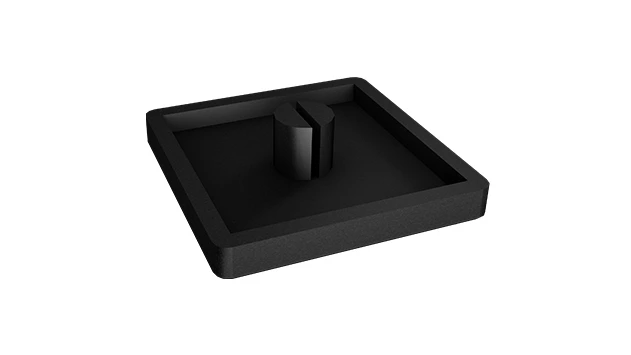
In the world of industrial manufacturing and workshop setups, it's often the smallest components that make the biggest difference. Take aluminum profiles, for example—those sleek, modular beams that form the backbone of workbenches, material racks, conveyor systems, and assembly lines. They're strong, versatile, and infinitely customizable, thanks to a ecosystem of aluminum profile accessories that turn raw extrusion into functional tools. But if there's one unsung hero in this ecosystem, it's the end cap. Specifically, today we're diving into the 3030 aluminum profile end cap—a small piece that seals the open ends of 30x30mm aluminum profiles—and exploring how the "new" versions stack up against the "old." Spoiler: The upgrades are more significant than you might think.
Whether you're a factory manager tired of replacing broken end caps every few months, a workshop owner dealing with sharp edges on your aluminum workbenches, or a buyer trying to understand why one end cap costs twice as much as another, this article will break down the key improvements, real-world benefits, and why these tiny components matter for your operations.
First Things First: What Are 3030 Aluminum Profiles, and Why Do End Caps Matter?
Before we compare old and new end caps, let's ground ourselves in the basics. 3030 aluminum profiles are extrusion profiles with a square cross-section, measuring 30mm by 30mm. They're part of the "standard" profile family, widely used in light to medium-duty applications like electronics assembly workbenches, lab equipment frames, small material racks, and automated machine guards. What makes them popular? Their balance of strength (they're made from 6063-T5 aluminum alloy, known for good structural integrity), lightweight design, and the T-slots running along their length—those grooves that let you attach accessories like brackets, panels, and aluminum profile fixings without drilling or welding.
Now, the open ends of these profiles. Left uncovered, they're more than just an eyesore. Think about it: Dust, debris, and even small tools can fall into the hollow interior, gumming up the T-slots or making it hard to slide in accessories later. Sharp, unfinished edges can snag gloves, scratch surfaces, or even cut workers—a safety hazard no operation can ignore. In outdoor or humid environments, exposed ends are prone to corrosion as moisture seeps in, weakening the profile over time. And let's not forget aesthetics: A rack of profiles with mismatched, cracked, or missing end caps sends a message about your attention to detail—one that clients or auditors might notice.
That's where end caps come in. Designed to snap or press into the profile's open ends, they seal out contaminants, smooth rough edges, protect against corrosion, and give the finished structure a polished look. Simple, right? But as anyone who's used the "old" end caps can tell you, not all solutions are created equal.
The "Old" 3030 Aluminum Profile End Caps: Common Pain Points
If you've been in the industry for a decade or more, you probably remember the first generation of 3030 aluminum profile end caps. They were functional, but far from perfect. Let's walk through the most frustrating issues users reported:
1. Cheap Plastic = Short Lifespan
Most old end caps were made from basic ABS plastic or low-grade polypropylene. While ABS is affordable, it's not known for durability. In high-temperature environments (like near ovens or in summer factory floors), the plastic would soften, losing its grip and popping out of the profile. In cold settings (unheated warehouses), it would become brittle, cracking when bumped or dropped. Even UV exposure from indoor lighting or occasional outdoor use would cause fading and material degradation—meaning end caps would look worn within months, even if they still "worked."
2. Loose Fit = Constant Headaches
Old end caps relied on a simple friction fit: a slightly tapered design that you'd press into the profile end. The problem? Manufacturing tolerances were often sloppy. If the end cap was too small, it would fall out during assembly or vibration (think conveyor systems or mobile trolleys). If it was too large, you'd have to hammer it in, risking damage to the profile's edges or cracking the end cap itself. Either way, you'd spend extra time adjusting, reattaching, or replacing them—time better spent on actual production.
3. Sharp Edges = Safety Risks
Early end cap designs often had minimal edge rounding. The plastic would mold with crisp, 90-degree corners to match the profile's square shape. While this looked neat, it created a hidden danger: If the end cap cracked or chipped (which it often did), those sharp plastic edges became a hazard. Workers handling profiles during assembly or maintenance would get nicks on their hands; gloves would tear; and in extreme cases, small fragments could even end up in products (a critical issue for food, pharmaceutical, or electronics manufacturing).
4. Poor Sealing = Contamination and Corrosion
Dust, water, and metal shavings are the enemies of aluminum profiles. Old end caps, with their basic friction fit, rarely sealed tightly. Gaps between the end cap and profile allowed dust to accumulate inside the T-slots, making it harder to insert bolts or slide in accessories later. In humid areas, moisture would seep in, leading to oxidation (that white, powdery corrosion) inside the profile—weakening it over time and ruining the smooth finish of the T-slots.
5. Limited Compatibility = Inventory Headaches
Not all 3030 profiles are identical. Some have thicker walls, others have different T-slot designs (like "EU standard" vs. "national standard" profiles). Old end caps were often one-size-fits-none, forcing buyers to stock multiple SKUs or risk using an ill-fitting cap. This added complexity to inventory management and increased the chance of errors during reordering.

The "New" 3030 Aluminum Profile End Caps: 5 Key Improvements
Thankfully, manufacturers listened to these pain points. Over the past 5–7 years, we've seen a wave of innovation in end cap design, turning a basic component into a high-performance one. Let's break down the most impactful upgrades:
1. Material Upgrades: From "Disposable" to "Durable"
The biggest leap is in materials. New 3030 end caps now use advanced plastic blends, like glass-fiber-reinforced polypropylene (PP-GF) or nylon (PA6). Here's why that matters: PP-GF, for example, has 30–40% higher tensile strength than ABS, meaning it won't crack under impact. It's also heat-resistant (up to 120°C in some formulations), so it holds its shape in warm environments, and cold-resistant (down to -30°C), avoiding brittleness in freezers or winter warehouses. UV-stabilized additives prevent fading, even in direct sunlight, so end caps look new for years. Some premium options even use food-grade plastics, making them safe for pharmaceutical or food processing setups—something unheard of with old end caps.
2. Engineered Fit: "Snap and Stay" Design
Forget friction fits—new end caps use a "snap-lock" mechanism. Look closely, and you'll see tiny, flexible ribs or tabs on the end cap's inner surface. When pressed into the profile, these tabs bend slightly, then spring back to lock into the profile's inner walls or T-slot edges. The result? A snug, rattle-free fit that can withstand vibration (like on a conveyor frame) or rough handling (like during profile assembly). Some designs even include a secondary O-ring or EPDM gasket around the edge, creating a waterproof seal that blocks dust and moisture entirely. Installation is faster, too: No hammers needed—just a firm press, and you'll hear a satisfying "click" to confirm it's secure.
3. Safety-First Edges: Rounded and Smooth
Safety is no longer an afterthought. New end caps feature fully rounded edges (a minimum 2mm radius) along their outer perimeter. Even if the cap gets scratched or nicked, the edges remain smooth, reducing the risk of cuts. Some manufacturers take it further, adding a soft-touch texture to the surface, which improves grip during installation and reduces slipping—handy when you're handling profiles with greasy or gloved hands.
4. Compatibility: One Cap, Multiple Profiles
Gone are the days of stocking 10 different end caps for "similar" profiles. Modern designs are engineered to fit multiple 3030 variants, from standard EU profiles (with 6mm T-slots) to national standard profiles (with 8mm slots) and even lightweight versions with thinner walls. How? Adjustable ribs that flex to accommodate minor size differences, or modular inserts that can be added/removed to tweak the fit. This reduces inventory costs and simplifies reordering—critical for small to medium-sized operations.
5. Aesthetic and Functional Extras: More Than Just a Plug
New end caps aren't just about solving old problems—they're adding new value. Some come in color-matched options (black, silver, blue) to coordinate with your profile or brand colors, giving workbenches a more professional look. Others have integrated cable management features, like small notches to route wires through the end cap (ideal for workbenches with power tools). There are even "vented" end caps for profiles used in cooling systems, allowing airflow while still blocking debris. These small touches turn a basic component into a tool that enhances the entire system's functionality.

Old vs. New: A Side-by-Side Comparison
To make these improvements tangible, let's put old and new 3030 aluminum profile end caps head-to-head in key categories:
| Feature | Old 3030 End Caps | New 3030 End Caps |
|---|---|---|
| Material | Basic ABS or low-grade polypropylene; prone to cracking, fading, and heat/cold damage. | Glass-fiber-reinforced polypropylene (PP-GF) or nylon (PA6); UV-stabilized, heat/cold resistant, and 30–40% stronger. |
| Installation | Friction fit; often required hammering or excessive force; loose fit common. | Snap-lock design with flexible ribs; tool-free installation; "click" confirmation for secure fit. |
| Safety | Sharp, 90-degree edges; risk of cuts from cracks or chips. | Rounded edges (2mm+ radius); soft-touch texture; no sharp fragments if damaged. |
| Sealing | Poor; gaps allowed dust, moisture, and debris into profiles. | O-ring/EPDM gaskets (premium models); waterproof and dustproof seal. |
| Compatibility | One-size-fits-one; limited to specific profile types. | Adjustable ribs/inserts; fits multiple 3030 variants (EU, national standard, thin-wall). |
| Lifespan | 3–6 months in heavy use; frequent replacement needed. | 2–5 years in heavy use; minimal replacement required. |
| Additional Features | None; purely functional. | Color matching, cable management notches, vented designs, and food-grade options. |
The takeaway? While new end caps might cost 2–3x more upfront than old ones, their longer lifespan, reduced downtime, and safety benefits make them far more cost-effective in the long run. It's the classic "pay a little more now to save a lot later" scenario—especially for operations running 24/7 or with high staff turnover (fewer training hours spent on end cap replacement!).
Real-World Impact: How New End Caps Transform Workflows
Numbers and specs tell part of the story, but let's look at how these improvements play out on the factory floor. Take the example of a mid-sized electronics manufacturer in Guangdong, China, that specializes in assembling circuit boards. They use 3030 aluminum profiles to build their assembly workbenches—over 100 workstations across three shifts. A few years back, their maintenance team was replacing end caps weekly . The old ABS caps would crack under the weight of heavy tools, or pop out when workers moved benches to reconfigure the line. Sharp edges on broken caps were a frequent cause of minor cuts, leading to worker complaints and even a few lost-time incidents.
In 2022, they switched to new PP-GF snap-lock end caps. The results? Within six months, end cap replacements dropped by 90%. The maintenance manager reported: "We used to order 500 end caps a month; now we order 50. The snap fit means workers can reattach them in seconds if they do come loose, and the rounded edges have cut down on hand injuries—our safety audits have never looked better." The factory also noticed a bonus: The dust-sealed caps kept T-slots cleaner, so attaching accessories like monitor arms or tool holders was faster, reducing setup time for new workstations by 20%.
Another example: a furniture manufacturer using 3030 profiles for modular shelving. They'd struggled with old end caps fading in their sunlit warehouse, making shelves look worn even when new. Switching to UV-stabilized new end caps solved the fading issue, and the color-matched options (black caps on black profiles) improved the shelves' aesthetic appeal—helping them win a contract with a high-end retail chain that valued presentation as much as durability.
Beyond End Caps: How These Improvements Fit the Larger Aluminum Profile Ecosystem
It's easy to see end caps as standalone components, but their upgrades are part of a broader trend in aluminum profile design: making the entire system more reliable, user-friendly, and adaptable. Today's profiles, accessories, and 3030 aluminum profile end cap solutions are engineered to work together seamlessly. For example, the snap-lock end caps' secure fit pairs perfectly with modern quick-connect joints, allowing you to build and reconfigure structures faster than ever. The improved sealing complements corrosion-resistant profiles, extending the system's lifespan in harsh environments. And the safety features align with global workplace standards, making it easier for manufacturers to comply with OSHA, CE, or ISO requirements.
This ecosystem approach is why choosing the right end cap matters—not just for the cap itself, but for the performance of your entire aluminum profile setup. A loose, cracked end cap might seem trivial, but it can compromise the integrity of the whole structure over time, leading to wobbly workbenches, jammed conveyors, or failed safety audits. Investing in quality end caps is an investment in the system's reliability.
How to Choose the Right New 3030 End Cap for Your Needs
With all these options, how do you pick the best new end cap for your operation? Here are a few key questions to ask:
- What's your environment? If you're using profiles outdoors or in humid areas, prioritize end caps with EPDM gaskets for waterproofing. For high temperatures (near ovens, welders), look for heat-resistant PP-GF blends.
- What's the load? Heavy-duty applications (like material racks holding 500+ kg) need end caps with reinforced ribs to withstand vibration. Light-duty setups (like lab benches) can use standard designs.
- Safety requirements? If workers handle profiles frequently, opt for soft-touch, rounded-edge caps. For food/pharma, choose food-grade materials (check for FDA or LFGB certifications).
- Profile type? Confirm compatibility with your specific 3030 profile (EU standard, national standard, thin-wall, etc.). Most suppliers list compatible profiles on their product pages.
And don't forget to test a small batch first! Order 10–20 end caps and install them on a few profiles. Check for fit, ease of installation, and performance over a month. If they hold up, roll out the switch—you'll be glad you did.
The Bottom Line: Small Component, Big Difference
At the end of the day, the evolution of the 3030 aluminum profile end cap is a reminder that innovation in manufacturing often happens in the details. What started as a simple plug to cover sharp edges has become a engineered component that enhances safety, durability, and efficiency. The new end caps solve the old frustrations—cracking, loosening, poor sealing—while adding features that make your entire aluminum profile system work better.
So, the next time you're ordering aluminum profiles or accessories, don't overlook the end caps. They might be small, but their impact on your operation—from reducing downtime to improving safety to enhancing workflow—could be bigger than you imagine. After all, in manufacturing, success is in the details. And these days, the details are looking better than ever.