- Company Articles
- Products and Technology
- Product knowledge
- New vs Used Aluminum Workbench C: Pros and Cons for Small Businesses

New vs Used Aluminum Workbench C: Pros and Cons for Small Businesses
Related Product
Aluminum Workbench C
aluminum-tube-workbench-is-more-flexible-and-durable,-compared-with-traditional-pe/abs-coated-steel-tube.-it-is-easy-to-assemble,-anti-corrosion,-rust-protection,-and-recycle-use-after-disassemble.
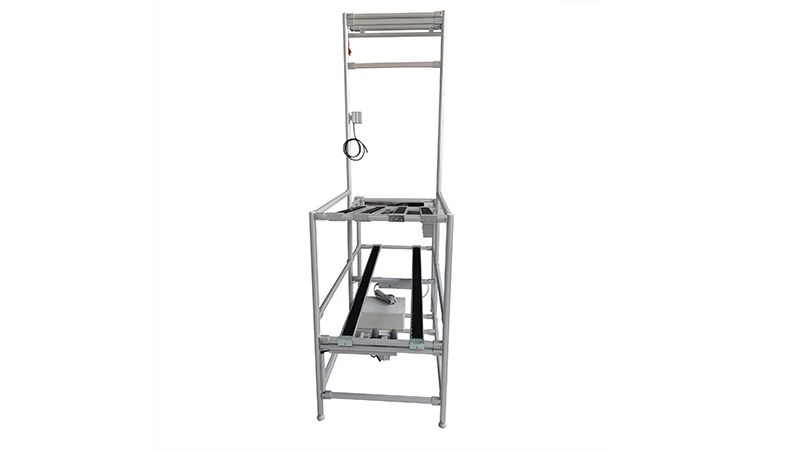
Let's start with the obvious: For small businesses, every dollar, every tool, and every square foot of workspace counts. Whether you're running a tiny electronics repair shop, a bustling bakery, or a growing manufacturing startup, the right workbench can make or break your daily operations. And if you've been researching workbenches, you've probably come across the Aluminum Workbench C —a popular choice known for its durability, versatility, and sleek design. But here's the big question: Should you buy it new or used?
It's not a decision to take lightly. New workbenches promise shiny reliability, but they come with a heftier price tag. Used ones save cash upfront, but they might hide surprises. To help you navigate this, let's dive deep into the pros and cons of both options, tailored specifically to the needs of small businesses like yours. We'll break down everything from cost and customization to long-term value and how it fits into your lean system goals. Let's get started.
First Things First: What Even Is an Aluminum Workbench C?
Before we compare new vs. used, let's make sure we're all on the same page about what an Aluminum Workbench C actually is. At its core, it's a work surface built around a sturdy aluminum profile frame—think lightweight but tough, resistant to rust, and designed to handle daily wear and tear. Unlike clunky wooden workbenches or flimsy plastic ones, this model is built to last, thanks in part to high-quality materials and precision engineering.
What makes the "C" model stand out? Typically, it's a single-deck design (without casters, as per some specs), which means it's stationary but rock-solid. It often comes with options to add shelves, tool hooks, or bins, and because it's made with aluminum, it's easy to clean—perfect for environments where hygiene matters, like food prep or electronics assembly. Plus, it's compatible with a range of aluminum pipe accessories , so you can tweak it as your business grows. For small businesses, this flexibility is a game-changer.
Why Does This Matter for Small Businesses?
Small businesses thrive on efficiency. A messy, unstable, or poorly designed workspace can slow down tasks, increase errors, and even lead to employee frustration. The Aluminum Workbench C, with its clean lines and durable build, is more than just a table—it's a tool to streamline your workflow. It fits seamlessly into lean system principles, helping you organize tools, reduce waste (like time spent searching for supplies), and keep your team focused on what matters: serving customers and growing the business.
But here's the catch: Small businesses also operate on tight budgets. You can't always splurge on top-of-the-line equipment, even if it would make life easier. That's why the new vs. used debate isn't just about preference—it's about balancing immediate costs with long-term needs. Let's break down both sides.

The Case for Buying New: Pros of a Brand-New Aluminum Workbench C
1. Warranty and Peace of Mind
When you buy new, you're not just buying a workbench—you're buying a promise. Most reputable suppliers back their Aluminum Workbench C with a warranty (often 1-3 years), covering defects in materials (like a warped aluminum profile ) or craftsmanship (like loose aluminum pipe accessories ). For a small business, this safety net is huge. If a leg wobbles or a shelf cracks in the first year, you won't have to dip into your emergency fund to fix it—just call the supplier.
Here's the thing: Used workbenches rarely come with warranties. Even if the seller says, "It's barely been used!" once you take it home, any issues become your problem. For a business that can't afford unexpected repairs, that risk can feel too big.
2. Customization to Fit Your Exact Needs
New workbenches are like a blank canvas. Need extra shelf space for inventory? Add it. Want a built-in power strip for tools? No problem. Most suppliers let you tweak the design—adjust the height, choose between a smooth or textured surface, or add accessories like bin rails or tool hangers. Since it's built with standard aluminum profile and aluminum pipe accessories , you can even modify it later as your business changes.
Used workbenches, on the other hand, are "as-is." If the previous owner added a shelf that blocks your workflow or painted it a color that clashes with your brand, you're stuck with it (or you'll have to spend time and money modifying it yourself). For a small business that's still figuring out its rhythm, this lack of flexibility can be a hassle.
3. Reliability and Consistency
A new Aluminum Workbench C hasn't been through the wringer. It hasn't been used to bash heavy tools, spill chemicals, or support uneven loads for years. That means you can trust it to be stable, level, and ready to work from day one. There's no guessing if the legs are secretly bent or if the surface will scratch easily—what you see is what you get.
This consistency matters for tasks that require precision. If you're assembling small electronics or measuring ingredients, a wobbly workbench can lead to mistakes. New ensures you're starting with a solid foundation.
4. Modern Features and Efficiency
Workbench design evolves, and newer models often include small upgrades that make a big difference. Maybe it's a slightly wider surface to fit more tools, or a better finish that resists stains. Some new Aluminum Workbench C models even come with pre-drilled holes for easy accessory installation, saving you the time and hassle of drilling into the aluminum profile yourself.
These small improvements add up. A workbench that's designed with modern workflows in mind can help your team work faster and smarter—exactly what a small business needs to stay competitive.

The Downside of New: Cons of a Brand-New Aluminum Workbench C
1. The Price Tag Stings
Let's get real: New Aluminum Workbench C models aren't cheap. Depending on the size and customizations, you're looking at $500–$1,500. For a small business operating on a shoestring budget—say, a startup with just a few employees—that's a significant chunk of change. It might mean delaying other essential purchases, like inventory or marketing.
And here's the kicker: Workbenches depreciate. The minute you unbox it, it's worth less than you paid. If you ever need to sell it (maybe you're moving or upgrading), you'll take a loss. For businesses that need to preserve cash flow, this upfront cost can feel like a heavy burden.
2. Lead Times Can Slow You Down
Unless you're buying a stock model from a local supplier, new workbenches often come with lead times. Custom orders can take 2–4 weeks to manufacture and ship. If you're setting up a new workspace or replacing a broken workbench ASAP, that wait can be frustrating. You might end up cobbling together temporary solutions (like a rickety folding table) in the meantime, which hurts productivity.
Used workbenches, by contrast, are usually available immediately. Find one locally, inspect it, pay, and have it in your shop the same day. For a small business that needs to hit the ground running, that speed can be invaluable.
3. Over-Engineering for Your Current Needs
New workbenches often come with features you might not need yet. Maybe it's a heavy-duty frame designed for 500 lbs of weight, but your team only uses it for lightweight tools. Or fancy aluminum pipe accessories that look cool but don't actually improve your workflow. When you buy new, it's easy to get lured into adding "just in case" upgrades that drive up the cost without adding real value—at least not right now.

The Case for Buying Used: Pros of a Pre-Owned Aluminum Workbench C
1. Save Money (Lots of It)
This is the biggest draw of used workbenches: cost. You can often find a gently used Aluminum Workbench C for 30–50% less than new. That means instead of $1,000, you might pay $400–$600. For a small business, that savings can go straight to the bottom line—hiring an extra employee, investing in marketing, or padding your emergency fund.
I talked to a local coffee roaster who bought a used Aluminum Workbench C for $350. "It had a few scratches, but it worked perfectly," she said. "That saved me enough to buy a new espresso machine, which directly boosted sales." For businesses where cash flow is king, that kind of trade-off is a no-brainer.
2. Immediate Availability
Need a workbench this week? Used is the way to go. Check Facebook Marketplace, Craigslist, or local industrial surplus stores, and you'll likely find options nearby. No waiting for manufacturing or shipping—inspect it, negotiate the price, and haul it home. For businesses in a hurry (like a pop-up shop or a seasonal business ramping up), this speed is a lifesaver.
3. Built to Last (Even After Years of Use)
Aluminum is tough. An Aluminum Workbench C built with quality aluminum profile and aluminum pipe accessories can easily last 10+ years, even with regular use. That means a used model that's 3–5 years old still has plenty of life left in it. Unlike, say, a used laptop (which might become obsolete), a workbench's "technology" doesn't change much. As long as the frame is solid and the surface is intact, it will work just as well as a new one.
Pro tip: Look for used workbenches from businesses that upgraded, not ones that closed down. A manufacturing company that switched to a larger model is more likely to have a well-maintained workbench than one from a shop that went under (and maybe neglected upkeep).
4. Eco-Friendly Cred
Sustainability isn't just a buzzword—it's a selling point for many customers. Buying used reduces waste by giving a workbench a second life, instead of contributing to the demand for new manufacturing (which uses energy and resources). For small businesses that want to market themselves as eco-conscious, this is a simple win.
The Downside of Used: Cons of a Pre-Owned Aluminum Workbench C
1. Wear and Tear (and Hidden Damage)
The biggest risk with used workbenches is hidden flaws. A scratch on the surface is no big deal, but what if the frame is bent? Or the aluminum profile has hairline cracks from heavy use? Even if it looks solid, you might notice wobbling after a few weeks of use. Unlike new, there's no warranty to fall back on—so you'll have to pay for repairs or replace it entirely if something goes wrong.
One small business owner I know bought a used workbench that seemed fine… until they loaded it with tools. The legs started to bow, and they had to reinforce it with extra brackets (costing $100). "I saved $300 upfront, but spent $100 fixing it," they said. "Net gain? $200, but it was a hassle."
2. Limited Customization
Used workbenches come as-is. If the previous owner added a shelf that's too low, or painted it a garish color, you can't change that without extra work (and cost). Want to add a power strip? You'll have to drill into the aluminum profile yourself, which risks damaging it if you're not careful. For businesses with specific needs (like a workbench that has to fit under a shelf or align with other equipment), this lack of flexibility can be a dealbreaker.
3. Unknown History
Where did that used workbench come from? Was it used in a dirty environment (like a garage with oil spills) or a clean one (like an office)? Did the previous owner maintain it, or was it neglected? Without a history, you're taking a gamble. A workbench that was used to hold corrosive chemicals might have hidden damage to the aluminum profile , even if it looks clean. Or it might have been repaired poorly (like with duct tape or mismatched screws), which could fail over time.
New vs. Used: A Side-by-Side Comparison
| Factor | New Aluminum Workbench C | Used Aluminum Workbench C |
|---|---|---|
| Initial Cost | Higher ($500–$1,500+) | Lower (30–50% less than new) |
| Warranty | 1–3 years (varies by supplier) | Typically none |
| Customization | High (add shelves, colors, accessories) | Low (as-is; modifications cost extra) |
| Lead Time | 2–4 weeks (for custom orders) | Immediate (usually available locally) |
| Condition | Perfect (no wear, modern features) | May have scratches, dents, or hidden damage |
| Depreciation | High (loses value quickly after purchase) | Low (already depreciated; holds value better) |
| Environmental Impact | Higher (requires new manufacturing) | Lower (reuses existing materials) |
How to Decide: Key Questions for Your Small Business
There's no one-size-fits-all answer here. The right choice depends on your business's unique situation. Ask yourself these questions to narrow it down:
1. What's Your Budget?
If you can afford the upfront cost of new without sacrificing other essentials, and you value warranty and customization, go new. If cash is tight and you need to prioritize other investments, used is smarter—just be thorough with your inspection.
2. How Urgent Is the Need?
Need a workbench this week? Used is the only practical option. If you have 4–6 weeks to spare, new might be worth the wait for a custom fit.
3. What's Your Workflow Like?
Do you need specific features (like extra shelves or a power strip) to fit your lean system ? New lets you build exactly what you need. If you can work with a basic model, used should suffice.
4. How Long Do You Plan to Keep It?
If you're in it for the long haul (5+ years), a new workbench's durability and warranty might pay off. If you think you'll upgrade in 2–3 years, used avoids the hit of depreciation.
Real-World Scenarios: Which Is Right for You?
Let's put this into context with two small business examples:
Scenario 1: The Bootstrapped Startup
Mia runs a small Etsy shop selling handmade jewelry. She works out of a tiny home studio and has $2,000 to spend on equipment. She needs a workbench but also needs to buy tools, materials, and packaging. For her, a used Aluminum Workbench C makes sense. She finds one locally for $300, saving $700 to invest in inventory. The workbench has a few scratches, but it's sturdy, and she doesn't need fancy features. "I'll upgrade when the business grows," she says.
Scenario 2: The Growing Manufacturing Business
Raj owns a small electronics assembly company with 10 employees. He's expanding his workspace and wants to optimize his lean system —faster workflows, better organization. He buys three new Aluminum Workbench C models, customized with extra shelves and tool hooks. "The upfront cost is high, but the warranty and customization mean they'll last 10+ years," he explains. "And since we're using them 8 hours a day, every day, reliability is non-negotiable."
Final Thoughts: There's No "Perfect" Choice—Only the Right One for You
At the end of the day, choosing between new and used comes down to balancing your budget, needs, and timeline. New Aluminum Workbench C models offer peace of mind, customization, and reliability—perfect for businesses that can invest in long-term tools. Used models save cash and time, ideal for startups or businesses with temporary needs.
If you're still on the fence, consider a hybrid approach: Buy one new workbench for your most critical tasks (like assembly) and one used for less demanding jobs (like storage). Or look for "open box" models—new workbenches that were returned or slightly damaged, sold at a discount with warranty still intact.
Whichever you choose, remember: The best workbench is the one that helps your team work smarter, faster, and happier. Whether it's shiny and new or gently loved, as long as it fits your lean system and budget, it's a win for your small business.