- Company Articles
- Products and Technology
- Technology Sharing
- Noise Reduction in All Direction Roller Track Systems: Tips and Tricks

Noise Reduction in All Direction Roller Track Systems: Tips and Tricks
Related Product
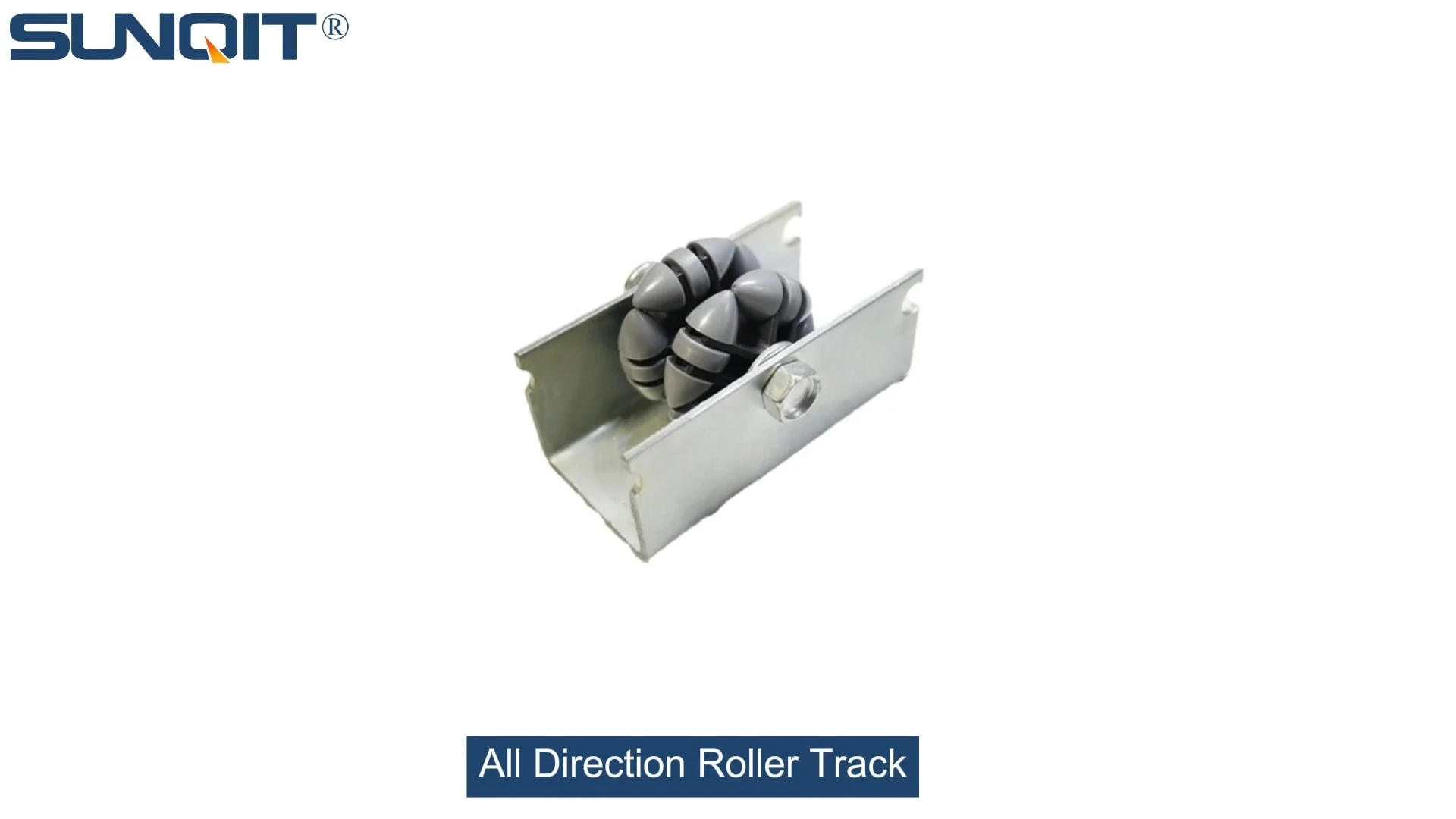
All Direction Roller Track
All direction roller track made of steel frame and multiple direction move wheel which will make boxes are always in contact with the rollers, reducing jams and enhancing flow reliability.
Creating Quieter, More Efficient Workspaces with Smart Design and Quality Components
Why Noise Matters in Manufacturing Environments
In the heart of a busy manufacturing facility, the hum of machinery, clatter of parts, and constant movement of materials create a symphony of productivity—but when that symphony turns into a relentless roar, it stops being music to anyone's ears. All direction roller track systems, the unsung heroes of material handling, often contribute more noise than operators or managers realize. The steady rattle of rollers, the thud of products shifting, and the grind of metal-on-metal contact don't just disrupt focus; they can lead to fatigue, reduced accuracy, and even long-term hearing damage for your team.
For managers in industries like automotive assembly, 3C electronics, or medical device production, noise isn't just a comfort issue—it's a productivity and safety concern. A quieter workspace means happier, more focused employees, fewer errors, and compliance with occupational health standards. And here's the good news: reducing noise in roller track systems doesn't mean sacrificing efficiency. In fact, with the right approach, it can boost lean manufacturing goals by minimizing waste (like time lost to distractions) and extending equipment life. Let's dive into how.
Common Sources of Noise in Roller Track Systems
Before we fix the problem, let's understand where it comes from. Roller track noise isn't random—it's a result of specific interactions between components, materials, and usage patterns. Here are the usual suspects:
- Material Hardness: Steel rollers on steel tracks may be durable, but their rigid contact creates loud vibrations with every pass. Compare that to aluminum or plastic components, which naturally dampen sound.
- Roller and Track Misalignment: When rollers aren't perfectly aligned with the track (often due to poor installation or worn joints), they scrape or "catch" as they move, creating (cì'ěr de—shrill) friction noise.
- Loose or Worn Components: A loose roller bearing, a cracked plastic guide rail, or a rusted joint doesn't just compromise performance—it turns small movements into big noise.
- Speed and Load: Running heavy loads at high speeds amplifies impact forces. A fully loaded roller track moving at top speed will always be louder than a lightly loaded one operating at a steady, moderate pace.
- Environmental Factors: Hard concrete floors and bare walls reflect noise, turning a manageable hum into an echoing chorus. Even the temperature can play a role—cold weather makes plastic components stiffer and noisier.
By addressing these sources directly, you can cut noise levels significantly without overhauling your entire production line. Let's break down the most effective strategies.

Proven Noise Reduction Tips for All Direction Roller Track Systems
Reducing noise in roller track systems is a mix of smart component selection, thoughtful design, and proactive maintenance. Below are actionable strategies, backed by real-world results from industries like 3C assembly and medical device manufacturing.
1. Choose the Right Materials: Aluminum Over Steel (When Possible)
Not all roller tracks are created equal—and the material makes a world of difference. Aluminum roller track systems, for example, are inherently quieter than their steel counterparts. Why? Aluminum is lighter, which means less mass slamming against the track with each rotation. It also has natural damping properties, absorbing vibrations instead of amplifying them. Take the 38 aluminum roller track series: with yellow or black ESD wheels, it's designed to reduce noise by up to 15% compared to standard steel roller tracks, while still supporting the demands of light to medium loads in electronics assembly.
For heavier loads where steel is necessary, opt for steel roller tracks with plastic wheels (like the 40 steel roller track with yellow or black ESD wheels). The plastic acts as a buffer, softening the impact between the wheel and track. Many manufacturers report noise reductions of 8-10 dB just by switching from all-steel to plastic-wheel steel tracks—a difference you can feel in the air.
2. Optimize Joint Design: Internal Rotation for Smooth Movement
Loose or rigid joints are major noise culprits. Traditional fixed joints force components into stiff, jerky movements, but internal rotatary aluminum joints change the game. These joints allow for slight, smooth rotation, reducing friction and eliminating the "clunk" that happens when parts shift. They're especially effective in all direction roller track systems, where movement isn't limited to straight lines. By absorbing misalignment instead of fighting it, internal rotatary joints cut down on both noise and wear—extending the life of your track system, too.
Pro tip: Pair these joints with aluminum guide rails (like Aluminum Guide Rail A or B) for even smoother transitions. The precision fit between the rail and joint minimizes lateral movement, so materials glide instead of grind.
3. Upgrade Your Guide Rails: Plastic for Cushioning, Aluminum for Stability
Guide rails are the unsung noise absorbers in any roller track setup. Plastic roller track guide rails, available in yellow or grey, are a budget-friendly way to reduce impact noise. Their flexibility cushions the landing of products as they move along the track, turning sharp "cracks" into muted thuds. They're ideal for lightweight items like small electronic components or medical device parts.
For heavier loads or high-precision applications, combine plastic guide rails with aluminum supports. The aluminum provides rigidity (keeping the track aligned), while the plastic handles the noise. One 3C manufacturer in Shenzhen did just this: by swapping out old steel guide rails for a combo of aluminum profile and plastic guide rails, they reduced noise in their assembly line by 12 dB—and saw a 5% uptick in operator focus, measured through error rate tracking.
4. Invest in Quality Rollers and Bearings: Lubrication and Maintenance Matter
Even the best materials fail without proper care. A roller with dry, worn bearings will scream louder than a poorly designed track. Make regular lubrication part of your maintenance routine—use a high-quality, low-viscosity lubricant that won't attract dust (which can create more friction over time). For ESD-sensitive environments (like electronics manufacturing), choose ESD-safe lubricants to avoid static buildup.
Also, inspect rollers for wear every 3-6 months. Look for cracks in plastic wheels, flat spots on steel rollers, or looseness in the bearing housing. Replacing a single worn roller might seem trivial, but it can prevent a cascade of noise (and damage) down the line.
5. Adjust Speed and Load Distribution
Sometimes the simplest fix is the most effective: slow it down. Running your roller track at 80% of maximum speed can reduce noise by up to 20%, as impact forces drop exponentially with velocity. This doesn't mean sacrificing throughput—optimize your workflow to balance speed and load. For example, schedule heavier loads during off-peak hours when overall noise is lower, or use (fēnpī yùnshū—batch transport) to keep the track from being overloaded.
Another trick: distribute weight evenly across the track. A lopsided load will bounce and scrape, creating more noise than a balanced one. Using dividers or trays (like those compatible with aluminum pipe with tray holders) can help keep products centered, turning chaotic clatter into steady, quiet movement.
| Roller Track Type | Typical Noise Level (dB) | Best For | Top Noise Reduction Tip |
|---|---|---|---|
| 38 Aluminum Roller Track (Black ESD) | 62-68 dB | ESD-sensitive electronics, light loads | Pair with internal rotatary aluminum joints |
| 40 Steel Roller Track (Plastic Wheels) | 68-75 dB | Medium loads, general manufacturing | Regular lubrication + plastic guide rails |
| 85 Staggered Steel Roller Track | 75-82 dB | Heavy loads, automotive parts | Reduce speed by 20% + align tracks precisely |
| Mini Aluminum Roller Track (Yellow) | 55-60 dB | Small parts, medical devices | Use plastic pipe sleeves on sharp edges |
6. Add Sound Absorption to the Environment
Sometimes the noise isn't coming from the track itself—it's how the sound bounces around the room. Adding simple sound-absorbing materials can make a big difference. Acoustic panels on nearby walls, rubber mats under the roller track to dampen floor vibrations, or even fabric dividers between workstations can soak up excess noise. In one automotive parts warehouse, hanging acoustic baffles above their all direction roller track system reduced echo by 30%, making the entire area feel quieter without changing the track itself.
Real-World Success: How a 3C Manufacturer Cut Noise by 18 dB
A leading 3C assembly plant in Dongguan was struggling with noise complaints from operators working near their conveyor and roller track systems. The main issue? Their old steel roller tracks, used to transport circuit boards between workstations, were hitting 82 dB during peak hours—above the recommended OSHA limit of 85 dB (but still a constant irritant). Employees reported headaches and difficulty communicating, leading to slower assembly times and more errors.
The solution? A two-part approach: first, replacing the steel roller tracks with 38 aluminum roller track black ESD wheels (chosen for their noise-dampening properties and ESD safety). Second, upgrading all fixed joints to internal rotatary aluminum joints to reduce friction. They also added plastic roller track guide rails in grey to cushion the circuit boards as they moved.
The results were striking: noise levels dropped to 64 dB—a 18 dB reduction. Operators noted immediate improvements in focus, and error rates on the line decreased by 7% in the first month. Plus, the aluminum system was lighter, so the conveyor motors used less energy—aligning perfectly with the plant's lean system goals of reducing waste (in this case, energy and time wasted on noise-related inefficiencies).

Choosing the Right Supplier: More Than Just Parts
Reducing noise in your roller track system isn't just about swapping parts—it's about partnering with a supplier who understands the big picture. A great supplier doesn't just sell you aluminum roller tracks or internal rotatary joints; they work with you to design a system that fits your space, your load requirements, and your noise goals. Here's what to look for:
- Customization Capabilities: Every facility is unique. Your supplier should offer tailored solutions, like adjustable aluminum pipe workbenches that integrate seamlessly with your roller track system, or custom-length aluminum guide rails to avoid unnecessary joints (which are noise hotspots).
- Material Expertise: They should be able to explain the pros and cons of aluminum vs. steel for your specific loads and environment. For example, if you're in medical device manufacturing, they might recommend stainless steel roller balls for corrosion resistance and noise reduction.
- Post-Sale Support: Installation and maintenance matter. Look for suppliers who offer on-site installation help, maintenance training, and quick access to replacement parts (like plastic roller track guide rails or caster accessories) when wear happens.
Remember: the cheapest parts upfront might cost you more in the long run—through higher noise, faster wear, or lost productivity. Investing in quality components and a partner who understands lean principles will pay off in a quieter, more efficient workspace.

Final Thoughts: Quiet = Productive
Noise in manufacturing doesn't have to be a fact of life. With the right materials (aluminum roller tracks, plastic guide rails), smart design (internal rotatary joints, proper alignment), and proactive maintenance, you can turn a loud, distracting workspace into a quiet, focused one. And the benefits go beyond comfort: quieter systems mean happier employees, fewer errors, lower energy costs, and a stronger commitment to lean manufacturing principles.
Whether you're upgrading an existing all direction roller track system or building a new line from scratch, the key is to start with noise in mind. It's not just about compliance—it's about creating a space where your team can do their best work, and your business can thrive. So take the first step: audit your current noise levels, talk to your operators about where the biggest irritants are, and reach out to a supplier who can help you design a solution that's as quiet as it is efficient.
Your ears (and your bottom line) will thank you.