- Company Articles
- Products and Technology
- Product knowledge
- Noise Reduction: T-Groove Aluminum Pipe Systems for Quieter Workshops

Noise Reduction: T-Groove Aluminum Pipe Systems for Quieter Workshops
Related Product
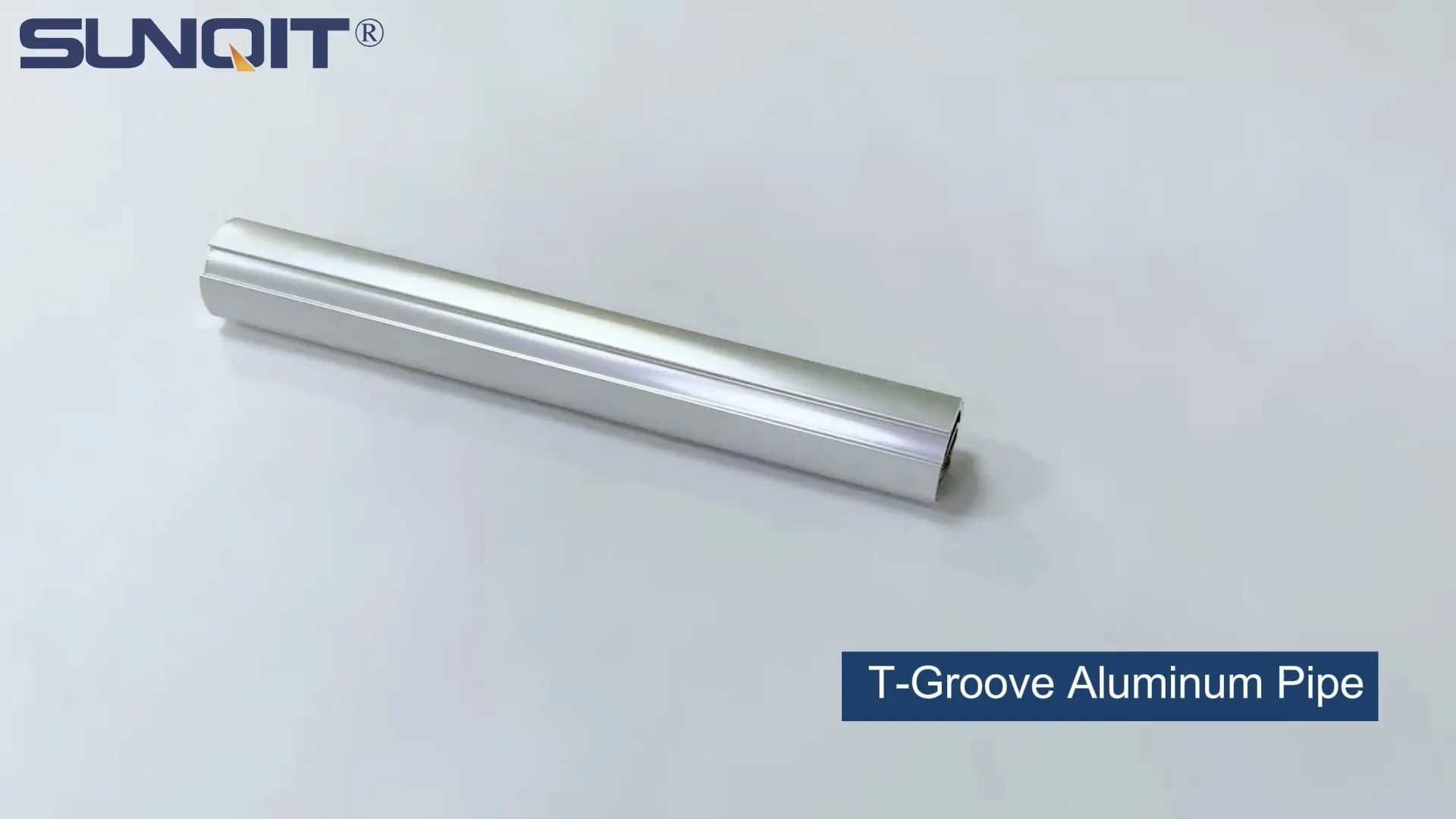
T-Groove Aluminum Pipe
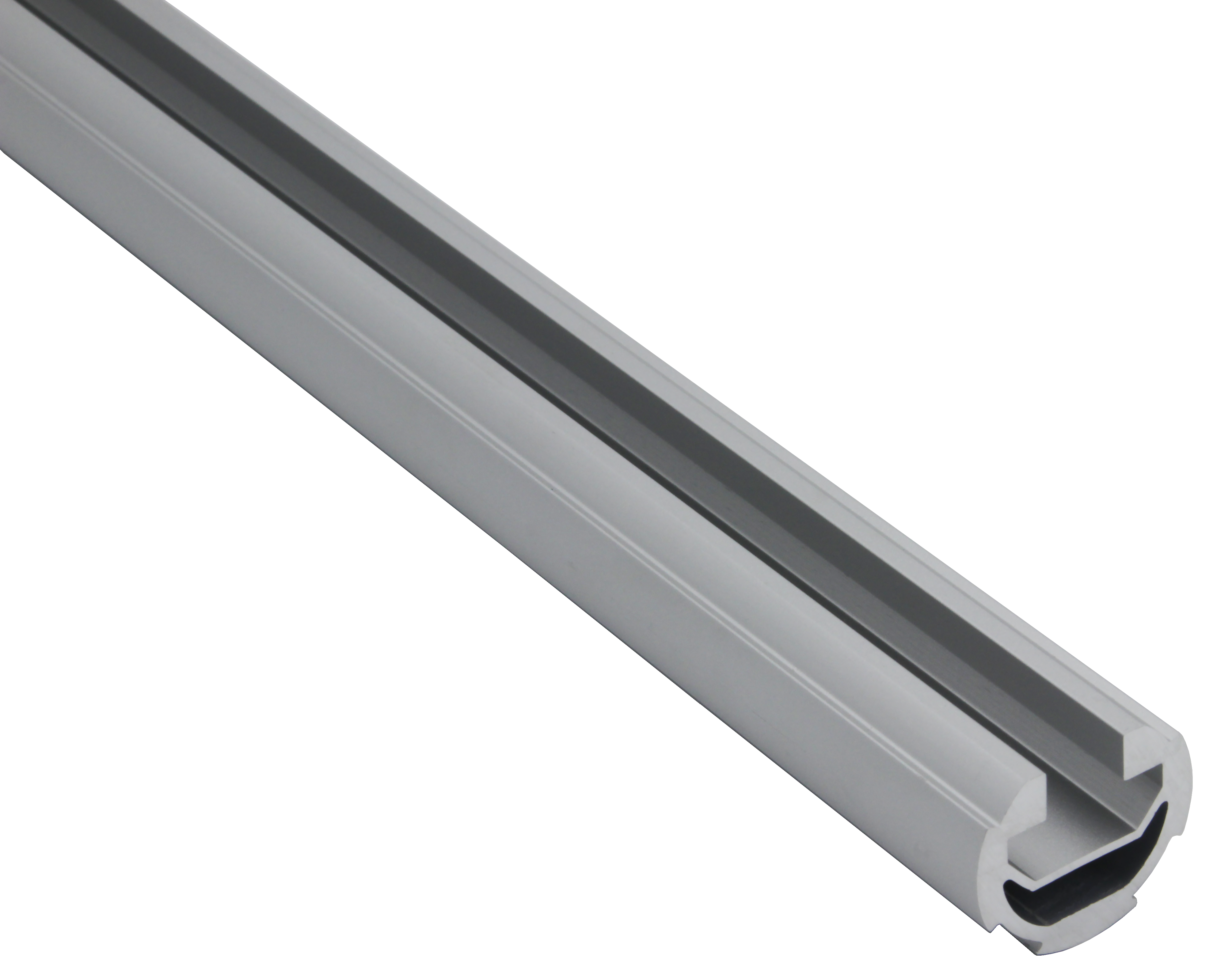
The aluminum pipe opening 10mm is installed into the T-shaped slider, which can be installed with casters or other matching functional parts. The groove can be used for positioning and is used for the track of the roller.
Walk into any busy manufacturing or assembly workshop, and the first thing that hits you—after the hum of machinery—is the noise. It's the clatter of metal parts hitting steel tables, the squeak of rigid casters on concrete floors, the rattle of misaligned roller tracks, and the constant drone of vibrating equipment. For years, this cacophony was written off as "just part of the job." But today, we know better. Excessive noise doesn't just fray nerves; it reduces focus, slows productivity, and even leads to long-term health issues for employees. The question isn't if we can fix it—it's how .
Enter T-Groove Aluminum Pipe Systems: a modern solution that marries lean manufacturing principles with engineering designed for peace and efficiency. These systems, built around lightweight aluminum extrusion profiles, modular components, and precision-engineered accessories, are quietly revolutionizing workshop environments. In this article, we'll explore how swapping out traditional steel structures for aluminum-based setups can turn a chaotic, noisy floor into a calm, productive space—without sacrificing durability or flexibility.
The Hidden Cost of Workshop Noise
Before diving into solutions, let's unpack why workshop noise matters. OSHA sets a legal limit of 90 dBA for an 8-hour workday, but even levels below that can take a toll. A study by the World Health Organization found that chronic exposure to noise above 70 dBA increases the risk of hypertension, sleep disturbances, and reduced cognitive performance. In practical terms, that means more mistakes on the assembly line, higher employee turnover, and skyrocketing healthcare costs.
So where does all this noise come from? Let's break it down:
- Metal-on-Metal Contact: Traditional steel workbenches, racks, and roller tracks amplify every impact. drop a wrench on a steel table, and the sound echoes. Slide a heavy part along a steel roller track, and you get a (cì'ěr de—shrill) scraping noise.
- Vibrating Structures: Rigid steel frames don't absorb vibration—they transmit it. A running conveyor belt can turn an entire steel workstation into a giant speaker, buzzing at frequencies that grate on the ears.
- Clunky Casters & Joints: Steel casters with hard wheels squeak on concrete, while loose steel joints rattle with every movement. Even "fixed" steel connections loosen over time, creating more noise as parts shift.
- Inefficient Workflows: Poorly designed workspaces force employees to stretch, reach, and move awkwardly. The resulting collisions—with tools, bins, or neighboring workstations—add unexpected, sharp noises to the mix.
The good news? Most of these noise sources share a common root: outdated, rigid, steel-based infrastructure. And that's where aluminum extrusion profiles and T-Groove systems step in.
T-Groove Aluminum Pipe Systems: Quiet by Design
At first glance, aluminum might seem like a "softer" alternative to steel—better for lightweight projects but not tough enough for industrial use. That couldn't be further from the truth. Modern aluminum extrusion profiles, reinforced with internal structures and anodized finishes, offer strength comparable to steel at a fraction of the weight. But their real superpower? They're engineered to reduce noise at every point of contact.
Let's start with the basics: the aluminum extrusion profile itself. Unlike steel pipes, which are often rough or welded, aluminum profiles are precision-extruded in a single piece, creating a smooth, uniform surface. This smoothness minimizes vibration—when a part is placed on an aluminum workbench, the energy disperses evenly rather than bouncing off jagged edges. Add in T-Groove technology—those signature slots running along the length of the profile—and you get a system where components lock into place snugly, eliminating the rattling gaps common in steel structures.
Key Components That Cut the Clatter
A quiet workshop isn't built with one magic part—it's a symphony of components working together. Let's highlight the stars of the T-Groove aluminum system:
1. Aluminum Extrusion Profiles: The Silent Foundation
Aluminum extrusion profiles are the backbone of these systems, and their design is genius in its simplicity. Made from high-grade aluminum alloys (like 6063-T5), they're lightweight but rigid, with a natural ability to dampen vibrations. Unlike steel, which rings like a bell when struck, aluminum absorbs impact energy, turning loud clangs into muted thuds. For example, a 4040 EU standard aluminum profile—common in workbenches and racks—can reduce impact noise by up to 40% compared to a steel equivalent of the same size.
But it's the T-Groove that truly sets them apart. These slots allow accessories—joints, brackets, shelves—to slide in and lock securely with minimal hardware. No more over-tightening bolts to stop wobbling (which only creates stress points and more noise later). Aluminum profile accessories, like internal rotary aluminum joints or multi-angle fixed aluminum joints, fit into the T-Groove with precision, creating connections that stay tight for years. Loose joints? A thing of the past.
2. Roller Tracks: Smooth, Not Squeaky
Roller tracks are a major noise culprit in traditional setups. Steel rollers on steel rails? It's like dragging a metal chair across a concrete floor—on repeat. T-Groove systems solve this with two upgrades: material and design .
First, the tracks themselves. Instead of steel, many aluminum roller tracks use plastic guide rails—like the plastic roller track guide rail (yellow or grey) or aluminum guide rail A/B. These materials are softer than steel, so when parts glide over them, there's less friction and less noise. A plastic guide rail, for example, reduces sliding noise by 50% compared to steel, according to industry tests.
Then there are the rollers. Swivel roller balls (1 inch, 0.5 inch) and steel wheel roller tracks in aluminum systems often feature rubberized or nylon coatings. Take the 40 steel roller track with black ESD wheels: the ESD (electrostatic discharge) coating isn't just for safety—it adds a layer of cushioning that mutes the sound of parts rolling over them. Even stainless steel swivel roller balls, when paired with aluminum tracks, create a smoother, quieter ride than steel-on-steel.
And let's not forget the connectors. Roller track placon mounts—like those for aluminum profile flat or high connections—ensure the track stays aligned. Misalignment is a huge noise source; a track that's even slightly warped causes parts to jostle and scrape. Aluminum placon mounts lock the track into place, keeping everything straight and silent.
3. Workbenches: Where Productivity Meets Peace
The workbench is the heart of any workshop, and it's also a prime noise generator. Think about it: employees spend hours here, placing, lifting, and assembling parts. A steel workbench turns every action into a potential noise event. Aluminum workbenches, like Workbench E (single deck, without caster), flip the script.
Many aluminum workbenches feature a honeycomb core or composite deck, which acts as a natural sound absorber. drop a metal bracket on an aluminum honeycomb bench, and the sound is muffled—no echoing, no sharp peaks. Even the frame helps: aluminum legs with adjustable leveling feet (like the anti-slip adjustable leveling feet) grip the floor firmly, preventing the bench from rocking and creaking during use.
Ergonomics play a role too. Aluminum workbenches are infinitely adjustable, thanks to T-Groove slots. Raise the height for standing work, lower it for seated tasks, or add side shelves at the perfect angle. When employees don't have to strain to reach tools or parts, they move more smoothly—fewer accidental knocks, fewer loud surprises.
4. Casters & Trolleys: Glide, Don't Grind
Turnover trolleys, material racks, and mobile workstations are essential for lean workflows—but their casters are often the noisiest part of the operation. Traditional steel casters with hard wheels scrape and squeak on concrete, especially when loaded down. Aluminum systems fix this with caster wheels designed for silence.
Take the flat adjustable swivel castor wheel: its rubberized tread cushions the ride, while the aluminum bracket (connected via a castor install base) eliminates metal-on-metal friction. Even heavy-duty options, like the 360° swivel expanding stem casters with brake, operate smoothly—no loud "clicks" when locking the brake, no rattling when moving. When a trolley glides instead of grinding, the difference in noise is night and day.
Beyond Noise: The Lean System Advantage
Noise reduction is a game-changer, but T-Groove aluminum systems offer another critical benefit: they're built for lean manufacturing . Lean systems thrive on flexibility—adapting quickly to changing production needs—and aluminum profiles deliver that in spades.
Need to reconfigure a production line? With aluminum joints and T-Groove slots, you can disassemble a workbench or material rack (like Material Rack B, 3 row and 3 floor) in minutes, no welding or heavy tools required. Want to add a new roller track to speed up material flow? Slide the aluminum guide rails into place, lock them with placon mounts, and you're done. This flexibility reduces downtime, but it also cuts noise: instead of tearing out and replacing rigid steel structures (which involves loud cutting and welding), you're making quiet, incremental adjustments.
Durability matters too. Aluminum resists corrosion, so it lasts longer in humid or messy environments—no rusted joints that rattle over time. And because it's lightweight, aluminum systems are easier to maintain: adjusting a loose caster or replacing a worn roller track guide rail takes half the effort of working with steel, meaning less time spent on repairs and more time on productive work.
| Feature | Traditional Steel Systems | T-Groove Aluminum Systems |
|---|---|---|
| Noise Level (Average Workshop) | 85–90 dBA (often exceeding OSHA limits) | 70–75 dBA (well within comfort zones) |
| Vibration Absorption | Poor—transmits vibration, amplifying noise | Excellent—aluminum dampens vibration naturally |
| Assembly Flexibility | Rigid—requires welding/cutting for changes | Modular—T-Groove slots allow tool-free adjustments |
| Maintenance Needs | High—frequent tightening of loose steel joints | Low—precision aluminum joints stay secure longer |
| Ergonomic Adaptability | Limited—fixed heights and layouts | High—adjustable workbenches, racks, and tracks |
Real-World Impact: A Case Study
Let's take a look at a small electronics assembly plant in Ohio that made the switch. Before aluminum, their workshop averaged 88 dBA—above OSHA's 85 dBA threshold for an 8-hour shift. Employees reported frequent headaches, and quality control checks found a 12% error rate, often attributed to "inability to focus."
The plant invested in T-Groove aluminum systems: aluminum extrusion profile workbenches, 38 aluminum roller tracks with yellow wheel flanges, and swivel casters with rubber wheels. Within a month, noise levels dropped to 73 dBA. Error rates fell to 5%, and employee surveys showed a 40% increase in reported job satisfaction. "It's not just quieter," said the plant manager. "People are calmer, they communicate better, and they're proud to work in a space that feels modern and cared for."

Choosing the Right Aluminum System for Your Workshop
Ready to quiet your workshop? Here's how to start: First, audit your noise sources. Walk the floor and note where the loudest sounds come from—Is it the roller tracks? The workbenches? The trolleys? This will help you prioritize upgrades.
Next, partner with a reputable aluminum profile supplier who understands lean systems. Look for suppliers that offer a full range of components: from basic aluminum tubes and internal rotary joints to specialized parts like stainless steel swivel roller balls and plastic guide rails. A good supplier will even help you design a custom layout that addresses your unique noise and workflow challenges.
Finally, start small. You don't need to overhaul the entire workshop at once. Swap out one noisy roller track or upgrade a single workbench. Measure the noise reduction and employee feedback, then expand from there. You'll be amazed at how quickly small changes add up to a dramatically quieter, more productive space.

Conclusion: Quiet is Productive
Workshop noise isn't inevitable—it's a choice. For too long, we chose steel's brute strength over employee comfort and productivity. Today, T-Groove Aluminum Pipe Systems offer a better way: strength without the noise, flexibility without the hassle, and a workspace that respects the people who power it.
A quieter workshop isn't just a nicer place to work—it's a smarter business decision. Reduced errors, higher employee retention, and compliance with health regulations are just the start. When you invest in aluminum extrusion profiles, roller tracks with soft guide rails, and ergonomic workbenches, you're investing in a future where productivity and peace coexist.
So why wait? The clatter of the past doesn't have to define your workshop's future. Let aluminum lead the way to a quieter, better tomorrow.