- Company Articles
- Products and Technology
- Product knowledge
- Noise Reduction Tips for 60 Steel Roller Track Small Wheels in Quiet Workplaces

Noise Reduction Tips for 60 Steel Roller Track Small Wheels in Quiet Workplaces
Related Product
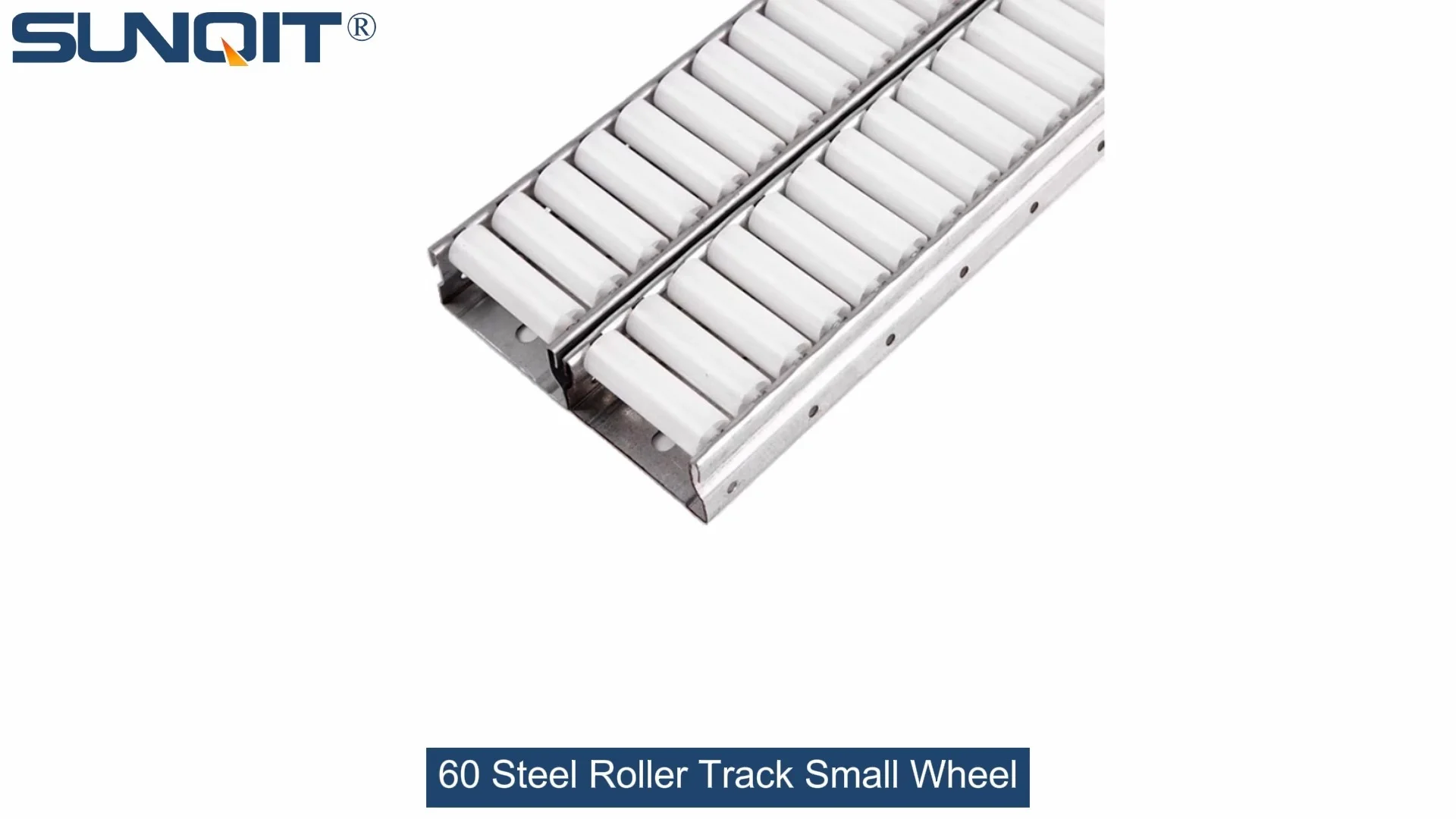
60 Steel Roller Track Small Wheel
Modular system roller tracks aluminum gravity roller tracks are an excellent solution for transporting materials within industrial environments, warehouses and distribution centres.
Introduction
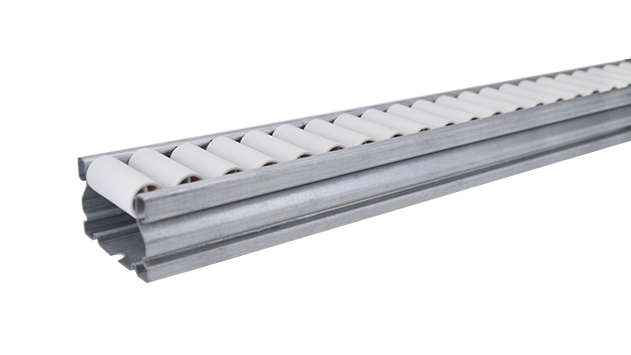
In today's fast-paced manufacturing and logistics environments, the importance of a quiet workplace cannot be overstated. For industries like medical device production, 3C assembly, and precision engineering, excessive noise not only disrupts employee focus but also affects compliance with strict operational standards. One common source of noise in such settings is the 60 steel roller track small wheel, often used in flow racks, conveyors, and lean pipe workbenches. These wheels are essential for smooth material handling, but their operation can generate unwanted sound if not properly managed. This article explores practical tips to reduce noise from these components, ensuring a more peaceful and productive work environment.
Understanding the Source of Noise from 60 Steel Roller Track Small Wheels
Before diving into solutions, it's crucial to identify the root causes of noise from 60 steel roller track small wheels. Common contributors include:
- Friction Between Wheels and Track: Worn wheel surfaces or uneven tracks create increased friction, leading to squeaking or grinding sounds.
- Loose Connections: Improperly tightened joints or brackets can cause vibration and rattling as wheels move along the track.
- Dry Bearings: Lack of lubrication in the wheel bearings results in metal-to-metal contact, producing harsh noise.
- Impact Noise: When materials or products are placed on the track, the force can cause wheels to hit the track edges, especially if there are no protective guides.
Key Noise Reduction Tips
1. Choose High-Quality 60 Steel Roller Track Small Wheels
The quality of the wheels themselves plays a significant role in noise generation. High-quality 60 steel roller track small wheels are manufactured with precision, featuring smooth surfaces and durable bearings that minimize friction. Cheaper alternatives may have rough edges or low-grade bearings, leading to more noise. To illustrate the difference, consider the following comparison of noise levels between different wheel qualities:
| Wheel Quality | Average Noise Level (dB) | Durability |
|---|---|---|
| High-Quality Steel Wheel | 45-50 | Long-lasting (2+ years) |
| Mid-Range Steel Wheel | 55-60 | Moderate (1-2 years) |
| Low-Quality Steel Wheel | 65-70 | Short (6-12 months) |
Investing in high-quality wheels not only reduces noise but also lowers long-term maintenance costs due to their extended lifespan.
2. Ensure Proper Installation and Alignment
Even the best wheels will generate noise if installed incorrectly. Proper alignment of the roller track and secure fastening of the wheels are essential. Here are some installation tips:
- Level the Track: Use a spirit level to ensure the roller track is perfectly flat. Uneven tracks cause wheels to wobble and create noise.
- Secure Connections: Use sturdy fasteners like aluminum pipe clamps or 90° aluminum crossing joints to keep the track and wheels in place. Loose connections lead to vibration and rattling.
- Check Wheel Fit: Ensure the wheels fit snugly on the track without excessive play. Too much space between the wheel and track can cause unnecessary movement and noise.
3. Regular Lubrication of Bearings
Dry bearings are a major source of noise in steel roller wheels. Regular lubrication helps reduce friction between moving parts. Here's how to do it right:
- Choose the Right Lubricant: Use a lubricant specifically designed for steel bearings. Avoid using oil-based lubricants that can attract dust and dirt, which may increase friction over time.
- Schedule Maintenance: Create a maintenance schedule to lubricate bearings every 3-6 months, depending on usage. More frequent use may require more regular lubrication.
- Clean Before Lubricating: Remove any dirt or debris from the bearings before applying lubricant to ensure optimal performance.
4. Use Noise-Dampening Accessories
Adding noise-dampening accessories to your roller track setup can significantly reduce sound levels. Some effective options include:
- Plastic Roller Track Guide Rails: Installing yellow or grey plastic guide rails along the edges of the steel track helps absorb impact noise when products are moved. These guides also protect the track from wear and tear.
- Vibration-Absorbing Caster Accessories: If the roller track is part of a mobile unit like a turnover trolley, using caster accessories that absorb vibration can reduce noise transmission to the floor.
- Rubber Seals: Applying t-slot rubber seal covers to aluminum profiles used in the track setup can minimize rattling from loose components.
5. Opt for Custom Lean Solutions
Every workplace has unique noise requirements. A custom lean solution tailored to your specific needs can help minimize noise from 60 steel roller track small wheels. For example, a lean pipe workbench designed with noise-reducing features like padded surfaces or shock-absorbing joints can create a quieter workspace. A reputable lean solution supplier can assess your current setup and recommend modifications, such as replacing standard wheels with noise-optimized ones or redesigning the flow rack layout to reduce impact noise.

Application in Specific Industries
Medical Device Production
In medical device manufacturing, quiet environments are critical for precision work and compliance with regulatory standards. 60 steel roller track small wheels used in flow racks for medical supplies must operate silently to avoid disrupting lab technicians. By implementing the tips above—using high-quality wheels, regular lubrication, and plastic guide rails—medical facilities can maintain a quiet atmosphere while ensuring efficient material handling.
3C Assembly
3C assembly lines involve delicate tasks that require intense focus. Lean pipe workbenches equipped with roller tracks and quiet wheels help workers concentrate on assembling small electronic components without distraction. Custom lean solutions for 3C assembly may include conveyors with noise-reduced 60 steel roller track small wheels, ensuring smooth product movement with minimal sound.
Warehouse Logistics
Warehouses are often busy environments, but excessive noise can lead to employee fatigue and reduced productivity. Conveyors and flow racks using noise-optimized wheels create a more pleasant working environment. For example, a conveyor with high-quality 60 steel roller track small wheels and plastic guide rails can significantly reduce noise, making it easier for workers to communicate and focus on their tasks.
Case Study: Noise Reduction in a 3C Assembly Facility
A leading 3C assembly company was facing complaints from employees about excessive noise from their flow racks, which used standard 60 steel roller track small wheels. The noise levels were affecting worker concentration and leading to increased errors in assembly tasks. The company decided to implement the noise reduction tips outlined in this article:
- Replaced all standard wheels with high-quality 60 steel roller track small wheels, which reduced initial noise levels by 10%.
- Installed yellow plastic roller track guide rails along the flow racks to absorb impact noise, further reducing noise by 15%.
- Established a monthly maintenance schedule to lubricate wheel bearings, ensuring consistent noise reduction over time.
After these changes, the noise levels in the assembly area dropped from 65 dB to 45 dB, a 30% reduction. Employees reported improved focus and fewer errors, leading to a 12% increase in productivity. The company also noted a decrease in maintenance costs due to the longer lifespan of the high-quality wheels.
Conclusion
Reducing noise from 60 steel roller track small wheels is essential for creating a quiet, productive workplace. By choosing high-quality wheels, ensuring proper installation, regular lubrication, using noise-dampening accessories, and opting for custom lean solutions, you can significantly lower noise levels. These changes not only improve employee well-being but also enhance productivity and compliance with industry standards. Whether you're in medical device production, 3C assembly, or warehouse logistics, implementing these tips will help you create a more peaceful and efficient working environment.
Remember, a quiet workplace is not just a comfort—it's an investment in your team's performance and your company's success. By prioritizing noise reduction, you can foster a positive work culture and achieve better results in all your operations.