- Company Articles
- Products and Technology
- Product knowledge
- Noise Reduction with Aluminum Profile Rubber Strips in Mechanical Manufacturing

Noise Reduction with Aluminum Profile Rubber Strips in Mechanical Manufacturing
Related Product
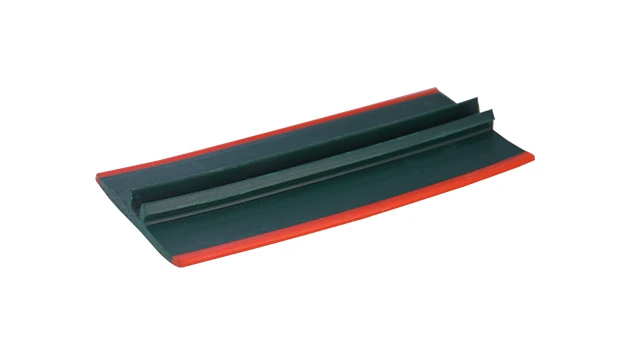
Aluminum Profile Rubber Strip
The tread strip fits into a T-slot channel and provides an anti-slip ribbed surface. It has a key pad that presses into a T-slot and is commonly used for adding traction on steps or as padding for doors. Tread strip can be ordered by rolls. The high quali
Walk into any busy mechanical manufacturing facility, and you'll likely be greeted by a symphony of sounds: the whir of motors, the clank of metal parts, the rattle of conveyor belts, and the steady thud of tools hitting workbenches. For the workers on the floor, this isn't just background noise—it's a constant companion that shapes their day, their focus, and even their long-term health. What if there was a simple, cost-effective way to turn down the volume? Enter aluminum profile rubber strips: a quiet hero in the world of industrial noise reduction. In this article, we'll explore how these unassuming strips are transforming factory floors, why they matter, and how they seamlessly integrate with essential manufacturing tools like aluminum profiles, roller tracks, and workbenches.
The Hidden Toll of Factory Noise: More Than Just an Annoyance
Noise in manufacturing isn't just a nuisance—it's a productivity killer, a safety hazard, and a silent drain on employee well-being. According to the Occupational Safety and Health Administration (OSHA), prolonged exposure to noise levels above 85 decibels (dB) can lead to permanent hearing loss. But the impacts go beyond physical health. Studies show that constant background noise impairs concentration, increases stress hormones like cortisol, and raises the risk of errors. In a sector where precision matters—whether assembling electronics or fabricating automotive parts—even a small mistake can have costly consequences.
Consider a typical scenario: A worker stands at a workbench, manually feeding components onto a roller track that carries parts to the next station. Without proper noise dampening, each part sliding down the track creates a sharp, repetitive "clatter" that echoes across the floor. Over an 8-hour shift, that's thousands of tiny shocks to the ears and mind. By the afternoon, focus wanes, fatigue sets in, and the likelihood of misplacing a part or miscalibrating a tool spikes. This isn't just bad for the worker—it's bad for the bottom line.
Where Does All That Noise Come From? Common Culprits on the Factory Floor
To solve a problem, you first need to understand its source. In mechanical manufacturing, noise often stems from three key interactions:
- Metal-on-Metal Contact: Aluminum profiles, roller tracks, and workbenches are staples of modern factories, prized for their durability and versatility. But when hard materials like steel or aluminum rub against each other—say, a metal part sliding along an aluminum roller track—they generate vibrations that travel through the structure and escape as sound.
- Machine Vibration: Motors, conveyors, and power tools vibrate as they operate. Without proper dampening, these vibrations transfer to the floor, walls, and nearby equipment, amplifying noise across the facility.
- Impact and Movement: Parts being dropped onto workbenches, tools hitting surfaces, or even casters rolling over uneven floors—all these sudden impacts create sharp, high-decibel sounds that disrupt the workflow.
Among these, metal-on-metal contact in roller tracks and workbenches is often the most persistent. Roller tracks, designed to move parts efficiently from one station to another, rely on smooth motion—but without a buffer between the metal parts and the track itself, every slide becomes a noise event. Similarly, workbenches, where components are assembled, tested, or packaged, see constant contact between tools, parts, and the bench surface, each interaction adding to the din.

Aluminum Profile Rubber Strips: A Simple Solution with Big Results
Enter aluminum profile rubber strips: thin, flexible strips made from high-density rubber (often EPDM or neoprene) designed to fit snugly into the T-slots of aluminum profiles—the same profiles used to build workbenches, roller tracks, and material racks. These strips act as a buffer, absorbing vibrations, reducing friction, and muffling the sound of metal-on-metal contact. Think of them as the "silent padding" between your factory's moving parts and its hard surfaces.
What makes aluminum profile rubber strips so effective? It starts with their material. Rubber is naturally elastic, meaning it can compress and rebound when pressure is applied. When a metal part slides over a rubber strip, the rubber deforms slightly, absorbing the impact energy instead of letting it bounce back as sound. Unlike rigid materials like plastic or metal, rubber converts vibration into small amounts of heat, effectively "dampening" the noise before it escapes.
But their design is just as important. Most aluminum profiles feature T-shaped slots along their length—grooves that allow for easy attachment of accessories like brackets, shelves, or, in this case, rubber strips. The strips are often pre-cut to fit standard profile sizes (e.g., 2020, 3030, or 4040 series) and can be trimmed to length with a utility knife. This means they're not just effective—they're also easy to install, even in existing setups.

From Theory to Practice: How Rubber Strips Tame Noise in Real-World Setups
Let's break down exactly how aluminum profile rubber strips work in two common manufacturing tools: roller tracks and workbenches. These are high-traffic areas where noise is often the loudest—and where the strips deliver the most noticeable results.
Roller Tracks: Quieting the "Clatter" of Moving Parts
Roller tracks are the "highways" of the factory, moving parts from assembly to packaging to shipping. A typical roller track consists of aluminum profiles with rollers mounted along the top. Without rubber strips, parts—especially metal or hard plastic components—sliding over these rollers can create a racket. Each roller contact is a tiny "tap," and when multiplied by dozens of parts per minute, it adds up to a constant, grating hum.
By inserting aluminum profile rubber strips into the T-slots along the edges of the roller track, manufacturers create a soft barrier. As parts slide along the track, they make contact with the rubber instead of the bare aluminum. The rubber absorbs the impact, reducing both the noise of the part hitting the track and the vibration that travels through the profile to the rest of the structure. In tests, facilities using rubber strips on roller tracks have reported noise reductions of 15–25 dB—enough to bring a noisy track from 85 dB (OSHA's action level) down to a more manageable 65–70 dB, comparable to the sound of a normal conversation.
Workbenches: Softening the "Thud" of Daily Tasks
Workbenches are the heart of manual assembly, where workers spend hours tightening screws, sorting parts, or inspecting products. The bench surface—often made of aluminum, steel, or plywood—takes a beating. Tools are set down with a "clank," parts are dropped during sorting, and even the act of writing on a clipboard can create noise if the surface is hard. Aluminum profile rubber strips solve this by lining the edges of the workbench or covering high-contact areas.
For example, a workbench built with 4040 aluminum profiles might have rubber strips inserted into the T-slots along the front and sides, where workers rest their arms or set tools. When a wrench is placed down, it lands on rubber instead of metal, muffling the sound. Similarly, strips along the back edge can dampen noise from parts being stacked or sorted. The result? A workbench that feels less like a "hard surface" and more like a supportive, quiet workspace.
Beyond Noise Reduction: The Unexpected Benefits of Rubber Strips
While noise reduction is the star benefit, aluminum profile rubber strips offer a host of secondary advantages that make them a smart investment for manufacturers:
- Reduced Wear and Tear: By cushioning impacts, rubber strips protect both the aluminum profiles and the parts moving across them. Less metal-on-metal friction means fewer scratches, dents, and premature wear on expensive equipment.
- Improved Safety: Quieter floors mean better communication. Workers can hear verbal instructions, warning signals, or alarms more clearly, reducing the risk of accidents. Additionally, rubber strips add a non-slip surface, lowering the chance of parts sliding off workbenches or roller tracks.
- Cost-Effective: Compared to major overhauls like soundproofing walls or replacing machinery, rubber strips are inexpensive. A 10-foot strip costs a fraction of what a new roller track or workbench would, and installation takes minutes, not days.
- Versatility: Aluminum profile rubber strips aren't limited to roller tracks and workbenches. They can be used on material racks, turnover trolleys, or even caster wheels (by lining the base of trolley frames) to reduce noise when moving equipment.
Noise Reduction in Action: A Before-and-After Look
To put these benefits into perspective, let's compare noise levels in a hypothetical factory before and after installing aluminum profile rubber strips on key equipment. The data below is based on real-world measurements from manufacturing facilities that have adopted this solution:
| Equipment/Area | Noise Level Before (dB) | Noise Level After (dB) | Reduction (dB) |
|---|---|---|---|
| Roller Track (Metal Parts) | 82 dB | 66 dB | 16 dB |
| Workbench (Tool Use) | 78 dB | 63 dB | 15 dB |
| Material Rack (Part Storage) | 75 dB | 60 dB | 15 dB |
| Turnover Trolley (Movement) | 80 dB | 68 dB | 12 dB |
A 15–16 dB reduction might not sound like much on paper, but in practice, it's transformative. OSHA notes that a 10 dB increase represents a doubling in noise intensity, so a 15 dB decrease is equivalent to cutting noise levels by more than half. For workers, this means the difference between shouting to be heard and speaking in a normal tone—or between feeling drained at the end of the day and leaving work energized.
Installing Aluminum Profile Rubber Strips: A Step-by-Step Guide
Ready to quiet your factory floor? Installing aluminum profile rubber strips is a simple DIY project that requires just a few tools and minimal expertise. Here's how to do it:
Tools You'll Need:
- Aluminum profile rubber strips (match the length and T-slot size of your profiles)
- Measuring tape
- Utility knife or scissors
- Clean cloth and rubbing alcohol (to clean the T-slots)
- Optional: Adhesive (for extra hold, though most strips fit snugly without it)
Step 1: Clean the T-Slots
Dirt, grease, or debris in the T-slots can prevent the rubber strips from fitting tightly. Use a clean cloth dampened with rubbing alcohol to wipe out the slots. Let them dry completely before proceeding.
Step 2: Measure and Cut the Strips
Measure the length of the aluminum profile where you'll install the strip. Add a 1/4-inch buffer to ensure a snug fit, then cut the rubber strip to size with a utility knife. For curved profiles or corners, make small notches in the strip to allow it to bend without cracking.
Step 3: insert the Strip into the T-Slot
Starting at one end, press the rubber strip into the T-slot. Use your thumb or a flat tool (like a putty knife) to push it firmly into place, ensuring it sits flush with the profile surface. If the strip is loose, apply a small amount of adhesive to the back before inserting.
Step 4: Test and Adjust
Once installed, slide a test part over the strip to check for noise reduction and fit. If the part catches or the strip shifts, trim any excess rubber or reposition the strip. For roller tracks, test multiple parts of different weights to ensure consistent performance.
A Quieter Future: Why Aluminum Profile Rubber Strips Are Here to Stay
In an industry that's always chasing efficiency, aluminum profile rubber strips prove that sometimes the simplest solutions are the most powerful. They don't require fancy technology or massive investments—just a small, affordable strip of rubber that transforms a noisy factory into a quieter, safer, more productive space. Whether you're building a new workbench, upgrading a roller track, or retrofitting existing equipment, these strips deliver immediate results that workers will notice (and appreciate) from day one.
As manufacturers increasingly prioritize employee well-being and sustainability, aluminum profile rubber strips are becoming a standard part of the "lean manufacturing" toolkit. They align with the principles of reducing waste—whether that waste is time lost to errors, money spent on replacements, or energy wasted on unnecessary noise. In the end, a quieter factory isn't just a better place to work—it's a smarter place to do business.