- Company Articles
- Products and Technology
- Product knowledge
- Non-Corrosive Properties of 3030b EU Standard Aluminum Profile: Why It's Ideal for Wet Environments

Non-Corrosive Properties of 3030b EU Standard Aluminum Profile: Why It's Ideal for Wet Environments
Related Product
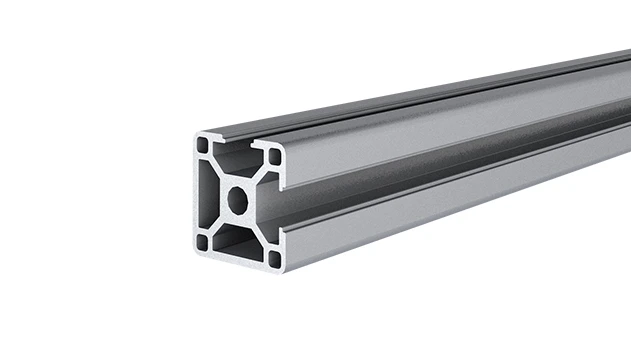
3030B EU Standard Aluminum Profile
3030 is a 3.00 x 3.00CM fractional 30 series square extrusion T-slot profile with two side open T-slots, each side with 3.00cm face, 2 side with open slot, 2 side with closed face. The profile has align-a-grooves to assist in aligning connecting profiles.
Walk into any industrial space where water, moisture, or humidity is a constant presence—think seafood processing plants, pharmaceutical cleanrooms, or outdoor loading docks—and you'll notice a silent battle unfolding. It's the battle against corrosion. Metal equipment rusts, wooden surfaces warp, and plastic components degrade, all while maintenance teams scramble to replace parts, repair damage, and keep operations running. But what if there was a material that could stand up to these harsh conditions without breaking a sweat? Enter the 3030b EU standard aluminum profile —a workhorse of industrial design that's quietly revolutionizing how we build in wet environments. Let's dive into why this unassuming aluminum extrusion has become the go-to choice for engineers, facility managers, and designers who refuse to let moisture dictate their equipment's lifespan.
First Things First: What Exactly Is 3030b EU Standard Aluminum Profile?
Before we unpack its corrosion-fighting superpowers, let's get to know the star of the show. The 3030b EU standard aluminum profile is part of a family of aluminum extrusion profiles engineered to meet strict European union standards for quality, safety, and performance. The "3030" in its name refers to its cross-sectional dimensions: 30mm by 30mm, making it a versatile middleweight in the world of industrial framing. The "b" denotes a specific design variant—typically with standardized T-slot grooves that run along its length, allowing for easy attachment of accessories like brackets, panels, or shelves. But what really sets it apart isn't just its size or shape; it's the meticulous manufacturing process and material science that go into every meter of this aluminum extrusion profile .
Unlike generic aluminum tubes, EU standard profiles undergo rigorous testing to ensure consistency. From the purity of the aluminum alloy (often a blend of aluminum, silicon, and magnesium for added strength) to the precision of the extrusion process, every step is calibrated to produce a profile that's straight, strong, and resistant to the kinds of stresses that come with daily use. And when we talk about "wet environments," this attention to detail becomes critical. Whether it's a pharmaceutical lab where surfaces are disinfected with chemical cleaners daily or a coastal warehouse where saltwater mist hangs in the air, the 3030b profile isn't just built to fit—it's built to last.
The Science of Staying Rust-Free: How 3030b Fights Corrosion
Corrosion is the enemy here, and it's a tricky one. In wet environments, water molecules react with metal surfaces, breaking them down over time. Steel, for example, forms iron oxide (rust) when exposed to moisture and oxygen—a process that weakens the material and leaves unsightly, flaky residue. But aluminum? It plays by different rules. When aluminum comes into contact with air, it forms a thin, invisible layer of aluminum oxide on its surface. This layer is just 0.00001mm thick, but it's incredibly dense and tightly bonded to the metal below. Think of it as a self-healing shield: if the surface gets scratched, the exposed aluminum immediately reacts with oxygen to form a new oxide layer, sealing the wound before corrosion can set in.
But the 3030b profile takes this natural defense a step further. Thanks to its EU-standard alloy composition, the oxide layer is more uniform and durable than that of cheaper, unalloyed aluminum. The addition of magnesium, for instance, enhances the profile's ability to resist pitting corrosion—those small, localized holes that can form in metals exposed to saltwater or acidic solutions. Silicon, another key alloying element, improves the extrusion process, ensuring the profile has a smooth, consistent surface that's less likely to trap moisture or contaminants. Together, these elements turn the 3030b into a corrosion-resistant champion, even in environments where other materials would falter.
To put this in perspective, let's consider a real-world scenario: a workbench in a commercial kitchen. Kitchens are brutal on equipment—steam from stovetops, spills from cleaning chemicals, and constant wiping with wet cloths. A steel workbench here might last a year before showing signs of rust, especially around bolts and joints. A plastic workbench might hold up initially, but over time, it could warp under heat or crack from heavy use. Now, a workbench built with 3030b aluminum profiles? Its oxide layer shrugs off moisture, while its structural strength handles the weight of pots, pans, and appliances. Even after years of daily exposure to water and chemicals, it remains smooth, strong, and free of rust.

3030b vs. the Competition: Why Aluminum Beats Steel, Plastic, and Wood
To truly appreciate the 3030b's value in wet environments, it helps to see how it stacks up against other common materials. Below is a comparison of key factors that matter most when choosing equipment for moisture-prone spaces:
| Material | Corrosion Resistance | Durability | Weight | Cost Over Time |
|---|---|---|---|---|
| 3030b Aluminum Profile | Excellent—resists rust, pitting, and chemical damage | High—maintains structural integrity for 10+ years | Lightweight—40% lighter than steel | Cost-effective—low maintenance, long lifespan reduces replacement costs |
| Steel | Poor—prone to rust without constant coating (e.g., paint, galvanization) | High initially, but degrades rapidly in wet environments | Heavy—requires more support structures | Expensive—frequent repainting/ replacement needed |
| Plastic | Good—resists moisture but vulnerable to UV damage and chemicals | Low—prone to warping, cracking, and deformation under heat/weight | Lightweight | Costly—short lifespan requires frequent replacement |
| Wood | Very poor—swells, rots, and harbors mold in wet conditions | Very low—needs regular sealing; may last 1–2 years in wet environments | Heavy when wet | Very expensive—high maintenance and replacement costs |
As the table shows, the 3030b aluminum profile isn't just better than the alternatives in one area—it excels across the board. Its lightweight nature also makes it easier to install and reconfigure, a boon for businesses that need flexible workspace setups. And because it doesn't require painting or coating to stay corrosion-free, it saves time and money on maintenance. For example, a warehouse using material rack b (3 row and 3 floor) built with 3030b profiles can focus on moving inventory, not repainting racks every six months.
Where 3030b Shines: Real-World Applications in Wet Environments
The 3030b's corrosion resistance isn't just a technical specification—it's a solution to real problems across industries. Let's explore a few sectors where this aluminum profile has become indispensable:
1. Food and Beverage Processing
Food processing facilities are governed by strict hygiene standards, which often mean daily washdowns with high-pressure hoses and sanitizing chemicals. Equipment here must withstand not just water, but also acids (from fruits, vinegar), alkalis (from detergents), and salt (from cured meats). 3030b profiles are used to build conveyors, worktables, and storage racks that can handle these conditions. For example, a conveyor system built with 3030b and compatible aluminum profile accessories (like corrosion-resistant brackets and rollers) ensures that food products move smoothly without contamination from rust or flaking paint.
2. Pharmaceutical Manufacturing
Pharmaceutical cleanrooms require sterile environments with controlled humidity levels. Even small amounts of corrosion could introduce particles into drug formulations, compromising product safety. 3030b profiles are ideal for building cleanroom shelving, material handling carts, and process equipment frames. Their smooth surfaces are easy to sanitize, while their corrosion resistance ensures they don't shed contaminants over time. Unlike steel, which might require frequent disassembly for deep cleaning (risking damage to coated surfaces), 3030b-based equipment can be wiped down in place, saving time and reducing downtime.
3. Marine and Coastal Industries
Saltwater is one of the most corrosive substances on the planet, thanks to its high chloride content. Coastal warehouses, boatyards, and port facilities need equipment that can stand up to salt spray and high humidity. 3030b profiles are used here to build everything from loading dock ramps to storage racks for fishing gear. A material rack b (3 row and 3 floor) in a coastal fish processing plant, for instance, stores crates of seafood without rusting, even when exposed to saltwater drips and ocean breezes. Over time, this reduces the need for costly replacements and keeps operations running smoothly.
4. Wastewater Treatment Plants
Wastewater treatment facilities are filled with chemicals, bacteria, and standing water—conditions that would destroy most metals. 3030b profiles find use in equipment like sampling stations, control panels, and pipe supports. Their resistance to chemical corrosion ensures that these components remain functional, even when exposed to sulfuric acid, chlorine, or other harsh treatment chemicals. Additionally, their lightweight design makes them easier to install in hard-to-reach areas, reducing labor costs during setup.
It's All in the Details: Aluminum Profile Accessories That Complement 3030b
A profile is only as good as the accessories that hold it together. In wet environments, even a single corroded bolt or bracket can compromise an entire structure. That's why 3030b systems are paired with aluminum profile accessories designed to match the profile's corrosion resistance. From end caps that seal the ends of profiles (preventing moisture from seeping inside) to stainless steel fasteners that resist rust, every component is engineered to work in harmony with the 3030b.
Take joint connectors, for example. Many aluminum profile systems use plastic or zinc-plated steel connectors, which can degrade in wet environments. But 3030b-compatible connectors are often made from anodized aluminum or stainless steel—materials that share the profile's resistance to corrosion. Anodization, a process that thickens the oxide layer on aluminum, adds an extra barrier against moisture, making these connectors even more durable. Similarly, caster wheels for mobile equipment (like trolleys or workbenches) are often made from non-marking, water-resistant rubber, ensuring they don't trap dirt or rust.
This attention to detail is what makes 3030b systems truly reliable in wet environments. It's not just the profile itself; it's the entire ecosystem of components working together to keep moisture out and durability in.
Why 3030b Is More Than a Profile—It's a Long-Term Investment
At the end of the day, choosing the right material for wet environments isn't just about avoiding rust. It's about reducing downtime, lowering maintenance costs, and ensuring safety and compliance. The 3030b EU standard aluminum profile checks all these boxes. Its non-corrosive properties, combined with its strength, lightweight design, and compatibility with durable accessories, make it a smart choice for any industry where moisture is a constant challenge.
Whether you're building a workbench in a kitchen, a material rack in a seafood plant, or a conveyor system in a pharmaceutical lab, the 3030b profile offers peace of mind. It's a material that doesn't just withstand the elements—it thrives in them. And in a world where equipment reliability is key to success, that's a value that can't be overstated.
So the next time you're faced with a project in a wet environment, ask yourself: What's the cost of choosing a material that might corrode? With 3030b, the answer is clear: it's an investment that pays off, year after year, in durability, safety, and performance.