- Company Articles
- Products and Technology
- Installation And Maintenance
- Nylon Swivel Roller Balls 1 Inch: Best Practices for Cleanroom Maintenance

Nylon Swivel Roller Balls 1 Inch: Best Practices for Cleanroom Maintenance
Related Product
Nylon Swivel Roller Balls 1 Inch
Rotation is smooth, unimpeded, and light, suitable for various scenes.The wheels are made of nylon, wide and thick to steer smoothly, has a good mute effect, and no damage to the bottom plate.
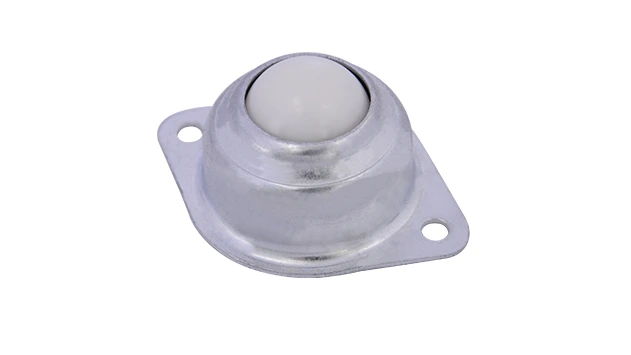
In the high-stakes world of cleanroom operations—where industries like semiconductor manufacturing, pharmaceuticals, and precision electronics rely on environments with near-zero particle contamination—every component, no matter how small, plays a starring role. Among these unsung heroes are
nylon swivel roller balls 1 inch
: unassuming, yet critical to keeping material flow smooth, efficient, and contamination-free. These tiny spheres, often integrated into
flow racks
,
roller tracks
, and even
esd workstations
, are the silent workhorses that ensure raw materials, components, and finished products glide seamlessly from one stage to the next without disrupting the cleanroom's delicate balance.
But here's the thing: even the most reliable components need care. A single malfunctioning roller ball can slow down production, introduce unwanted particles, or even compromise product quality. That's why understanding how to maintain these small but mighty tools isn't just a "nice-to-have"—it's essential for upholding the integrity of your cleanroom and the efficiency of your
lean system
. In this guide, we'll dive into everything you need to know about nylon swivel roller balls 1 inch, from their role in cleanroom workflows to step-by-step maintenance practices that will keep them performing at their best.
1. The Basics: What Are Nylon Swivel Roller Balls 1 Inch?
Before we jump into maintenance, let's start with the fundamentals. Nylon swivel roller balls 1 inch are small, spherical components typically made from high-grade nylon—a synthetic polymer prized for its unique blend of strength, flexibility, and chemical resistance. Unlike metal roller balls (which might scratch delicate surfaces or shed microscopic particles), nylon offers a softer touch that's gentle on sensitive materials like silicon wafers or pharmaceutical vials. The "1 inch" designation refers to their diameter, a common size chosen for its balance of load capacity and maneuverability, making it ideal for medium-weight material handling in tight cleanroom spaces.
What sets "swivel" roller balls apart? Their design allows 360-degree rotation, meaning they can adapt to movement from any direction. This flexibility is a game-changer in dynamic cleanroom setups, where materials might need to shift from a
flow rack
to a
workbench
or an
esd workstation
with minimal manual intervention. Imagine a technician needing to slide a tray of circuit boards from a roller track onto an ESD-safe workbench—nylon swivel roller balls ensure that transition is smooth, reducing the risk of static buildup (a critical concern in electronics manufacturing) and preventing jams that could disrupt the workflow.
Nylon's properties are what truly make these roller balls cleanroom stars. First, it's non-abrasive: no tiny metal shavings or plastic fragments flaking off into the air. Second, it's resistant to most cleaning agents, so you can sanitize them without worrying about degradation. Third, it operates quietly—important in environments where noise pollution can add to worker fatigue. And finally, it has low friction, which means less force is needed to move materials, aligning perfectly with
lean system
principles of minimizing waste (in this case, wasted energy and time).
2. Why Nylon? Comparing Materials for Cleanroom Use
You might be wondering: why nylon, and not stainless steel or rubber? Let's break down the pros and cons to understand why nylon is often the top choice for cleanroom roller balls:
- Stainless Steel: Durable and easy to clean, but heavy and prone to scratching. In a cleanroom, even a minor scratch on a steel ball can trap particles, turning it into a contamination hot spot. Plus, steel conducts electricity, which is a non-starter for esd workstations where static control is mandatory.
- Rubber: Quiet and non-marking, but rubber can degrade over time when exposed to cleaning chemicals or high humidity. It also has higher friction than nylon, making it less efficient for continuous movement.
- Nylon: The sweet spot. It's lightweight, non-conductive (safe for ESD zones), resistant to chemicals, and low-friction. Its smooth surface doesn't trap particles, and it's gentle enough for fragile materials. For 1-inch roller balls in flow racks or roller tracks , nylon checks all the boxes.

3. Integrating Nylon Swivel Roller Balls into Your Cleanroom Workflow
Now that we understand what these roller balls are and why they matter, let's look at how they fit into real-world cleanroom operations. Their versatility means you'll find them in a variety of setups, each contributing to a more efficient, compliant workspace:
Flow Racks and Roller Tracks
Perhaps the most common application is in flow racks —vertical or horizontal storage systems where materials "flow" from the back to the front via gravity or minimal force. Nylon swivel roller balls line the tracks of these racks, allowing boxes, trays, or bins to slide easily as items are removed from the front. This is a cornerstone of lean system design: it ensures first-in, first-out (FIFO) inventory management, reduces the need for manual lifting, and keeps work areas organized. For example, in a pharmaceutical cleanroom, a flow rack with nylon roller balls might hold vials waiting to be filled—each vial glides forward smoothly as the previous one is taken, minimizing human contact and contamination risk.
ESD Workstations
Electrostatic discharge (ESD) is the enemy of electronics manufacturing. An ESD event as small as 30 volts can damage a microchip, costing thousands of dollars in scrap. ESD workstations are designed to prevent this by grounding all surfaces and tools. Nylon swivel roller balls, when integrated into workstation surfaces or adjacent roller tracks, add an extra layer of protection: their non-conductive nature prevents static buildup, and their smooth movement reduces the friction that can generate static in the first place. A technician moving a PCB across a workstation with nylon roller balls can focus on assembly, not worrying about accidental static damage.
Workbenches and Material Transfer
Even standard workbenches can benefit from nylon swivel roller balls. Imagine a workbench where the top surface has embedded roller balls—this allows operators to reposition heavy equipment or large material trays with minimal effort, reducing strain and speeding up tasks. In cleanrooms where space is limited, this flexibility is invaluable: a single workbench can transition from assembly to inspection to packaging, all with the help of smoothly moving roller balls.
Turnover Trolleys and Racks
Though not explicitly listed in our keywords, turnover trolleys (used to transport materials between cleanroom zones) often use nylon roller balls in their base or shelves. This ensures that when loading or unloading, materials slide on and off the trolley without catching, keeping the process efficient and contamination-free.

4. Maintenance Best Practices: Keeping Your Roller Balls in Top Shape
Now, let's get to the heart of the matter: maintenance. Even the best nylon swivel roller balls will underperform if neglected. The good news? With a consistent routine, you can extend their lifespan, reduce downtime, and maintain cleanroom compliance. Below is a detailed guide to maintenance tasks, organized by frequency, along with a handy table to keep you on track.
| Task | Frequency | Tools Needed | Step-by-Step Process |
|---|---|---|---|
| Visual Inspection | Daily | Flashlight, lint-free cloth |
1. Check for visible debris (dust, hair, or material residue) around the roller balls.
2. Spin each ball manually to ensure smooth rotation—no sticking or grinding. 3. Look for cracks, discoloration, or deformation (signs of wear). 4. Wipe away surface dust with a dry lint-free cloth. |
| Deep Cleaning | Weekly | Isopropyl alcohol (70%), lint-free wipes, soft-bristled brush (nylon) |
1. Remove the roller balls from their housing (if removable) or cover adjacent areas to prevent cleaning solution from spreading.
2. Dampen a lint-free wipe with isopropyl alcohol and gently wipe each ball, rotating it to clean all sides. 3. Use a soft-bristled brush to dislodge any trapped debris in the ball's mounting socket. 4. Let air-dry completely before reinstalling (no heat—nylon can warp). |
| Lubrication | Monthly (or as needed) | PTFE-based lubricant (food-grade for pharmaceutical cleanrooms), precision oiler |
1. Apply 1-2 drops of lubricant to the ball's swivel mechanism (avoid getting lubricant on the ball itself—this can attract dust).
2. Rotate the ball several times to distribute the lubricant evenly. 3. Wipe away excess lubricant with a lint-free cloth to prevent buildup. |
| Replacement Assessment | Quarterly | Calipers (to check diameter wear), load test kit (optional) |
1. Measure the diameter of 5-10 roller balls—if they're worn down by 0.5mm or more, replace the set.
2. Perform a load test: place a standard weight on the roller track and observe movement—sluggishness indicates worn balls. 3. Check for consistent rotation across all balls—if some spin faster/slower than others, replace the outliers. |
Pro Tips for Maintenance Success
- Stick to a Schedule: Set calendar reminders for weekly cleanings and monthly lubrication—consistency beats occasional deep cleans.
- Train Your Team: Ensure all cleanroom staff know how to spot early signs of wear (sticking, noise, discoloration) and report them immediately.
- Use the Right Tools: Never use abrasive sponges or harsh chemicals (like bleach) on nylon roller balls—they'll degrade the material over time.
- Keep Spare Balls On Hand: Having a stock of replacement nylon swivel roller balls 1 inch means you can swap out a damaged one immediately, avoiding downtime.
5. Troubleshooting Common Issues
Even with regular maintenance, problems can pop up. Here's how to diagnose and fix the most common issues with nylon swivel roller balls:
Issue: Roller Balls Are Sticking or Jamming
Causes:
Debris buildup in the swivel mechanism, dried-out lubricant, or misalignment of the roller track.
Solution:
Start with a deep clean (see weekly cleaning steps). If that doesn't work, check the track alignment—use a level to ensure it's straight. If misaligned, adjust the track brackets. If the problem persists, lubricate the swivel mechanism.
Issue: Excessive Noise During Movement
Causes:
Worn swivel joints, uneven wear across roller balls, or foreign objects (like a loose screw) in the track.
Solution:
Inspect the track for loose parts and tighten them. If noise continues, check individual roller balls—replace any that rattle or grind when spun.
Issue: Particles on Roller Balls After Cleaning
Causes:
Using non-lint-free cloths, or cleaning in a non-cleanroom environment (e.g., taking roller balls to a breakroom to clean).
Solution:
Always clean roller balls within the cleanroom or a designated ISO 7/8 prep area. Use only certified cleanroom wipes and alcohol.
Issue: Static Buildup on Materials Moving Over Roller Balls
Causes:
Dry air in the cleanroom, or using non-ESD nylon roller balls in an
esd workstation
area.
Solution:
Increase humidity to 40-60% (ideal for static control). If using standard nylon, switch to ESD-compliant nylon roller balls (look for "ESD-safe" in the specs).
6. The Impact of Well-Maintained Roller Balls on Your Lean System
At this point, you might be thinking, "This is a lot of effort for tiny roller balls." But here's the truth: in a
lean system
, every inefficiency adds up. A single sticking roller ball can slow down material flow, leading to bottlenecks. A worn ball might cause a tray to tip, spilling components and requiring a time-consuming cleanup. And contamination from a degraded roller ball could result in product recalls or failed inspections—costing far more than the price of a replacement set.
Consider this real-world example: a semiconductor manufacturer implemented the maintenance schedule outlined above for their nylon swivel roller balls in
flow racks
and
roller tracks
. Within six months, they reported a 23% reduction in material handling time, a 40% drop in ESD-related defects, and a 15% decrease in cleanroom particle counts. Why? Because smooth, reliable roller balls meant less manual intervention, fewer disruptions, and a more consistent workflow—all hallmarks of a well-executed
lean system
.
Lean isn't just about big-picture processes; it's about optimizing the small details that keep the entire operation running like a well-oiled machine. Nylon swivel roller balls 1 inch might be small, but their role in reducing waste (time, effort, materials) is enormous. By investing in their maintenance, you're investing in the foundation of your cleanroom's success.
7. Conclusion: Small Components, Big Results
Cleanroom maintenance is often a game of inches—literally, in the case of nylon swivel roller balls 1 inch. These unassuming components are the backbone of material handling in environments where precision and compliance are non-negotiable. From
flow racks
to
esd workstations
, they ensure that materials move smoothly, safely, and contamination-free, supporting your
lean system
goals and protecting your bottom line.
By following the maintenance best practices outlined here—sticking to a schedule, using the right tools, and troubleshooting proactively—you can extend the life of your roller balls, reduce downtime, and maintain the strict standards your cleanroom demands. Remember: in cleanroom operations, the smallest details often make the biggest difference. So take the time to care for your nylon swivel roller balls—your team, your products, and your
lean system
will thank you.