- Company Articles
- Products and Technology
- Procurement Guidelines
- Nylon Swivel Roller Balls 1 Inch: Buying Guide for Manufacturers

Nylon Swivel Roller Balls 1 Inch: Buying Guide for Manufacturers
Related Product
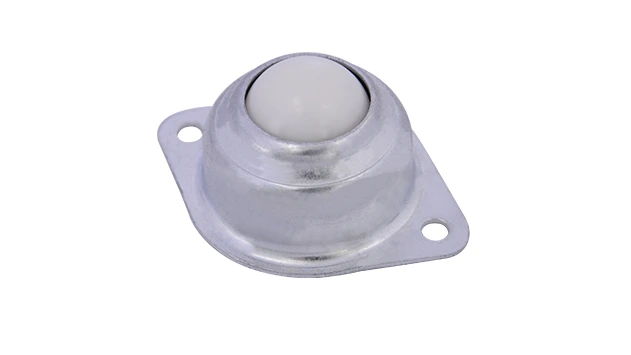
Nylon Swivel Roller Balls 1 Inch
Rotation is smooth, unimpeded, and light, suitable for various scenes.The wheels are made of nylon, wide and thick to steer smoothly, has a good mute effect, and no damage to the bottom plate.
If you've ever walked through a busy manufacturing floor, you've probably seen them—those small, unassuming components that keep materials gliding smoothly from one station to the next. They're easy to overlook, but when they fail, the whole line can grind to a halt. We're talking about nylon swivel roller balls 1 inch—the unsung heroes of material handling. As a manufacturer, you know that efficiency isn't just about big machinery; it's about the tiny details that make workflows seamless. Whether you're setting up a new flow rack, upgrading a lean pipe workbench, or optimizing a conveyor system, choosing the right roller balls can mean the difference between a productive day and a frustrating one. This guide is here to help you cut through the noise, understand what matters most, and make a purchase that keeps your production line moving—literally.
Understanding Nylon Swivel Roller Balls 1 Inch: More Than Just a "Ball"
Let's start with the basics: What exactly are nylon swivel roller balls 1 inch, and why should you care? At first glance, they might look like simple plastic spheres, but there's more to them than meets the eye. These small components are designed to rotate 360 degrees within a housing, allowing materials—whether it's a circuit board, a packaged product, or a heavy component—to slide or glide over a surface with minimal friction. The "1 inch" refers to their diameter, a common size for industrial applications where balance between load capacity and precision is key.
Nylon, the material here, is no accident. Unlike steel or other metals, nylon offers a unique blend of strength, flexibility, and cost-effectiveness that makes it ideal for manufacturing environments. It's lightweight, resistant to corrosion (a big plus in damp or chemical-exposed areas), and quiet—something your workers will thank you for during long shifts. But not all nylon roller balls are created equal. The best ones are made from high-grade nylon, often reinforced with additives to boost durability or heat resistance, ensuring they hold up under the daily grind of a production floor.
So where do these roller balls fit into your operations? You'll find them in a variety of setups: embedded in the surface of a lean pipe workbench to let operators slide parts easily, lining the tracks of a flow rack to enable gravity-fed material movement, or integrated into roller tracks that feed into conveyor systems. Their versatility is part of their appeal—they adapt to different workflows, making them a staple in lean manufacturing, where reducing waste and improving flow are top priorities.
Key Features to Evaluate Before You Buy: Don't Settle for "Good Enough"
When you're scrolling through supplier catalogs or chatting with sales reps, it's easy to get overwhelmed by specs. But as a manufacturer, you need to focus on the features that directly impact your bottom line: reliability, performance, and longevity. Here's what to keep an eye on:
1. Load Capacity: Know Your Limits
First and foremost: How much weight can these roller balls handle? It might seem obvious, but underestimating load capacity is one of the most common mistakes manufacturers make. A nylon swivel roller ball 1 inch might be rated for 50 lbs per ball, but if you're sliding a 200-lb crate over a surface with 4 balls, that's 50 lbs per ball—right at the limit. Factor in dynamic loads (when materials are moving, not just sitting) and sudden impacts (like a worker accidentally dropping a part), and you'll want to leave a buffer. Look for suppliers that provide clear load ratings, ideally tested under real-world conditions, not just lab settings.
2. Swivel Smoothness: No Sticking Allowed
Ever tried pushing a box over a surface where some roller balls stick? It's frustrating, slows down work, and can even damage delicate parts. The swivel mechanism is what makes these balls "swivel," and it needs to be smooth—no jerks, no resistance. High-quality roller balls use precision bearings or a well-lubricated housing to ensure 360-degree rotation without hitches. When evaluating samples, give them a test: place a small weight on top and slide it across a flat surface. It should move effortlessly, with the balls rotating uniformly. If you feel any "catching," that's a red flag.
3. Material Quality: Not All Nylon Is Created Equal
We mentioned nylon earlier, but let's dig deeper. Nylon comes in different grades, and the type used in your roller balls matters. For example, nylon 6 is strong and rigid but can be brittle in cold temperatures, while nylon 6/6 offers better impact resistance and heat tolerance. Some manufacturers add glass fibers to strength, or molybdenum disulfide for self-lubrication. Ask suppliers about the specific nylon grade they use and why it's suited for manufacturing environments. Avoid generic "nylon" claims—you want details.
4. Temperature and Chemical Resistance: Match the Environment
Your factory floor isn't a controlled lab. Maybe your facility runs hot, with temperatures soaring near 100°F in the summer. Or perhaps you work with oils, solvents, or cleaning agents that could degrade plastic over time. Nylon swivel roller balls 1 inch are generally resistant to most common chemicals, but prolonged exposure to harsh substances (like strong acids) can cause them to weaken. Similarly, extreme heat can make nylon soft, while extreme cold can make it brittle. Check the supplier's specs for temperature ranges (look for -40°F to 200°F as a good baseline) and chemical resistance charts. If your environment is tough, don't skimp on this.
5. Noise Level: Keep the Peace (and Productivity)
It's a small thing, but noise adds up. A production floor with clanging metal roller balls can be distracting, leading to fatigue and even mistakes. Nylon's natural dampening properties make it quieter than steel, but the design matters too. Poorly fitting balls or rough housing can create extra noise as they rotate. When testing samples, listen closely—you should hear a soft, consistent hum, not squeaks or rattles. Your workers (and their concentration levels) will thank you.

Matching Roller Balls to Your Production Setup: It's All About Context
Not every nylon swivel roller ball 1 inch is right for every job. The key is to match the roller balls to how you'll actually use them. Let's break down the most common setups manufacturers use, and what to look for in each case.
Flow Racks: Gravity-Fed Efficiency
Flow racks are a staple in warehouses and manufacturing facilities for storing and retrieving materials. They use gravity to move products from the back (loading end) to the front (picking end), and nylon swivel roller balls 1 inch are often the secret to making this work smoothly. In flow racks, the roller balls are typically mounted in a track or a series of plates, angled slightly downward. Here, load capacity and smooth rotation are critical—you don't want boxes getting stuck halfway, causing jams. Look for roller balls with a low profile (to keep the track height minimal) and a wide contact surface (to distribute weight evenly across the ball). Also, consider the spacing between balls: too far apart, and small items might tip; too close, and you're wasting money on unnecessary components.
Pro Tip: For flow racks storing irregularly shaped items, opt for roller balls with a slightly textured surface. It adds just enough grip to prevent slipping without sacrificing smooth movement.
Lean Pipe Workbenches: Where Precision Meets Practicality
Lean pipe workbenches are all about customization—building workstations that adapt to your team's needs. Many manufacturers add roller balls to sections of these workbenches to create "slide zones," where parts can be passed from one worker to another or moved onto a conveyor. In this setting, the roller balls need to handle lighter loads (compared to flow racks) but require even more precision. Workers might be sliding delicate components, like circuit boards or small mechanical parts, so the risk of scratching is real. Nylon's smooth surface is gentler than steel, reducing the chance of marring products. Look for roller balls with a polished finish and ensure they're flush with the workbench surface—no raised edges that could catch on materials.
Conveyor Systems: Keeping the Line Moving
Conveyors are the backbone of many manufacturing processes, and roller tracks (the rails that guide products along the conveyor) often rely on swivel roller balls to reduce friction. In conveyor systems, the roller balls might be part of a larger roller track setup, working alongside wheels or belts to move items. Here, durability is key—conveyors run for hours on end, so the roller balls need to withstand constant use without wearing down. Heat resistance also comes into play if the conveyor is near ovens or other hot equipment. For ESD (electrostatic discharge) sensitive environments (like electronics manufacturing), some suppliers offer ESD-safe nylon roller balls, which prevent static buildup that could damage components. If your line handles sensitive parts, ask about this feature.
| Application | Key Considerations | Recommended Features |
|---|---|---|
| Flow Racks | Medium to heavy loads, gravity-fed movement | High load capacity (50+ lbs/ball), wide contact surface, low profile |
| Lean Pipe Workbenches | Light to medium loads, precision handling, scratch resistance | Polished finish, flush mounting, smooth rotation |
| Conveyor Systems | Continuous use, heat/chemical exposure (possible), ESD sensitivity (possible) | Durable nylon grade, heat resistance (-40°F to 200°F), ESD-safe options |

Material Matters: Why Nylon? (And When to Consider Alternatives)
By now, you might be wondering: Why nylon? Why not steel, plastic, or another material? Let's break down the pros and cons of nylon swivel roller balls 1 inch compared to common alternatives, so you can feel confident you're choosing the right material for your needs.
Nylon vs. Steel Roller Balls
Steel roller balls are strong—there's no denying that. They can handle heavier loads and are more resistant to wear in high-friction environments. But they come with downsides: they're noisy, prone to rust (unless stainless steel, which is pricier), and can scratch delicate products. Nylon, on the other hand, is lighter, quieter, and gentler on materials. It's also corrosion-resistant by nature, making it better for damp or humid facilities. So when should you choose steel over nylon? If you're dealing with extremely heavy loads (over 100 lbs per ball) or abrasive materials that would wear down nylon quickly, steel might be necessary. But for most general manufacturing applications—flow racks, lean pipe workbenches, standard conveyors—nylon offers a better balance of performance and cost.
Nylon vs. Generic Plastic Roller Balls
You might see "plastic roller balls" on the market for a fraction of the cost of nylon. But beware—these are often made from low-grade plastics like polyethylene or polypropylene, which lack nylon's strength and durability. Generic plastic balls can crack under moderate loads, warp in heat, or become brittle over time. Nylon, especially high-grade variants, is engineered to withstand the rigors of manufacturing. It's more impact-resistant, has better wear properties, and maintains its shape in temperature fluctuations. The extra cost for nylon is worth it to avoid frequent replacements and downtime.
When Nylon Is the Clear Winner
In short, nylon swivel roller balls 1 inch shine in scenarios where you need:
- A balance of strength and gentleness (to protect products).
- Quiet operation (to keep the workspace peaceful).
- Resistance to corrosion or chemicals (common in many factories).
- Cost-effectiveness (nylon is often more affordable than stainless steel but more durable than generic plastic).
Unless your application demands extreme loads or abrasion resistance, nylon is likely the way to go.
How to Choose a Reliable Supplier: Beyond the Price Tag
You've nailed down the specs—now it's time to find a supplier who can deliver. But with so many options online, how do you separate the reliable partners from the fly-by-night operations? As a manufacturer, your supplier relationships are just as critical as the components you buy. Here's what to look for:
1. Transparency in Specs and Testing
A good supplier doesn't hide behind vague claims. They should be able to provide detailed specs for their nylon swivel roller balls 1 inch, including load capacity, material grade, temperature range, and testing data. If a supplier can't tell you the specific nylon grade or how they tested load capacity, that's a red flag. Ask for certificates or third-party test reports—reputable manufacturers invest in testing to back up their claims.
2. Bulk Availability and Lead Times
Manufacturing runs don't wait, and neither should your components. If you need 500 roller balls for a new flow rack installation, you can't afford to wait 8 weeks for delivery. Look for suppliers with a track record of keeping stock and offering reasonable lead times (2–4 weeks is standard for bulk orders). Some suppliers even offer rush options for situations. Also, ask about minimum order quantities (MOQs). If you only need a small batch for repairs, a supplier with high MOQs might not be the best fit.
3. After-Sales Support: What Happens If Something Goes Wrong?
Even the best components can fail, and when they do, you need a supplier who stands behind their product. Ask about their return policy: Do they offer replacements for defective parts? What's the process for filing a claim? A supplier who avoids these questions or makes you jump through hoops is not worth the hassle. Look for companies that offer a warranty (at least 1 year is standard) and have a responsive customer service team—preferably with a dedicated account manager for bulk buyers.
4. Industry Experience
Suppliers who specialize in material handling components (like roller balls, flow racks, or lean pipe workbenches) are more likely to understand your needs than a generalist. They'll know the common pain points in manufacturing and can offer advice on which roller balls work best for specific setups. Check their website for case studies or testimonials from other manufacturers—this can give you insight into how they operate and whether they've worked with businesses like yours.
Pro Tip: Order a small sample batch before committing to a bulk purchase. Test the roller balls in your actual production environment—simulate loads, temperatures, and usage patterns. It's better to spend $50 on samples than $5,000 on a batch that doesn't work.
Installation and Maintenance: Making Your Roller Balls Last
You've chosen the right roller balls and a reliable supplier—now it's time to install them and keep them running smoothly. Proper installation and maintenance can extend their lifespan by years, saving you money in replacements. Here's how:
Installation: Get It Right the First Time
Even the best roller balls won't perform if they're installed poorly. Start by cleaning the mounting surface—dust, debris, or old adhesive can create unevenness, leading to wobbly or stuck balls. Follow the supplier's guidelines for spacing and mounting hardware; using the wrong screws or brackets can damage the roller ball housing or the mounting surface (like a lean pipe workbench). For flow racks or conveyor systems, ensure the track is level or angled correctly—too steep, and materials might slide too fast; not steep enough, and they'll stall. If you're unsure, ask the supplier for installation guides or even on-site support (some offer this for large orders).
Maintenance: Simple Steps for Longevity
Nylon swivel roller balls 1 inch are low-maintenance, but they're not no-maintenance. Here's what you need to do:
- Clean regularly: Wipe down the roller balls and their housings with a damp cloth to remove dust, oil, or debris. For heavy buildup, use a mild detergent (avoid harsh chemicals that could degrade the nylon).
- Lubricate sparingly: Most nylon roller balls come pre-lubricated, but over time, the lubricant can dry out. Use a light machine oil or silicone spray (check with the supplier for recommendations) and apply a small amount to the housing every 3–6 months, depending on usage.
- Inspect for wear: Every month, check for signs of damage—cracks in the nylon, loose housings, or balls that don't rotate smoothly. replace worn or damaged roller balls immediately to prevent jams or damage to materials.
Signs It's Time to replace
Even with good maintenance, roller balls will eventually wear out. Watch for these red flags:
- Balls that stick or rotate unevenly.
- Cracks, chips, or discoloration in the nylon.
- Excessive noise during operation (more than usual).
- Materials sliding slower than before, even with cleaning and lubrication.
Replacing them proactively is cheaper than dealing with a production line shutdown.
Common Mistakes Manufacturers Make (and How to Avoid Them)
Even seasoned manufacturers can slip up when buying small components like roller balls. Here are the most common mistakes and how to steer clear of them:
Mistake #1: Prioritizing Price Over Quality
It's tempting to go for the cheapest option, but "budget" roller balls often mean lower-grade nylon, poor swivel mechanisms, or untested load capacities. These might save you money upfront, but they'll cost you more in replacements, downtime, and frustrated workers. Invest in mid-to-high-grade roller balls—they'll pay for themselves in longevity.
Mistake #2: Ignoring Environmental Factors
Buying standard roller balls for a high-heat or chemical-exposed environment is a recipe for failure. Always factor in your facility's conditions—temperature, humidity, and exposure to substances like oil or cleaning agents—when choosing roller balls. If in doubt, ask the supplier for recommendations.
Mistake #3: Overlooking Compatibility
Not all roller balls fit all mounting systems. If you're retrofitting an existing flow rack or lean pipe workbench, check the mounting hole size, spacing, and housing dimensions before buying. A 1-inch roller ball might sound right, but if the housing diameter is too big or small for your setup, it won't work.
Mistake #4: Skipping the Sample Test
Assuming the roller balls will work based on specs alone is risky. Real-world conditions can reveal issues specs don't mention—like how the balls perform with your specific materials or under your facility's temperature fluctuations. Always test samples first.
Conclusion: Small Component, Big Impact
Nylon swivel roller balls 1 inch might not be the most glamorous part of your manufacturing process, but they're undeniably essential. They keep materials moving, workers efficient, and production lines on track. By focusing on key features like load capacity, material quality, and compatibility with your setup (whether it's a flow rack, lean pipe workbench, or conveyor system), you can choose roller balls that enhance your operations rather than hinder them. Remember, the best buying decisions are informed ones—take the time to test samples, vet suppliers, and consider your unique environment. With the right roller balls in place, you'll wonder how you ever managed without them.