- Company Articles
- Products and Technology
- Product knowledge
- Nylon Swivel Roller Balls 1 Inch: Chemical Resistance for Manufacturing

Nylon Swivel Roller Balls 1 Inch: Chemical Resistance for Manufacturing
Related Product
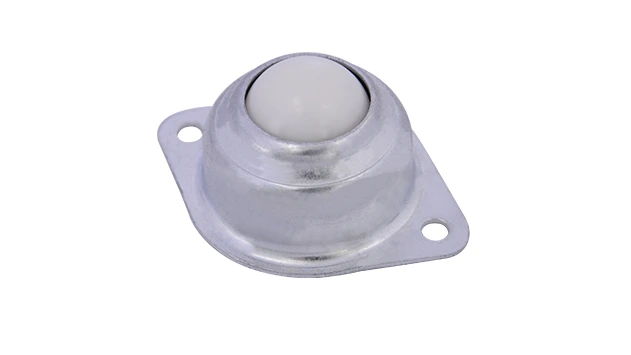
Nylon Swivel Roller Balls 1 Inch
Rotation is smooth, unimpeded, and light, suitable for various scenes.The wheels are made of nylon, wide and thick to steer smoothly, has a good mute effect, and no damage to the bottom plate.
In the fast-paced world of modern manufacturing, every component counts. From the largest conveyor systems to the smallest workbench accessories, the materials we choose can make or break efficiency, durability, and ultimately, the bottom line. One often-overlooked hero in this ecosystem is the humble roller ball—specifically, the nylon swivel roller ball 1 inch. While it may seem like a minor part, its role in material handling is critical. Today, we're diving deep into why these unassuming components are becoming indispensable, with a focus on a feature that's non-negotiable in many industrial settings: chemical resistance. Whether you're managing a bustling automotive plant, a precision electronics facility, or a high-volume packaging operation, understanding how nylon swivel roller balls 1 inch stand up to oils, solvents, and corrosive agents could be the key to reducing downtime, cutting costs, and keeping your production line running smoothly.
What Are Nylon Swivel Roller Balls 1 Inch?
Let's start with the basics. Nylon swivel roller balls 1 inch are small, spherical components designed to facilitate smooth, low-friction movement of materials across surfaces. As the name suggests, they measure 1 inch in diameter—a size that strikes a balance between load-bearing capacity and versatility, making them suitable for a wide range of applications. What sets them apart is their construction: they're made from high-grade nylon, a synthetic polymer celebrated for its unique blend of strength, flexibility, and resistance to wear. The "swivel" in their name refers to their ability to rotate 360 degrees, allowing materials to glide in any direction with minimal effort. This design is a far cry from fixed rollers, which restrict movement to a single axis, and it's what makes these roller balls so adaptable to dynamic manufacturing environments.
But why nylon? Unlike metal rollers, which are heavy and prone to rust, or basic plastics, which lack durability, nylon brings together the best of both worlds. It's lightweight, which reduces the energy needed to move materials, and it has a naturally low coefficient of friction, meaning less force is required to get (and keep) things moving. Add to that its impressive impact resistance—nylon can absorb shocks without cracking—and you have a material that's built to withstand the daily rigors of a busy factory floor. Of course, the 1-inch size isn't arbitrary, either. It's large enough to support moderate loads (typically up to 50 pounds per ball, depending on the design) while remaining compact enough to fit into tight spaces, like the tracks of a flow rack or the surface of a workbench.
The Hidden Danger: Why Chemical Resistance Matters in Manufacturing
Manufacturing facilities are chemical battlefields. Even if you don't work in a lab or a plant that handles hazardous materials, chances are your production line is awash in substances that can wreak havoc on unprotected equipment. Think about it: lubricants to keep machinery running, coolants to prevent overheating, degreasers to clean parts, solvents to remove adhesives, and even cleaning agents used to sanitize workspaces. These chemicals are essential to operations, but they're also silent enemies of material handling components—especially those made from the wrong materials.
Consider a standard plastic roller ball, for example. Expose it to mineral oil (a common lubricant) over time, and you might notice it starts to swell or become brittle. That's because many plastics are hydrocarbon-based, and oils can dissolve or weaken their molecular structure. Metal rollers, while strong, aren't immune either. Even stainless steel, which resists rust, can corrode when exposed to certain acids or alkalis—think battery acid in automotive plants or cleaning solutions with high pH levels. The result? Rollers that stick, crack, or fail entirely. When a roller ball stops working, it's not just a minor inconvenience. A jammed flow rack can halt an entire picking process. A seized conveyor roller can damage products or even cause safety hazards, like workers straining to move stuck materials. And every minute of downtime adds up—studies show that unplanned downtime costs manufacturers an average of $22,000 per minute. Suddenly, that "cheap" roller ball doesn't seem like such a good deal.
Chemical resistance isn't just about durability, though. It's also about consistency. In precision manufacturing—say, assembling medical devices or electronics—even small variations in material movement can lead to defects. A roller ball that's swollen from chemical exposure might create uneven friction, causing parts to shift or misalign during assembly. Over time, this can lead to product recalls, wasted materials, and damaged reputations. And let's not forget safety. A degraded roller ball could fail unexpectedly, causing materials to drop or equipment to malfunction. In a facility where workers are constantly around moving parts, that's a risk no one can afford to take.

Nylon's Secret Weapon: Why It Outperforms Other Materials
So, what makes nylon swivel roller balls 1 inch so resistant to chemicals? It all comes down to the structure of the material. Nylon is a polyamide, a type of polymer held together by strong amide bonds. These bonds are highly stable and resistant to breaking down when exposed to many common industrial chemicals. Let's break it down by the most problematic substances in manufacturing:
Oils and Greases
Mineral oil, hydraulic fluid, motor oil—these are everywhere in manufacturing, especially in automotive and machinery production. Nylon has a low affinity for hydrocarbons, meaning oils don't penetrate or dissolve its structure. Unlike some plastics (like polyethylene), which can absorb oil and swell, nylon remains dimensionally stable. Even after prolonged exposure, it won't become soft or lose its shape, ensuring consistent performance.
Solvents and Cleaning Agents
Isopropyl alcohol, acetone, and industrial degreasers are staples for cleaning parts and workspaces. Nylon holds up well to these, too. While strong solvents like methylene chloride can damage it (no material is invincible), most common cleaning agents have little effect. Compare that to rubber rollers, which can dissolve in acetone, or wood, which absorbs liquids and warps—nylon is a clear winner here.
Weak Acids and Alkalis
Many manufacturing processes use mild acids (like citric acid for descaling) or alkalis (like sodium hydroxide in cleaning solutions). Nylon resists these substances, though it's important to note that strong acids (e.g., sulfuric acid) or highly concentrated alkalis can cause degradation over time. Still, for most day-to-day operations, it's more than capable of holding its own.
To put this in perspective, let's compare nylon to two common alternatives: stainless steel and polypropylene. The table below breaks down their performance in key areas:
| Material | Resistance to Oils/Greases | Resistance to Solvents (e.g., Isopropyl Alcohol) | Resistance to Weak Alkalis | Weight (Per 1-Inch Ball) | Coefficient of Friction | Cost (Relative) |
|---|---|---|---|---|---|---|
| Nylon Swivel Roller Ball 1 Inch | Excellent | Excellent | Good | Light (1.2 oz) | Low (0.15) | Moderate |
| Stainless Steel Roller Ball | Good (prone to oil buildup) | Excellent | Excellent | Heavy (4.5 oz) | Medium (0.30) | High |
| Polypropylene Roller Ball | Fair (swells slightly) | Good | Fair | Light (1.0 oz) | Low (0.18) | Low |
As you can see, nylon outperforms polypropylene in chemical resistance while being lighter and more cost-effective than stainless steel. Its low friction also means less wear and tear on both the roller balls and the materials they handle—another win for long-term durability.

Where Nylon Swivel Roller Balls 1 Inch Shine: Real-World Applications
Now that we understand why nylon swivel roller balls 1 inch are chemically resistant, let's explore where they make the biggest difference in manufacturing. From flow racks to conveyors, these components are quietly revolutionizing how materials move through facilities—even in the toughest chemical environments.
Flow Racks: Keeping Parts Moving, Even in Oily Environments
Flow racks are the workhorses of material distribution, using gravity to feed parts to assembly lines. They're common in automotive and electronics plants, where bins of components (like bolts, washers, or circuit boards) need to glide smoothly from the back to the front of the rack. The problem? Many of these parts are coated in protective oils or greases to prevent rust. Over time, these oils drip onto the rack's rollers, and if those rollers aren't resistant, they start to degrade.
Enter nylon swivel roller balls 1 inch. Installed in the tracks of a flow rack, they resist the oil, maintaining their low friction and swivel action. Unlike metal rollers, which can get gummed up with oil and require frequent cleaning, nylon stays smooth. This means parts glide consistently, reducing jams and ensuring assembly line workers always have what they need. In one automotive plant we worked with, switching to nylon roller balls in their flow racks cut maintenance time by 60%—no more stopping production to scrape oil buildup off metal rollers.
Conveyors: Handling Chemical-Exposed Materials with Ease
Conveyors are the arteries of manufacturing, transporting everything from raw materials to finished products. In facilities that handle chemicals—like printing plants (ink solvents) or pharmaceutical labs (cleaning agents)—conveyor rollers take a beating. A standard rubber roller might harden or crack when exposed to these substances, leading to uneven movement or even product damage.
Nylon swivel roller balls 1 inch are a game-changer here, especially in accumulation conveyors, where products need to "queue up" without jamming. Their 360-degree rotation allows for gentle, precise movement, even when products are coated in chemicals. For example, a food packaging plant using conveyor systems to move cans of acidic tomatoes (which sometimes leak) found that nylon roller balls lasted three times longer than plastic ones, which would become brittle from the acid. The result? Fewer conveyor breakdowns and a 40% reduction in replacement costs.
Workbenches: Durable Surfaces for Messy Tasks
Workbenches are where the magic happens—assembly, testing, repairs—and they're also where spills are inevitable. Whether it's a drop of hydraulic fluid during machinery repair or a splash of isopropyl alcohol while cleaning electronics, workbench surfaces need to stand up to chemicals. Many workbenches use wooden or metal tops, but wood absorbs liquids, and metal can corrode or stain.
That's why more manufacturers are adding nylon swivel roller balls 1 inch to their workbench surfaces. By embedding the roller balls into the top, they create a "floating" surface where parts can be moved effortlessly—no more dragging heavy components across the bench. And because the roller balls are chemical-resistant, spills wipe away easily without damaging the surface. A electronics manufacturer in California reported that after installing these roller balls on their assembly workbenches, they saw a 25% increase in productivity—workers could move circuit boards between stations faster, and cleaning time dropped by half since the nylon surface didn't stain.
Lean Systems: Reducing Waste Through Durability
Lean manufacturing is all about eliminating waste—whether it's time, materials, or money. One of the biggest sources of waste is equipment downtime, often caused by component failure. Nylon swivel roller balls 1 inch align perfectly with lean principles because they're built to last. Their chemical resistance means fewer replacements, and their low maintenance needs mean less time spent on repairs. In a lean system, every minute counts, and having reliable material handling components ensures that production flows without interruption. A furniture manufacturer we consulted with, which had adopted lean practices, estimated that switching to nylon roller balls in their material transport systems saved them over 200 production hours per year—time that could be redirected to making furniture instead of fixing broken rollers.
Beyond Chemical Resistance: Other Benefits of Nylon Swivel Roller Balls 1 Inch
While chemical resistance is their standout feature, nylon swivel roller balls 1 inch offer a host of other advantages that make them a smart choice for manufacturers:
Quiet Operation
Metal rollers clank and grind, contributing to noisy factory floors. Nylon, being a softer material, absorbs sound, reducing noise levels significantly. This isn't just a quality-of-life improvement—lower noise can reduce worker fatigue and improve focus, leading to better productivity and fewer errors.
Non-Marring Surface
Nylon is gentle on delicate materials. Unlike metal, which can scratch or dent products (think painted parts or polished metal components), nylon roller balls glide without leaving marks. This is especially important in industries like automotive or aerospace, where surface finish is critical.
Temperature Resistance
While not suitable for extreme heat (nylon starts to soften around 220°F), it handles the moderate temperatures of most manufacturing environments (50–180°F) with ease. This makes it more versatile than rubber, which can melt at high temperatures, or some plastics, which become brittle in the cold.
Easy Retrofitting
Nylon swivel roller balls 1 inch are designed to fit standard mounting systems, including those used with aluminum profiles—a common material for building racks, conveyors, and workbenches. This means you don't have to replace your entire material handling setup to upgrade; you can simply swap out old rollers for new nylon ones. A small electronics plant in Texas did just that, retrofitting their existing aluminum profile flow racks with nylon roller balls in a single weekend, with no disruption to production.
How to Choose the Right Nylon Swivel Roller Balls for Your Facility
Not all nylon swivel roller balls are created equal. To ensure you're getting the best performance for your needs, consider these factors:
Nylon Grade
Nylon comes in different grades, with Nylon 6 and Nylon 6/6 being the most common. Nylon 6/6 has better chemical resistance and higher temperature tolerance than Nylon 6, making it ideal for harsh environments. If your facility uses strong solvents or operates at higher temperatures, opt for Nylon 6/6.
Load Capacity
Check the manufacturer's specs for load capacity per ball. Most 1-inch nylon roller balls can handle 30–50 pounds, but if you're moving heavier items, look for reinforced designs (some have metal cores for added strength).
Mounting Type
Roller balls come with different mounting options: threaded stems (for screwing into surfaces), flange mounts (for attaching to tracks), or adhesive backs (for temporary setups). Choose the one that best fits your existing equipment—if you're using aluminum profiles, for example, look for roller balls compatible with aluminum profile accessories.
Chemical Compatibility
While nylon resists most common chemicals, it's always a good idea to check the manufacturer's chemical compatibility chart. If you're unsure about a specific substance (like a rare solvent), ask for a sample and test it in a controlled environment first.
Maintenance Tips to Maximize Lifespan
Even the most durable components need care, and nylon swivel roller balls 1 inch are no exception. Follow these tips to keep them performing at their best:
- Inspect Regularly: Check for cracks, discoloration (a sign of chemical attack), or debris buildup. Catching issues early prevents small problems from becoming big ones.
- Clean Gently: Wipe roller balls with a soft cloth and mild detergent to remove oil, dirt, or chemical residue. Avoid abrasive cleaners or brushes, which can scratch the nylon surface—scratches trap chemicals, accelerating degradation.
- Lubricate Sparingly: Nylon has low friction, so it rarely needs lubrication. If movement becomes stiff, use a dry lubricant (like graphite powder) instead of oil, which can attract dirt.
- replace Promptly: If a roller ball is cracked or no longer swivels smoothly, replace it immediately. A single faulty roller can cause jams or uneven movement, putting stress on the entire system.
Conclusion: Small Component, Big Impact
In the grand scheme of manufacturing, nylon swivel roller balls 1 inch might seem. But as we've explored, they play a critical role in keeping operations running smoothly—especially in environments where chemicals are present. Their unique combination of chemical resistance, durability, and versatility makes them a smart investment for any facility looking to reduce downtime, cut costs, and improve efficiency.
Whether you're upgrading your flow racks, revamping your conveyor system, or simply looking to make your workbenches more durable, these small but mighty components deliver results. They're a testament to the idea that sometimes, the most impactful innovations are the ones that quietly get the job done—day in, day out, even when the going gets chemical.
So the next time you walk through your facility, take a closer look at those material handling components. Are they holding up to the chemicals in your environment? If not, maybe it's time to make the switch to nylon swivel roller balls 1 inch. Your production line (and your bottom line) will thank you.