- Company Articles
- Products and Technology
- Product knowledge
- Nylon Swivel Roller Balls 1 Inch: Compatibility with Different Pipe Sizes

Nylon Swivel Roller Balls 1 Inch: Compatibility with Different Pipe Sizes
Related Product
Nylon Swivel Roller Balls 1 Inch
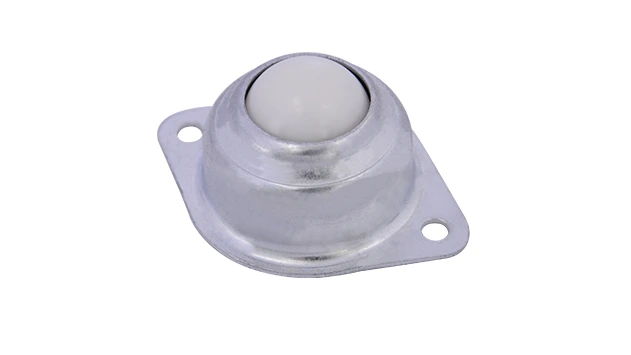
Rotation is smooth, unimpeded, and light, suitable for various scenes.The wheels are made of nylon, wide and thick to steer smoothly, has a good mute effect, and no damage to the bottom plate.
In the fast-paced world of manufacturing and production, every component plays a silent but critical role in keeping operations running smoothly. From the conveyor belts that move materials across the factory floor to the workbenches where assembly happens, the smallest parts often have the biggest impact on efficiency. One such unsung hero? Nylon swivel roller balls 1 inch. These unassuming components are the backbone of material handling systems, enabling seamless movement of goods, reducing friction, and ensuring that workflows stay uninterrupted. But here's the thing: their effectiveness hinges entirely on one key factor—compatibility with the pipes and profiles they're paired with. In this article, we'll dive deep into why nylon swivel roller balls 1 inch are a staple in lean systems, how they interact with different pipe sizes, and what you need to know to ensure a perfect fit for your setup.
What Are Nylon Swivel Roller Balls 1 Inch, Anyway?
Before we get into compatibility, let's take a moment to understand what makes nylon swivel roller balls 1 inch so special. These are small, spherical components typically made from high-quality nylon, designed to rotate 360 degrees within a housing. Their 1-inch diameter makes them versatile enough for a range of applications, from light-duty material racks to heavy-duty conveyor systems. Nylon, as a material, brings a host of benefits: it's lightweight, resistant to chemicals and abrasion, and has natural anti-slip properties—meaning materials glide smoothly without slipping or jamming. Unlike metal roller balls, nylon variants are also quiet, which is a big plus in noisy factory environments, and they won't scratch delicate surfaces, making them ideal for handling sensitive products like electronics or glass.
But their real power lies in their swivel design. Whether you're pushing a bin across a workbench or sliding a component down a flow rack, these roller balls distribute weight evenly and reduce friction, making manual handling easier on workers and automated processes more efficient. Now, imagine trying to use these roller balls with a pipe that's too thick or too thin—suddenly, that smooth movement becomes clunky, components wear out faster, and your lean system starts to feel more like a bottleneck. That's why compatibility isn't just a "nice-to-have"—it's essential.
Why Compatibility Matters in Lean Systems
Lean systems are all about eliminating waste, optimizing flow, and maximizing value. Every piece of equipment, from the lean pipe that forms the structure of your workbench to the roller track that moves materials, is part of a carefully balanced ecosystem. When components don't work together, that balance is thrown off. For example, if your nylon swivel roller balls 1 inch are mounted on a pipe that's too narrow, they might sit unevenly, causing materials to tilt or get stuck. If the pipe is too wide, the roller balls might not protrude enough to make contact with the load, rendering them useless. In both cases, you're looking at increased downtime, higher maintenance costs, and frustrated teams.
Compatibility also impacts safety. A mismatched setup could lead to materials slipping off the roller track, risking damage to products or injury to workers. And let's not forget cost—using the wrong pipe size might mean buying additional adapters or replacing components prematurely, which eats into your budget. In short, getting the fit right the first time saves time, money, and headaches down the line.

Common Pipe Sizes in Manufacturing: A Quick Overview
To understand compatibility, we first need to familiarize ourselves with the pipe sizes and types commonly used in manufacturing. These can vary based on region, industry, and specific application, but a few standouts are widely adopted across the board:
1. Lean Pipe (PE Coated and Stainless Steel)
Lean pipe, often called "flexible pipe" or "kitchen pipe," is a staple in lean manufacturing. It's typically made of steel with a polyethylene (PE) coating, which gives it a smooth, durable finish. Common diameters for lean pipe range from 10mm (0.4 inches) to 28mm (1.1 inches), but 28mm (roughly 1.1 inches) is the most popular—closely matching the 1-inch size of our roller balls. Stainless steel lean pipe is another variant, favored for its corrosion resistance in food processing or pharmaceutical settings, with similar diameter ranges.
2. Aluminum Pipe and Aluminum Profile
Aluminum pipe and aluminum profile have grown in popularity thanks to their lightweight yet sturdy nature. Aluminum pipes are often used in modular systems, with diameters like 20mm, 30mm, and 40mm. Aluminum profiles, on the other hand, are extrusion-based, with T-slots that allow for easy attachment of accessories like roller balls, brackets, and connectors. Common profiles include 2020, 3030, and 4040 (referring to their width and height in millimeters), which are widely used in workbenches and material racks.
3. Stainless Steel Pipe Series
Stainless steel pipes are known for their strength and longevity, making them ideal for heavy-duty applications. Sizes here can range from small-diameter 12mm pipes to larger 50mm options, with 25mm (1 inch) being a common choice for systems that need to support significant weight.
4. Roller Track Guide Rails
Roller tracks, used in conveyors and flow racks, often come with their own guide rails—plastic or aluminum—designed to house roller balls. These rails have specific channel widths, such as the "plastic roller track guide rail yellow" or "aluminum guide rail A" from supplier catalogs, which dictate the size of roller balls they can accommodate.

Compatibility Breakdown: Nylon Swivel Roller Balls 1 Inch and Pipe Sizes
Now, let's get to the heart of the matter: how do nylon swivel roller balls 1 inch stack up against these common pipe sizes? Let's break it down by pipe type, so you can see exactly which setups will work and which might need a little adjustment.
1. Lean Pipe (PE Coated and Stainless Steel)
Lean pipe is where nylon swivel roller balls 1 inch truly shine. Most standard lean pipes have an outer diameter of 28mm (about 1.1 inches), which is just slightly larger than the 1-inch roller balls. This is no accident—manufacturers design these components to work together. The 1-inch roller balls fit snugly into the brackets or housings mounted on the lean pipe, with the slight size difference ensuring that the balls can rotate freely without wobbling. For example, when building a flow rack using PE coated lean pipe, you'd attach the roller balls to the pipe using a lean pipe joint or a bracket, creating a surface where boxes or bins slide effortlessly. Stainless steel lean pipe, with its similar diameter, offers the same compatibility, with the added benefit of being suitable for cleanroom environments where corrosion resistance is a must.
Pro tip: If you're using older lean pipe with a slightly smaller diameter (say, 25mm/1 inch exactly), the fit will be even tighter, which can reduce friction further. Just ensure the brackets are designed for 1-inch roller balls—some cheaper brackets might have smaller housings, leading to jamming.
2. Aluminum Pipe and Aluminum Profile
Aluminum pipe and aluminum profile are a bit trickier, but still highly compatible with nylon swivel roller balls 1 inch. Basic aluminum tubes often come in diameters like 20mm, 25mm, or 30mm. The 25mm (1 inch) aluminum pipe is a perfect match—its smooth surface and precise dimensions allow the roller balls to rotate without resistance. When using aluminum profile (like the 4040 EU standard aluminum profile), things get a bit more nuanced. Aluminum profiles have T-slots, which means you'll need accessories like "roller track placon mount for aluminum profile flat" or "aluminum guide rail B" to attach the roller balls. These mounts are designed to bridge the gap between the profile's T-slot and the roller ball's housing, ensuring a secure fit. For example, a 4040 profile (40mm x 40mm) can easily accommodate 1-inch roller balls when paired with the right placon mount, making it ideal for building custom workbenches or material racks where adjustability is key.
3. Stainless Steel Pipe Series
Stainless steel pipes are built for durability, and 1-inch nylon swivel roller balls hold their own here, too. A 25mm (1 inch) stainless steel pipe is a direct match—the roller balls will fit into standard brackets designed for this size. However, if you're working with larger stainless steel pipes (30mm or more), you'll need to check the bracket size. Larger pipes often require larger brackets, which might have housings for 1.5-inch roller balls. Using 1-inch balls here would leave too much space, causing instability. That said, many suppliers offer adjustable brackets that can fit multiple pipe sizes, so if you have a mix of pipe diameters, these can be a lifesaver.
4. Roller Track Guide Rails
Roller track guide rails, whether plastic (like the yellow or grey plastic roller track guide rails) or aluminum (aluminum guide rail A or B), are engineered with specific roller ball sizes in mind. Most 1-inch nylon swivel roller balls are designed to fit into guide rails with a channel width of around 25-28mm. For example, the "plastic roller track guide rail yellow" often has a channel that perfectly houses 1-inch balls, with the yellow color making it easy to identify the size at a glance. Aluminum guide rails, like "aluminum guide rail B," are slightly more rigid and may have a tighter tolerance, but they still work seamlessly with 1-inch roller balls, especially when used with a "roller track placon mount for rail connection" to secure the rails to the supporting structure (like aluminum profile or lean pipe).
The Compatibility Table: At a Glance
To make it easier to reference, here's a table summarizing how nylon swivel roller balls 1 inch work with common pipe types and sizes:
| Pipe Type | Common Diameter (mm/inch) | Compatibility with 1 Inch Nylon Roller Balls | Recommended Accessories | Typical Application |
|---|---|---|---|---|
| PE Coated Lean Pipe | 28mm (1.1 inches) | Excellent – snug fit, free rotation | Lean pipe joint, roller track bracket | Flow racks, assembly workbenches |
| Stainless Steel Lean Pipe | 25mm (1 inch) or 28mm (1.1 inches) | Excellent – corrosion-resistant, tight fit | Stainless steel lean pipe joint | Cleanrooms, food processing lines |
| Basic Aluminum Tube | 25mm (1 inch) | Very Good – precise fit, lightweight | Aluminum pipe clamp, parallel aluminum joint | Modular material racks |
| Aluminum Profile (4040 EU) | 40mm x 40mm (T-slot design) | Good – requires adapters | Roller track placon mount for aluminum profile flat, aluminum guide rail A | Custom workstations, automated conveyors |
| Plastic Roller Track Guide Rail (Yellow/Grey) | 25-28mm channel width | Excellent – designed for 1-inch balls | Roller track placon mount center support bracket | Manual conveyor systems, picking stations |
| Stainless Steel Pipe (Heavy-Duty) | 30mm (1.2 inches) or larger | Limited – needs adjustable brackets | Adjustable heavy-duty bracket, caster accessories | Heavy material handling (e.g., automotive parts) |
Factors That Affect Compatibility (And How to Avoid Issues)
Even with the right pipe size, a few factors can throw off compatibility. Let's walk through them so you can troubleshoot like a pro:
1. Bracket and Housing Design
The bracket or housing that holds the roller ball is just as important as the pipe itself. A poorly designed bracket with a housing that's too small will pinch the roller ball, preventing rotation. Conversely, a housing that's too large will let the ball wobble, leading to uneven movement. Always check that the bracket is labeled for "1 inch swivel roller balls"—reputable suppliers like those listed in the keyword list (e.g., "lean pipe supplier" or "roller track supplier") will clearly state compatibility.
2. Pipe Thickness and Surface Finish
Thin-walled pipes might bend under heavy loads, which can misalign the roller balls. Opt for pipes with a wall thickness of at least 1.2mm (common in PE coated lean pipe) for standard applications, and 2.0mm for heavy-duty use. Surface finish matters too—rough or pitted pipes can cause the brackets to loosen over time, so always inspect pipes for damage before installation.
3. Environmental Factors
Nylon is durable, but extreme temperatures or exposure to chemicals can affect its flexibility. In high-heat environments (like near ovens), consider heat-resistant nylon variants. Similarly, in wet areas, ensure the pipe (like stainless steel) and brackets are corrosion-resistant to prevent rust from jamming the roller balls.
4. Load Capacity
Even if the pipe size is correct, overloading the system can cause the roller balls to fail. Check the load rating of both the roller balls and the pipe—most 1-inch nylon roller balls can handle 50-100 lbs per ball, but this drops if the pipe bends or the brackets loosen. When in doubt, consult the supplier's specs or add extra roller balls to distribute weight.
Real-World Applications: Where Compatibility Makes a Difference
To put this all into context, let's look at a few real-world scenarios where compatibility between nylon swivel roller balls 1 inch and pipe sizes directly impacts operations:
Case 1: Automotive Assembly Line
An automotive plant uses PE coated lean pipe to build workbenches where workers assemble car door panels. They install nylon swivel roller balls 1 inch on the workbench surface to allow easy sliding of the heavy panels. Because the lean pipe is 28mm, the roller balls fit perfectly, reducing the force workers need to push the panels by 40%. The result? Fewer ergonomic injuries and faster assembly times.
Case 2: E-Commerce Fulfillment Center
A fulfillment center uses aluminum profile (4040 EU standard) to build picking racks. They mount 1-inch nylon roller balls on the racks using aluminum guide rail B and placon mounts, creating a system where bins slide down to the picking station. The compatibility between the aluminum profile and roller balls ensures that bins move at a steady pace, reducing the risk of items falling off and improving order accuracy.
Case 3: Electronics Manufacturing Cleanroom
A cleanroom producing circuit boards needs a material handling system that won't generate dust or scratch sensitive components. They use stainless steel lean pipe (25mm) with 1-inch nylon roller balls, paired with stainless steel swivel roller balls for extra durability. The tight fit between the pipe and roller balls ensures smooth movement without particles shedding, keeping the cleanroom compliant with industry standards.
Choosing the Right Supplier: A Key Part of Compatibility
At the end of the day, even the best-laid plans for compatibility can fall apart if you source components from unreliable suppliers. When shopping for nylon swivel roller balls 1 inch, pipes, or accessories, look for suppliers who specialize in lean system components—they'll have the expertise to guide you to the right combinations. Reputable suppliers (like those listed in the keywords, such as "lean pipe supplier" or "roller track supplier") will also provide detailed specs, compatibility charts, and even sample kits so you can test fit before buying in bulk. Avoid generic "one-size-fits-all" components—investing in high-quality, compatible parts upfront will save you from costly replacements later.
Final Thoughts: Compatibility is the Foundation of Lean Success
Nylon swivel roller balls 1 inch might seem like small players in the grand scheme of manufacturing, but their compatibility with different pipe sizes is what turns them into game-changers. By understanding how these roller balls interact with lean pipe, aluminum profile, stainless steel pipe, and roller track guide rails, you can design systems that are efficient, safe, and built to last. Remember: compatibility isn't just about size—it's about choosing the right materials, accessories, and suppliers to ensure every component works in harmony. Whether you're building a simple workbench or a complex conveyor system, taking the time to get the fit right will pay off in smoother operations, happier workers, and a bottom line that reflects the true power of lean manufacturing.
So, the next time you're planning a material handling project, start with the basics: nylon swivel roller balls 1 inch and the pipes they'll call home. Get that relationship right, and everything else will follow.