- Company Articles
- Products and Technology
- Product knowledge
- Nylon Swivel Roller Balls 1 Inch: Cost-Effective Material Handling Components

Nylon Swivel Roller Balls 1 Inch: Cost-Effective Material Handling Components
Related Product
Nylon Swivel Roller Balls 1 Inch
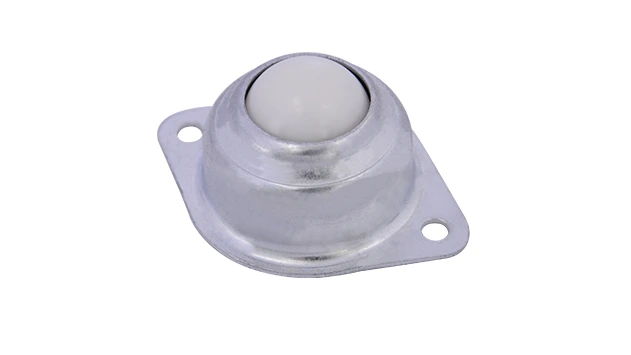
Rotation is smooth, unimpeded, and light, suitable for various scenes.The wheels are made of nylon, wide and thick to steer smoothly, has a good mute effect, and no damage to the bottom plate.
In the bustling world of manufacturing, warehousing, and assembly lines, the smallest components often play the biggest roles in keeping operations running smoothly. Think about the last time you walked through a factory floor or a distribution center—what stands out? Maybe the large machinery, the rows of products, or the teams of workers focused on their tasks. But behind the scenes, there's a silent hero at work: the humble material handling component. Today, we're shining a spotlight on one such unsung champion: nylon swivel roller balls 1 inch . These tiny, unassuming spheres might not grab headlines, but they're the secret to reducing friction, boosting efficiency, and cutting costs in ways that resonate far beyond the bottom line.
If you've ever watched a worker struggle to slide a heavy bin across a workbench, or winced as a cart full of parts got stuck halfway down a flow rack, you know the frustration of inefficient material movement. It's not just about lost time—though that's a big part of it. It's about worker fatigue, the risk of damaged goods, and the slow, steady drain on morale when simple tasks feel like uphill battles. Nylon swivel roller balls 1 inch were designed to fix exactly these problems. Lightweight, durable, and surprisingly versatile, they turn clunky, labor-intensive processes into smooth, almost effortless workflows. Let's dive into why these small components are making a big difference in lean systems everywhere.
What Are Nylon Swivel Roller Balls 1 Inch, Anyway?
Before we get into their benefits, let's start with the basics. Nylon swivel roller balls 1 inch are exactly what they sound like: small, spherical rollers made from high-quality nylon, measuring 1 inch in diameter, designed to rotate 360 degrees. They're typically embedded into surfaces like workbench tops, flow rack shelves, or roller track systems, creating a "floating" effect for materials placed on top. When you push a bin, a box, or a component across a surface fitted with these roller balls, the spheres rotate, reducing friction to almost nothing. The result? Materials glide instead of grind, making even heavy loads feel lighter.
But why nylon? And why 1 inch? Nylon is a standout material for this job because it strikes the perfect balance between strength and flexibility. Unlike metal, it's lightweight, which means less strain on the surfaces it's installed on (think: your workbench or flow rack doesn't need extra reinforcement). It's also resistant to scratches, dents, and corrosion—critical in environments where spills, moisture, or chemicals might be present. And compared to harder plastics, nylon has a natural "give" that absorbs impact, protecting both the roller balls and the materials they carry from damage.
As for the 1-inch size? It's a sweet spot for versatility. Small enough to fit into tight spaces (like the surface of a compact workbench) but large enough to handle meaningful loads—we're talking up to 50 pounds per ball, depending on the design. This makes them ideal for everything from small electronic components to heavier metal parts, without being overkill for lighter tasks. Whether you're assembling circuit boards or moving automotive parts, 1-inch roller balls hit that "just right" mark.
The Benefits: More Than Just "Smooth Sailing"
So, what makes nylon swivel roller balls 1 inch a must-have for any operation looking to streamline material handling? Let's break down the benefits, from the obvious to the surprisingly impactful.
1. Reduced Labor Costs and Worker Fatigue
Here's a simple truth: tired workers are less productive workers. When employees have to exert extra effort to push, pull, or slide materials across a surface, they burn through energy faster. Over time, this leads to slower task completion, more breaks, and a higher risk of errors. Nylon swivel roller balls eliminate that extra effort. By reducing friction, they turn a strenuous push into a gentle nudge. Imagine a worker who used to spend 10 minutes repositioning a heavy bin on their workbench now doing it in 2 minutes—those 8 minutes add up over a shift, a week, a month. Multiply that across an entire team, and you're looking at hours of recovered productivity.
And it's not just about time. Less physical strain means fewer workplace injuries, lower turnover, and happier teams. When workers don't have to dread the "heavy lifting" (even the light-but-awkward kind), they show up more engaged and focused. It's a win-win: your operation runs smoother, and your team feels valued.
2. Durability That Saves You Money Long-Term
At first glance, you might think: "Nylon? Isn't that less durable than metal?" It's a fair question. Stainless steel roller balls are certainly tough, but they come with a higher price tag and a few hidden downsides (more on that later). Nylon, on the other hand, is a workhorse. It's resistant to wear and tear, even in high-traffic areas. Unlike plastic, it doesn't crack or become brittle when exposed to oils, solvents, or moderate temperatures (most nylon roller balls handle temperatures from -40°F to 180°F, which covers most indoor industrial settings). And because it's non-marring, it won't scratch or damage the materials it carries—no more scuffed bins or chipped parts.
The best part? Nylon swivel roller balls 1 inch have a long lifespan. With minimal maintenance (we'll get to that), they can last for years, even in busy environments. When you factor in their lower upfront cost compared to metal alternatives, you're looking at a component that pays for itself in saved replacement expenses alone.
3. Quiet Operation for a Better Workplace
Factories and warehouses are noisy places—there's no getting around that. But unnecessary noise adds up, contributing to stress and distraction. Metal roller balls, for example, can create a clattering sound as materials slide over them, especially with heavier loads. Nylon, by contrast, is naturally quiet. The soft, smooth rotation of nylon swivel roller balls 1 inch muffles sound, turning a (cì'ěr—sharp, harsh) racket into a gentle hum. It's a small change, but it makes a big difference in day-to-day comfort. Workers report feeling less stressed in quieter environments, and communication becomes easier—no more shouting over the din to ask a colleague for help.
4. Versatility Across Applications
One of the best things about nylon swivel roller balls 1 inch is how adaptable they are. They're not limited to one type of setup—you'll find them hard at work in:
- Workbenches : Installed into the surface of assembly or packing workbenches, they let workers slide parts, tools, or finished products with ease, whether they're building electronics or kitting out orders.
- Flow racks : Tilted shelves in warehouses rely on gravity to move materials forward, but without smooth rollers, items can get stuck. Nylon swivel roller balls ensure a consistent, steady flow, so the next bin is always ready at the front.
- Roller track systems : Integrated into roller track setups, these balls complement metal or plastic rollers, reducing friction at transfer points (like where a roller track connects to a workbench) and preventing jams.
- Turnover trolleys : Even mobile carts benefit—adding roller balls to trolley surfaces makes loading and unloading faster, as materials can be slid on and off instead of lifted.
This versatility means you can standardize on one component across multiple areas of your operation, simplifying ordering, inventory, and maintenance.

How Do Nylon Swivel Roller Balls Stack Up Against the Competition?
You might be wondering: "Why not just use stainless steel swivel roller balls or plastic alternatives?" It's a valid question—there are plenty of options out there. To help you see why nylon swivel roller balls 1 inch stand out, let's compare them to two common alternatives: stainless steel roller balls and smaller plastic roller balls (like 0.5 inch).
| Feature | Nylon Swivel Roller Balls (1 Inch) | Stainless Steel Swivel Roller Balls (1 Inch) | Plastic Swivel Roller Balls (0.5 Inch) |
|---|---|---|---|
| Cost | Moderate upfront cost; low long-term maintenance | High upfront cost; requires occasional lubrication | Low upfront cost; prone to cracking under heavy loads |
| Weight Capacity | Up to 50 lbs per ball (varies by design) | Up to 100 lbs per ball (heavier but bulkier) | Up to 20 lbs per ball (limited for industrial use) |
| Noise Level | Quiet (soft material absorbs sound) | Noisy (metal-on-metal contact) | Quiet, but may squeak with heavy use |
| Durability | Resistant to wear, corrosion, and impact | Highly durable but prone to rust in humid environments | Brittle; cracks easily with repeated heavy loads |
| Best For | General industrial use, workbenches, flow racks, roller track | Heavy-duty applications (e.g., automotive manufacturing) | Lightweight tasks (e.g., small parts assembly) |
As the table shows, nylon swivel roller balls 1 inch hit the sweet spot for most operations. They're more affordable than stainless steel, more durable than smaller plastic balls, and versatile enough to handle everything from light assembly to medium-heavy material movement. Unless you're dealing with extreme loads (like 100+ lbs per ball) or harsh chemicals that nylon can't withstand, they're the most cost-effective choice in the long run.

Real-World Impact: A Lean System Success Story
Numbers and features are great, but nothing tells the story like a real example. Let's meet "Acme Electronics," a mid-sized manufacturer of circuit boards. Before switching to nylon swivel roller balls 1 inch, their assembly line had a problem: workers on the final testing station were spending 15% of their shift just moving boards from the conveyor to their workbench and back. The workbench surface was smooth metal, but even that created enough friction that sliding a tray of 10 circuit boards (about 30 lbs) required significant effort. Workers were complaining of sore shoulders, and the team was falling behind on daily production targets.
Acme's lean coordinator, Maria, suggested installing nylon swivel roller balls 1 inch on the workbench tops and integrating them into the flow rack that fed parts to the station. The change was subtle—just a grid of small, unassuming balls embedded into the surface—but the results were immediate. Within the first week, workers reported spending less than 5% of their time moving materials. The testing station went from completing 80 boards per day to 105, and the team's morale shot up. "It sounds silly, but not having to fight with the trays makes the whole day feel easier," one worker told Maria. "I can focus on testing, not pushing."
Six months later, Acme expanded the use of nylon swivel roller balls to their packing area and incoming materials flow racks. The total cost of the upgrade? Less than $2,000. The return? An estimated $40,000 in annual labor savings, plus a 20% reduction in damaged boards (since materials weren't being dropped or jostled during movement). For Maria, it was a textbook example of lean principles in action: "We didn't need to buy new machinery or hire more staff. We just optimized the tools we already had with a smarter component."
Installing and Maintaining Nylon Swivel Roller Balls 1 Inch: It's Easier Than You Think
You might be worried that upgrading to nylon swivel roller balls will mean downtime, complicated installation, or ongoing maintenance headaches. Let's put those fears to rest—these components are designed with simplicity in mind.
Installation Tips for Maximum Performance
Installing nylon swivel roller balls 1 inch is a straightforward process, even for teams without specialized tools. Here's a quick guide:
- Prep the surface : Ensure the workbench, flow rack, or roller track surface is clean, flat, and free of debris. Even small bumps can cause uneven rolling, so take the time to sand down rough spots or level the area if needed.
- Spacing matters : For most applications, spacing the roller balls 2–3 inches apart works best. This ensures even weight distribution and smooth movement. If you're handling larger, heavier items, closer spacing (1.5–2 inches) provides extra support.
- Use compatible accessories : Many roller balls come with mounting hardware designed to fit standard aluminum profiles or roller track placon mounts. If you're installing them on an aluminum profile workbench, for example, look for placon mounts that snap into the T-slot—no drilling required.
- Test before full deployment : Install a small section first, place a typical load on it, and slide it around. If materials stick or wobble, adjust the spacing or check for uneven mounting.
Maintenance: Set It and Forget It
Nylon swivel roller balls 1 inch are low-maintenance by design. Unlike metal roller balls, they don't require lubrication—nylon's natural properties reduce friction, so there's no need for oil or grease. Here's all you need to do to keep them in top shape:
- Clean regularly : Wipe the surface with a damp cloth or soft brush to remove dust, dirt, or small debris that could get trapped in the swivel mechanism. This is especially important in environments with sawdust, metal shavings, or food particles.
- Check for wear : Every few months, inspect the roller balls for cracks, chips, or excessive wear. Nylon is durable, but heavy, repeated use can take a toll over time. replace any damaged balls promptly to prevent uneven movement.
- Watch for loose mounts : If a roller ball starts to wobble, tighten the mounting hardware. Loose mounts can cause the ball to bind, undoing all the friction-reducing benefits.
That's it. No complicated schedules, no special tools—just basic upkeep that can be handled during regular cleaning routines.
Why Nylon Swivel Roller Balls 1 Inch Are a Cornerstone of Lean Systems
At the heart of lean system philosophy is the idea of eliminating waste—whether that's wasted time, wasted effort, or wasted resources. Nylon swivel roller balls 1 inch embody this principle perfectly. They turn wasteful, friction-filled material movement into a streamlined, efficient process. By reducing the physical effort required to handle materials, they free up workers to focus on value-adding tasks (like assembling, testing, or quality checking) instead of wrestling with tools and parts.
In a lean system, every component should serve a purpose, and nylon swivel roller balls do just that. They're not a "nice-to-have"—they're a "need-to-have" for operations looking to stay competitive. Think about it: in today's fast-paced market, margins are tight, and customer expectations are higher than ever. You can't afford to let inefficiencies linger. Investing in cost-effective components like nylon swivel roller balls is a way to future-proof your operation, ensuring you can scale, adapt, and thrive without overspending.
Final Thoughts: Small Components, Big Results
Nylon swivel roller balls 1 inch might not be the most glamorous part of your material handling setup, but they're one of the most impactful. They're a reminder that in business, as in life, the little things matter. A smoother workbench, a quieter flow rack, a team that doesn't dread the "heavy lifting"—these are the building blocks of a successful operation.
Whether you're running a small workshop or a large manufacturing plant, these roller balls offer a simple, affordable way to boost efficiency, reduce costs, and improve the daily lives of your team. They're proof that you don't need to overhaul your entire system to make meaningful change—sometimes, all it takes is upgrading a single component to unlock a world of possibilities.
So, the next time you're looking for ways to optimize your lean system, don't overlook the small stuff. Nylon swivel roller balls 1 inch are waiting to prove that great things really do come in small packages.