- Company Articles
- Products and Technology
- Product knowledge
- Nylon Swivel Roller Balls 1 Inch: Customization Options for Special Applications

Nylon Swivel Roller Balls 1 Inch: Customization Options for Special Applications
Related Product
Nylon Swivel Roller Balls 1 Inch
Rotation is smooth, unimpeded, and light, suitable for various scenes.The wheels are made of nylon, wide and thick to steer smoothly, has a good mute effect, and no damage to the bottom plate.
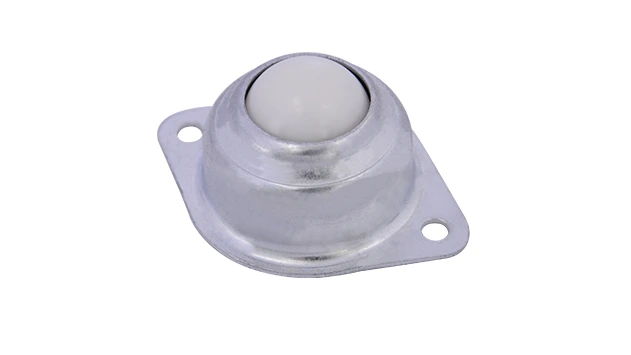
Walk into any modern manufacturing facility, warehouse, or assembly line, and you'll notice a silent hero working behind the scenes: the humble swivel roller ball. These small, unassuming components are the backbone of smooth material flow, making sure parts glide from one workstation to the next without a hitch. Among the various sizes and materials available, the nylon swivel roller balls 1 inch stands out for its versatility—especially when tailored to fit unique operational needs. In this article, we'll dive into how these tiny but mighty tools can be customized to solve specific challenges, from electronics manufacturing to heavy-duty automotive assembly, and why partnering with the right supplier matters for getting the perfect fit.
Understanding Nylon Swivel Roller Balls 1 Inch: More Than Just a "Ball"
Before we jump into customization, let's start with the basics. Nylon swivel roller balls—1 inch in diameter—are small, spherical components designed to rotate 360 degrees, allowing objects placed on top to move freely in any direction. Unlike metal or plastic alternatives, nylon offers a sweet spot of durability, lightweight design, and cost-effectiveness. But what makes the 1-inch size so popular? It's a Goldilocks choice: large enough to handle moderate loads (think small to medium-sized parts, boxes, or trays) without being bulky, and small enough to fit into tight spaces, like the shelves of a flow rack or the surface of a lean pipe workbench .
Nylon itself is a game-changer here. It's resistant to corrosion, which matters in humid or chemical-exposed environments, and it's non-marring—meaning it won't scratch delicate surfaces, a must for industries like electronics or medical device manufacturing. Plus, nylon dampens noise, a subtle but significant benefit in busy factories where constant clanging can wear down workers over time. But the real magic happens when these standard features are tweaked to meet specific needs. Let's explore how customization turns a generic roller ball into a problem-solving tool.
Customization Options: Tailoring to Your Unique Needs
No two workplaces are identical. A food packaging plant has different requirements than a semiconductor factory, and a small warehouse might need something entirely different from a large automotive plant. Here's how manufacturers can customize 1-inch nylon swivel roller balls to fit these diverse scenarios:
1. Material Grades: Nylon, But Make It Specific
Not all nylon is created equal. Standard nylon works well for general applications, but when conditions get tough, you need a specialized grade:
- ESD-Safe Nylon: In electronics manufacturing, static electricity is a silent killer. A single static discharge can fry a circuit board or damage sensitive components. ESD-safe nylon roller balls are infused with conductive additives that dissipate static, protecting valuable parts as they move along a roller track or onto a workbench.
- Food-Grade Nylon: For facilities handling food, beverages, or pharmaceuticals, compliance with FDA regulations is non-negotiable. Food-grade nylon is free from harmful chemicals, easy to clean, and resistant to oils and acids—perfect for conveyor systems in snack packaging or bottle filling lines.
- High-Temperature Nylon: In environments with heat (like near ovens or industrial dryers), standard nylon can warp. High-temperature grades (rated to 250°F or higher) maintain their shape and strength, ensuring reliability even in warm conditions.
2. Load Capacity: From Lightweight Trays to Heavy Parts
A 1-inch roller ball might seem one-size-fits-all, but its load capacity can be adjusted based on design tweaks. For example:
- Light-Duty (50-100 lbs per ball): Ideal for small parts, like screws, washers, or electronic components, moving across a lean pipe workbench. These use a standard nylon core with minimal reinforcement.
- Medium-Duty (100-200 lbs per ball): Suited for larger boxes or metal parts on a flow rack. Here, manufacturers might add a steel or aluminum insert to the nylon core, boosting strength without adding excessive weight.
- Heavy-Duty (200+ lbs per ball): For automotive parts, like engine components or transmission housings, the roller ball's core is fully reinforced with steel, and the nylon outer layer is thicker to prevent cracking under pressure.
3. Mounting Options: Fitting Seamlessly Into Your Existing Setup
What good is a custom roller ball if it doesn't fit your current equipment? Suppliers offer a range of mounting styles to ensure compatibility with systems like roller tracks, aluminum profiles, or lean pipe workbenches:
- Roller Track Placon Mounts: These brackets attach the roller ball directly to a roller track , common in flow racks or conveyor systems. Options include "flat" mounts for aluminum profiles or "high" mounts for elevated tracks, ensuring the ball sits at the perfect height for smooth material flow.
- Lean Pipe Workbench Compatibility: For workbenches built with lean pipes, specialized connectors let the roller balls integrate into the table surface, creating a sliding area for parts. This is a favorite in assembly lines where workers need quick access to tools and components.
- Adhesive or Screw-On Bases: For temporary setups or retrofits, roller balls can come with peel-and-stick adhesive backs or pre-drilled holes for screws, making installation a breeze without major equipment overhauls.
4. Color Coding: More Than Just Aesthetics
At first glance, color might seem like a cosmetic choice, but in fast-paced environments, it's a practical tool for organization. Custom colored nylon roller balls (think yellow, grey, blue, or even custom RAL codes) can help:
- Indicate workflow zones (e.g., yellow for "inspection," blue for "packaging").
- Signal load capacities (e.g., red for heavy-duty, green for light-duty).
- Match brand colors for facility uniformity, a small detail that boosts professionalism.
5. Surface Treatments: Grip, Glide, or Protect
The surface of the roller ball can also be modified to suit the materials it's handling:
- Smooth Surface: For maximum glide, ideal for lightweight, flat objects like circuit boards or plastic trays.
- Textured Surface: Adds friction to prevent slippery items (e.g., oily metal parts) from sliding too quickly, reducing the risk of spills or damage.
- Anti-Static Coating: Beyond ESD-safe nylon, an extra coating can enhance static dissipation, critical for sensitive electronics like microchips.
| Customization Type | Available Options | Ideal Applications | Key Benefit |
|---|---|---|---|
| Material Grade | Standard Nylon, ESD-Safe, Food-Grade, High-Temp | Electronics, Food Packaging, Oven-Proximity Lines | Compliance with industry-specific regulations |
| Load Capacity | 50-100 lbs, 100-200 lbs, 200+ lbs | Small Parts, Medium Boxes, Heavy Automotive Components | Prevents overloading and extends lifespan |
| Mounting Style | Roller Track Placon, Lean Pipe Connectors, Adhesive/Screw-On | Flow Racks, Lean Pipe Workbenches, Retrofit Setups | Seamless integration with existing equipment |
| Color | Yellow, Grey, Blue, Custom RAL Codes | Workflow Zoning, Load Capacity Indication | Improves organization and reduces errors |
| Surface Treatment | Smooth, Textured, Anti-Static Coating | Delicate Parts, Oily Components, Sensitive Electronics | Enhances safety and handling precision |

Special Applications: When "Off-the-Shelf" Just Won't Cut It
Now that we've covered the "how" of customization, let's look at real-world scenarios where tailored 1-inch nylon swivel roller balls make all the difference. These examples show how small adjustments can lead to big improvements in efficiency, safety, and cost savings.
Case Study 1: ESD-Safe Roller Balls for Electronics Manufacturing
A mid-sized electronics company in California was struggling with static-related defects on their assembly line. Their existing metal roller balls on the lean pipe workbench surfaces were generating static, which damaged sensitive microchips—costing them thousands in scrap and rework. After consulting with a supplier, they switched to nylon swivel roller balls 1 inch made with ESD-safe nylon and an anti-static coating. The result? Defects dropped by 40%, and workers reported less frustration with parts sticking or getting damaged during handling. The customization here wasn't just about materials; the supplier also adjusted the mounting height to align perfectly with their existing workbench, ensuring no gaps where parts might get caught.
Case Study 2: Heavy-Duty Roller Balls for Automotive Flow Racks
An automotive parts manufacturer in Michigan needed to move heavy metal brackets (weighing up to 150 lbs each) along their flow rack system. Their standard plastic roller balls were cracking under the load, leading to frequent replacements and downtime. The solution? Custom 1-inch nylon roller balls with a steel-reinforced core and a high-temperature nylon outer layer (to withstand the heat from nearby welding stations). The supplier also added a textured surface to prevent the brackets from sliding too quickly down the rack, reducing collisions and damage. Six months later, the company reported a 60% decrease in roller ball replacements and a 25% faster throughput on that line—all from upgrading a component they'd previously overlooked.
Case Study 3: Food-Grade Roller Balls for Snack Packaging
A snack food company in Texas was expanding their production line for gluten-free crackers and needed to ensure all equipment met FDA standards. Their existing metal roller balls on the packaging conveyor were prone to rust and hard to clean, risking cross-contamination. They turned to a supplier for nylon swivel roller balls 1 inch made from food-grade nylon, with a smooth, non-porous surface that could be sanitized with high-pressure washers. The supplier also customized the color to match the company's brand (a bright orange) and added adhesive mounts for easy retrofitting. Now, the line passes FDA inspections with ease, and cleaning time has been cut in half—all while keeping the crackers safe from scratches or contamination.

Choosing the Right Supplier: Beyond "One-Size-Fits-All"
Customization is only as good as the supplier behind it. When shopping for nylon swivel roller balls 1 inch , look for a partner who asks the right questions: What's the maximum load? What environment will they be in? Do you need compliance with specific standards (like FDA or ESD)? A great supplier won't just sell you a product—they'll collaborate with you to design a solution.
Key traits to prioritize:
- Experience with Specialized Industries: A supplier who's worked in electronics, automotive, or food processing will understand your unique challenges better than a generalist.
- In-House Customization Capabilities: Avoid suppliers who outsource customization—this can lead to delays or miscommunication. Look for those with in-house design and manufacturing teams.
- Sample Testing: Reputable suppliers will offer samples so you can test the roller balls in your actual environment before committing to a bulk order. This is critical for ensuring the customization works as intended.
- Support Beyond the Sale: Installation guidance, warranty coverage, and responsive customer service matter. If a roller ball fails or needs adjustment, you want a supplier who's there to help.
For example, a roller track supplier who also specializes in lean pipe systems might be a better fit than a general hardware store, as they'll understand how your roller balls interact with other components like flow racks or workbenches. This holistic approach ensures the entire system works together seamlessly, not just individual parts.
The Future of Customization: Small Parts, Big Impact
As manufacturing and warehousing grow more automated and specialized, the demand for customized components like nylon swivel roller balls 1 inch will only increase. We're already seeing trends toward smarter customization, like integrating sensors into roller balls to track material flow or using 3D printing for ultra-specific designs. But even today, the ability to tweak material, load capacity, mounting, or color is transforming how businesses operate—turning inefficiencies into smooth workflows and generic setups into tailored systems that reflect the unique needs of each workplace.
At the end of the day, it's the little things that make a big difference. A 1-inch nylon roller ball might not grab headlines, but when customized to fit your operation, it becomes a tool that saves time, reduces waste, and keeps your team moving forward. So the next time you're evaluating your material handling system, don't overlook these small but powerful components—they just might be the key to unlocking your facility's full potential.