- Company Articles
- Products and Technology
- Product knowledge
- Nylon Swivel Roller Balls 1 Inch: Electrical Insulation Properties

Nylon Swivel Roller Balls 1 Inch: Electrical Insulation Properties
Related Product
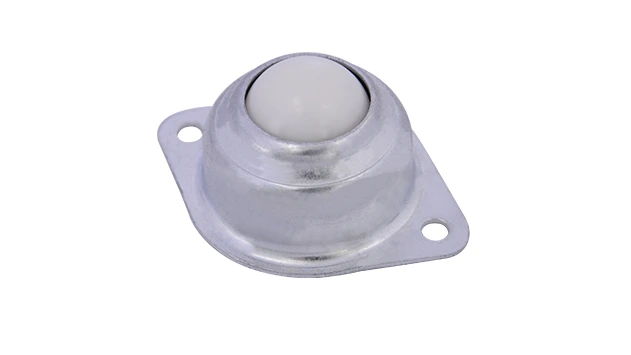
Nylon Swivel Roller Balls 1 Inch
Rotation is smooth, unimpeded, and light, suitable for various scenes.The wheels are made of nylon, wide and thick to steer smoothly, has a good mute effect, and no damage to the bottom plate.
The Hidden Hero of Sensitive Manufacturing: Why Electrical Insulation Matters
In the fast-paced world of electronics manufacturing, where microscopic circuits and delicate components are handled daily, even the smallest spark can spell disaster. Electrostatic discharge (ESD) – that invisible transfer of electricity between two objects – has the power to ruin a $500 circuit board in milliseconds, turning hours of precise work into waste. For plant managers, technicians, and lean manufacturing enthusiasts, the stakes are clear: protect sensitive equipment, or face costly delays, defective products, and frustrated teams.
Enter the unsung workhorses of material handling: nylon swivel roller balls 1 inch . These unassuming components, often found in roller track systems, esd workstation setups, and lean pipe workbench configurations, play a critical role in keeping production lines moving – and static at bay. But what makes them so essential? It all comes down to their unique electrical insulation properties, a feature that transforms them from simple hardware into guardians of product integrity.
What Are Nylon Swivel Roller Balls 1 Inch?
Before diving into their insulation superpowers, let's get to know these components better. A nylon swivel roller ball 1 inch is exactly what it sounds like: a small, spherical wheel, 1 inch in diameter, made from high-grade nylon, designed to rotate 360 degrees within a housing. Picture a tiny, ultra-smooth ball bearing that can spin freely, allowing materials to glide across surfaces with minimal friction. They're commonly used in conveyor systems, roller track guides, and workbench surfaces where products need to slide, turn, or reposition gently.
Unlike metal roller balls, which are rigid and conductive, nylon brings a unique set of advantages. Nylon is a thermoplastic polymer known for its toughness, flexibility, and – crucially for our discussion – natural electrical resistance. When molded into a 1-inch swivel ball, it becomes a versatile tool for material handling, especially in environments where electricity and static are enemy number one.
But why 1 inch? This size strikes a perfect balance: large enough to support moderate loads (think circuit boards, medical devices, or small electronic parts) without being bulky, and small enough to fit into tight roller track systems or under lean pipe workbench surfaces. It's the Goldilocks of roller ball sizes – not too big, not too small, just right for most sensitive manufacturing tasks.

Electrical Insulation: The Core Advantage of Nylon
At the heart of nylon swivel roller balls 1 inch lies their most valuable trait: electrical insulation. Insulation, in simple terms, is a material's ability to resist the flow of electric current. For ESD-sensitive environments, this means preventing static charges from building up on surfaces or transferring between objects – exactly what nylon excels at.
Nylon is inherently an insulator, thanks to its molecular structure. Unlike metals, which have free electrons that carry electricity, nylon's tightly bound electrons don't move easily, making it a poor conductor. This property is measured in terms of "volume resistivity," a unit that quantifies how well a material resists electrical flow. Nylon typically boasts a volume resistivity of 10¹⁴ to 10¹⁶ ohm-cm – that's 100 trillion to 10 quadrillion ohms per centimeter, far higher than steel (10⁻⁷ ohm-cm) or aluminum (10⁻⁶ ohm-cm), which are conductors by design.
To put this in perspective: if you placed a steel roller ball on a charged surface, it would act like a lightning rod, channeling static electricity straight into the material it touches. A nylon roller ball, by contrast, acts like a barrier, keeping that charge isolated and preventing it from jumping to nearby components. For anyone working with semiconductors, LEDs, or printed circuit boards (PCBs), this difference is the line between a functional product and a ruined one.
Key Insulation Metrics for Nylon Swivel Roller Balls:
- Dielectric Strength: Nylon can withstand up to 400-500 volts per mil (a mil is 0.001 inches) before breaking down, meaning it resists electrical breakdown even under high voltage.
- Surface Resistance: Typically above 10¹² ohms, ensuring minimal static charge accumulation on the ball's surface.
- ESD Dissipation: Unlike conductive materials that "bleed" static away, nylon prevents charge buildup entirely, eliminating the risk of sudden discharges.
But insulation isn't just about ESD protection. In environments where electrical equipment is nearby – such as factories with automated conveyor systems or power tools – non-conductive materials like nylon also reduce the risk of short circuits or electric shock. Imagine a scenario where a frayed wire touches a metal roller track: the current could travel through the track, through metal roller balls, and into a worker's hand. With nylon roller balls, that path is blocked, adding an extra layer of safety.

Beyond Insulation: Why Nylon Beats Metal in Sensitive Settings
While electrical insulation is their standout feature, nylon swivel roller balls 1 inch offer a host of other benefits that make them indispensable in lean manufacturing and ESD-sensitive environments. Let's break down how they compare to traditional metal roller balls – and why the switch is often a no-brainer.
| Feature | Nylon Swivel Roller Balls (1 Inch) | Steel Roller Balls | Aluminum Roller Balls |
|---|---|---|---|
| Electrical Insulation | Excellent (10¹⁴-10¹⁶ ohm-cm) | Poor (Conductive) | Poor (Conductive) |
| Friction | Low (0.1-0.2 coefficient of friction) | Moderate (0.3-0.4) | Moderate (0.25-0.35) |
| Noise Level | Quiet (no metal-on-metal contact) | Loud (clanking, especially at high speeds) | Moderate (noisier than nylon, quieter than steel) |
| Chemical Resistance | Resistant to oils, solvents, and mild acids | Prone to rust; reacts with corrosive chemicals | Corrodes in acidic environments without coating |
| Weight | Lightweight (≈15-20g per ball) | Heavy (≈80-100g per ball) | Medium (≈40-50g per ball) |
| Cost | Mid-range (affordable for bulk orders) | Low upfront, high long-term (due to maintenance) | High upfront (aluminum is pricier than nylon) |
Take friction, for example. Nylon's smooth surface and low coefficient of friction (0.1-0.2) mean materials glide over roller track systems with minimal effort, reducing strain on workers and conveyor motors. In contrast, steel roller balls, with their rougher surfaces, create more drag, slowing down production and increasing energy costs. For a team assembling 500 smartphones a day, those seconds add up – and so do the savings with nylon.
Noise is another hidden benefit. Walk into a factory with metal roller tracks, and you'll hear the constant clatter of metal-on-metal contact, a sound that wears on workers over time and masks important alerts (like a machine malfunction). Nylon roller balls operate almost silently, creating a calmer, more focused workspace. In one electronics plant in Singapore, switching to nylon roller balls reduced noise levels by 15 decibels – equivalent to turning down a vacuum cleaner to the hum of a refrigerator.
Then there's durability. Nylon might seem "softer" than metal, but modern nylon blends (like nylon 66) are surprisingly tough, withstanding impacts, abrasion, and temperatures up to 200°F (93°C). Unlike steel, they won't rust when exposed to moisture or cleaning chemicals, making them ideal for cleanrooms or food processing environments. And because they're lightweight, they put less stress on roller track frames and aluminum profile supports, extending the life of the entire system.
Where Nylon Swivel Roller Balls Shine: Real-World Applications
So, where exactly do nylon swivel roller balls 1 inch make the biggest difference? Let's step into three common scenarios where their electrical insulation and versatility solve real problems.
1. ESD Workstations: Protecting Delicate Electronics
ESD workstation setups are the frontline of defense in electronics manufacturing. These workbenches, often built with lean pipe workbench frames and aluminum profile accessories, are where technicians assemble, test, and package sensitive components. Here, nylon swivel roller balls 1 inch are often embedded into the workstation's surface or integrated into small roller track extensions, allowing workers to slide PCBs, sensors, or microchips without lifting them.
Consider a technician handling a batch of 5G router components. Each PCB is coated with a thin layer of conductive material that's susceptible to ESD. If they use a steel roller ball to move the PCB, static could build up on the ball's surface and discharge when it touches the board, frying the router's radio chip. With nylon roller balls, the PCB glides safely, no static, no sparks, no defects. It's a small change that saves thousands in rework.
2. Roller Tracks in Lean Material Flow Systems
Lean manufacturing thrives on "flow" – the seamless movement of materials from one station to the next. Roller track systems, made with aluminum profile frames and plastic guide rails (like the yellow or grey plastic roller track guide rails common in warehouses), are the backbone of this flow. And at the heart of these tracks are swivel roller balls, including the 1-inch nylon variety.
In a car battery plant, for example, battery packs weighing 20-30 lbs need to move from the assembly line to testing stations. Metal roller balls would conduct any static charge from the battery casings, risking sparks near flammable electrolytes. Nylon roller balls, with their insulation, eliminate that risk while still supporting the weight. Plus, their lightweight design makes the tracks easier to install and reconfigure – a must for lean facilities that frequently adapt to new product lines.
3. Trolleys and Mobile Carts with Caster Wheels
Even caster wheel -equipped trolleys benefit from nylon swivel roller balls. In ESD zones, where floors are often conductive to "bleed" static away, metal trolley surfaces can still accumulate charge. By adding a layer of nylon roller balls to the trolley's top surface, teams can load and unload sensitive materials without worrying about static transfer. For example, a medical device manufacturer in Germany uses such trolleys to transport pacemaker components between cleanrooms; the nylon roller balls ensure the components stay ESD-safe from start to finish.
Technical Deep Dive: Specs That Matter for Insulation
Not all nylon roller balls are created equal. To ensure optimal electrical insulation and performance, it's critical to look beyond the "1 inch" label and dig into the specs. Here's what to consider when sourcing nylon swivel roller balls 1 inch for your facility:
Material Grade: Nylon 6 vs. Nylon 66
Nylon 6 and nylon 66 are the two most common grades used in roller balls. Both are insulators, but nylon 66 has a higher melting point (493°F vs. 428°F for nylon 6) and better chemical resistance, making it ideal for high-temperature environments (like near ovens in plastic molding plants). For standard ESD workstations, nylon 6 is often sufficient and more cost-effective.
Load Capacity: Don't Skimp on Strength
A 1-inch nylon roller ball typically supports 15-25 lbs per ball, depending on the design. For heavier loads, look for reinforced nylon or "heavy-duty" variants, which may have a metal core coated in nylon (though the core is isolated to maintain insulation). Always check the manufacturer's load charts – overloading a roller ball can cause it to crack, exposing the core and compromising insulation.
Surface Finish: Smoothness = Less Static
A rough surface on a roller ball can trap dust and debris, which can carry static charges. High-quality nylon roller balls have a polished finish (Ra value below 0.8 μm), ensuring minimal friction and static buildup. Avoid balls with mold marks or burrs, as these can scratch delicate materials and create charge hotspots.
Insulation Resistance Testing
Reputable suppliers will provide insulation resistance test reports, measuring the ball's resistance to electrical flow. Look for values above 10¹² ohms at 500 volts – this ensures the ball meets ESD Association standards for "insulative" materials (ANSI/ESD S20.20).
Pro Tip: When installing nylon roller balls in roller track systems, pair them with non-conductive accessories like plastic roller track placon mounts (for rail connection) and nylon roller track connectors. Mixing conductive and insulative components defeats the purpose of using nylon in the first place!
Installation and Maintenance: Keeping Insulation at Its Best
Even the best roller balls won't perform if installed incorrectly. Here's how to set up and maintain nylon swivel roller balls 1 inch for long-lasting insulation and performance:
Installation Tips
- Use Insulative Mounts: When attaching roller balls to aluminum profile frames, opt for plastic or nylon mounts (like roller track placon mount for aluminum profile flat ) instead of metal brackets. Metal brackets can create a conductive path around the roller ball.
- Space Evenly: For roller track systems, space balls 2-3 inches apart to ensure even weight distribution. Too much spacing can cause materials to "catch" and generate static through friction.
- Check Alignment: Misaligned balls can cause uneven wear and increase friction. Use a level to ensure the track is flat, and adjust mounts as needed.
Maintenance Best Practices
- Clean Regularly: Dust and oil can reduce insulation and increase friction. Wipe balls with a lint-free cloth and mild soap (avoid harsh solvents, which can degrade nylon).
- Inspect for Cracks: Nylon can crack under extreme stress or temperature fluctuations. Check balls monthly for signs of damage, and replace any that show cracks or chips.
- Lubricate Sparingly: Most nylon roller balls are self-lubricating, but if movement becomes stiff, use a silicone-based lubricant (never oil, which attracts dust).
By following these steps, you'll ensure your roller balls maintain their insulation properties for years – and keep your production line running smoothly.
Why Choose Nylon Swivel Roller Balls 1 Inch? A Final Word
In the world of lean manufacturing and ESD protection, success lies in the details. Nylon swivel roller balls 1 inch may seem small, but their impact is huge: they protect sensitive components, reduce waste, improve workflow, and create safer, quieter workspaces. For anyone building or upgrading esd workstation setups, lean pipe workbench systems, or roller track conveyors, they're not just a component – they're an investment in reliability.
So the next time you walk through your facility, take a closer look at those roller balls. Are they conductive metal, risking ESD damage? Or are they nylon, quietly safeguarding your products and your bottom line? The answer could be the difference between a good day on the line and a costly disaster.
For suppliers, manufacturers, and plant managers, the message is clear: when it comes to sensitive manufacturing, don't overlook the power of insulation. Choose nylon swivel roller balls 1 inch – and build a production line that's not just lean, but smart, safe, and static-free.