- Company Articles
- Products and Technology
- Product knowledge
- Nylon Swivel Roller Balls 1 Inch: Environmental Impact & Recyclability

Nylon Swivel Roller Balls 1 Inch: Environmental Impact & Recyclability
Related Product
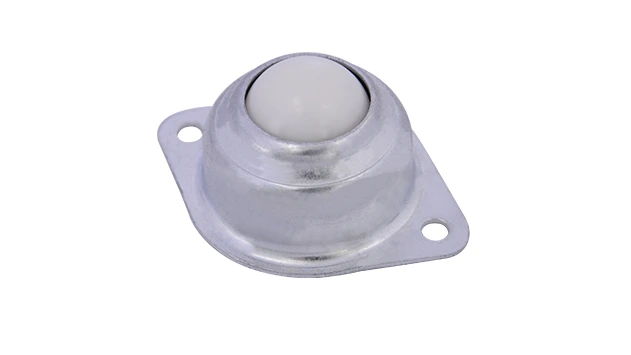
Nylon Swivel Roller Balls 1 Inch
Rotation is smooth, unimpeded, and light, suitable for various scenes.The wheels are made of nylon, wide and thick to steer smoothly, has a good mute effect, and no damage to the bottom plate.
Introduction: The Unsung Heroes of Smooth Workflows
In the bustling world of manufacturing and logistics, where every second counts and efficiency is king, there's a silent workforce keeping things moving—literally. Small, unassuming components like nylon swivel roller balls might not grab headlines, but they're the backbone of countless production lines, warehouses, and workbenches. Among these, the 1-inch nylon swivel roller ball stands out as a workhorse, quietly facilitating the seamless movement of materials, products, and parts across assembly stations, conveyor belts, and material racks.
But in an era where sustainability isn't just a buzzword but a business imperative, even the smallest parts are under scrutiny. Companies worldwide are reevaluating every aspect of their operations, from energy use to waste management, and asking: How do our tools and components measure up in terms of environmental impact? For manufacturers, suppliers, and facility managers invested in lean systems and long-term sustainability, understanding the lifecycle of components like nylon swivel roller balls is no longer optional—it's essential.
This article dives deep into the world of 1-inch nylon swivel roller balls, exploring their environmental footprint, recyclability, and role in building greener, more efficient workspaces. We'll compare them to alternatives like aluminum or stainless steel, examine how they integrate with lean system goals, and highlight why even these tiny components matter in the global push toward sustainability.
What Are Nylon Swivel Roller Balls, Anyway?
Let's start with the basics. Nylon swivel roller balls—often called "ball transfer units"—are small, spherical components designed to allow multidirectional movement of lightweight to medium-weight loads. The 1-inch size is particularly popular in industrial settings, balancing load capacity with maneuverability. Made from durable nylon, these balls are typically mounted in arrays on surfaces like workbenches, roller tracks, or material racks, creating a low-friction platform where boxes, bins, or parts can glide with minimal effort.
You'll find them in electronics manufacturing plants, where delicate circuit boards need to slide smoothly across esd workstations without static damage. They're in automotive assembly lines, helping workers position heavy components with ease. They're even in warehouses, embedded in flow racks to ensure inventory moves efficiently from storage to shipping. In short, wherever there's a need to reduce manual effort and speed up material flow, these little nylon balls are hard at work.

Material Deep Dive: Nylon's Environmental Story
To understand the environmental impact of 1-inch nylon swivel roller balls, we first need to unpack the material itself: nylon. Nylon is a synthetic polymer, part of the polyamide family, and it's prized for its strength, flexibility, and resistance to wear and chemicals. But like all plastics, its environmental story is nuanced—with both strengths and challenges.
Production: From Petroleum to Polymer
Traditional nylon is derived from petroleum, a non-renewable resource. The production process involves extracting crude oil, refining it into chemicals like adipic acid and hexamethylenediamine, and then polymerizing these into nylon resin. This process is energy-intensive, and like many petrochemical-based materials, it contributes to greenhouse gas emissions. However, advancements in manufacturing have led to more efficient production methods, with some suppliers now using renewable energy sources (solar, wind) to power their facilities, reducing the carbon footprint of each nylon pellet.
Durability: A Double-Edged Sword
One of nylon's greatest strengths is its durability. A well-made 1-inch nylon swivel roller ball can last for years, even in high-traffic industrial environments. This longevity is a boon for sustainability: longer product lifespans mean fewer replacements, less frequent manufacturing, and reduced demand for raw materials. In a lean system, where waste reduction is a core principle, durability directly aligns with the goal of minimizing resource use.
But here's the catch: if nylon products end up in landfills at the end of their life, their durability becomes a problem. Nylon is not biodegradable, and in landfills, it can persist for centuries, leaching microplastics into soil and water over time. This is why recyclability is such a critical factor in evaluating nylon's environmental impact.

Recyclability: Can Nylon Roller Balls Be Given a Second Life?
The good news? Nylon is technically recyclable. As a thermoplastic, it can be melted down and reshaped into new products—a process known as mechanical recycling. For 1-inch nylon swivel roller balls, this means that at the end of their service life, they don't have to become waste. Instead, they can be collected, cleaned, and processed into new nylon products, closing the loop on the material lifecycle.
The Recycling Process
Recycling nylon roller balls typically involves several steps: first, collection and sorting. Used roller balls are gathered from manufacturing facilities, warehouses, or recycling centers, and separated from other materials (like metal mounts or plastic casings). Next, they're cleaned to remove dirt, grease, or contaminants. Then, the nylon balls are shredded into small flakes, melted down, and filtered to remove impurities. Finally, the molten nylon is pelletized and sold to manufacturers, who use it to create new products—anything from new roller balls to automotive parts or consumer goods.
Challenges in Recycling
While recycling is possible, it's not without hurdles. Contamination is a major issue: if nylon roller balls are mixed with other plastics (like polyethylene or polypropylene) or non-plastic materials (like metal bearings), the recycling process becomes more complex and costly. Additionally, repeated recycling can degrade the quality of nylon, making it less suitable for high-stress applications. This is why many recycled nylon products are used in lower-demand roles, though innovations in chemical recycling (which breaks down nylon into its original monomers) are promising to overcome this limitation.
Another challenge is accessibility. Not all regions have robust recycling infrastructure for industrial plastics like nylon, meaning many used roller balls still end up in landfills. For companies committed to sustainability, partnering with suppliers who offer take-back programs or work with specialized recyclers is key to ensuring their nylon components are properly recycled.
Comparing Materials: Nylon vs. Aluminum vs. Stainless Steel
Nylon isn't the only material used for swivel roller balls. Aluminum and stainless steel are common alternatives, each with its own environmental profile. Let's break down how these materials stack up in terms of production, recyclability, and overall impact.
| Factor | Nylon (1-inch Swivel Roller Balls) | Aluminum Roller Balls | Stainless Steel Roller Balls |
|---|---|---|---|
| Raw Material Source | Petroleum (non-renewable), but bio-based options emerging | Bauxite ore (non-renewable), highly recyclable | Iron ore + chromium/nickel (non-renewable), highly recyclable |
| Production Energy Use | Moderate (petrochemical processing) | High (bauxite refining is energy-intensive) | Very high (steelmaking requires extreme heat) |
| Recyclability Rate | Moderate (50-70% in industrial settings) | High (95%+ recycling rate globally) | High (80-90% recycling rate) |
| Durability/Lifespan | 3-5 years (in high-use environments) | 10-15 years (resistant to corrosion) | 15+ years (extremely wear-resistant) |
| Carbon Footprint (per kg produced) | ~3-5 kg CO₂e | ~12-15 kg CO₂e (primary aluminum) | ~2-3 kg CO₂e (recycled steel); ~1.8 kg CO₂e (primary steel) |
| End-of-Life Impact | Persistent in landfills if not recycled; recyclable | Minimal impact if recycled; valuable scrap metal | Minimal impact if recycled; high scrap value |
Key takeaways? Aluminum and stainless steel have higher upfront production impacts (especially aluminum, due to energy-heavy refining) but excel in recyclability and lifespan. Nylon, on the other hand, has a lower carbon footprint during production than primary aluminum and steel, but its recyclability is more dependent on infrastructure and collection systems. For applications where weight, noise reduction, or corrosion resistance (in non-chemical environments) are priorities, nylon often remains the go-to choice—especially when paired with a strong recycling program.
Integration with Lean Systems: Waste Reduction Beyond the Line
Lean systems are all about eliminating waste—whether it's time, materials, or effort. But in recent years, "lean" has expanded to include environmental waste, too. Sustainable lean practices aim to reduce not just production inefficiencies but also the ecological footprint of operations. Nylon swivel roller balls play a role here, both in optimizing workflows and in supporting sustainability goals.
Efficiency = Less Waste
By enabling smooth, easy movement of materials, nylon roller balls reduce the need for manual lifting or pushing, cutting down on labor time and fatigue. This efficiency translates to lower energy use (fewer workers operating machinery, less electricity for powered conveyors) and fewer errors (less product damage from mishandling). In a lean system, every efficiency gain reduces overall resource consumption—making these small components contributors to sustainability.
Modularity and Reusability
Many lean system setups rely on modular components, like aluminum profile workbenches or roller tracks, which can be reconfigured as production needs change. Nylon swivel roller balls fit seamlessly into this model. They're often mounted on standardized plates or brackets, making it easy to remove, replace, or relocate them as workflows evolve. This reusability extends their lifespan and reduces the need for new components, aligning with the lean principle of "reduce, reuse, recycle."
Supplier Partnerships Matter
For companies building sustainable lean systems, choosing suppliers who prioritize eco-friendly practices is crucial. A reputable lean pipe supplier, for example, might offer nylon roller balls made from recycled nylon resin or partner with recyclers to take back used components. By selecting such suppliers, businesses can ensure that even the smallest parts of their lean system are contributing to a greener bottom line.
Real-World Impact: Case Studies in Sustainability
To see how nylon swivel roller balls contribute to sustainability in practice, let's look at two case studies from different industries.
Case Study 1: Electronics Manufacturer Reduces Waste with Recycled Nylon
A mid-sized electronics company in the U.S. was looking to cut its environmental impact while maintaining the efficiency of its esd workstations. The company's assembly lines relied heavily on 1-inch nylon swivel roller balls to move circuit boards between stations. After auditing its supply chain, the company switched to a supplier offering roller balls made from 30% recycled nylon. Over two years, this change reduced the company's reliance on virgin plastic by 12 tons and cut the carbon footprint of its workstation components by 15%. Additionally, the company implemented a take-back program for used roller balls, partnering with a local recycler to ensure they were processed into new materials. The result? A more sustainable lean system with no compromise on performance.
Case Study 2: Automotive Plant Optimizes Lifespan with Proper Maintenance
A European automotive manufacturer was struggling with frequent replacement of roller balls on its material racks, leading to high waste and costs. The issue? Lack of regular maintenance was causing premature wear. The plant's lean team implemented a simple cleaning and lubrication schedule for its nylon swivel roller balls, extending their average lifespan from 18 months to 3 years. This reduced the number of replacements by 50%, cutting both material costs and waste. The team also worked with their roller track supplier to design a modular mounting system, allowing worn balls to be replaced individually rather than replacing entire tracks. Together, these steps saved the plant over 5,000 euros annually and diverted 200 kg of nylon from landfills.
Future Trends: Greener Materials and Smarter Designs
The future of nylon swivel roller balls—and industrial components in general—is pointing toward even greater sustainability. Here are a few trends to watch:
Bio-Based Nylon
Research into bio-based nylons is accelerating. These materials are made from renewable resources like castor oil, sugarcane, or plant starches, reducing reliance on petroleum. While still in early stages, bio-based nylon could one day offer the same performance as traditional nylon with a significantly lower carbon footprint.
Chemical Recycling Breakthroughs
Chemical recycling technologies, which can break down nylon into its original building blocks, are becoming more scalable. This would allow recycled nylon to be used in high-performance applications (like industrial roller balls) without quality loss, making closed-loop recycling a reality.
Smart Monitoring for Longer Lifespan
Imagine roller balls embedded with tiny sensors that alert maintenance teams when they're wearing out. This "predictive maintenance" could prevent premature replacements and ensure components are used to their full potential. While still experimental, this technology could revolutionize how we manage industrial components—maximizing lifespan and minimizing waste.
Conclusion: Small Balls, Big Impact
Nylon swivel roller balls 1 inch may be small, but their impact on both industrial efficiency and environmental sustainability is significant. From their role in streamlining lean systems to their potential for recycling, these components prove that sustainability often lies in the details. By choosing durable, recyclable materials, partnering with responsible suppliers, and prioritizing reuse and recycling, businesses can turn even the most unassuming parts into tools for a greener future.
As we move toward a more sustainable industrial landscape, let's not overlook the little things. After all, it's the sum of small choices that adds up to big change. And in that sum, the humble nylon swivel roller ball has earned its place.