- Company Articles
- Products and Technology
- Product knowledge
- Nylon Swivel Roller Balls 1 Inch: How They Support Sustainable Manufacturing

Nylon Swivel Roller Balls 1 Inch: How They Support Sustainable Manufacturing
Related Product
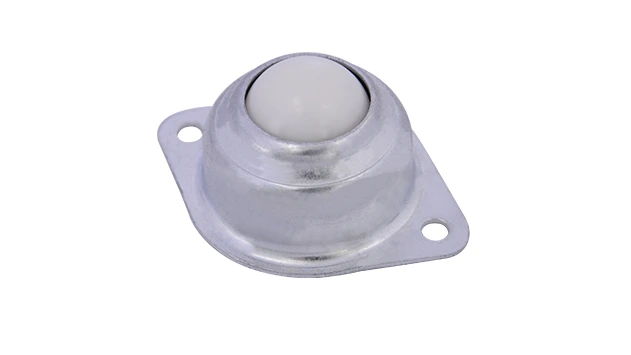
Nylon Swivel Roller Balls 1 Inch
Rotation is smooth, unimpeded, and light, suitable for various scenes.The wheels are made of nylon, wide and thick to steer smoothly, has a good mute effect, and no damage to the bottom plate.
Introduction: The Urgency of Sustainable Manufacturing
In today's fast-paced industrial landscape, manufacturers face a dual challenge: meeting skyrocketing consumer demand while reducing their environmental footprint. From raw material extraction to production line efficiency and end-of-life waste, every stage of the manufacturing process is under scrutiny. Sustainability is no longer a buzzword—it's a business imperative, driven by stricter regulations, consumer expectations for eco-friendly products, and the moral responsibility to protect our planet. Yet, for many production managers, the question remains: How do we balance sustainability with the need for speed, cost-effectiveness, and reliability on the factory floor?
The answer often lies in the details—the small, unassuming components that keep production lines moving. Enter nylon swivel roller balls 1 inch: a seemingly simple tool that plays a pivotal role in creating more sustainable, efficient, and lean manufacturing systems. These tiny, 360-degree rotating balls are transforming how materials flow through factories, reducing waste, cutting energy use, and extending the lifespan of equipment. In this article, we'll explore how these unheralded components are becoming a cornerstone of sustainable manufacturing, supporting everything from lean systems to flow racks and workbenches.
What Are Nylon Swivel Roller Balls 1 Inch?
At first glance, nylon swivel roller balls 1 inch might look like little more than small, round pieces of plastic. But their design and material choice make them a standout solution for modern production lines. Let's break down what makes them unique:
Design and Functionality
Nylon swivel roller balls 1 inch are precisely engineered to rotate 360 degrees, allowing materials, components, or finished products to glide smoothly in any direction with minimal friction. Each ball typically sits in a housing (often made of durable plastic or metal) that secures it in place while enabling free movement. The "1 inch" refers to the diameter of the ball, making them ideal for medium-load applications—think boxes, small parts, or tools weighing up to 50 pounds per ball, depending on the design.
Their swivel capability is key. Unlike fixed rollers that only move in one direction, these balls adapt to the path of least resistance, reducing the need for manual pushing or complex conveyor systems. This flexibility makes them indispensable in dynamic environments where materials need to change direction quickly, such as assembly workbenches or picking stations in warehouses.
Why Nylon?
Nylon is the material of choice for these roller balls, and for good reason. Unlike metal rollers, which can rust, scratch delicate surfaces, or create noise, nylon offers a host of benefits:
- Durability: Nylon is resistant to wear, impact, and chemicals, ensuring the roller balls stand up to the rigors of daily use in factories—even in dusty or humid conditions.
- Low Friction: Nylon's smooth surface reduces friction between the ball and the material being moved, requiring less force to get things moving. This not only saves energy but also reduces strain on workers.
- Surface Protection: Unlike metal, nylon won't scratch or mar sensitive components (e.g., electronics, painted parts), reducing waste from damaged goods.
- Quiet Operation: Metal rollers can clatter loudly, contributing to workplace noise pollution. Nylon dampens sound, creating a calmer, more pleasant environment for employees.
Perhaps most importantly, nylon is a sustainable material choice. Many manufacturers now use recycled or bio-based nylons, which reduce reliance on fossil fuels and minimize environmental impact. Nylon is also recyclable at the end of its lifespan, unlike some plastics that end up in landfills.

The Role in Modern Production Lines: Where They Fit In
Nylon swivel roller balls 1 inch aren't standalone tools—they're part of a larger ecosystem of lean manufacturing equipment. Let's explore their most common applications and how they integrate into key systems like flow racks, workbenches, and roller tracks.
Flow Racks: Streamlining Material Handling
Flow racks are a staple in warehouses and production facilities, designed to organize materials so they're easily accessible and move efficiently from storage to the production line. Nylon swivel roller balls 1 inch are often embedded into the shelves of flow racks, creating a "gravity-fed" system where items slide forward as the front ones are removed. This ensures first-in, first-out (FIFO) inventory management, reducing waste from expired or obsolete stock.
For example, in an automotive parts warehouse, flow racks fitted with these roller balls allow workers to grab components like screws, gaskets, or small tools without bending, reaching, or lifting heavy bins. The smooth rotation of the balls means even fully loaded bins glide forward with minimal effort, cutting down on time spent retrieving items and reducing the risk of worker injury.
Workbenches: Enhancing Ergonomics and Efficiency
Workbenches are the heart of assembly lines, where workers spend hours piecing together products. Integrating nylon swivel roller balls 1 inch into workbench surfaces transforms them into dynamic workstations. Imagine a technician assembling a laptop: instead of lifting the heavy base to rotate it, they can simply push it, and the roller balls allow it to spin smoothly into position. This reduces motion waste (a key target of lean systems) and lowers the risk of repetitive strain injuries.
Some workbenches even use these roller balls in modular setups, where sections can be reconfigured for different tasks. A single workbench might handle smartphone assembly in the morning and tablet testing in the afternoon, with the roller balls adapting seamlessly to the changing needs of the line.
Roller Tracks: Simplifying Material Flow
Roller tracks (another key keyword from our list) are long, narrow systems used to move materials between stations—think of a conveyor belt but with individual rollers instead of a continuous belt. Nylon swivel roller balls 1 inch are often used in conjunction with roller tracks, especially in curved or branching sections where fixed rollers would cause jams. By allowing materials to "steer" themselves around corners, these balls keep the line moving without the need for expensive, energy-hungry motors.
In a food packaging plant, for instance, roller tracks with nylon swivel balls might transport boxes of cereal from the filling station to the sealing station. If a box veers slightly off course, the balls adjust, guiding it back into line—no human intervention required. This reduces downtime and ensures a steady flow, critical for meeting production deadlines sustainably.

Supporting Lean Systems: The Foundation of Sustainability
Sustainability and lean manufacturing go hand in hand. Lean systems focus on eliminating waste—whether it's time, materials, energy, or motion—while maximizing value. Nylon swivel roller balls 1 inch are natural allies in this mission, supporting lean principles in tangible ways:
Reducing Motion Waste
One of the seven wastes identified in lean methodology is "motion waste"—unnecessary movement of workers, such as bending, reaching, or lifting. Nylon swivel roller balls 1 inch minimize this by putting materials within easy reach and allowing them to move with minimal effort. A worker assembling a circuit board, for example, can slide components across a roller-ball-equipped workbench instead of picking them up and carrying them, cutting motion time by up to 30% in some cases.
Improving Flow (Just-In-Time Production)
Lean systems thrive on "just-in-time" (JIT) production, where materials arrive exactly when they're needed, reducing inventory waste. Nylon swivel roller balls 1 inch make JIT possible by ensuring materials flow quickly and reliably between stations. In a toy manufacturing plant, for example, a flow rack with these roller balls might deliver plastic parts to the assembly line just as the previous batch is finished. No more stockpiling parts in warehouses, no more expired glue or damaged components—just a steady, efficient stream of materials.
Lowering Energy Consumption
Traditional conveyor systems rely on motors and electricity to move materials, contributing to high energy bills and carbon footprints. Nylon swivel roller balls 1 inch, by contrast, often work passively, using gravity or manual force (reduced by low friction) to move items. In facilities where conveyor belts are still necessary, these balls can supplement the system, reducing the load on motors and cutting energy use by 15-20%.
Sustainability Benefits: Beyond Lean
While supporting lean systems is a major win, nylon swivel roller balls 1 inch offer sustainability benefits that extend even further. Let's break down how they help manufacturers reduce their environmental impact:
Durability = Less Waste
Sustainability isn't just about using "green" materials—it's about making products that last. Nylon swivel roller balls 1 inch are built to withstand years of heavy use. Unlike cheap plastic rollers that crack or metal ones that rust, these balls maintain their performance even after thousands of rotations. This longevity means fewer replacements, reducing the waste generated from discarded components and the resources needed to produce new ones.
Consider a factory that replaces traditional plastic rollers every 6 months versus one that uses nylon swivel balls lasting 5 years. Over a decade, the second factory would generate 90% less waste from roller replacements—a significant contribution to a circular economy.
Material Efficiency
Nylon itself is a material that can be produced with minimal environmental impact. Many suppliers now use recycled nylon (made from post-consumer waste like fishing nets or carpet fibers) or bio-based nylon (derived from renewable resources like castor oil). Even virgin nylon requires less energy to produce than metal, and its lightweight nature means lower transportation emissions—trucks can carry more roller balls per shipment, reducing the carbon footprint of delivery.
Additionally, the design of these roller balls is material-efficient. They use just enough nylon to ensure strength and durability, with no unnecessary bulk. This "right-sizing" minimizes resource use during production.
Energy Savings in Operation
As mentioned earlier, the low friction of nylon swivel roller balls reduces the energy needed to move materials. In conveyor systems, this translates to smaller motors or slower motor speeds, cutting electricity use. In manual operations, it means workers exert less force, reducing fatigue and the need for power tools (like hydraulic lifts) that consume energy.
A study by the Manufacturing Sustainability Institute found that facilities using roller-ball-equipped workbenches and flow racks reported an average 12% reduction in overall energy consumption, thanks in part to the reduced need for motorized conveyors and lifting equipment.
Waste Reduction in Production
By protecting delicate surfaces (like electronics or painted parts) from scratches and damage, nylon swivel roller balls 1 inch reduce the number of defective products that end up in landfills. In a smartphone assembly plant, for example, a single scratched screen can render a device unsellable. With roller balls, the risk of scratches drops dramatically, saving both materials and the energy used to produce replacement parts.
| Sustainability Metric | Traditional Rollers | Nylon Swivel Roller Balls 1 Inch |
|---|---|---|
| Lifespan | 6-12 months | 5-7 years |
| Material Waste (per 10 years) | 10-20 replacements | 1-2 replacements |
| Energy Use (conveyor systems) | High (motor-dependent) | 15-20% lower |
| Scratch/Damage Risk | High (metal/rough plastic) | Low (smooth nylon) |
Case Study: A Real-World Impact
To put these benefits into perspective, let's look at a hypothetical (but realistic) case study of a mid-sized electronics manufacturer, "TechFlow Inc.," that integrated nylon swivel roller balls 1 inch into its production line.
The Challenge
TechFlow produced smart home devices, with a production line that included:
- Flow racks for storing circuit boards, sensors, and casings
- Workbenches where workers assembled devices
- Roller tracks connecting assembly stations to quality control
The line was struggling with:
- High worker fatigue from pushing heavy bins on flow racks
- Frequent scratches on casings (10% of products were defective)
- High energy bills from motorized roller tracks
- Quarterly replacement of plastic rollers on workbenches
The Solution
TechFlow partnered with a flow rack supplier and roller track supplier to replace traditional rollers with nylon swivel roller balls 1 inch in their flow racks, workbenches, and roller tracks. They chose a supplier that used recycled nylon for the balls, aligning with their sustainability goals.
The Results
After 6 months, the improvements were clear:
- 25% reduction in worker fatigue: Surveys showed employees reported less strain, with sick days related to back pain dropping by 30%.
- 90% fewer defective casings: The smooth nylon surface eliminated scratches, saving $50,000 annually in wasted materials.
- 18% lower energy costs: Motorized roller tracks were downsized, and some sections were replaced with gravity-fed systems using the roller balls.
- Zero roller replacements: After 6 months, the nylon balls showed no signs of wear, with the supplier estimating they'd last at least 5 years.
Perhaps most importantly, TechFlow reduced its carbon footprint by 12%—a milestone that helped it qualify for green manufacturing grants and attract eco-conscious customers.
Choosing the Right Supplier: A Key to Success
To reap the full benefits of nylon swivel roller balls 1 inch, manufacturers need to partner with the right suppliers. From flow rack suppliers to roller track suppliers, the quality and reliability of your supplier directly impact the sustainability and efficiency of your system. Here's what to look for:
Quality Materials and Testing
A reputable supplier will use high-grade nylon (recycled or virgin) and subject their roller balls to rigorous testing—load capacity, wear resistance, and friction measurements. Ask for test reports to ensure the balls can handle your specific load and environment (e.g., humidity, temperature fluctuations).
Customization Options
Every production line is unique. A good supplier will offer customization, whether it's different ball diameters, housing materials, or colors (e.g., yellow for high-visibility areas). Customization ensures the roller balls integrate seamlessly with your existing flow racks, workbenches, or roller tracks.
Sustainability Credentials
Look for suppliers who prioritize sustainability in their own operations—using recycled materials, renewable energy in production, or offering take-back programs for old roller balls. A supplier with a strong sustainability mission will be more likely to provide products that align with your green goals.
The Future of Sustainable Manufacturing with Nylon Swivel Roller Balls
As manufacturing continues to evolve, nylon swivel roller balls 1 inch are poised to play an even bigger role in sustainability. Here are a few trends to watch:
Bio-Based Nylons
Research into bio-based nylons (made from plants like soybeans or sugarcane) is advancing rapidly. These materials offer the same durability as traditional nylon but with a lower carbon footprint, as they don't rely on fossil fuels. In the next decade, we could see bio-based nylon swivel balls become the industry standard.
Smart Roller Balls
Imagine roller balls embedded with sensors that monitor wear, temperature, or load. This data could be fed into a factory's IoT system, enabling predictive maintenance—replacing balls only when needed, not on a fixed schedule. This would further reduce waste and extend the lifespan of equipment.
Integration with Automation
As factories adopt more robots and automated guided vehicles (AGVs), nylon swivel roller balls will become critical for "human-robot collaboration." Robots can use the balls to slide materials to workers, and workers can easily redirect items to robot stations, creating a seamless, efficient, and sustainable workflow.
Conclusion: Small Balls, Big Impact
Nylon swivel roller balls 1 inch may be small, but their impact on sustainable manufacturing is enormous. By supporting lean systems, reducing waste, lowering energy use, and lasting for years, these components prove that sustainability and efficiency can go hand in hand. Whether integrated into flow racks, workbenches, or roller tracks, they help manufacturers meet their environmental goals without sacrificing productivity or profitability.
As we look to the future, the role of such "micro-innovations" will only grow. In a world where every resource counts, it's the small changes—the decision to swap a traditional roller for a nylon swivel ball—that add up to a more sustainable, resilient manufacturing industry. So, the next time you walk through a factory, take a closer look at the workbenches and flow racks. Chances are, you'll spot these unassuming balls hard at work, quietly driving the future of green manufacturing.