- Company Articles
- Products and Technology
- Product knowledge
- Nylon Swivel Roller Balls 1 Inch: Low Maintenance for Busy Factories

Nylon Swivel Roller Balls 1 Inch: Low Maintenance for Busy Factories
Related Product
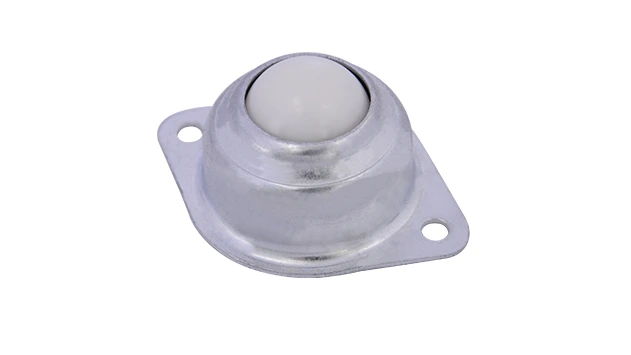
Nylon Swivel Roller Balls 1 Inch
Rotation is smooth, unimpeded, and light, suitable for various scenes.The wheels are made of nylon, wide and thick to steer smoothly, has a good mute effect, and no damage to the bottom plate.
Walk into any busy factory, and you'll notice the same rhythm: machines humming, workers moving with purpose, materials flowing from one station to the next. It's a symphony of productivity—until a kink throws everything off. Maybe a roller track jams, a workbench surface gets stuck, or a turnover trolley suddenly grinds to a halt. In those moments, you realize how much of that "smooth flow" depends on the small, often overlooked components keeping everything moving. And if there's one thing busy factories can't afford, it's downtime—especially the kind caused by constant maintenance on those components.
That's where nylon swivel roller balls 1 inch come in. These unassuming little components might not grab headlines, but they're quietly revolutionizing how factories handle material flow. Designed with busy operations in mind, they're built to keep moving so you can keep producing. Let's dive into why they're becoming a go-to choice for lean systems, flow racks, and workbench setups—and why "low maintenance" isn't just a buzzword, but a game-changer for your bottom line.
The Hidden Cost of "High-Maintenance" Rollers
To appreciate why nylon swivel roller balls 1 inch are a upgrade, let's start with the status quo. For years, factories relied on metal rollers—stainless steel, iron, even aluminum—to move materials. They're strong, right? Sure. But strength often came with a trade-off: maintenance. Think about it: metal rollers have tight joints that trap dust, debris, and moisture. Over time, that leads to rust, corrosion, or gunk buildup. And when that happens, you've got two choices: stop the line to clean and lubricate them, or let them wear down until they break.
Take stainless steel swivel roller balls 1 inch, for example. They're durable, but in humid environments—like food processing plants or warehouses near the coast—they still rust. That rust doesn't just look bad; it creates friction, making materials slide unevenly. So your maintenance team adds "oil the rollers" to their weekly checklist. Now you're spending time (and money) on lubricants, rags, and labor—time that could be spent on more critical tasks. And if someone misses a week? Suddenly, the rollers squeak, parts get stuck, and your lean system grinds to a halt.
Plastic rollers were supposed to solve some of these issues, but many are flimsy. The 0.5 inch plastic swivel roller balls, for instance, might work for light loads, but heavy parts or frequent use warp them. Then you're replacing rollers every month, which is just another form of downtime. Busy factories don't need "temporary fixes"—they need components that keep up with the chaos.
Nylon Swivel Roller Balls 1 Inch: Built for the Hustle
Nylon swivel roller balls 1 inch were designed to bridge that gap: strong enough for daily use, but smart enough to need minimal care. Let's start with the material: nylon. Unlike metal, nylon is naturally resistant to corrosion and rust. It doesn't react to moisture, so even in damp warehouses or cleanrooms with strict humidity controls, it stays smooth. No more scrubbing rust off joints or worrying about salt air eating away at your equipment.
But what really sets them apart is the swivel mechanism. These aren't just static balls—they rotate 360 degrees, ensuring materials glide in any direction. The design is simple but genius: the ball sits in a precision-molded nylon housing that's smooth on the inside, so there's no room for debris to get trapped. Dirt, dust, even small metal shavings? They slide right off, instead of gumming up the works. That means you can go weeks—even months—without taking them apart to clean.
And forget about lubrication. Nylon has natural self-lubricating properties. As the ball swivels, the material creates a frictionless surface, so there's no need for oil or grease. Imagine that: a roller component that doesn't require a maintenance schedule. For a factory running two or three shifts, that's hours of saved labor every month.

What "Low Maintenance" Actually Means for Your Factory
"Low maintenance" sounds great, but what does it look like in practice? Let's break it down with a day-in-the-life scenario. Say you run a mid-sized electronics assembly plant. You've got flow racks feeding components to workbenches, turnover trolleys moving PCBs between stations, and roller tracks connecting your warehouse to the production line. All of these use nylon swivel roller balls 1 inch. Here's how your day goes:
-
7:00 AM:
The first shift starts. Workers load components onto the flow rack. The nylon rollers glide smoothly—no squeaks, no sticking. Last week's rainstorm? The rollers are dry and rust-free.
-
12:00 PM:
Lunch break. A quick wipe-down of the workbench surface with a damp cloth is all it takes to clean the roller balls. No need for special cleaners; nylon resists most chemicals, so even a little soap and water works.
-
5:00 PM:
Second shift ends. The maintenance team does their rounds. They check the roller tracks—no gunk in the joints, no rust, no signs of wear. They cross "oil rollers" off the list and head home early.
-
11:00 PM:
Night shift wraps up. A turnover trolley loaded with finished products is wheeled to the shipping dock. The nylon swivel roller balls 1 inch on the trolley glide over uneven concrete, no problem—no flat spots, no jamming.
Compare that to a factory using metal rollers. The maintenance team would spend 2-3 hours a week lubricating, cleaning, or replacing rollers. The line might stop twice a month for unexpected jams. Over a year, that's hundreds of hours of lost productivity—and thousands of dollars in labor and replacement parts. Nylon swivel roller balls 1 inch turn "maintenance time" into "production time." That's the real value.

Fitting Seamlessly into Your Lean System
Lean manufacturing is all about eliminating waste—waste of time, waste of materials, waste of effort. Nylon swivel roller balls 1 inch align perfectly with that philosophy because they reduce one of the biggest hidden wastes: maintenance waste. But their benefits go beyond just "low upkeep." They actually
enhance
your lean system's efficiency.
Take flow racks, for example. A flow rack's job is to keep materials moving from the back (where they're stored) to the front (where workers pick them). This "first in, first out" (FIFO) system is critical for reducing inventory waste. But if the rollers in the flow rack are sticky or uneven, materials get stuck. Workers have to manually push them, which slows down picking and increases the risk of errors. With nylon swivel roller balls 1 inch, the flow is consistent. The smooth swivel action ensures every part—whether it's a small screw or a heavy motor housing—slides to the front at the same speed. No more "bottlenecks" in your flow rack; just steady, reliable movement.
Roller tracks, too, get a boost. These tracks connect different parts of your factory—say, from the assembly line to the testing station. If the track's rollers are high-maintenance, you're constantly stopping to fix them, which disrupts the "continuous flow" lean systems aim for. Nylon swivel roller balls 1 inch keep that flow uninterrupted. They handle variable loads (light or heavy), work on inclines or declines, and because they're lightweight, the tracks themselves are easier to install and reconfigure—perfect for factories that need to adapt to new products or layouts quickly.
Real-World Wins: Workbenches, Trolleys, and Beyond
It's one thing to talk about benefits in theory; it's another to see them in action. Let's look at how nylon swivel roller balls 1 inch are transforming everyday factory setups:
Workbenches:
At the workbench, precision is key. Whether you're assembling circuit boards or packing small parts, you need components to slide smoothly across the surface. Metal roller tracks here often scratch delicate parts or collect dust, which can damage sensitive electronics. Nylon is gentle enough for fragile items but tough enough to handle daily use. Wipe the workbench down at the end of the shift, and the roller balls are ready to go—no disassembly, no deep cleaning. One electronics manufacturer we worked with reported a 20% reduction in "part handling time" after switching to nylon swivel roller balls on their workbenches. Why? Because parts slid exactly where workers needed them, without sticking.
Turnover Trolleys and Racks:
These are the "delivery trucks" of your factory, moving materials between departments. Traditional trolleys with metal wheels or rollers are heavy and hard to maneuver—especially when loaded. Nylon swivel roller balls 1 inch are lightweight, so the trolleys are easier to push, even when full. Plus, their shock-absorbent properties mean less noise. Imagine a warehouse where trolleys no longer clang and squeak as they move—workers report less fatigue, and communication (critical for safety) becomes easier. One automotive plant told us their "trolley complaints" dropped by 75% after switching to nylon rollers.
Material Racks:
Heavy-duty material racks, like the "Material Rack B (3 row and 3 floor)" often hold bulky items—think tooling, dies, or large components. The weight alone can wear down metal rollers, leading to uneven settling. Nylon swivel roller balls 1 inch distribute weight evenly, so the rack stays level, and the rollers don't warp under pressure. A aerospace supplier using these racks saw a 50% decrease in "rack maintenance calls" after upgrading to nylon rollers. Their maintenance manager put it best: "We used to check the racks weekly; now we check them quarterly. They just… work."
Nylon vs. the Competition: A Maintenance Showdown
Still on the fence? Let's put nylon swivel roller balls 1 inch head-to-head with the alternatives. The table below breaks down how they stack up against stainless steel swivel roller balls 1 inch and plastic swivel roller balls 0.5 inch in key areas like maintenance frequency, cost, and durability.
| Roller Type | Maintenance Frequency | Annual Maintenance Cost* | Durability (Lifespan) | Best For |
|---|---|---|---|---|
| Nylon Swivel Roller Balls 1 Inch | Every 6–12 months (simple wipe-down) | $50–$100 (cleaning supplies only) | 3–5 years (heavy use) | Busy factories, humid environments, lean systems, flow racks |
| Stainless Steel Swivel Roller Balls 1 Inch | Weekly (lubrication, rust checks) | $300–$500 (lubricants, labor, rust remover) | 5–7 years (but with frequent repairs) | Dry, low-humidity environments, heavy loads (with maintenance) |
| Plastic Swivel Roller Balls 0.5 Inch | Monthly (replacement due to warping/breakage) | $200–$400 (replacement parts, labor) | 6–12 months (light use only) | Very light loads, temporary setups, non-critical areas |
*Estimates based on a factory with 100 rollers, 2-shift operation. Includes labor, supplies, and downtime costs.
The takeaway? Nylon swivel roller balls 1 inch might have a slightly higher upfront cost than cheap plastic, but they pay for themselves in saved maintenance time and longer lifespans. And compared to stainless steel, they're a fraction of the maintenance cost—all while matching (or exceeding) durability in most factory environments.
Beyond Maintenance: The Bonus Perks
Low maintenance is the star here, but nylon swivel roller balls 1 inch bring more to the table. Let's talk about the "nice-to-haves" that make them even more valuable:
Quiet Operation:
Metal rollers clang and squeak; nylon glides silently. In loud factories, reducing noise isn't just about comfort—it's about safety. Workers can hear alarms, communicate better, and stay focused without constant background noise.
Gentle on Materials:
Nylon is softer than metal, so it won't scratch or mar delicate parts. This is a big win for industries like electronics, medical devices, or automotive, where surface finish matters.
Lightweight and Versatile:
Nylon is lighter than metal, making it easier to install and reconfigure. Need to move a flow rack to a new line? With nylon rollers, you won't need a forklift—just a few workers. And they work with almost any setup: aluminum profile racks, stainless steel frames, even wooden workbenches.
Resistant to Chemicals:
Nylon stands up to common factory chemicals—like degreasers, solvents, and cleaning agents—that would corrode metal or melt cheap plastic. This makes them ideal for labs, pharmaceutical plants, or automotive shops where chemicals are part of daily operations.
Making the Switch: It's Easier Than You Think
You might be thinking, "This sounds great, but upgrading all our rollers sounds expensive and time-consuming." Here's the good news: nylon swivel roller balls 1 inch are designed to be retrofitted into existing systems. They fit standard roller track sizes, so you don't need to replace your entire flow rack or workbench—just swap out the old rollers for new ones.
Installation is simple, too. Most come with standard connectors, like the "roller track placon mount for rail connection" or "roller track placon mount for aluminum profile flat," which means your maintenance team can install them in minutes, not hours. And because they're lightweight, you won't need special tools or extra labor. Many factories we work with report completing a full roller upgrade in a single weekend—without disrupting production.
As for cost? Let's do the math. Suppose you have 100 metal rollers, and maintenance costs you $400/year (labor + supplies). Switching to nylon costs $1,000 upfront (for 100 rollers), but cuts maintenance to $100/year. In just 3 years, you've saved $900 ($300/year in maintenance) and avoided downtime. After that, it's pure profit. For busy factories, that ROI is a no-brainer.
Final Thought: Let Your Factory Flow
At the end of the day, a factory's success depends on its ability to keep moving. Every minute spent fixing rollers, oiling joints, or unjamming tracks is a minute not spent making products, serving customers, or growing your business. Nylon swivel roller balls 1 inch aren't just components—they're enablers. They let your lean system work as it should, your flow racks flow, and your workers focus on what they do best: producing quality goods.
So if you're tired of maintenance headaches, ready to cut downtime, and want to make your factory's rhythm smoother than ever, it's time to give nylon swivel roller balls 1 inch a closer look. They might be small, but their impact? Big enough to transform how you work—for the better.