- Company Articles
- Products and Technology
- Product knowledge
- Nylon Swivel Roller Balls 1 Inch: Material Properties & Key Advantages

Nylon Swivel Roller Balls 1 Inch: Material Properties & Key Advantages
Related Product
Nylon Swivel Roller Balls 1 Inch
Rotation is smooth, unimpeded, and light, suitable for various scenes.The wheels are made of nylon, wide and thick to steer smoothly, has a good mute effect, and no damage to the bottom plate.
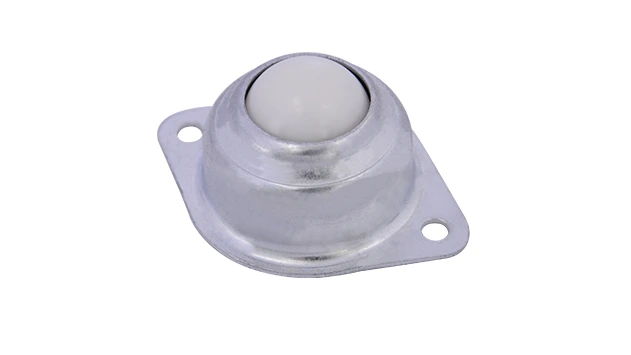
Walk into any busy manufacturing plant, warehouse, or assembly line, and you'll notice a quiet hero hard at work: the smooth, almost effortless movement of materials. A cart glides across a workbench, a bin of components slides down a flow rack, and parts roll seamlessly along a roller track—all without a hitch. What's making this magic happen? Often, it's a small but mighty component you might not even notice at first glance: nylon swivel roller balls, specifically the 1-inch variety. These unassuming spheres play a critical role in keeping operations efficient, workers comfortable, and production lines moving. In this article, we'll dive deep into what makes these roller balls so special, exploring their material properties, key advantages, and why they've become a staple in lean systems worldwide.
What Are Nylon Swivel Roller Balls 1 Inch?
Before we get into the details, let's start with the basics. Nylon swivel roller balls are small, spherical components typically made from high-grade nylon, designed to rotate freely in multiple directions. The "1 inch" refers to their diameter, a common size chosen for its balance of load capacity and versatility. Unlike fixed rollers, which only move in one direction, swivel roller balls can rotate 360 degrees, allowing materials to slide, turn, and shift with minimal effort. You'll find them embedded in workbench surfaces, flow rack shelves, roller track systems, and even turnover trolleys—anywhere smooth, multidirectional movement of goods is needed.
But why nylon? And why 1 inch? To answer that, we need to look at the material properties that set these roller balls apart. Let's start there.
Material Properties: Why Nylon Stands Out
Nylon isn't just a random choice for roller balls—it's a deliberate selection based on decades of engineering and real-world testing. Let's break down the key properties that make nylon the go-to material for these critical components.
1. Exceptional Durability & Abrasion Resistance
Nylon is a synthetic polymer known for its toughness. Unlike plastic alternatives like PVC, which can crack or warp under stress, nylon resists abrasion even with constant use. Imagine a flow rack in a electronics factory, where small, delicate parts (like microchips or connectors) slide over roller balls hundreds of times a day. Over months, that's thousands of passes—and nylon holds up. Its molecular structure is tightly packed, creating a surface that withstands friction without wearing down. This durability means fewer replacements, less downtime, and lower long-term costs for businesses.
2. Low Coefficient of Friction: The "Smooth Glide" Factor
Here's a term you might remember from high school physics: coefficient of friction (COF). It measures how much force is needed to move one surface over another. Nylon has an incredibly low COF—lower than steel, and even lower than many plastics. What does that mean in real life? It means pushing a 50-pound bin of parts across a workbench fitted with nylon roller balls feels like pushing a feather. Workers don't strain their backs, and materials move quickly, reducing bottlenecks in production. Compare that to steel roller balls, which can develop rust over time (increasing friction) or require regular lubrication to stay smooth. Nylon? It's naturally slippery, so it stays smooth with minimal maintenance.
3. Chemical Resistance: Tough Against Factory Fluids
Factories and warehouses aren't clean rooms. Oils, coolants, cleaning solvents, and even mild acids are part of daily operations. A material that can't stand up to these substances would quickly degrade, leading to jams or failures. Nylon, however, is highly resistant to most common industrial chemicals. Spill a little machine oil on a flow rack with nylon roller balls? No problem—nylon won't swell, crack, or lose its properties. This resistance makes it ideal for industries like automotive manufacturing, where lubricants are everywhere, or food processing, where cleaning agents are used daily.
4. Temperature Stability: Performs in Extreme Conditions
From sweltering summer warehouses to climate-controlled electronics labs, nylon swivel roller balls keep their cool (and their heat). Nylon maintains its structural integrity in temperatures ranging from -40°F to 220°F (-40°C to 104°C). That means even in a metal shop where welding sparks fly nearby, or a cold storage facility for pharmaceuticals, the roller balls won't become brittle (in the cold) or melt (in the heat). This versatility makes them suitable for almost any environment, indoors or out.
5. Lightweight Yet Strong: The Best of Both Worlds
Steel roller balls are strong, but they're heavy. That extra weight adds up when you're installing them in a workbench or a turnover trolley—making the equipment itself heavier and harder to move. Nylon, by contrast, is lightweight (about 1/7 the density of steel) but surprisingly strong. A 1-inch nylon roller ball can easily support 50-75 pounds of weight without deforming. This combination of lightness and strength makes installation easier (no need for heavy lifting equipment) and reduces the overall weight of the systems they're part of, from roller tracks to lean workstations.

Key Advantages: Why 1-Inch Nylon Swivel Roller Balls Are a Game-Changer
Now that we understand the material properties, let's explore how these translate into real-world benefits for businesses, workers, and lean systems. These advantages are why you'll find 1-inch nylon swivel roller balls in so many industrial settings.
1. Unmatched Smoothness: Reduces Worker Fatigue & Boosts Productivity
Ask any warehouse worker or assembly line operator what makes their job harder, and "heavy lifting" or "pushing stubborn carts" will likely top the list. Nylon swivel roller balls change that. Their low friction means materials glide with minimal force—so pushing a loaded cart across a workbench or sliding a bin down a flow rack requires 50-70% less effort than with traditional metal rollers. Over an 8-hour shift, that adds up to less muscle strain, fewer injuries, and happier, more productive workers. When workers aren't exhausted from manual handling, they focus better, make fewer mistakes, and keep the line moving faster.
2. Versatility: Fits Seamlessly Into Multiple Systems
One of the biggest perks of 1-inch nylon roller balls is their adaptability. They're not limited to one type of equipment—they work across a range of systems, from simple workbenches to complex lean systems. Need to upgrade a flow rack to handle small parts? Embed these roller balls into the shelves. Building a custom roller track for assembly line components? They fit perfectly with roller track connectors and aluminum profile. Even turnover trolleys benefit: adding roller balls to the base makes them easier to maneuver in tight spaces. This versatility means businesses can standardize on one component, reducing inventory costs and simplifying maintenance.
3. Low Maintenance: "Set It and Forget It" Reliability
Steel roller balls need regular lubrication to prevent rust and keep them rolling smoothly. Plastic alternatives can wear down quickly, requiring frequent replacements. Nylon swivel roller balls? They're practically maintenance-free. Their chemical resistance means they don't react to oils or solvents, and their abrasion resistance prevents wear. No need for grease, no need for constant checks—just install them, and they'll keep working for years. For busy operations where downtime is costly, this "set it and forget it" reliability is priceless.
4. Cost-Effective: Affordable Now, Cheaper Later
At first glance, nylon roller balls might cost a bit more than basic plastic alternatives. But when you factor in their durability and low maintenance, they're actually the more economical choice. Let's do the math: A pack of cheap plastic roller balls might cost $10, but they need replacing every 6 months. A pack of high-quality nylon roller balls costs $20 but lasts 5 years. Over 5 years, the plastic option would cost $100 (10 replacements), while nylon costs $20. Plus, you save on labor for replacements and lubrication. For businesses focused on lean management—where waste reduction is key—nylon roller balls are a smart investment.
5. Compatibility with Lean Systems: Driving Efficiency Forward
Lean systems are all about eliminating waste—whether it's time, effort, or resources. Nylon swivel roller balls align perfectly with this philosophy. By reducing friction and effort, they speed up material flow, cutting down on "wait time" in production. They also minimize physical strain, which reduces absenteeism and keeps teams at full strength. In a lean workbench setup, for example, roller balls allow workers to slide parts from one station to the next without stopping, creating a continuous, efficient workflow. In short, these small components play a big role in making lean systems work as they should.

How Nylon Swivel Roller Balls Compare to Other Materials
To truly appreciate nylon's advantages, it helps to see how it stacks up against other common roller ball materials. Let's compare 1-inch nylon swivel roller balls to steel and standard plastic (PVC) alternatives.
| Property | Nylon Swivel Roller Balls | Steel Roller Balls | PVC Plastic Roller Balls |
|---|---|---|---|
| Abrasion Resistance | Excellent (resists wear for years) | Good (but prone to rust, which increases wear) | Poor (cracks and wears quickly with heavy use) |
| Friction Coefficient | Low (0.1-0.2, very smooth glide) | Medium (0.3-0.4, requires lubrication) | Medium-High (0.3-0.5, can stick over time) |
| Chemical Resistance | Resistant to oils, solvents, and mild acids | Prone to corrosion from chemicals | Resistant to some chemicals, but swells in others |
| Weight | Lightweight (easy to install, reduces system weight) | Heavy (adds weight to equipment) | Lightweight (but less durable) |
| Maintenance Needs | None (no lubrication or cleaning required) | High (regular lubrication to prevent rust) | Low (but frequent replacements needed) |
| Cost (Lifetime) | Low (high upfront cost, minimal replacements) | Medium-High (low upfront cost, high maintenance) | High (low upfront cost, frequent replacements) |
As the table shows, nylon outperforms steel and PVC in almost every category that matters for industrial use. It's more durable than plastic, lighter and less maintenance-heavy than steel, and offers the smooth glide that's critical for efficiency.
Real-World Applications: Where You'll Find Nylon Swivel Roller Balls at Work
Now that we've covered the "why," let's look at the "where." 1-inch nylon swivel roller balls are everywhere in industrial and manufacturing settings. Here are a few common applications:
Flow Racks
Flow racks are used in warehouses and distribution centers to store and retrieve goods efficiently. Nylon roller balls are embedded in the rack shelves, allowing bins or boxes to slide forward as items are removed, ensuring the next bin is always at the front. This "first in, first out" (FIFO) system reduces picking time and keeps inventory organized.
Workbenches
Assembly line workbenches often have roller balls embedded in their surfaces, making it easy to slide parts from one worker to the next. For example, in electronics manufacturing, a worker might assemble a circuit board on one end of the bench, then slide it to the next station for testing—all without lifting a finger.
Roller Tracks
Roller tracks are used to move materials between stations in a production line. Nylon swivel roller balls, paired with roller track connectors and aluminum profile, create smooth, flexible tracks that can curve or change direction as needed. This adaptability is key in custom manufacturing setups.
Turnover Trolleys
Turnover trolleys are used to transport materials around a facility. Adding nylon roller balls to the trolley's base makes it easier to push and maneuver, even in tight spaces. This reduces the effort needed to move heavy loads, lowering the risk of worker injury.
Installation Tips for Maximum Performance
To get the most out of your 1-inch nylon swivel roller balls, proper installation is key. Here are a few tips to ensure they work their best:
- Spacing Matters: Install roller balls 2-3 inches apart for optimal weight distribution. Too far apart, and materials might sag or get stuck; too close, and you're wasting resources.
- Check the Swivel Mechanism: Before installing, test each roller ball to ensure it swivels freely. A stuck ball can cause jams, so replace any that don't rotate smoothly.
- Clean Before Use: Wipe down the roller balls with a dry cloth to remove any dust or debris from manufacturing. This prevents particles from getting trapped in the swivel mechanism.
- Pair with Quality Accessories: Use compatible roller track connectors, aluminum profile, or workbench components to ensure a seamless fit. Mismatched parts can reduce performance.
Conclusion: Small Components, Big Impact
Nylon swivel roller balls 1 inch might not be the most glamorous part of a manufacturing facility, but they're undeniably essential. Their unique material properties—durability, low friction, chemical resistance, and lightweight strength—translate into real-world advantages: smoother operations, happier workers, lower costs, and better support for lean systems. Whether they're gliding parts across a workbench, moving bins in a flow rack, or keeping a roller track running efficiently, these small spheres play a big role in keeping industries moving forward.
So the next time you walk through a factory or warehouse and notice how effortlessly materials move, take a closer look—chances are, you'll spot these quiet heroes hard at work. And now, you'll know exactly why they're there.