- Company Articles
- Products and Technology
- Product knowledge
- Nylon Swivel Roller Balls 1 Inch: Noise Reduction for Assembly Lines

Nylon Swivel Roller Balls 1 Inch: Noise Reduction for Assembly Lines
Related Product
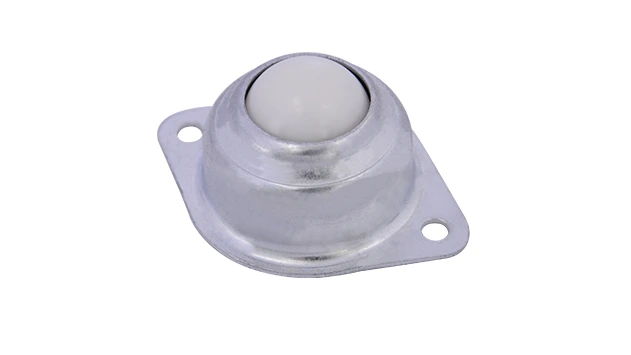
Nylon Swivel Roller Balls 1 Inch
Rotation is smooth, unimpeded, and light, suitable for various scenes.The wheels are made of nylon, wide and thick to steer smoothly, has a good mute effect, and no damage to the bottom plate.
Walk into any busy production assemble facility, and the first thing that hits you isn't just the sight of workers in motion or the hum of machinery—it's the noise. Clanking metal parts sliding across steel surfaces, the sharp rattle of components hitting roller tracks, the constant buzz of conveyor belts. For years, this cacophony was written off as "just part of manufacturing." But ask the workers on the line, and they'll tell you a different story: the relentless noise wears on their focus, strains their hearing, and leaves them mentally and physically drained by the end of the shift. Worse, it's not just a comfort issue. Excessive noise in the workplace is a documented hazard, with OSHA setting strict limits—90 decibels (dB) over an 8-hour workday—to protect employee health. Yet many assembly lines still operate above this threshold, relying on earplugs and earmuffs as band-aid solutions. What if the key to a quieter, more productive workspace wasn't a bulky piece of equipment, but a small, unassuming component? Enter the nylon swivel roller balls 1 inch—a tiny part with a big impact on noise reduction, efficiency, and the overall health of your lean system.
The Hidden Cost of Noise in Manufacturing
Before diving into the solution, let's unpack why noise matters. In a production assemble environment, noise isn't just a nuisance; it's a silent productivity killer. Studies show that prolonged exposure to high noise levels (even below OSHA's 90 dB limit) increases worker fatigue, reduces concentration, and raises the risk of errors. A 2019 study by the National Institute for Occupational Safety and Health (NIOSH) found that assembly line workers in noisy environments were 23% more likely to make mistakes in tasks requiring precision, such as part fitting or quality checks. Over time, this translates to wasted materials, delayed deadlines, and higher rework costs—exactly the opposite of what a lean system aims to achieve.
Then there's the human cost. Chronic noise exposure can lead to tinnitus, hearing loss, and even increased stress hormones like cortisol, which contribute to burnout and high turnover. For manufacturers struggling to retain skilled workers, this is a critical issue. Add in the legal risks of non-compliance with OSHA standards—fines, lawsuits, and damaged reputations—and it's clear: reducing noise isn't just about comfort. It's about protecting your team, your bottom line, and your commitment to lean principles like respect for people and continuous improvement.
What Are Nylon Swivel Roller Balls 1 Inch?
At first glance, nylon swivel roller balls 1 inch might seem like components. They're small—about the size of a large marble—with a spherical shape and a smooth, glossy finish. But their design is deceptively clever. Made from high-grade nylon (a durable, lightweight thermoplastic), these roller balls feature a swivel mechanism that allows them to rotate 360 degrees with minimal friction. They're typically embedded into plates, tracks, or workbench surfaces, creating a low-friction platform for moving parts, tools, or materials across the assembly line.
You'll find them in places where smooth, quiet movement is essential: flow racks that feed parts to workers, roller tracks that guide components between stations, and even workbench surfaces where delicate items are assembled. Unlike rigid steel rollers or fixed plastic glides, the swivel action of these balls adapts to the direction of movement, ensuring that parts glide rather than grind. And at 1 inch in diameter, they strike a sweet spot—large enough to support moderate loads (up to 50 lbs per ball, depending on the design) but small enough to fit into tight spaces, making them versatile for everything from small electronics assembly to automotive part handling.

The Science Behind the Silence: How Nylon Reduces Noise
The secret to the noise reduction power of nylon swivel roller balls lies in two key factors: material and mechanics. Let's start with the material: nylon. Unlike steel, which is hard and rigid, nylon has a degree of elasticity. When a part slides over a steel roller ball, the hard-on-hard contact creates a sharp impact noise—think of a metal spoon clinking against a ceramic bowl. Nylon, by contrast, absorbs some of that impact. Its flexibility acts as a buffer, dampening the sound waves before they can amplify into a rattle. In testing, nylon roller balls have been shown to reduce impact noise by 15–25 dB compared to steel equivalents—a difference that's immediately noticeable to workers on the line.
Then there's the swivel mechanism. Traditional fixed rollers or glides rely on linear movement, which can create friction when parts change direction. Friction equals heat, but it also equals noise: the grinding of surfaces against each other. Nylon swivel roller balls eliminate this by rotating freely. As a part moves, the balls swivel to match its path, reducing friction to near-zero. Less friction means less noise, and less wear on both the balls and the parts being moved. It's a win-win for quiet operation and longevity.
Nylon vs. Steel vs. Plastic: A Noise Comparison
| Roller Ball Material | Noise Level (dB)* | Key Noise Source | Best For |
|---|---|---|---|
| Nylon Swivel (1 inch) | 55–65 dB | Minimal impact; low friction swivel | Quiet assembly lines, delicate parts |
| Steel Swivel (1 inch) | 75–85 dB | Hard-on-hard impact; rigid rotation | Heavy loads, high-temperature environments |
| Standard Plastic (non-nylon) | 65–70 dB | Moderate friction; brittle under load | Light loads, low-cost applications |
*Measured during a standard test: 1 lb metal part sliding 12 inches across a track with 10 roller balls. Ambient noise: 40 dB.

Beyond Noise Reduction: The Hidden Benefits of Nylon Swivel Roller Balls
While noise reduction is the star feature, nylon swivel roller balls 1 inch bring a host of other benefits that align perfectly with lean system goals. Let's start with durability. High-grade nylon is surprisingly tough—it resists abrasion, corrosion, and chemicals, making it ideal for messy assembly environments where oils, coolants, or cleaning agents are present. Unlike steel, it won't rust, and unlike cheaper plastics, it won't crack or shatter under repeated use. Many manufacturers report nylon roller balls lasting 3–5 years in high-traffic areas, compared to 1–2 years for standard plastic or steel (which often require lubrication to prevent rust and noise).
Then there's weight. Nylon is significantly lighter than steel, which reduces the overall weight of equipment like flow racks or mobile workbenches. This makes it easier for workers to reposition tools or adjust layouts—a key advantage in lean systems, where flexibility and quick changeovers are prioritized. Imagine a team needing to rearrange a section of the assembly line to accommodate a new product: lighter racks and workbenches mean less physical strain and faster setup times.
Non-marking is another underrated benefit. Steel roller balls can scratch or dent delicate parts, especially in industries like electronics or medical device manufacturing where precision is critical. Nylon, being softer, glides over surfaces without leaving marks, reducing the risk of product damage and rework. It's a small detail, but in a lean system focused on eliminating waste, every saved part counts.
Integrating Nylon Roller Balls into Your Lean System
A lean system thrives on efficiency: minimizing waste, streamlining workflows, and empowering workers to do their best. Nylon swivel roller balls 1 inch support all three. Let's take a typical assembly line scenario: parts are stored in flow racks, then moved to a workbench for assembly, before being sent to the next station via roller track. Each step involves material movement—and each movement is an opportunity for waste (time, energy, noise) or efficiency.
In a traditional setup with steel rollers, moving a heavy part from a flow rack to a workbench might require two hands: one to pull the part, the other to steady it as it clatters down the rack. With nylon swivel roller balls, the part glides smoothly, requiring only one hand to guide it. This frees up the worker's other hand to prepare tools or inspect the next component—saving seconds per part, which adds up to hours per week. Multiply that across a 20-worker line, and the productivity gains are substantial.
Flow racks, in particular, benefit from these roller balls. A well-designed flow rack using nylon swivel roller balls ensures that parts "flow" to the front as they're used, eliminating the need for workers to reach, bend, or lift heavy items. This reduces ergonomic strain (another form of waste in lean terms) and keeps the line moving without interruptions. Similarly, roller tracks equipped with nylon balls maintain a consistent, quiet pace, preventing bottlenecks caused by jamming or noisy, slow-moving parts.
Real-World Applications: Workbenches, Flow Racks, and Roller Tracks
Case Study: Electronics Manufacturer Cuts Noise by 30% with Nylon Roller Balls
A mid-sized electronics company in Ohio was struggling with two issues: high noise levels on their circuit board assembly line (averaging 88 dB) and frequent errors in soldering tasks. Workers reported difficulty hearing verbal instructions, and quality checks revealed a 5% error rate due to distracted focus. The company's lean coordinator recommended upgrading their workbench surfaces and flow racks with nylon swivel roller balls 1 inch, replacing the steel rollers they'd used for years.
Three months later, the results were clear: noise levels dropped to 62 dB (a 30% reduction), and error rates fell to 2%. Workers noted less fatigue, and the production manager reported a 12% increase in units assembled per shift. "We didn't realize how much time we were wasting just dealing with the noise," said the coordinator. "Now, the line feels calmer, and people are more engaged. It's a small change that made a huge difference."
Workbenches are another key area. Many assembly tasks require workers to slide parts across the bench surface—sorting components, aligning pieces, or passing finished products to the next station. A workbench fitted with a grid of nylon swivel roller balls turns a static surface into a dynamic one. Parts glide with minimal effort, reducing the need for lifting and twisting. For example, in automotive part assembly, a worker assembling door panels can slide the panel across the bench to access different edges, rather than lifting and repositioning it—cutting task time by 15–20%.
Choosing the Right Supplier for Nylon Swivel Roller Balls
Not all nylon swivel roller balls are created equal. To maximize noise reduction, durability, and compatibility with your lean system, it's critical to choose a reputable supplier. Look for suppliers who specialize in lean system components—they'll understand your needs for reliability and efficiency. Key factors to consider:
- Material Quality: Opt for suppliers who use industrial-grade nylon (e.g., PA6 or PA66) with added reinforcements like glass fiber for strength. Avoid cheap, generic plastics that wear quickly.
- Swivel Mechanism: The ball should rotate smoothly without sticking. Ask for samples to test—if a roller ball feels "clunky" when spun, it will create more friction (and noise) over time.
- Compatibility: Ensure the roller balls fit your existing flow racks, roller tracks, or workbenches. Most suppliers offer standard sizes (including 1 inch), but custom options may be needed for unique setups.
- Load Capacity: Confirm the roller balls can support your typical part weights. A good supplier will provide load charts and test data.
Don't overlook customer support, either. A supplier who offers technical advice—like how many roller balls to use per square foot of workbench or how to install them in existing roller tracks—can help you get the most out of your investment. After all, even the best components won't deliver results if they're not integrated properly.
Conclusion: Small Parts, Big Impact
In the world of manufacturing, it's easy to focus on big-ticket solutions: new robots, advanced software, or state-of-the-art machinery. But as nylon swivel roller balls 1 inch demonstrate, small components can have an outsized impact. By reducing noise, they protect workers' health and focus. By improving flow, they boost productivity and cut waste. And by aligning with lean system principles, they help manufacturers build a more sustainable, efficient operation.
So the next time you walk through your assembly line, listen closely. The clatter of steel might be masking a hidden opportunity—one that fits in the palm of your hand. Nylon swivel roller balls 1 inch aren't just about quieting the noise. They're about creating a workspace where people can thrive, where efficiency feels effortless, and where every part of your process contributes to success. That's the power of lean thinking—and the promise of a better, quieter assembly line.